

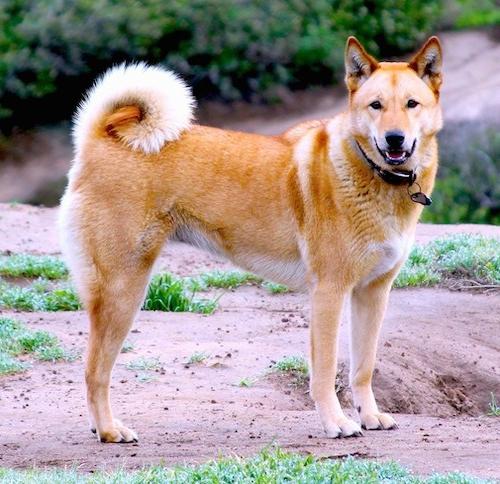
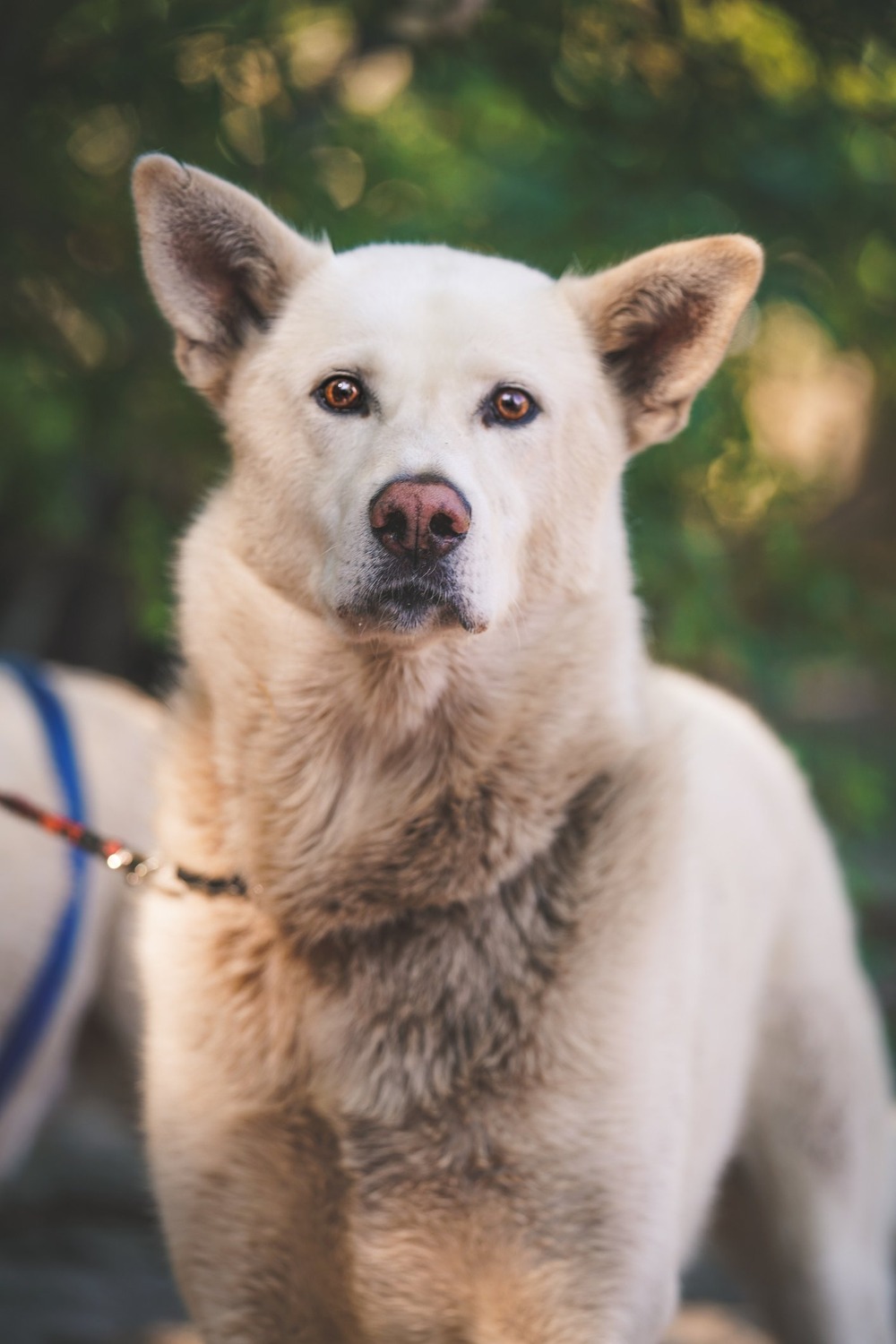
You might first notice a Jindo in a photo, upright ears, curled tail, a calm, watchful expression, and then wonder why people describe them as “loyal” but also “independent”. Or you meet one at the park and it keeps a little distance, even while staying closely tuned to its person. That combination can feel unfamiliar if you’re used to breeds that greet everyone like an old friend.
With Jindos, a lot makes more sense once you stop expecting constant sociability as the marker of a “good family dog”. Many Jindos are steady and connected at home, but selective about strangers, and they often take their surroundings seriously. That is not a flaw, it is part of what they were shaped for.
They can be deeply rewarding dogs in the right hands, especially for people who enjoy training, routine, and outdoor time. But they are not an “easy mode” companion. Understanding what sits underneath their behaviour, hunting heritage, strong bonding, and a tendency to make their own decisions, helps you decide whether a Jindo fits your life, not just your aesthetic.
- Breed category: Spitz (Group 5 type)
- Country of origin: South Korea
- Typical size: Medium, athletic build
- Coat: Double coat, seasonal shedding
- Energy: High, daily exercise and enrichment needed
- Temperament: Alert, loyal to their household, often reserved with strangers
The Jindo’s heritage, and why it still shows up at home
The Korean Jindo Dog developed on Jindo Island, off the south west coast of Korea, with relatively limited outside influence for long stretches of history. That matters because isolation tends to preserve type. Over time, the dogs that were best at hunting and guarding, and best at working closely with one household, were the ones that were kept and bred on.
In South Korea, the Jindo is also formally recognised as a protected cultural asset. This is one reason you will see strong emphasis on the breed’s “national treasure” status in reputable descriptions of the Jindo, and why some ownership and export rules may be stricter than for many other breeds.1
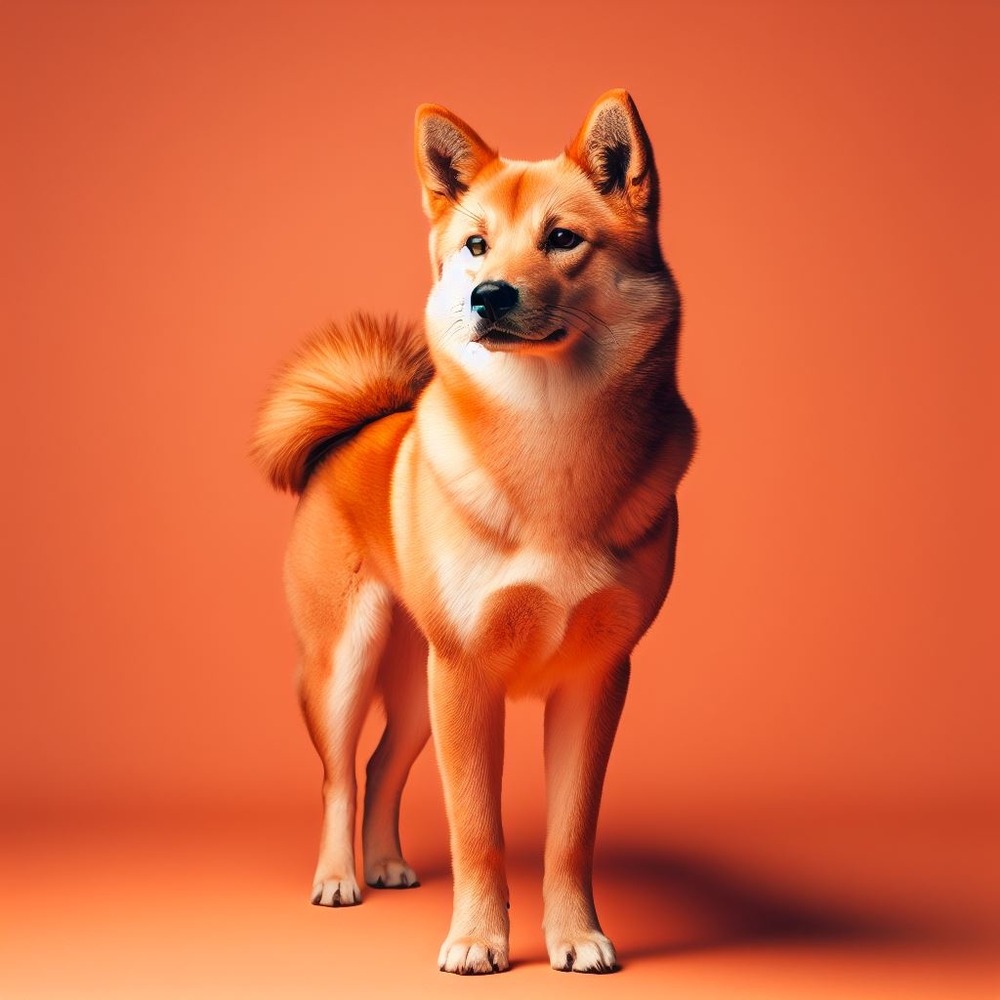
If you read breed standards, the outline is consistent: medium sized, balanced, well-muscled and agile, with erect ears and a curled or sickle tail. Standards can sound a bit abstract, but they point back to function. A dog built to travel over uneven ground, cope with weather, and respond quickly to movement is going to behave like a dog that notices things, and acts fast when it thinks it should.2, 3
Temperament: loyal, thoughtful, and not always “everyone’s mate”
People often summarise the Jindo as loyal and independent. In day-to-day life, that can look like a dog who keeps track of where you are at home, chooses to rest nearby, and checks in frequently, but does not necessarily want pats from every visitor. Many are naturally watchful, and they can be surprisingly sensitive to changes in their environment.
A useful way to think about this is that Jindos often prefer clear relationships. They tend to bond strongly to their own people, and may be reserved or cautious with strangers. That reserve is not the same thing as fearfulness or aggression, but it does mean socialisation needs to be deliberate, and continued through adolescence, not just “ticked off” in puppyhood.
With children, the best outcomes usually come from three things: calm supervision, teaching kids respectful handling, and giving the dog genuine downtime. Jindos can do well in family homes, but they rarely enjoy chaos. A busy household can suit them beautifully if it is structured, and if the dog is included thoughtfully rather than constantly “managed”.
Living with a Jindo: exercise, space, and everyday management
Jindos are energetic and capable dogs. Most need a daily routine that includes brisk walking, running alongside you where appropriate, training sessions, and time to sniff and explore in safe areas. Mental exercise matters as much as physical exercise, especially for breeds that are good problem-solvers.
They are often described as not ideal for apartments, and that can be true, but it is not only about floor space. It is about whether you can reliably meet their needs for enrichment, calm training, and controlled exposure to the world. A Jindo with inadequate stimulation can become creative in all the ways you do not want, digging, fence running, and practising escape plans.
Because many Jindos have a strong chase instinct, secure fencing and thoughtful lead habits are practical essentials, not optional “nice to haves”. If you have cats or smaller pets, careful introductions and management are important, and some pairings will simply be easier than others depending on the individual dog’s history and temperament.
Training and socialisation: what tends to work best
Jindos are intelligent, but not always automatically compliant. If you come in expecting instant obedience, you may end up in a tug-of-war that neither of you enjoys. If you come in expecting partnership, you usually get further.
Reward-based training, including positive reinforcement, is widely recommended by animal welfare organisations. It supports learning without relying on intimidation or pain, and it helps protect the relationship you are building with a dog that often cares deeply about trust and predictability.4, 5
In practice, the approach that tends to suit Jindos is:
- Short, regular sessions, rather than long drills
- High-value rewards, especially for recall and disengaging from distractions
- Clear household rules that stay consistent across all family members
- Planned social exposure that stays under threshold, so the dog can learn rather than cope
If you run into reactivity, guarding, or serious dog-to-dog issues, it is worth getting help early. Look for qualified, force-free professionals, and involve your vet if behaviour changes are sudden or unexplained.
Health considerations: what owners should watch for
Many Jindos are robust, with a typical lifespan often quoted in the low-to-mid teens. Still, like all breeds, they are not immune to health problems. Two conditions often mentioned in breed discussions are hip dysplasia and hypothyroidism.
Hip dysplasia is a developmental condition of the hip joint that can contribute to pain, arthritis, and mobility changes. It ranges from mild to severe, and management can include weight control, tailored exercise, physiotherapy, medications, and in some cases surgery.6
Hypothyroidism, caused by low thyroid hormone levels, can be associated with signs like lethargy, weight gain, and coat changes. Diagnosis is not based on one sign alone, it relies on veterinary assessment and blood testing. Treatment is typically long-term thyroid hormone replacement, with monitoring over time.7
If you are buying a puppy, ask what health screening the parents have had and request documentation. If you are adopting an adult dog, discuss any history you have with your vet early, especially if you notice changes in energy, weight, skin, or movement.
Coat care, shedding, and grooming routines
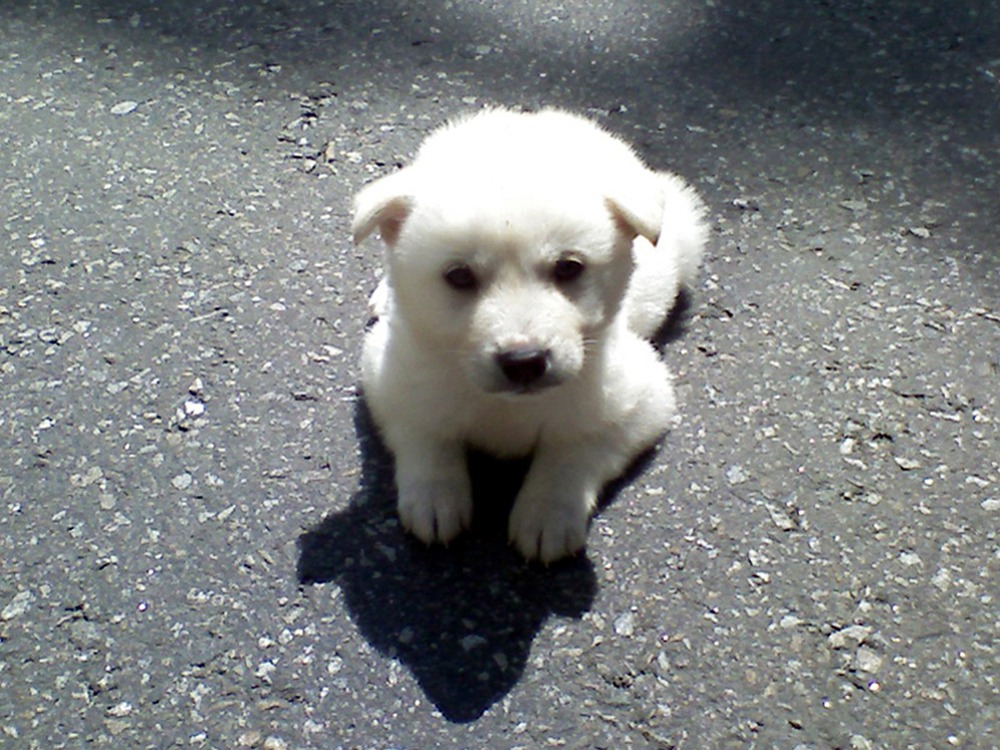
The Jindo’s double coat is part of what allows them to handle colder weather well. The trade-off is that many will shed heavily at certain times of year, often described as “blowing coat”. Regular brushing helps remove loose undercoat, supports skin health, and keeps the coat from matting in friction areas.
A simple routine is usually enough:
- Weekly brushing most of the year
- More frequent brushing during heavy seasonal sheds
- Occasional baths as needed, followed by thorough drying
- Regular nail trims, ear checks, and dental care
Try not to over-bathe. A good coat often maintains itself well when the dog is healthy and brushed regularly.
Feeding and body condition: keeping a capable dog comfortable
Most Jindos do well on a complete and balanced diet appropriate for their life stage (puppy, adult, senior) and activity level. There is no single “Jindo diet”, but there is a consistent theme: these dogs are athletic, and they benefit from steady nutrition that supports muscle, joints, and coat.
Portion size is individual. A dog that looks “solid” can still be carrying excess weight, and that matters because extra kilograms increase wear on joints and can worsen mobility issues over time. Your vet can help you assess body condition, adjust food amounts, and choose an appropriate diet if you are managing allergies, gut sensitivity, or a medical condition.
If you are changing foods, do it gradually over about a week, and watch for changes in stool, itchiness, or appetite. It is basic advice, but it saves a lot of unnecessary discomfort for dogs with sensitive digestion.
Recognition and breed status: what “FSS” means in practice
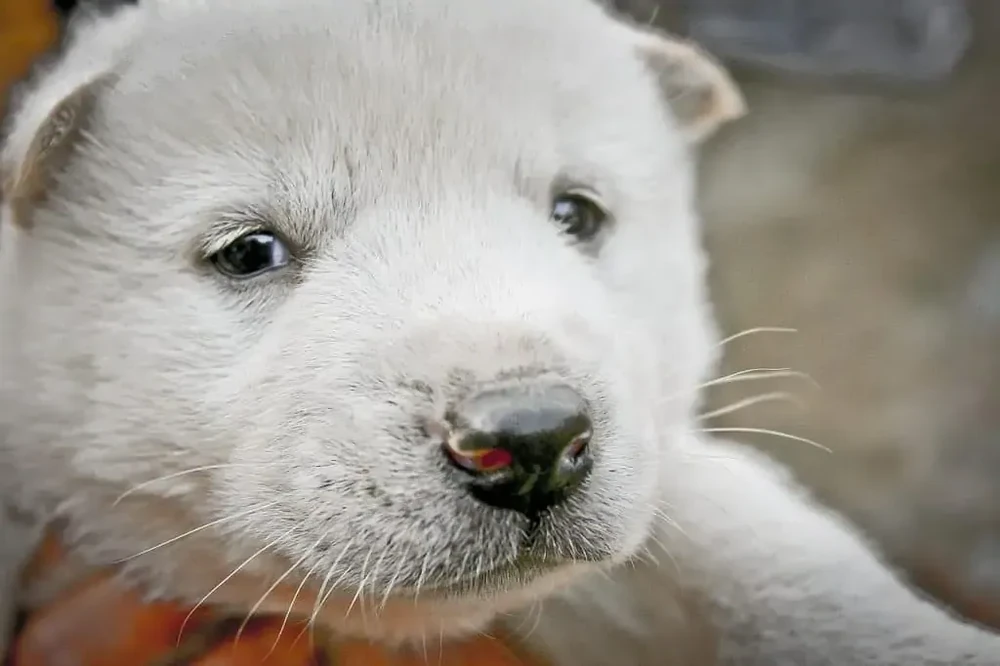
In the United States, the Korean Jindo Dog has been listed in the American Kennel Club’s Foundation Stock Service (FSS), which is a recording system for breeds that are not yet fully recognised in the regular AKC breed groups. The Jindo entered the AKC FSS in January 2008, and it can also appear in AKC materials under the name Korean Jindo Dog.8, 9
This matters mainly if you are navigating registrations, conformation pathways, or certain competition eligibility. For everyday owners, it is more important to focus on ethical breeding practices, health screening, and whether the dog’s temperament and needs match your home.
Closing thoughts: choosing the right match
The best Jindo homes tend to be ones that appreciate a dog with opinions, a dog that watches before it acts, and a dog that bonds deeply without needing to be the centre of every social interaction. When their needs are met, many Jindos are steady, clean, and surprisingly understated companions.
If you are drawn to the breed, try to spend time with adult Jindos, not just puppies. Talk to breeders or rescue groups about what they see in adolescence, how the dogs handle strangers, and what daily life looks like when the “cute puppy” phase is long gone. A good match is not about perfection. It is about fit, and the Jindo is a breed where fit makes all the difference.
References
- Wikipedia: Natural Monuments (South Korea) (includes Jindo Dog listing)
- Fédération Cynologique Internationale (FCI) Standard No. 334: Korea Jindo Dog (summary page)
- The Kennel Club (UK): Korean Jindo breed standard
- RSPCA Australia Knowledgebase: Reward-based dog training and why the RSPCA supports it
- RSPCA Australia Knowledgebase: Training recommendations (reward-based, avoid aversives)
- Cornell University: Hip dysplasia in dogs
- Merck Veterinary Manual (Pet Owner Version): Disorders of the thyroid gland in dogs
- American Kennel Club: FSS and Miscellaneous Breeds broken out by group (includes Korean Jindo Dog)
- Korean Jindo Dog Association of America: The Jindo and the AKC (FSS acceptance date and background)