

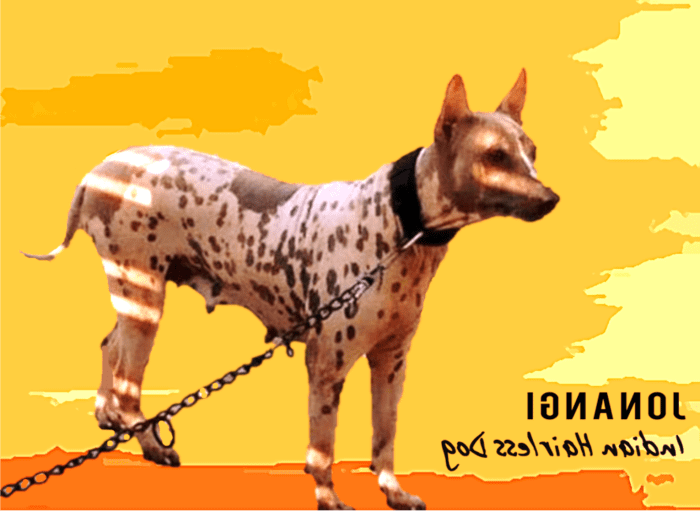
People usually come across the Jonangi by accident: a short clip of a dog steering ducks with quiet precision, a mention of an “Indian yodelling dog”, or a photo where the face looks almost sculpted, with a wrinkled forehead and upright ears. It can feel like you have stumbled onto a breed everyone else somehow knows about.
What tends to surprise first time readers is how practical the Jonangi’s story is. This is not a modern “designer” breed with a neat paper trail. It is a working dog shaped by place, water, heat, and the everyday needs of coastal communities. Some of the details online vary (including size ranges and lifespan), so it helps to hold the facts lightly and focus on what multiple sources agree on.
If you are considering life with a Jonangi, or you are simply trying to understand what you are seeing, the important questions are quite grounded: what were they bred to do, what do they need day to day, and what kind of home lets their instincts settle rather than spill over into problem behaviour.
History and origin
The Jonangi (also called Jonangi Jagilam or Kolleti Jagilam) is an indigenous dog from South India, most strongly associated with Andhra Pradesh and the eastern coastal belt.1 The breed is often linked with areas around Kolleru Lake, where dogs were used in and around wetland farming systems.1
Traditionally, Jonangis were valued as multi purpose working dogs: herding ducks, helping with hunting, and acting as watchful property guardians.1 Their duck herding role is mentioned again and again in breed accounts, and it makes sense when you picture a dog that can move confidently through muddy edges and shallow water, then switch to patrolling a boundary line.
They are not recognised by major international kennel clubs, and their numbers are thought to have declined as rural work changed (including shifts away from duck herding in some regions).1, 2 That “rarity” is part of their mystique, but it also means there can be less consistency in how they are described, and fewer predictable pathways for finding well raised puppies.
What a Jonangi looks like in real life
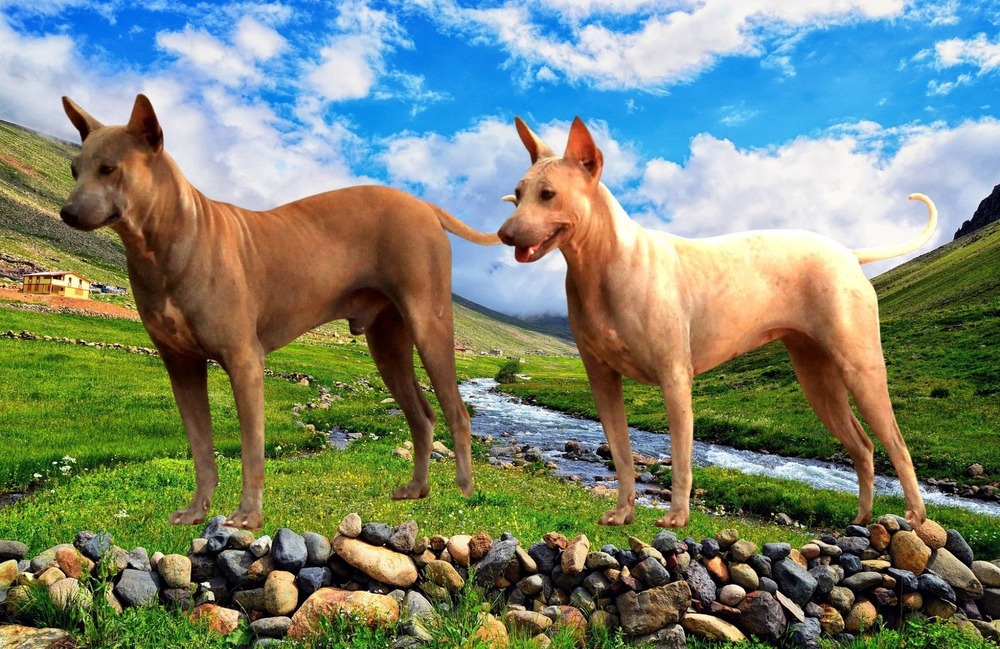
Most descriptions agree the Jonangi is a medium sized dog with a short, dense coat and an athletic, capable build.1 Reported size ranges vary across sources, but you will commonly see adults described somewhere around the high teens to low twenties in inches at the shoulder, with weight often described in the tens of kilos rather than single digits.1, 3
Coat colours reported include white, black, brown, grey, brindle, and combinations (such as white with darker markings).1 The ears are typically upright, the coat is sleek, and many dogs show a distinctive forehead crease that gives them a focused, “reading the room” look.
One of the most repeated breed notes is their unusual vocalisation. Some Jonangis make a yodel like sound rather than a classic repetitive bark, although any individual dog can be more or less vocal depending on genetics, environment, and what has been reinforced at home.1, 4
Temperament and behaviour patterns

When people describe Jonangis as loyal and alert, what they often mean is that these dogs tend to track their household closely and notice changes quickly. In a working context, that makes sense. A dog that can shift from moving ducks to scanning for threats needs a brain that stays “on”.1
Many accounts also describe them as somewhat independent or reserved with strangers.3 That can be perfectly manageable, even desirable, if it is paired with thoughtful socialisation and clear routines. Without that support, the same trait can show up as watchfulness that tips into overreacting at visitors or movement outside the fence.
They are often presented as good family dogs when raised with children and handled respectfully, but it is worth remembering that working breeds can be fast, physical, and mouthy during play. For households with kids, success usually comes from supervision, teaching children to give space, and providing the dog with enough structured activity that they are not inventing their own job indoors.
Training, socialisation, and exercise
Jonangis are typically described as intelligent and capable learners, but not necessarily “automatic obedience” dogs. A common pattern in independent working breeds is that they learn quickly, then decide whether repetition is worth their time. That is not stubbornness so much as a dog whose brain was shaped to problem solve.
For that reason, reward based training is a particularly good match: it builds motivation, keeps arousal lower, and helps you teach alternative behaviours rather than simply suppressing unwanted ones.5, 6 Aversive methods carry welfare risks and can damage the dog human bond, and veterinary behaviour guidance recommends avoiding them in favour of reward based approaches.6
Socialisation matters, but “more” is not always better. The goal is steady, positive exposure to people, places, surfaces, and sounds, with enough distance that the pup can stay curious rather than overwhelmed. That is how you get an adult dog that can assess novelty and recover, instead of escalating.
Exercise needs are usually described as high. Practically, this tends to mean a combination of:
- Daily movement such as brisk walks, controlled off lead time where safe, or play in a secure area
- Brain work such as scent games, food puzzles, and short training sessions
- Purposeful outlets for natural instincts (for example, structured fetch, recall games, or boundary games rather than free for all chasing)
If you live in an apartment or a dense neighbourhood, it is not automatically impossible, but it does raise the bar. You would need excellent noise management, calm settling skills, and a realistic plan for exercise that does not rely on “a quick lap around the block”.
Health and lifespan
Because the Jonangi is not widely standardised through large kennel club systems, there is less consolidated health data than you would see for common registered breeds. Many sources describe them as generally hardy, but that should not be confused with “no health issues”.3
Reported lifespan varies across references. You will commonly see estimates in the low to mid teens, with some sources citing around 10 to 14 years, and others extending a little higher.3, 7 The honest takeaway is that individual care, body condition, parasite control, and injury prevention will matter at least as much as any single published number.
Potential issues mentioned in breed overviews include ear infections and skin allergies, along with the broader set of problems that can affect many medium sized, active dogs over time (such as joint wear).7 The most useful “preventative” steps are not exotic:
- Routine veterinary care and parasite prevention
- Maintaining a lean body condition (extra weight quietly worsens joint stress)
- Regular ear checks, especially if the dog swims or spends time in wet areas
Grooming and day to day maintenance
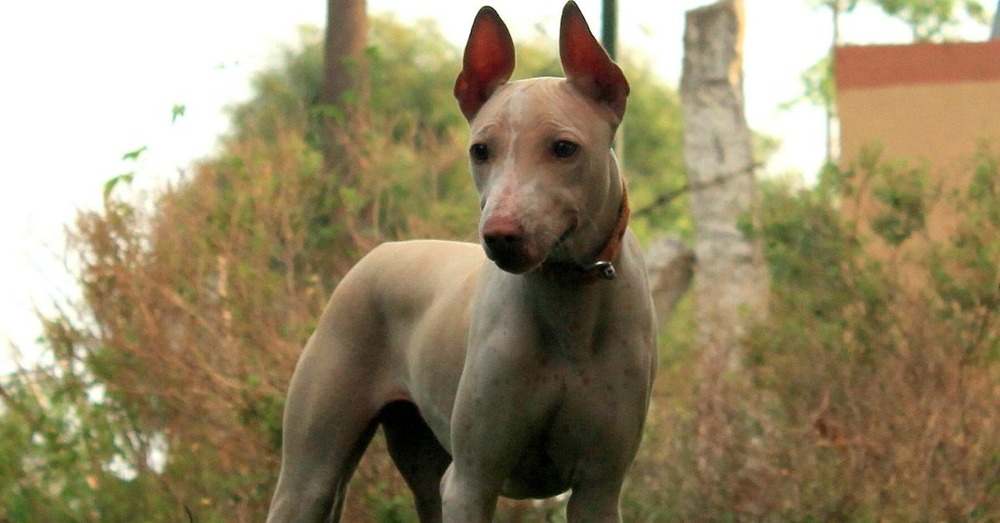
The Jonangi’s coat is usually described as short and low maintenance. A weekly brush is often enough to remove loose hair and dust, and it doubles as a quiet body check for lumps, scratches, or skin irritation.
What tends to matter more than coat care is the practical stuff: nails kept at a comfortable length, ears checked regularly, and teeth cared for early so it never becomes a wrestling match. Dental disease is extremely common in dogs, and home care makes a meaningful difference over a lifetime.8
Diet and feeding, keeping energy steady
Active dogs do best when food supports stable energy rather than spikes and crashes. There is no single perfect diet for every Jonangi, but the principles are familiar: choose a complete and balanced diet that suits the dog’s life stage, monitor weight and stool quality, and adjust portions to match activity.
It can help to feed in ways that create calm focus. Some dogs do well when part of the daily ration is used for training and enrichment, which turns feeding into work and slows down fast eaters. If you are changing foods, do it gradually to reduce the risk of stomach upset.
If you are unsure about protein levels, supplements, or raw feeding, a vet is the safest first port of call. Nutrition advice online can be confident and contradictory, and it is not always grounded in evidence.
Choosing a Jonangi, and choosing wisely
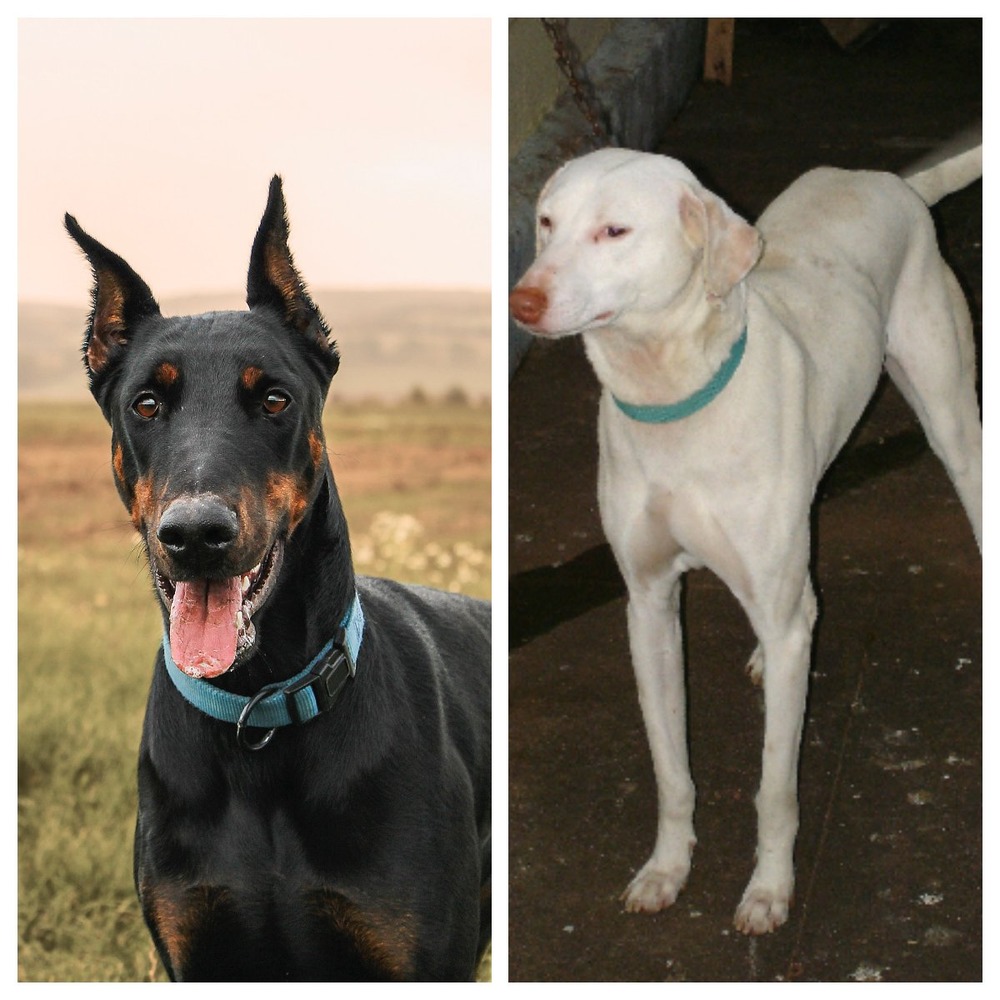
Because Jonangis are relatively rare outside India, the biggest risk for an interested owner is not the breed itself, but poor sourcing: unclear lineage, weak early socialisation, and sellers who cannot describe temperament beyond a few flattering words.
If you are looking for one, ask practical questions that reveal how the puppy is being raised. Where do the pups sleep, what noises have they heard, how are they handled, and what are the adults like around strangers. A thoughtful breeder or caretaker will answer in detail, and they will be comfortable discussing the realities of living with an alert working dog.
And if your interest is mainly in the Jonangi’s look or the “yodel” reputation, it is worth pausing. Those traits can be delightful, but the daily experience is shaped far more by exercise needs, boundaries, and the dog’s ability to settle.
Final thoughts
The Jonangi makes the most sense when you see it as a practical dog from a practical place. Their reputation for duck herding, alertness, and distinctive vocalising fits a life built around watching, moving, and responding to the environment.1, 4
In the right home, with reward based training and enough meaningful activity, a Jonangi can be a steady, engaging companion. The question is not whether the breed is “special”. It is whether your routine gives that working mind something sensible to do, then enough quiet to properly rest.
References
- Wikipedia: Jonangi
- Hindustan Times: Desi mutts
- Wagr Petcare: Breed At A Glance, Jonangi
- National Purebred Dog Day: Asia’s Only Yodeling Herder
- RSPCA Knowledgebase: What is reward-based dog training and why does the RSPCA support it?
- American Veterinary Society of Animal Behavior: Position Statements (including Humane Dog Training)
- Dogster: Jonangi Dog Breed Info
- The Washington Post: Ask a Vet, do I really need to brush my dog’s teeth?