

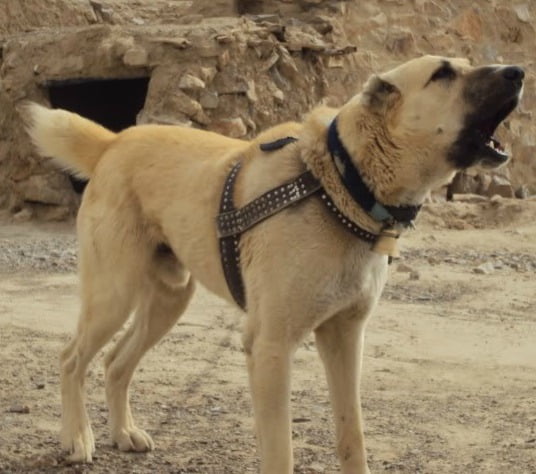
You might come across the Kuchi Dog after seeing a big, weatherproof-looking guardian dog in a video from Afghanistan, or after hearing someone call a dog an “Afghan Shepherd” and wondering if that is a recognised breed. Sometimes it is simpler than that. You have met a dog with a serious watchful presence, strong instincts around boundaries, and a way of deciding for itself what matters, and you are trying to put a name to it.
The Kuchi is not a polished “pet breed” in the way many kennel-club lines are. It is best understood as a livestock guardian type shaped by generations of practical work with nomadic communities. That background matters, because it helps explain why some Kuchi Dogs settle beautifully with the right home and handling, while others struggle in suburban life where their job never really arrives.
If you are considering living with one, or you already share your space with a Kuchi cross, the useful questions tend to be very practical. What were they bred to do. How do you meet their need for purpose, space, and calm structure. And how do you keep everyone safe, including the dog, when their guarding instincts switch on.
- Breed category: Working, livestock guardian type
- Country of origin: Afghanistan
- Typical height: Large, males often larger than females (size varies)
- Typical weight: Large, substantial build (weight varies)
- Typical lifespan: Often around 10 to 14 years
- Coat: Commonly thick, often double coated
- Exercise needs: Moderate to high, plus mental outlets
- Temperament: Often loyal, protective, independent
- Best suited to: Space, secure fencing, experienced handling
History and origin, what “Kuchi” really points to
“Kuchi Dog” is commonly used for an Afghan livestock guardian associated with the Kuchi people, nomadic pastoralists who moved with their flocks and camps.1 In that context, a good dog needed to do more than look impressive. It had to travel, cope with harsh conditions, and make independent decisions when people were busy with animals and survival.
That history is the reason the Kuchi is often described as vigilant and self-directed. In livestock guardian work, a dog is not waiting for a cue to bark, patrol, or hold ground. It reads the environment, and it acts. In a modern home, those same skills can present as “stubbornness” when the dog is actually doing what it was built to do, scanning, assessing, and taking responsibility.
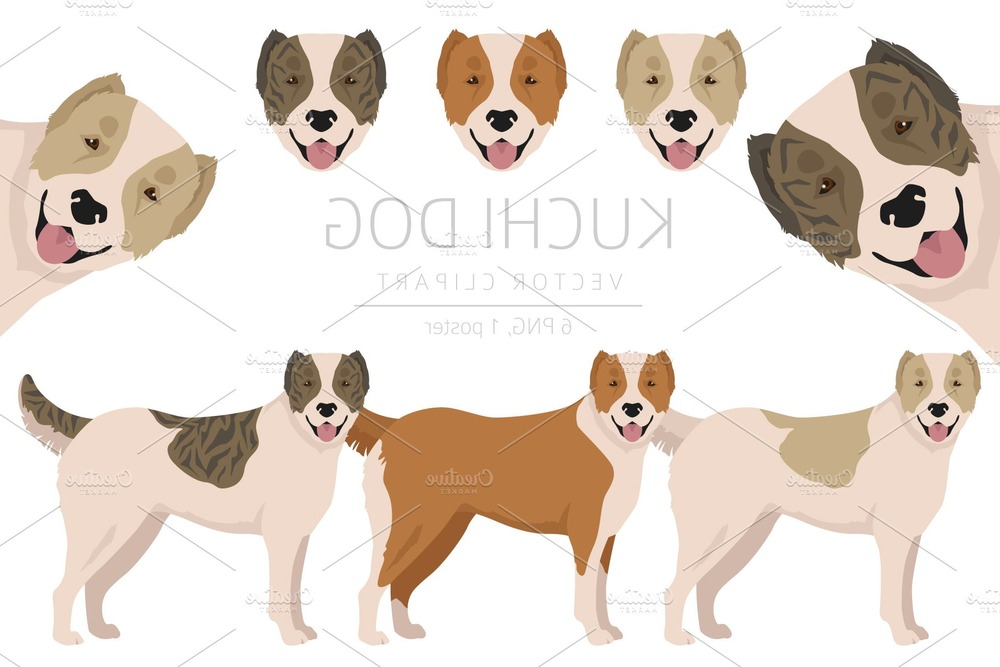
It is also worth knowing that the Kuchi is not always treated as a single standardised pedigree worldwide. In practice, you will see regional variation in size and coat, and sometimes the name is applied broadly to similar Afghan guardian dogs.1
Physical characteristics, built for distance and deterrence
Most Kuchi Dogs are large, athletic guardians with a substantial frame, designed for stamina and presence rather than speed alone. Their body shape and overall size can vary, but the general impression is of a dog that can travel for long stretches and still hold its own when confronted.
Coats are often thick and can be double coated, which helps in colder conditions and offers physical protection. The trade-off is that heat management matters in warm weather, especially for dogs living in Australia where hot days can be intense and prolonged.2, 3
Because many Kuchi Dogs have the deep-chested build common in large guardians, it is sensible to learn the warning signs of gastric dilatation-volvulus (GDV), sometimes called bloat. Deep-chested, large breeds are at higher risk, and it is treated as an emergency.4, 5
Temperament and behaviour, independence is part of the design
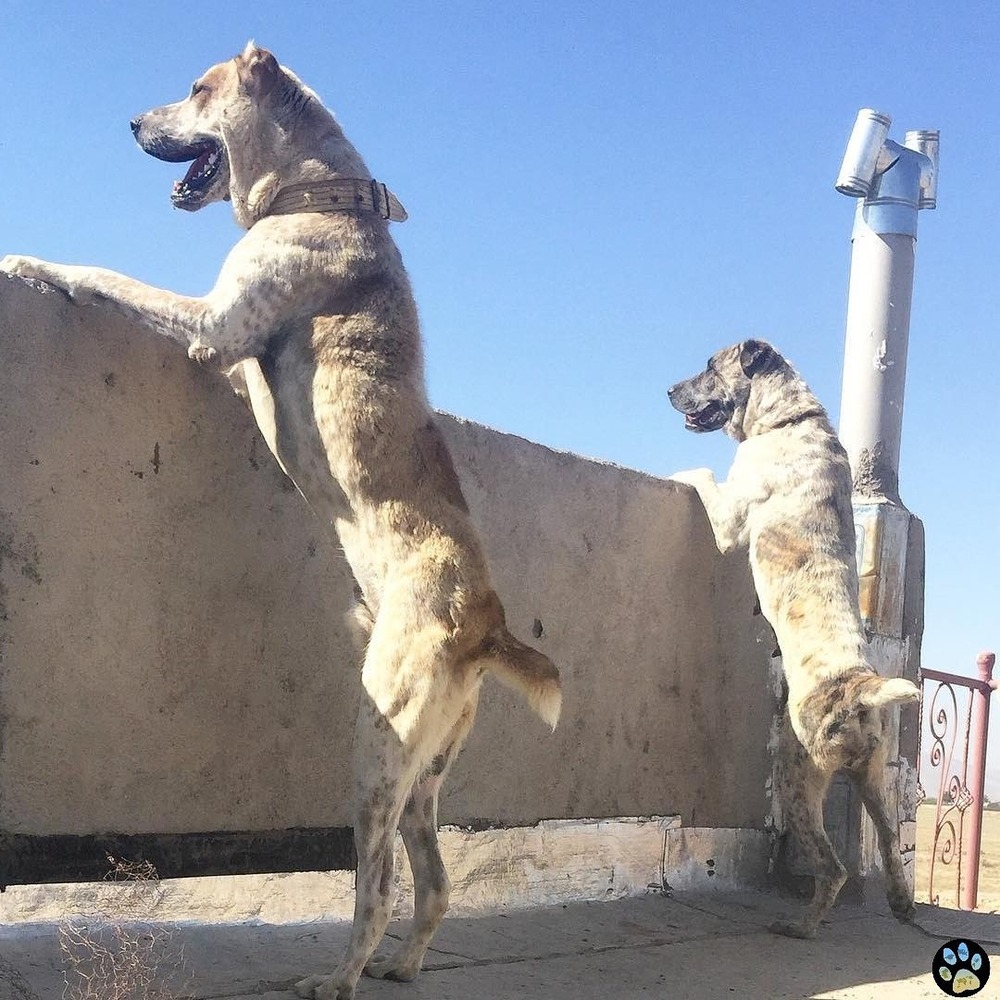
A well-settled Kuchi often shows a calm watchfulness. They may spend long periods observing before deciding whether something needs a response. This can look “quiet” compared with other working breeds, but it is still active behaviour. They are monitoring.
Many are strongly bonded to their people, but it is usually a bond built on trust and predictability rather than constant affection. They tend to do best with owners who respect that they are not a “do anything for a treat” type by default. You often get better results when you focus on clear routines and thoughtful boundaries, not constant drilling.
With children, outcomes depend on the individual dog, early experiences, and the adults’ ability to manage the environment. The safest assumption with any giant guardian is that size alone changes the stakes. Gentle behaviour can still knock a small child over, and a protective response can escalate quickly if a dog misreads noisy play as conflict.
With other animals, early social experiences help, but guardians can still show strong opinions about unfamiliar dogs entering their space. Management, secure fencing, and controlled introductions are not optional extras for this type of dog.
Training and socialisation, getting the foundations right
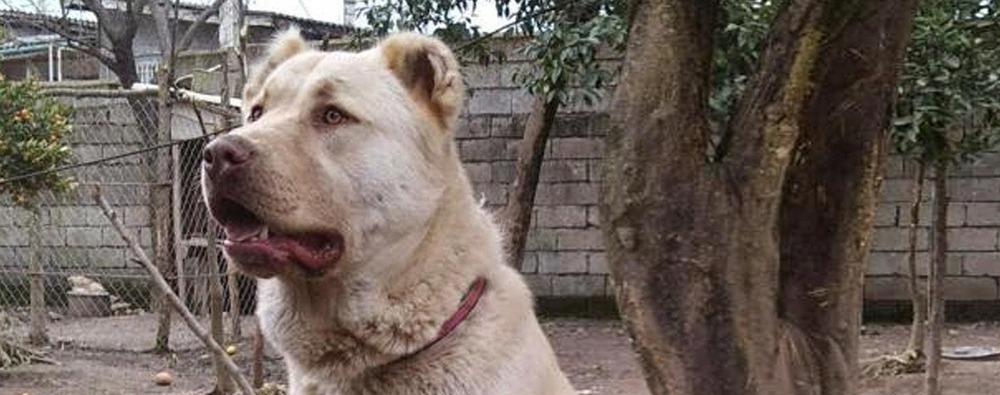
People sometimes talk about “socialising” a guardian dog as if it means meeting everybody and loving it. In practice, you are aiming for something more realistic: the dog learns that everyday life can be predictable and safe, and that it has a handler who will make good decisions.
Puppy socialisation is most time-sensitive in early life, often discussed as a sensitive period around 3 to 14 weeks, but it should be done gently and without flooding a fearful pup.6, 7 For a Kuchi, “good” socialisation often looks like brief, positive exposure to people, surfaces, vehicles, handling, grooming, and calm dogs, then ending the session before the puppy tips into worry.
For training approach, reward-based methods are widely supported in behavioural science and veterinary behaviour circles, particularly because harsh or aversive techniques can increase fear and risk of aggression in some dogs.8 With an independent guardian, a practical goal is cooperation. You want a dog that can be safely handled, recalled in an emergency, and calmly directed, even if it still keeps its own counsel.
- Prioritise safety skills: recall foundations, lead manners, “go to mat”, and calm confinement.
- Keep sessions short and consistent, especially during adolescence.
- Build neutral responses to visitors through distance, barriers, and repetition, not forced greetings.
Exercise and enrichment, more than just a long walk
Many Kuchi Dogs will take physical exercise in stride, but what they often need just as much is a way to use their brain. A big guardian with nothing to do may choose its own jobs, patrolling the fence line, rehearsing barking, or making decisions about who “belongs” in view of the property.
Good outlets are steady and low-drama. Think long sniffy walks, structured yard time, carrying a pack, basic obedience games, and rest training. High-arousal dog parks are often a poor fit, not because the dog is “bad”, but because the environment is unpredictable and can push guarding tendencies into overdrive.
In hot weather, adjust exercise times. Walk early or later in the day, provide shade and cool water, and watch for signs of heat stress, especially in thick-coated dogs.2, 3
Health considerations and lifespan, what to watch in a large guardian
Large dogs tend to share a familiar set of risks. Orthopaedic issues such as hip dysplasia are commonly discussed in big breeds, and keeping a lean body condition is one of the most practical ways owners can support joints over time.
GDV (bloat) is the health issue most worth taking seriously from day one. It can progress quickly, and classic signs include a distended abdomen, repeated unproductive retching, drooling, restlessness, and sudden weakness or collapse.4, 5 If you ever suspect it, treat it as an emergency and go straight to a vet.
Lifespan varies, but many large dogs fall into the broad range of about 10 to 14 years, and the day-to-day basics still matter most: consistent veterinary care, parasite control suited to your region, appropriate exercise, dental care, and nutrition that matches the dog’s workload.
Grooming and coat care, keeping the coat functional
A thick coat is part of the Kuchi’s working equipment. Regular brushing helps remove loose undercoat, reduces matting, and makes it easier to spot skin issues early. Many owners find a weekly groom is a good baseline, with more during seasonal shedding.
In summer, people sometimes assume shaving will help. For double-coated dogs, the picture is more complicated. Fur can play a role in insulation and sun protection, and shaving can increase the risk of sunburn and interfere with normal coat function.9 If your dog is struggling in heat, start with shade, airflow, cool water, and exercise timing, then ask your vet or groomer about the safest coat management for your individual dog.
Diet and feeding, supporting a big body sensibly
Kuchi Dogs tend to do best on a high-quality diet that supports lean muscle and steady energy, without pushing rapid weight gain. The exact choice depends on age, activity, and health, and your vet can help if your dog has ongoing skin, gut, or weight issues.
For GDV risk management, many clinicians advise avoiding a single large daily meal and watching for patterns like very fast eating. Large, deep-chested dogs are over-represented in GDV cases, and feeding practices are one of several factors discussed in the literature.4, 5
A simple, practical aim is steady condition, not maximum size. If you can easily feel ribs under a light layer of tissue and see a waist from above, you are usually in a healthier range than a dog that looks “solid” but is carrying extra weight.
Living with a Kuchi Dog, who they suit best
This is not a breed type that reliably thrives on novelty and busy social life. Many do best with space, secure fencing, and a household that values calm routines. If you live in a dense suburb, think carefully about sightlines to the street, visitor management, and how you will prevent the dog rehearsing territorial behaviour through windows and front fences.
If you already have a Kuchi who is anxious, reactive, or hard to manage, it does not automatically mean you have failed. It often means the dog is doing its best with the instincts it has. Getting help early from a qualified trainer who uses reward-based methods, and involving your vet if fear or aggression is present, can change the trajectory in a very real way.8
Final thoughts
The Kuchi Dog makes more sense when you see it as a working guardian shaped by geography, livestock, and long days on the move, not as a standard “family dog” with a few quirks. In the right home, with space, structure, and careful social exposure, many can be steady companions who take their role seriously and settle into it quietly.
The goal is not to sandpaper away the guarding instinct. It is to live alongside it safely, giving the dog clear guidance about what is and is not their responsibility, and meeting their needs in a way that fits the life you actually live.
References
- Wikipedia: Kuchi dog
- RSPCA Australia: Keeping your pet safe during heat
- Agriculture Victoria: Heat and pets
- MSD Veterinary Manual: Gastric Dilation and Volvulus in Small Animals
- Today's Veterinary Practice: Gastric Dilatation and Volvulus, Stabilization and Surgery
- Purdue University, Canine Welfare Science: Socialization and Early Exposure
- AAHA: Age and behavior (behaviour management guidance on social exposure)
- American Veterinary Society of Animal Behavior: Position Statements (Humane Dog Training)
- FOUR PAWS Australia: Keep your pets safe during extreme heat (coat and shaving considerations)