

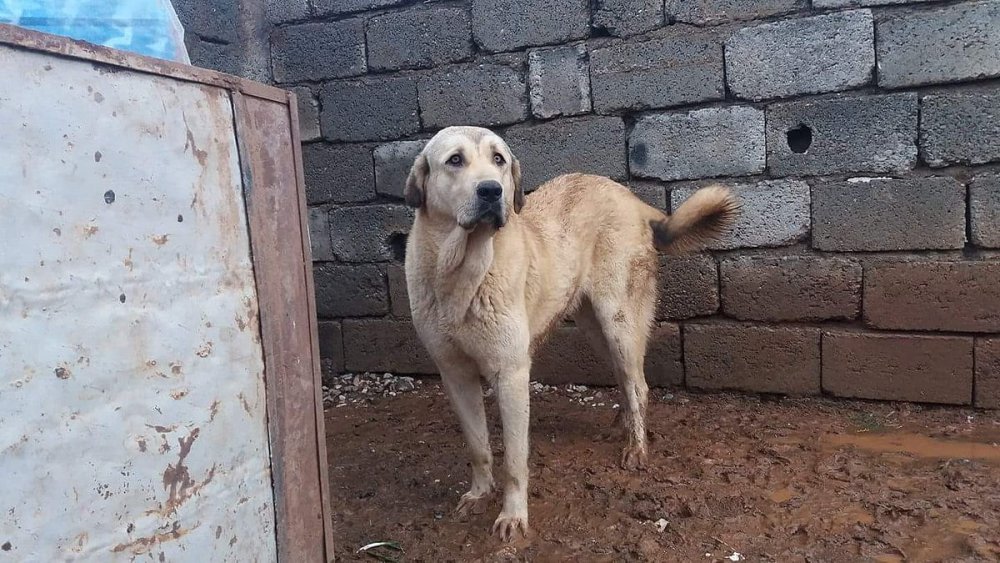
You might come across the term “Kurdish Mastiff” after seeing a photo of a big, short-coated guardian dog, hearing the name “Pshdar dog”, or meeting a livestock guardian type that feels a little different to the better-known mastiff breeds. People often assume “mastiff” means one neat, standardised breed, but in many parts of the world these dogs are still better understood as regional types shaped by work, climate, and the needs of the people who kept them.
That matters in practice, because dogs bred to live alongside flocks and make decisions at a distance do not always slot neatly into suburban expectations. A Kurdish Mastiff can be deeply steady with its own people, yet naturally cautious with strangers, quick to notice movement, and inclined to take guarding seriously even when nobody asked.
If you are considering one, or you already have a young dog that seems protective and independent, it helps to step back and look at the breed’s background, day-to-day needs, and the health risks that tend to come with large, deep-chested working dogs.
- Breed category: Working dog, livestock guardian type
- Also known as: Pshdar dog
- Place of origin: Kurdistan Region (notably the Pshdar area)
- Typical height: Males 75 to 85 cm, females 70 to 80 cm
- Typical weight: Males 50 to 70 kg, females 40 to 60 kg
- Coat: Short, dense
- Common colours: Fawn, brindle, black
- Exercise needs: High, daily movement and purpose matter
- Life expectancy: Often around 10 to 12 years
- Common health concerns: Joint disease (including hip dysplasia), gastric dilatation-volvulus (GDV, bloat)
Origins, early development, and cultural context
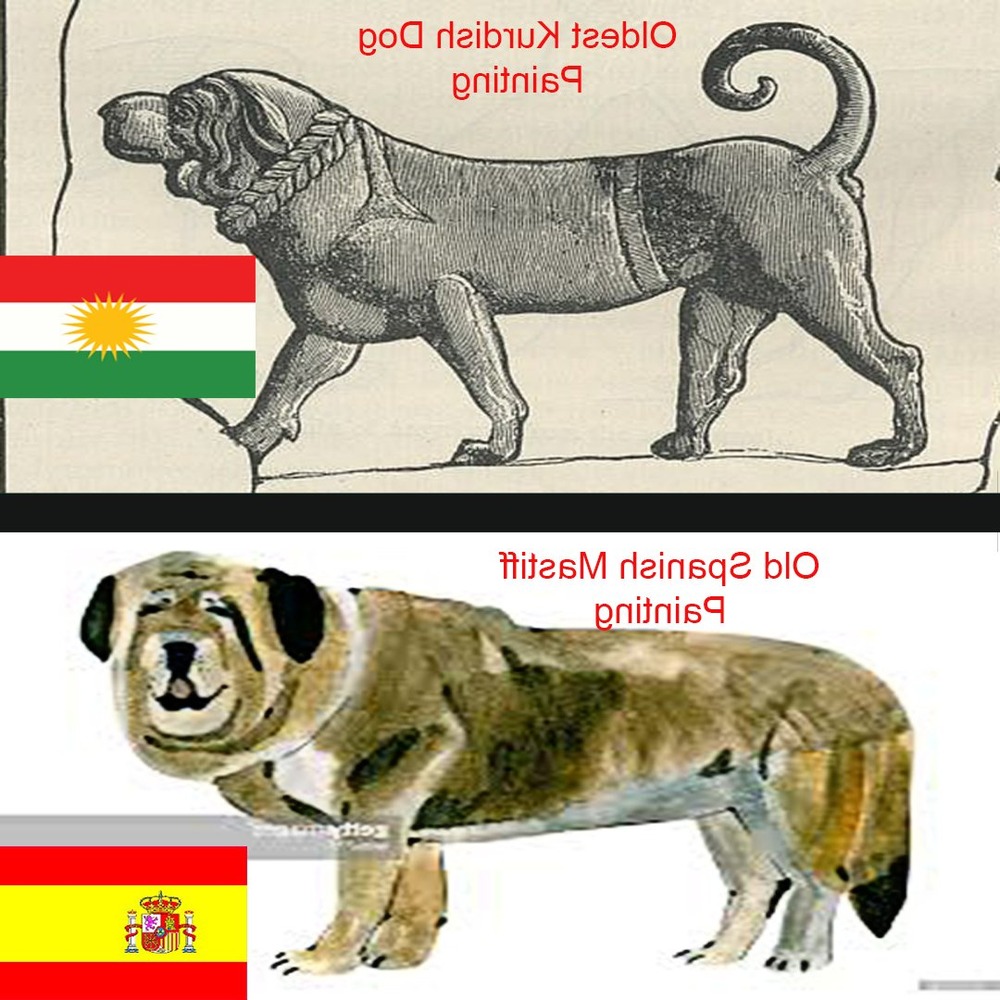
The Kurdish Mastiff is commonly described as a landrace or regional type associated with the mountainous Kurdistan Region of Iraq, and it is also referred to as the Pshdar dog, after an area known for these dogs.1 Historically, dogs of this kind were kept for practical reasons: staying close to people and stock, deterring predators, and providing a physical presence that discourages trouble.
In working contexts, selection tends to favour traits that look “ordinary” on paper but are very real in a paddock. Think: stamina, weather tolerance, steady nerves, and the ability to make choices when nobody is holding a lead. This is part of why owners sometimes describe these dogs as independent. It is not a flaw so much as a feature that needs careful handling.
It is also worth keeping a gentle scepticism about sweeping historical claims. You will sometimes see very ancient origin stories attached to regional guardian dogs. While these may reflect cultural pride and oral history, the most useful takeaway for owners is simpler: this is a serious guardian type with roots in rural working life, not a breed designed primarily for busy public spaces.
What they look like in day-to-day life
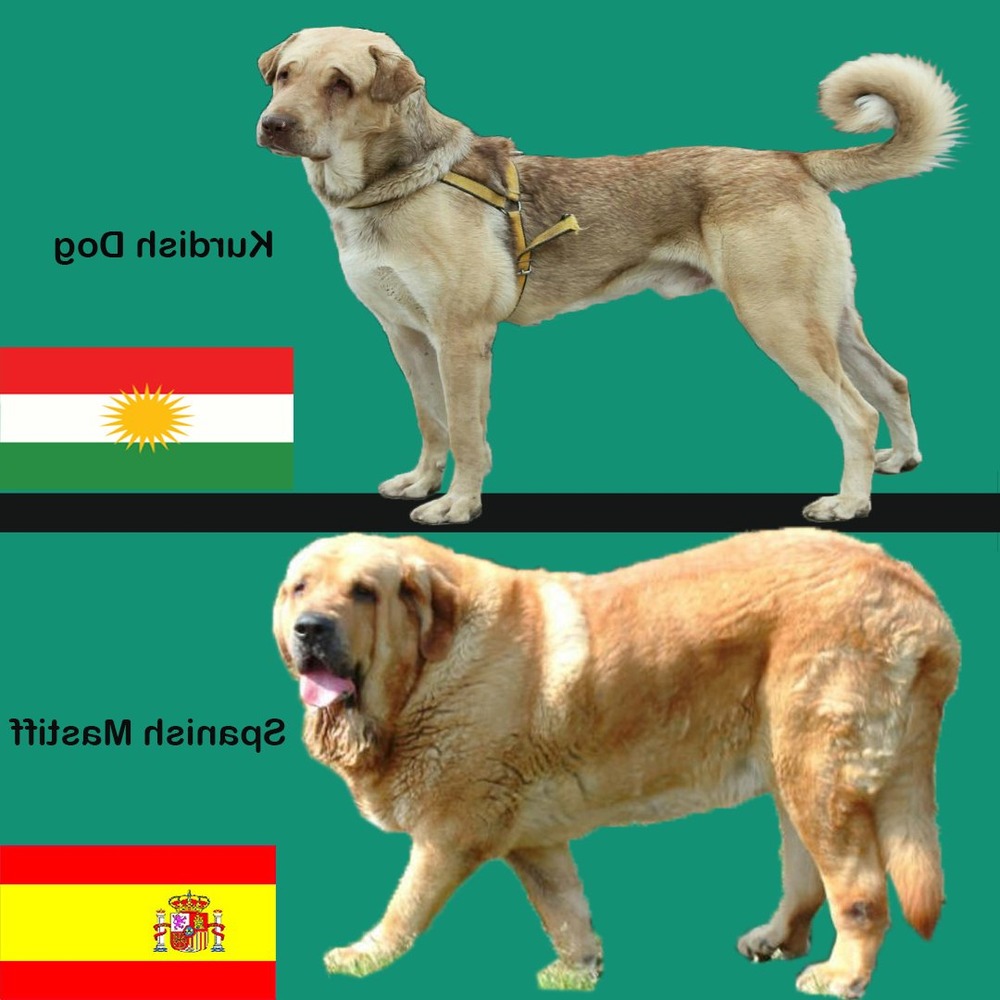
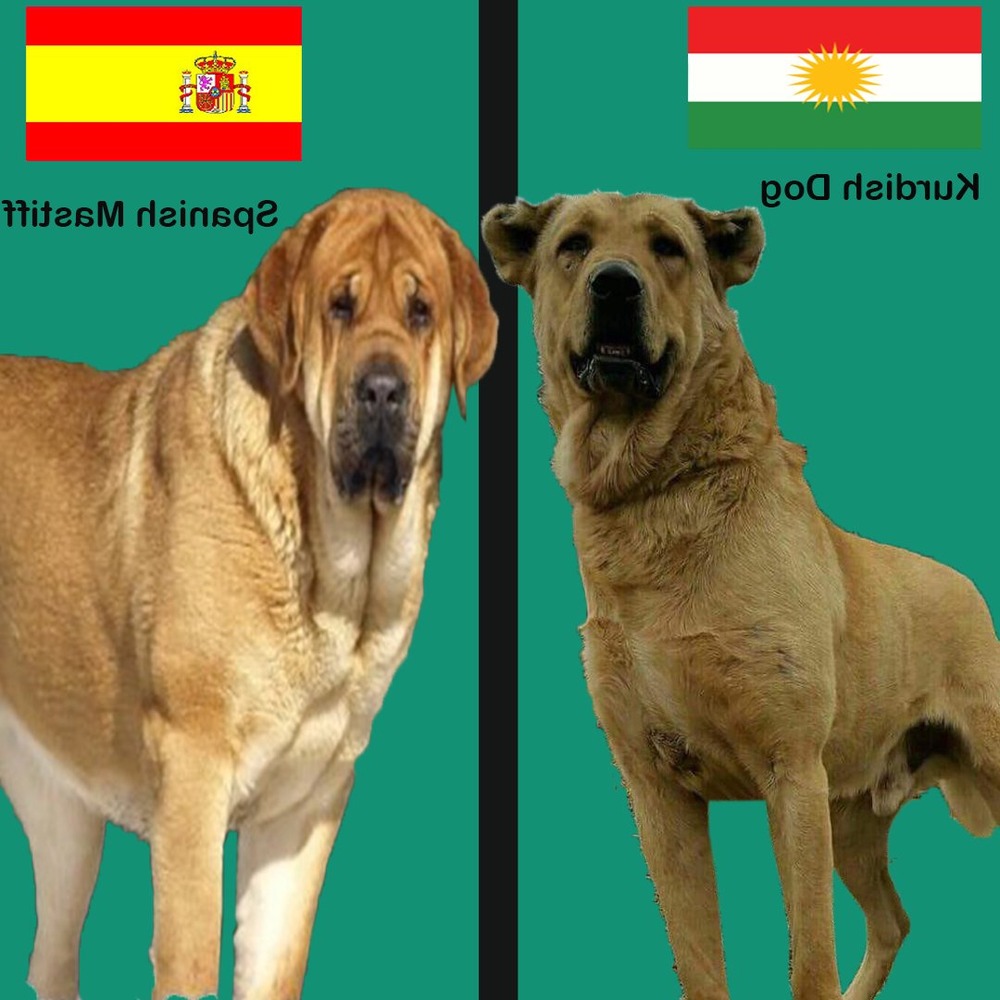
Most Kurdish Mastiffs are large, broad-bodied dogs with substantial bone and a short, dense coat. You will often see descriptions of fawn, brindle, and black, and you may notice a protective “toolkit” in their shape: a strong neck and chest, a balanced stance, and an overall impression of power without fuss.
Because this is commonly discussed as a landrace, you can expect variation in looks and size. That variation is not necessarily a problem, but it does mean buyers should be cautious about anyone promising a perfectly uniform “type” without evidence of sound breeding and stable temperament.
Coat care is usually moderate rather than intense. A short coat still sheds, and it still benefits from routine brushing, especially when seasons change or when the dog spends time outdoors.
Temperament, guarding behaviour, and family fit
The classic profile is loyal to its own people, watchful about what is “normal”, and quick to respond to unfamiliar movement or visitors. Many owners find these dogs settle into a steady rhythm at home, but become more alert at boundaries such as gates, fences, and driveways. That is not the dog being “naughty”, it is the dog doing what it was bred to do.
In a family setting, the main question is not whether the dog can be affectionate. It is whether the household can support clear routines and skilled handling. A large guardian dog that is uncertain, under-socialised, or accidentally taught to practise defensive behaviour can become difficult to live with, even if it is not “aggressive” by nature.
With children, the usual guidance for giant breeds applies: supervision, calm interactions, and teaching kids how to give a big dog space. Good dogs can still knock a toddler over simply by turning around. With other pets, early socialisation and thoughtful management matter, particularly if the dog is inclined to take control of space or resources.
Training and exercise that suits a guardian breed
Training tends to go best when it respects what motivates a livestock guardian type: calm confidence, predictable structure, and a relationship built on trust. Harsh corrections often backfire with independent dogs, and “drilling” can create boredom. Instead, aim for short, regular sessions, with practical skills that make everyday life smoother.
Useful priorities include:
- Loose lead walking with a large-breed harness or well-fitted collar
- Stationing skills (go to mat, settle, place) for visitors and mealtimes
- Calm introductions to people and environments, done gradually
- Reliable recall foundations in low-distraction areas first
Exercise needs are usually described as high, but it is helpful to think beyond kilometres. Many big working dogs do best with a mix of walking, sniffing, basic obedience, and the chance to move their body in a steady, unhurried way. Secure space matters. Apartment living is rarely ideal, not only because of size, but because guarding triggers (hallway noise, lifts, constant strangers) can keep a watchful dog on edge.
Health risks to take seriously (and how to reduce them)
Large and giant breeds often share a predictable set of health concerns. Two that come up repeatedly for deep-chested dogs are orthopaedic disease and gastric dilatation-volvulus (GDV), commonly called bloat. GDV is an emergency. The stomach can distend with gas and, in GDV, twist, which can rapidly become life-threatening.2, 3, 4
Risk reduction is not perfect, but practical steps help. Many veterinary sources recommend feeding multiple smaller meals rather than one large meal, slowing down fast eaters, avoiding raised bowls unless medically required, and keeping strenuous exercise away from mealtimes (often at least two hours after eating).2, 3, 4
For joints, the theme is boring but powerful: keep your dog lean, build fitness gradually, and do not let a growing pup carry excess weight “because he is a big breed”. If you are buying a puppy, ask what health screening is done in the breeding lines, and talk with your vet about growth, diet, and appropriate activity for the dog’s age and frame.
Feeding and nutrition, practical not faddish
These dogs generally do best on a complete and balanced diet that matches life stage (puppy, adult, senior) and body condition. It is easy to get pulled into ingredient-list debates, but labels and marketing do not always tell you what you need to know. The World Small Animal Veterinary Association (WSAVA) provides guidance on choosing a diet based on more meaningful quality indicators than the ingredient list alone.5
Because large, deep-chested dogs can be at higher risk for GDV, feeding style matters as much as food choice. Consider a slow-feeder bowl if your dog gulps meals, and keep post-meal activity calm. For treats, aim for simple options that do not disrupt weight or digestion.
If you share household food, remember that some everyday items are genuinely dangerous. Chocolate toxicity in dogs is linked to theobromine levels, which are higher in dark and baking chocolate, and even small amounts can be a problem depending on the dog’s size and the type eaten.6 Grapes, raisins, and sultanas are also considered toxic to dogs, with the potential for kidney injury, and there is no reliably safe dose.7
Final reflections before you commit
A Kurdish Mastiff can be an impressive companion for the right home. The best matches tend to be people who value a dog that is steady, observant, and capable, and who have the space and routine to support that safely.
If you are drawn to the breed for its protective nature, it helps to think in practical terms: do you have secure fencing, a plan for visitors, and the confidence to train calmly and consistently? When those pieces are in place, the dog’s natural strengths can come through as quiet reliability rather than constant vigilance.
References
- Wikipedia: Kurdish Mastiff
- Cornell University College of Veterinary Medicine: Gastric dilatation volvulus (GDV) or “bloat”
- American Animal Hospital Association (AAHA): Understanding Canine Bloat (GDV)
- Purina Institute: Canine Gastric Dilatation-Volvulus (GDV)
- WSAVA: Global Nutrition Guidelines
- RSPCA Knowledgebase: Why is chocolate toxic to dogs and other animals?
- FOUR PAWS Australia: Dangerous foods for dogs