

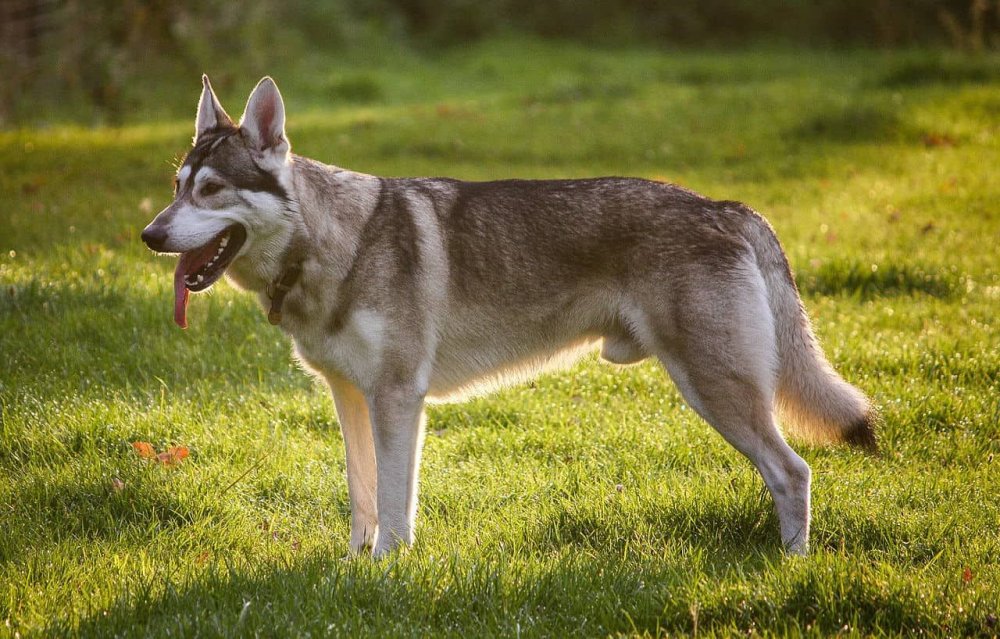
- Breed category: Pastoral and working type
- Place of origin: El Hierro, Canary Islands (Spain)
- Typical height: Around 52 to 54 cm at the withers
- Typical weight: Often around 18 to 22 kg (varies by sex and lines)
- Life expectancy: Commonly 12 to 14 years
- Coat: Short, dense, often thicker in winter
- Shedding: Moderate
- Exercise needs: High, daily movement plus mental work
- Temperament (typical): Loyal, alert, capable, often reserved with strangers
- Best suited to: Active homes with space and confident, reward-based handling
People usually find the Lobito Herreño after noticing a photo that looks a bit too wolf-like to be a pet dog, or after hearing someone mention a rare herding dog from the Canary Islands. It can be hard to tell what is folklore, what is a working-dog reality, and what is simply a regional type that never had the worldwide marketing of more familiar breeds.
It also nudges at a common assumption: that a dog with a primitive look must be part-wolf, or that it will automatically be difficult and unfriendly. In practice, the Lobito Herreño tends to make more sense when you see it as a functional island herding dog, shaped by landscape, livestock, and practical selection, rather than by modern show trends.1, 2
For anyone considering one, or simply trying to understand what makes this dog distinctive, the useful questions are everyday ones. How much exercise is enough. What sort of training actually works. How do you live with a dog that was bred to notice movement, make decisions, and stay alert in open country.
History and origin
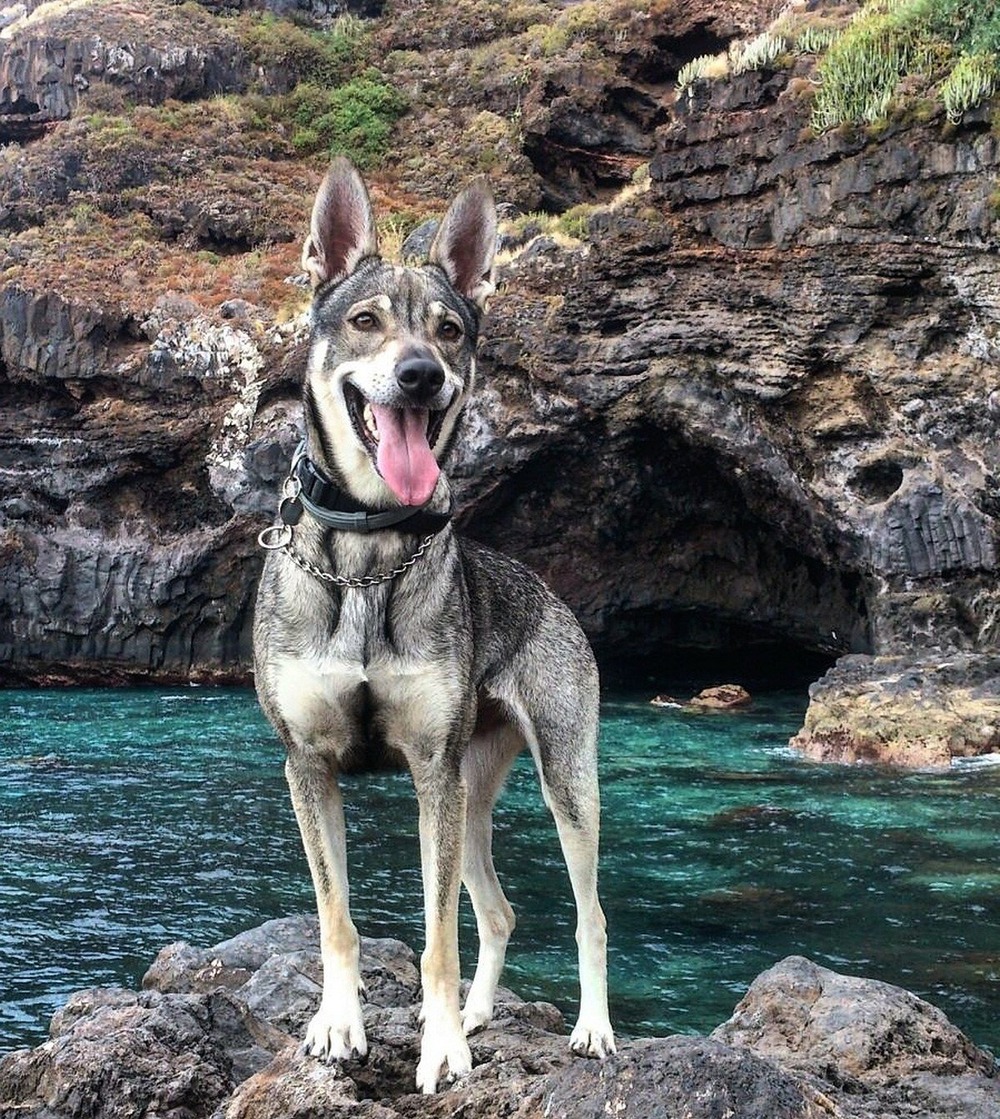
The Lobito Herreño (also called Perro de Pastor Herreño, and sometimes Perro Lobo Herreño) is associated most strongly with El Hierro, the smallest of the main Canary Islands. It is traditionally described as a pastoral helper, used with goats and sheep, and valued for its ability to move across rough ground while staying connected to a handler.1, 2
Its deeper origins are not fully settled, which is common with regional working types. Dogs existed in the Canaries long before modern kennel-club systems, and later waves of movement and trade brought more dogs into the islands. What matters for the modern Lobito Herreño is that the type was maintained because it worked, not because it fitted a show-ring mould.1
Today, it is not widely recognised as an internationally standardised breed. In Spain, the Real Sociedad Canina de España (RSCE) has treated it as a regional canine population (a “grupo étnico canino”), which helps document and conserve local types while formal recognition is still limited or evolving.1
Physical characteristics
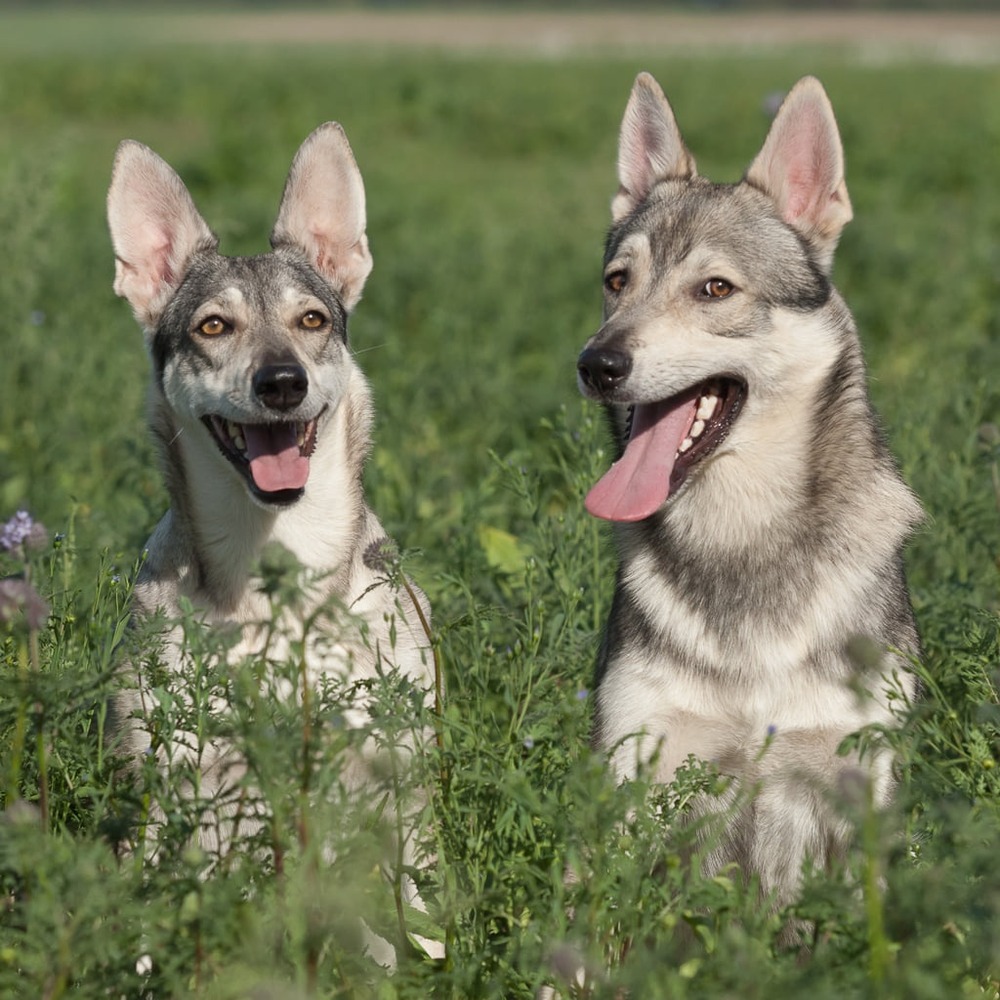
The Lobito Herreño is generally medium-sized, with a lean, athletic outline and an overall “primitive” silhouette. Typical heights are often reported around the low-to-mid 50 cm range, with weights commonly around the high teens to low 20s in kilograms, although any working population can show variation depending on sex, line, and local selection.1, 2
Coats are usually short and dense, sometimes thicker in winter. Colours are frequently described as grey or reddish tones, often with lighter masking around the muzzle and eyes. You may also see lighter coats, including cream or white, depending on how strictly a given group defines the “typical” look.1
Those upright ears and the wolf-like face can stand out, but they are not evidence of wolf ancestry on their own. A more grounded way to read the body is as built for distance and footing, with the kind of balance you expect in dogs developed for daily movement over uneven country.
Temperament and behaviour
If you meet a Lobito Herreño that has had sensible early handling, you will often see a dog that is alert and engaged, with a quick ability to notice changes in the environment. Many pastoral dogs show a blend of closeness with their people and a practical reserve with strangers, which can be helpful on farms and challenging in busy public spaces if it is not managed thoughtfully.1
In a home setting, their strengths tend to show up as good pattern learning and a desire for purposeful activity. Their challenges often look like restlessness, boundary-testing, or bossy movement control (for example, trying to circle kids or other pets) when they are under-exercised or when rules are inconsistent.
With children, the headline is not “good” or “bad”. It is supervision, training, and teaching both dog and child how to share space. With other animals, the outcome depends on early social experiences and ongoing management, especially around small pets that move quickly.
Training and exercise needs
Dogs like this tend to do best when training is woven into daily life, not saved for a weekly session. The aim is steady, repeatable patterns: how to settle, how to come back when called, how to walk past distractions, how to wait at doors and gates.
Reward-based methods are well supported by major welfare organisations because they build clarity without relying on intimidation or pain. For an intelligent, environmentally aware dog, this matters. Harsh corrections can create fallout, including fear responses and conflict behaviours, and they do not teach the dog what to do instead.3, 4
Daily exercise needs to include both movement and thinking. Long, varied walks are useful, but so are scent games, structured recall practice, and simple jobs such as carrying a toy, searching for hidden treats, or learning a settle on a mat.
- Movement: brisk walks, hiking, controlled running where safe
- Skill work: recall games, loose-lead walking, impulse control
- Brain work: sniffing, food puzzles, short shaping sessions
If you live in a more urban setting, the practical question is whether you can provide enough calm structure. Space helps, but routine and management help even more.
Health and lifespan
When a breed is rare outside its home region, the most honest approach is to avoid pretending we have perfect statistics. What we can say is that medium-to-large active dogs, especially those used for work, are commonly screened for orthopaedic issues such as hip dysplasia, and responsible breeders will treat mobility as a priority, not an afterthought.5
Hip dysplasia is influenced by genetics and environment. It is not just “a big dog problem”, and it is not prevented by exercise alone. Screening, sensible growth management in puppies, and maintaining a healthy body condition are the practical levers owners can control.5
Eye issues can also occur across many breeds and types. If you notice cloudiness, squinting, or changes in confidence in dim light, it is worth a prompt veterinary check, as some eye conditions need timely assessment.6
Life expectancy is often described around the early teens for dogs of this size and build, with the usual caveat that diet, weight, and activity make a real difference to comfort in later years.1
Grooming and maintenance
The coat is generally straightforward: short, practical, and designed to cope with weather rather than salon grooming. For most dogs, an occasional brush helps remove loose hair and gives you a chance to check skin, pads, and any little injuries picked up outdoors.
Expect seasonal shedding, even in short coats. A bit more brushing in shedding periods keeps hair under control and can reduce itchiness from trapped undercoat. Baths are best kept occasional, using a gentle dog shampoo, so the coat does not dry out.
Maintenance that matters more than appearance includes nail length, ear checks, and dental care. Working types can be stoic, so it is worth building a habit of calm handling early, so small issues do not become big ones later.
Diet and nutrition
With energetic dogs, it is tempting to feed “for performance” all the time, but the more reliable goal is to feed for body condition. A dog that stays lean and well-muscled is usually easier on its joints, has better heat tolerance, and recovers more comfortably from exercise.
Veterinary nutrition groups emphasise choosing diets that are complete and balanced for the individual dog, and adjusting based on weight trends, life stage, and health needs, rather than chasing marketing claims on ingredients alone.7, 8
If you are considering a home-prepared diet, it is worth doing with professional guidance, as well-meaning recipes can be unbalanced over time. Regular weigh-ins and a simple body-condition check are practical tools that help you notice drift early.8
Living with a rare working type
One of the quieter realities of rare breeds is access. You may have fewer local breeders, fewer vets and trainers who have met the type, and less predictable information online. That does not mean the dog is impossible. It just means you do better when you think in principles, not in stereotypes.
Ask breeders and rescue groups about the parents’ temperament, how puppies were raised, and what they do when a home is not the right fit. Look for evidence of health screening and transparency, and be cautious of anyone selling “wolfdog” mystique in place of practical support.1, 5
If you get the basics right, consistent reward-based training, enough daily work, and a home that respects a dog’s need for structure, the Lobito Herreño tends to look less like a curiosity and more like what it has likely always been: a capable island herding dog that fits best with people who enjoy living alongside a dog with opinions.
References
- Wikipedia: Lobito Herreño
- Wikipedia (ES): Lobito herreño
- RSPCA Australia Knowledgebase: Training recommendations (reward-based, avoid aversives)
- RSPCA Australia Knowledgebase: What is reward-based dog training and why support it
- Australian Minister for Canine Veterinary (AMCV): Hip dysplasia overview
- American College of Veterinary Ophthalmologists: Common eye conditions in dogs
- WSAVA: Global Nutrition Guidelines
- BSAVA: Companion animal nutrition position statement
- Border Collie Museum: Herding dogs of Spain (context on regional herding types)