

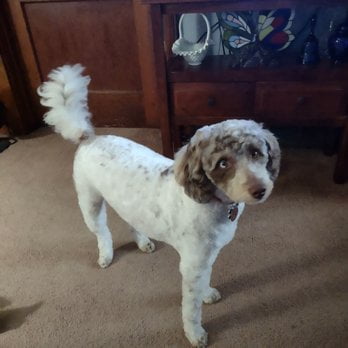
You might first notice it on a walk, your dog is moving a little differently, with the legs on one side stepping forward together. Some people call it a “left right” gait, but in dog terms it is usually called pacing, a normal lateral gait where the fore and hind leg on the same side move in unison.1
Because it can look unusual, pacing is sometimes mistaken for a problem, or (just as unhelpfully) waved away as “just a quirky breed thing”. In practice, it sits somewhere in the middle. Many dogs pace at times because it is smooth and energy-efficient, and some individuals do it more than others.1, 2
Where it matters is context. If a dog has always paced occasionally and seems comfortable, it is often simply part of how they move. If the pacing is new, constant, or paired with stiffness or reluctance to exercise, it is worth checking in with your vet to rule out discomfort or mobility issues.
What people mean by “L-R” dogs
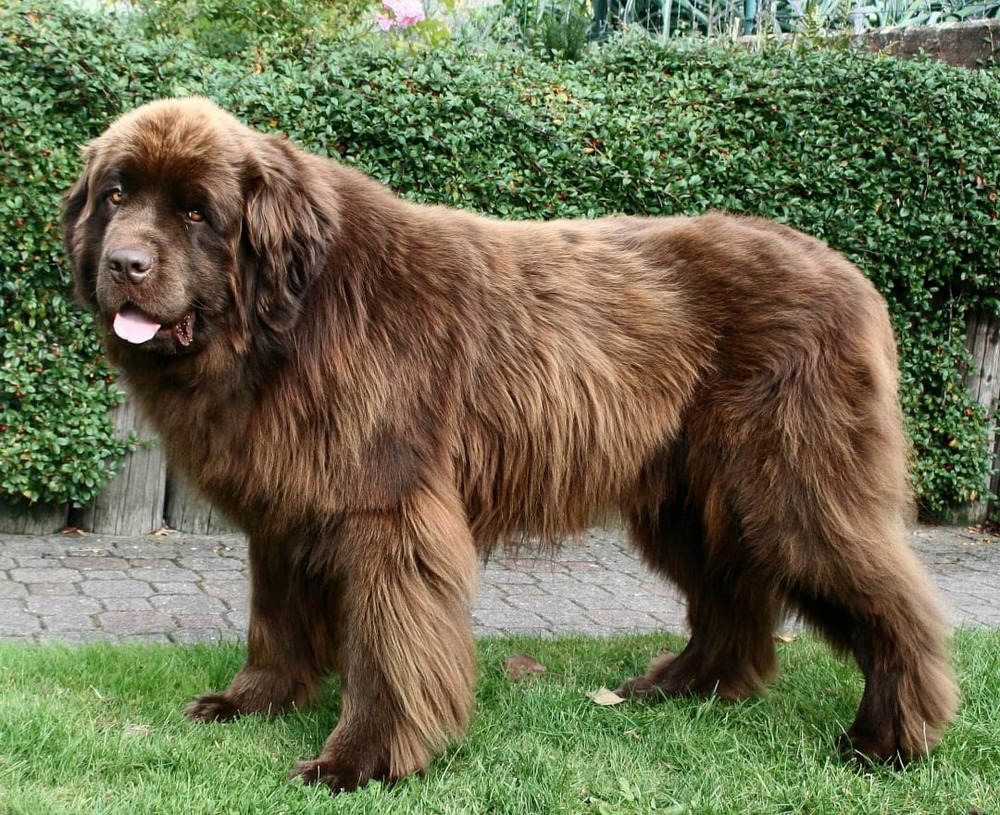
“L-R breed” is not a recognised breed category. Most of the time, people are using it as shorthand for dogs that tend to move in a left-side then right-side pattern, in other words, pacing rather than trotting.
Pacing is defined by the same-side legs moving together (left fore with left hind, then right fore with right hind). It is one of several normal canine gaits, alongside the walk, trot and canter.1, 2
Some dogs pace more when they are young, when they are tired, when they are moving slowly on a lead, or when they are choosing a comfortable, low-effort rhythm. Breed build can influence it too, but it is not exclusive to any one group of dogs.1, 2
Is pacing normal, and when is it a concern?
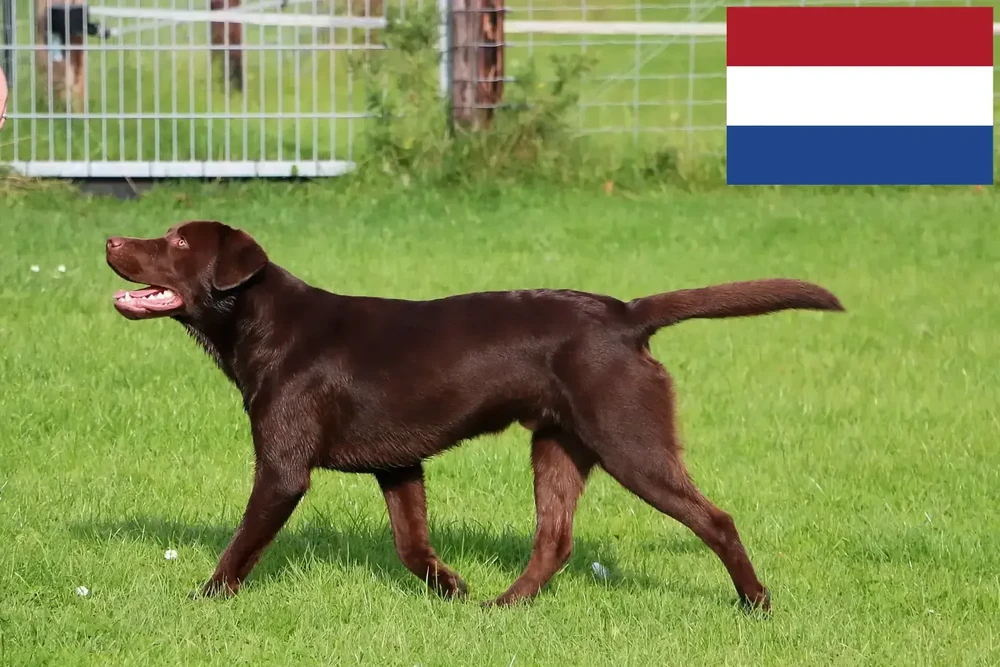
For many dogs, pacing is simply an energy-conserving gait. It can feel smoother than a trot, especially at slower speeds, and some dogs naturally drift into it when walking on lead.2
That said, any change in gait can also be a quiet way a dog shows they are not moving comfortably. It is sensible to book a vet check if you notice any of the following alongside pacing:
- New or sudden onset of pacing in a dog that did not do it before
- Stiffness after rest, limping, bunny-hopping, or reluctance to jump
- Reduced interest in walks, slower pace, or frequent stopping
- Yelping, sensitivity to touch, or changes in posture
If you can, take a short video from the side and from behind, at both a walk and a faster trot. It often helps your vet see what is happening more clearly than a description alone.
Temperament and trainability: what matters more than “type”
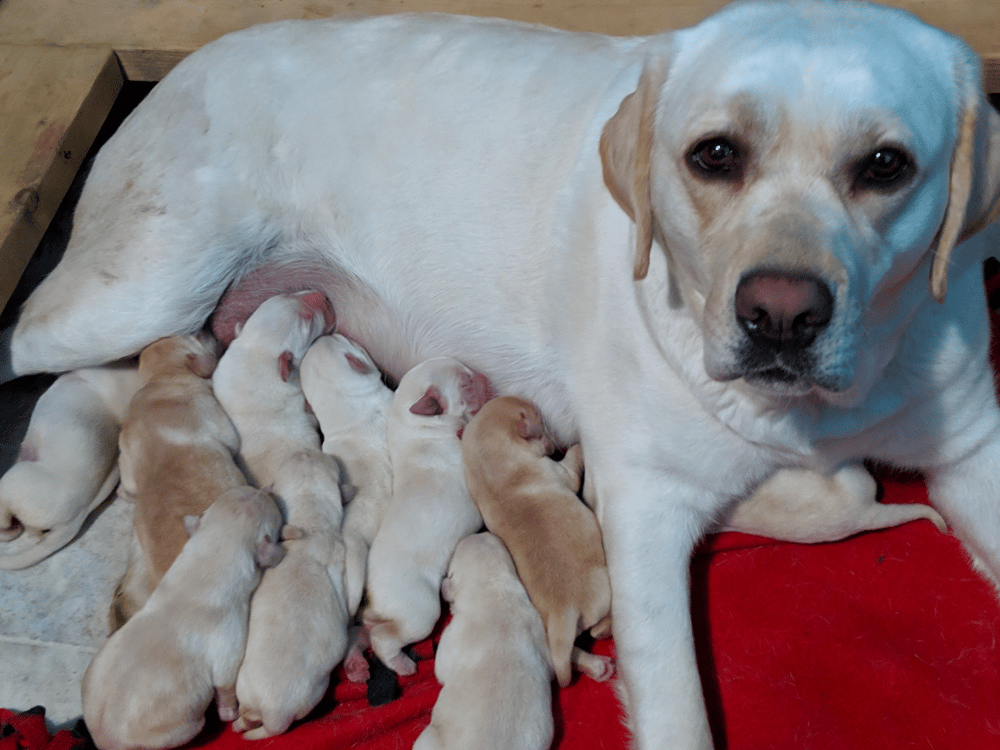
It is tempting to treat gait as a sign of a particular temperament, but movement style does not reliably predict personality. What tends to matter far more is the dog’s individual genetics, early socialisation, day-to-day handling, and whether their needs are met.
If you are choosing a dog, look for a dog who can settle, recover from small surprises, and engage with people without being overwhelmed. Those traits often show up in the little pauses: how the dog responds when you stop moving, whether they can take a treat gently, and how easily they re-focus.
For training, reward-based methods are strongly supported by animal welfare organisations because they build skills without relying on fear or pain, and they are safer for most households than aversive approaches.3, 4, 5
Living with people: strangers, visitors, and the everyday social world
Some dogs are naturally social with visitors, others take longer to warm up, and many fall somewhere in between. A “friendly with strangers” label can be misleading because it ignores context, such as whether the dog is on lead, whether someone is leaning over them, or whether the dog has a safe exit.
If your dog tends to rush up to people, the goal is usually not to suppress the behaviour, but to teach a more workable greeting. Practise calm arrivals, reward four paws on the floor, and give your dog a predictable job, such as going to a mat when the doorbell rings.
Good training is not only about manners. It is also about reducing misunderstandings between dogs and humans in the moments that can otherwise spiral.
Children and dogs: what “good with kids” really means
Many dogs can live beautifully with children, but it rarely happens by luck. It comes from supervision, sensible boundaries, and teaching both parties how to share space safely.
A useful baseline is simple: never leave children alone with any dog, even your own, even if the dog has been gentle in the past.6, 7
It also helps to protect a dog’s downtime. Encourage kids not to approach a dog who is eating, sleeping, unwell, or already holding a valued toy. Build a habit of calling the dog away for rewards instead of allowing children to follow them into corners or onto their bed.6, 8
Exercise and enrichment, meeting the need behind the behaviour
High-energy dogs often get described as “naughty” when they are really under-stimulated. Regular movement matters, but so does the kind of exercise. A slow walk with time to sniff can be more settling than a constant forced march.
RSPCA Australia emphasises that enrichment supports wellbeing, combining physical activity with mental stimulation, and that variety matters because dogs can habituate to the same routine and toys.9
In day-to-day life, that might look like rotating toys, adding simple scent games, short positive training sessions, and letting your dog decompress in a safe, secure space.
Health basics that support an active life
If you are bringing home a puppy, it is worth mapping out the early health plan with your vet. Vaccination schedules vary by region and lifestyle, but modern guidelines commonly frame vaccines as core and risk-based, with puppy series given over multiple visits and adult boosters tailored over time.10
Just as importantly, keep an eye on comfort. When dogs are sore or restricted, they may move differently, play less, or struggle to settle. If your dog’s gait changes, or if pacing comes with stiffness or fatigue, treat it as useful information and get it checked.
Bringing it together
If you came here wondering whether “L-R dogs” are a special breed, the most helpful reframe is this: you are usually seeing a pacing gait, not a distinct type of dog. Pacing can be entirely normal, and it can also be a prompt to look more closely at comfort, fitness, and handling.
Choose the dog in front of you, not the label. Prioritise sound health, thoughtful socialisation, reward-based training, and an everyday routine that meets the dog’s needs. Those are the things that shape a stable companion, regardless of whether they trot, pace, or switch between both.
References
- Wikipedia: Canine gait (pace definition and footfall pattern)
- The Kennel Club: Glossary of canine terms (pacing definition and notes)
- RSPCA Knowledgebase: Training recommendations and why reward-based methods are advised
- RSPCA Knowledgebase: What is reward-based training and why the RSPCA supports it
- IAABC: Standards of Practice (position on aversive methods and shock)
- RSPCA: Keeping children safe around dogs (supervision and safe interaction rules)
- PDSA: Children and dogs (supervision and recognising discomfort)
- RSPCA South Australia: Dog Adoption Handbook, making introductions (what supervision means)
- RSPCA Australia: The importance of enrichment for dogs
- AAHA: 2022 Canine Vaccination Guidelines (core and noncore framework)