

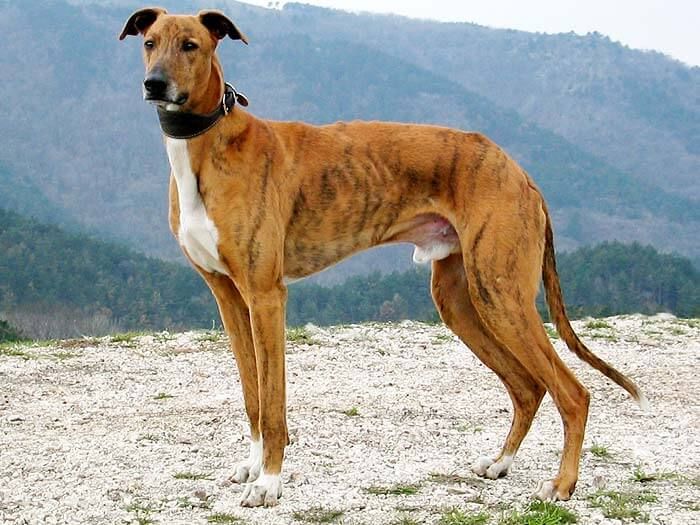
People often come across the Magyar Agár after spotting a lean, leggy dog that looks a bit like a Greyhound, but moves differently, carries more substance through the body, and seems built for lasting effort rather than a short sprint. Sometimes it is a photo from Hungary, a mention in a lure coursing group, or a conversation with someone who keeps sighthounds and quietly says, “They are not all the same.”
It is tempting to assume a sighthound is a sighthound, fast, delicate, a bit aloof, and mostly the same shape with a different name. The Magyar Agár gently challenges that. It is still a sight hunter, but the breed was shaped around practical work, covering ground, coping with weather, and staying steady enough to live alongside people when the day is done.1
For anyone considering life with one, or simply trying to understand what makes this Hungarian breed distinct, the details matter in everyday ways: how much running they really need, what “prey drive” looks like at home, and how to keep a deep-chested athlete healthy across a long life.
At a glance: Magyar Agár basics
- Breed group: Sighthound (FCI Group 10)
- Country of origin: Hungary
- Size: Medium to large, males typically taller than females
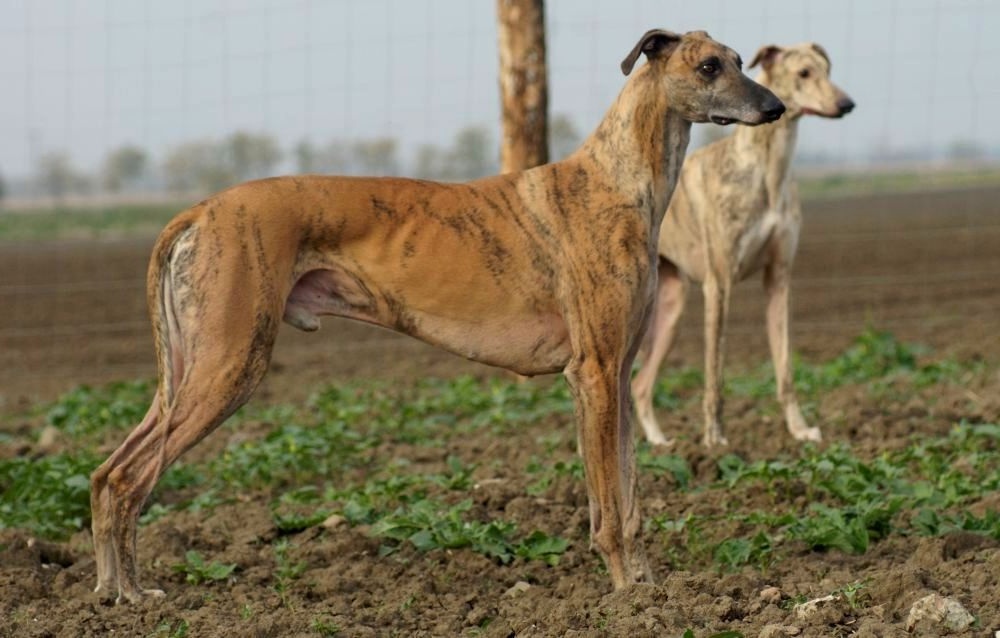
- Coat: Short to medium, close-lying and weather-resistant2
- Energy needs: High, with a strong need for safe running
- Typical lifespan: Often around 12 to 14 years (as a general guide, individuals vary)
- Common themes to plan for: Secure fencing, sensible exercise progression, and careful management around small pets
History and origin
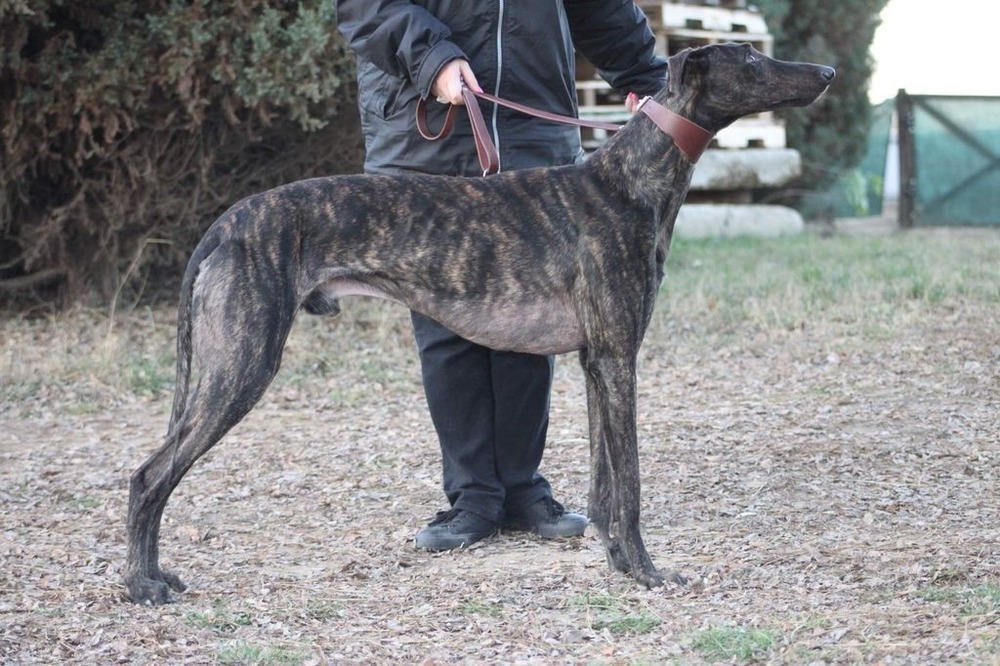
The Magyar Agár is closely tied to Hungary’s hunting traditions and open country. In the FCI standard, the breed is described as a hunting and coursing dog that hunts game primarily by sight, with a nose that is still considered noteworthy, and a particular ability over longer distances.2
One detail worth correcting from many casual summaries is recognition timing. The FCI lists the Magyar Agár (breed number 240) as accepted on a definitive basis on 29 March 1963, not 1966.1
In the 19th century, the breed was influenced by crossings with other sighthounds to increase speed, which helps explain why people sometimes see “Greyhound” in the outline, even though the overall type is distinct.2
Physical characteristics that affect everyday care
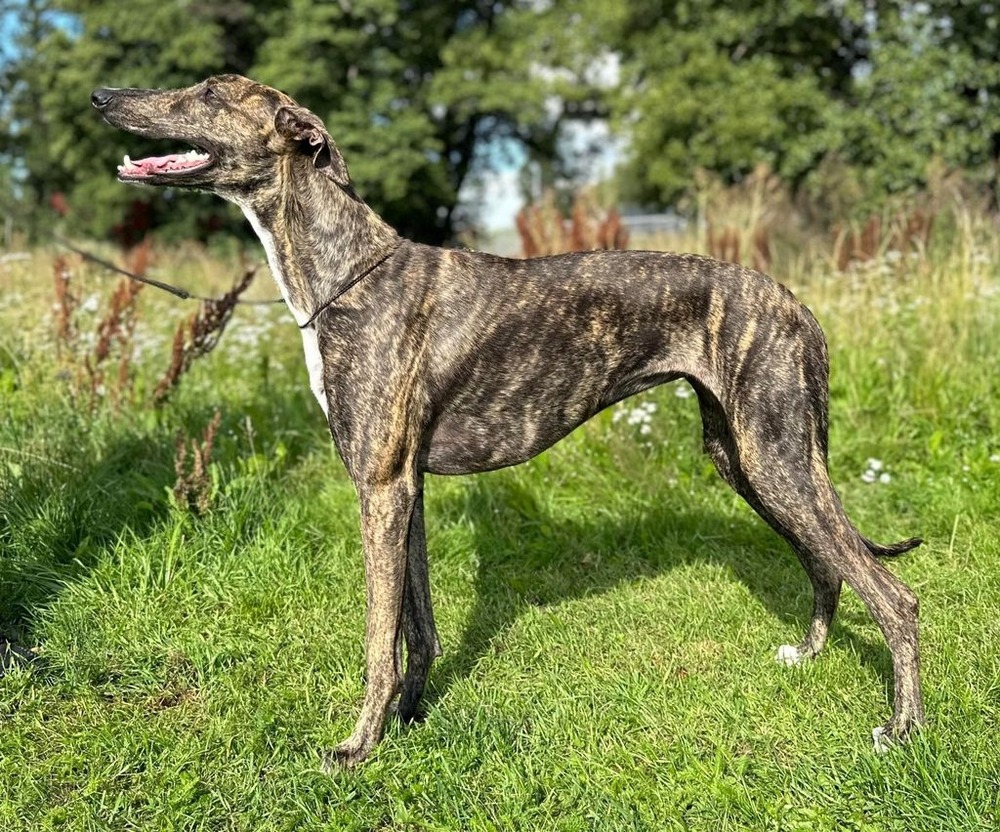
The Magyar Agár is an athletic, robust sighthound with a rectangular outline. In plain terms, they tend to look a little more substantial than many people expect from a sighthound, built to keep going rather than simply explode off the mark.2
The coat is generally short to medium and described as weather-resistant, which is helpful context if you are comparing them to very fine-coated sighthounds. Even so, many individuals will still appreciate warmth in cold or wet conditions, especially when they are resting rather than running.2
As with other deep-chested athletes, it is wise to treat conditioning as a gradual process. Fitness is built over time, and sudden jumps in running volume can show up later as strains, soreness, or reluctance to move freely.
Temperament and behaviour in the home
Well-bred and well-raised Magyar Agárs are commonly described as loyal, intelligent companions who can be calm indoors once their exercise needs are met. Many owners notice a dog that enjoys being near their people, without needing constant interaction.
It also helps to hold two truths at once: they can be steady housemates, and they can still respond quickly to movement outdoors. That is not “bad behaviour” so much as a normal sighthound response to fast-moving stimuli. The practical takeaway is management before training fails, meaning a lead where it matters, secure fencing, and careful setups around wildlife and small animals.2
With children, what usually matters most is the same as with any large, fast dog: calm introductions, supervision, and teaching kids not to grab, chase, or corner a resting dog. Many sighthounds prefer space when they are asleep, and startled wake-ups can lead to defensive reactions in any breed.
Training and exercise needs
Magyar Agárs are often responsive learners, but they tend to do best with training that is calm, consistent, and rewarding. Harsh handling rarely improves reliability, and it can create hesitancy around recall or handling, particularly in sensitive individuals.
Exercise is where expectations need to be realistic. A daily walk is rarely enough on its own for a fit adult. Most dogs benefit from a mix of sniffy, decompressing walks and opportunities to run at speed in a safe area. If you enjoy dog sports, lure coursing and similar activities can suit them well, provided the dog is physically mature and conditioned gradually.2
If you are building a routine, these practical habits usually help:
- Prioritise secure running in fenced areas, rather than off-lead in unfenced parks.
- Keep recall training ongoing, but plan as if you will sometimes lose the battle with sudden movement.
- Support recovery: rest days, warm-up time, and attention to pads and nails.
Health and lifespan
Magyar Agárs are often described as hardy, but no breed is free of risk. Hip dysplasia is mentioned in many breed summaries, and while not every dog will be affected, it is sensible to ask breeders about hip scoring and family history, then keep your own dog lean and well-conditioned across adulthood.3
Eye conditions are also commonly raised as a consideration. If you notice changes such as bumping into objects in dim light, increased cloudiness, persistent redness, or discharge, a veterinary check is worth doing sooner rather than later.
One more general, high-impact health theme for deep-chested, athletic dogs is gastric dilatation-volvulus (GDV), sometimes called bloat. Risk is influenced by a range of factors, and prevention is not as simple as one rule, but it is worth discussing feeding routines and bloat risk with your vet, especially if your dog is a gulper or has close relatives with GDV.4
Grooming and maintenance
The coat is usually straightforward. A weekly brush or grooming mitt tends to be enough for most dogs, along with regular nail care and routine checks of ears, teeth, and skin.
Seasonal shedding can still happen, even in short-coated breeds. A slightly more frequent brush during heavier sheds keeps loose hair under control and gives you a chance to spot minor issues early, like new lumps, sore spots, or parasites.
If your Magyar Agár is sensitive to cold, focus on comfort rather than appearance. A well-fitted coat for winter walks, and a warm resting spot indoors, can make a noticeable difference to stiffness and general ease of movement.
Diet and nutrition
For an athletic sighthound, diet is less about chasing trendy ingredients and more about consistent nutrition that supports lean muscle, joint health, and good digestion. A useful starting point is to choose a complete and balanced diet from a company that can answer clear questions about formulation and quality control, which is in line with the WSAVA Global Nutrition Committee guidance for pet owners evaluating foods.5
Portions are individual. Activity level, age, desexing status, and metabolism all shift what “normal” looks like. In practice, you are aiming for steady body condition, not a particular number on the scale. Your vet can help you set a sensible target and adjust gradually.
If you share food around the house, it is worth being firm on what never makes it to the dog. Common human foods such as chocolate, grapes and raisins, onions and garlic, and xylitol (found in some sugar-free products) can be dangerous to dogs.6, 7
Living with a Magyar Agár: what tends to suit them best
These dogs often thrive with people who enjoy being outdoors and can provide regular, safe opportunities to run. A large backyard helps, but it is not a substitute for structured exercise and enrichment, particularly for young adults who are at their most energetic and inventive.
They are not always ideal for apartment life, not because they cannot settle, but because meeting their needs can be harder when you do not have easy access to secure running areas. If you are committed and have a plan for daily exercise, it can still work, but it tends to be smoother when you have space and routine on your side.
Above all, do not underestimate the value of thoughtful management. Secure fencing, a well-fitted harness, and calm training repetitions are not glamorous, but they are the quiet foundations that let a sighthound feel safe and predictable in a busy human world.
Final thoughts
The Magyar Agár is sometimes called the Hungarian Greyhound, but it is best understood on its own terms: a practical coursing and hunting sighthound built for endurance and partnership, with a home life that can be surprisingly calm when its body and brain are properly met.
If you are drawn to the breed, look for breeders and rescue contacts who talk openly about health screening, temperament, and real-life management, not just speed or appearance. A good match is usually less about finding a “perfect” dog, and more about choosing a lifestyle that supports safe running and steady companionship.
References
- Fédération Cynologique Internationale (FCI): Magyar Agár (No. 240) nomenclature entry
- FCI Breed Standard text (Hungarian Greyhound, Magyar Agár) republished by Kennel Club USA
- American Kennel Club: Hip dysplasia in dogs
- Veterinary Information Network (VIN): Gastric dilatation-volvulus (bloat) overview
- WSAVA: Global Nutrition Guidelines (pet owner tools and food selection guidance)
- Agriculture Victoria: Human foods to avoid for cats and dogs
- RSPCA Pet Insurance Australia: Foods to avoid feeding your dog
- American Veterinary Medical Association (AVMA): Xylitol toxicity in dogs
- MSD Veterinary Manual: Gastric dilatation-volvulus in dogs