

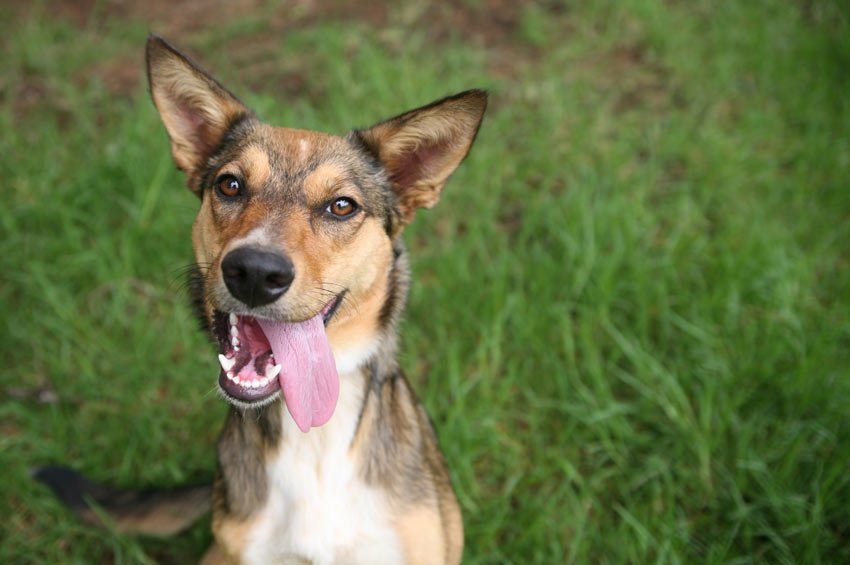
You usually meet the idea of a “mongrel” in a practical moment: at the shelter where the dog’s paperwork says “mixed”, at the park where someone asks “what breed is she?”, or at the vet when a well-meaning friend insists mixed-breed dogs are always healthier. It can feel oddly unsatisfying, as if “mongrel” means “we don’t know”, when what you want is a clearer picture of the dog in front of you.
The more time you spend with mixed-ancestry dogs, the more you notice a pattern. Their looks can be unpredictable, but their needs are not mysterious. They still require steady routines, thoughtful socialisation, good nutrition, and realistic exercise. The difference is that a mongrel’s traits can show up in combinations that do not match any single breed stereotype.
It matters because assumptions, both positive and negative, can lead people astray. A mongrel is not automatically low-maintenance, and they are not automatically “problem free” either. The goal is simply to learn the individual dog, support the behaviours you want, and keep an eye on health risks that apply to all dogs.
- Breed category: Mixed breed
- Country of origin: Worldwide
- Average height: Varies widely, often 30 to 60 cm
- Average weight: Varies widely, often 10 to 30 kg
- Average life span: Commonly around 10 to 15 years (varies by size and health)
- Grooming requirements: Low to moderate
- Exercise requirements: Moderate to high
- Coat type: Varies (often mixed)
- Coat colour variations: Any colour is possible
- Shedding level: Varies
- Temperament: Varies by individual, often adaptable and people-focused
- Training ease: Varies, commonly moderate
- Overall maintenance level: Usually moderate
- Best suited for: Families, singles, active households, and many first-time owners (with support)
The natural development of mongrel dogs
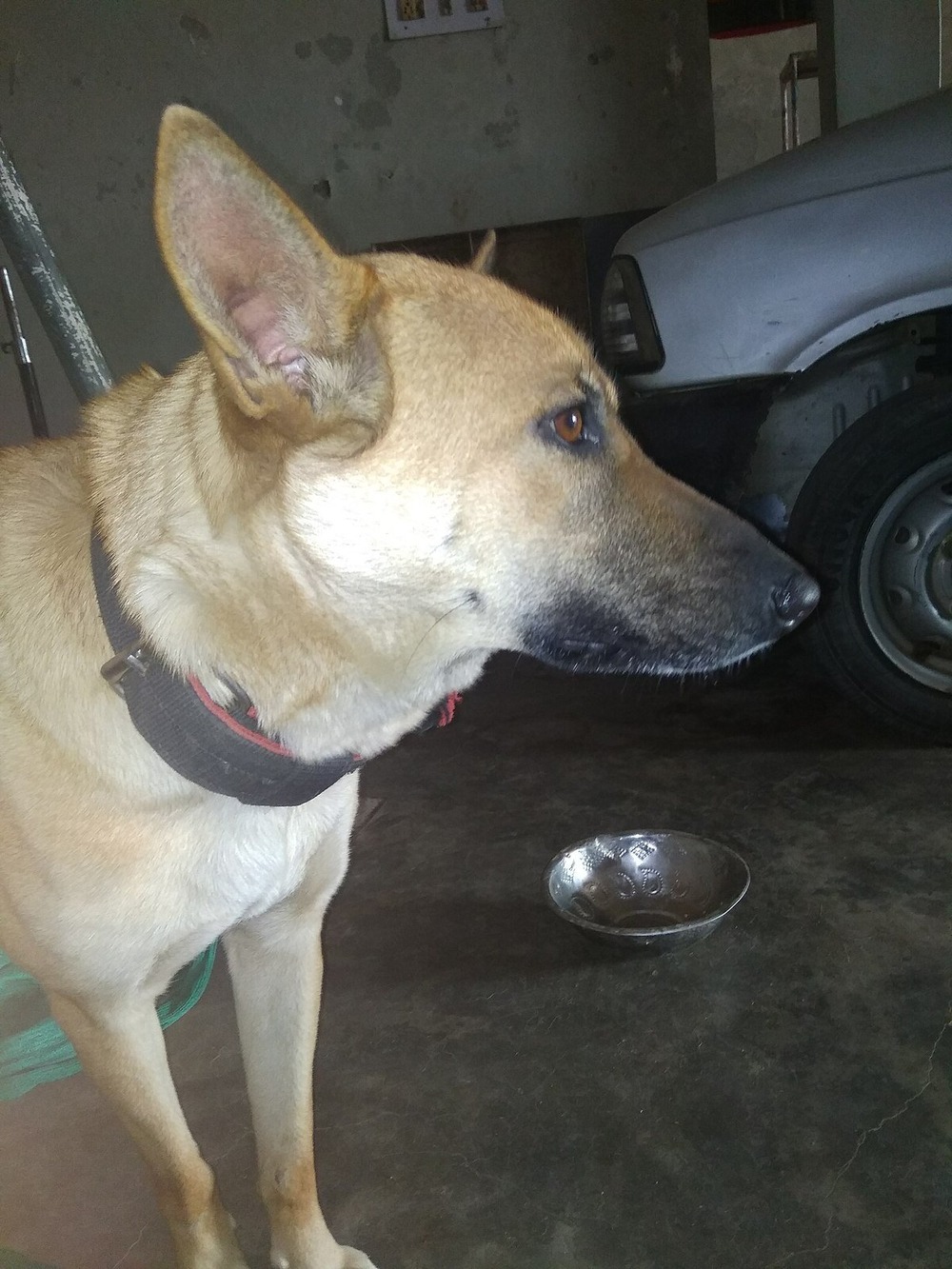
Mongrels are simply dogs with mixed ancestry. Some are the result of many generations of “unplanned” breeding, others are first-generation mixes, and many fall somewhere in between. Over time, dogs have travelled with people, formed free-breeding populations, and mixed whenever circumstances allowed. That is why mongrels exist everywhere, and why their appearance can be so varied.
Role in different communities
In some places, mixed-breed dogs have historically been valued for what they can do rather than how consistently they look. A dog that can cope with heat, dust, long days, or irregular meals may be kept around because they are useful, alert, or simply good company. In other contexts, mongrels have been dismissed as “just a mutt”. Both views miss the point that mixed ancestry is normal in a species that has lived alongside humans for thousands of years.
How perceptions have changed
Modern attitudes are shifting. Many owners now prefer adoption, and many people enjoy the individuality of a dog who does not match a standard template. At the same time, designer crossbreeds can blur the language. Not every “oodle” is the same, and not every mongrel is a first-generation cross. The most reliable approach is to treat breed as a clue, not a guarantee.
What mongrels tend to look like, and why it varies
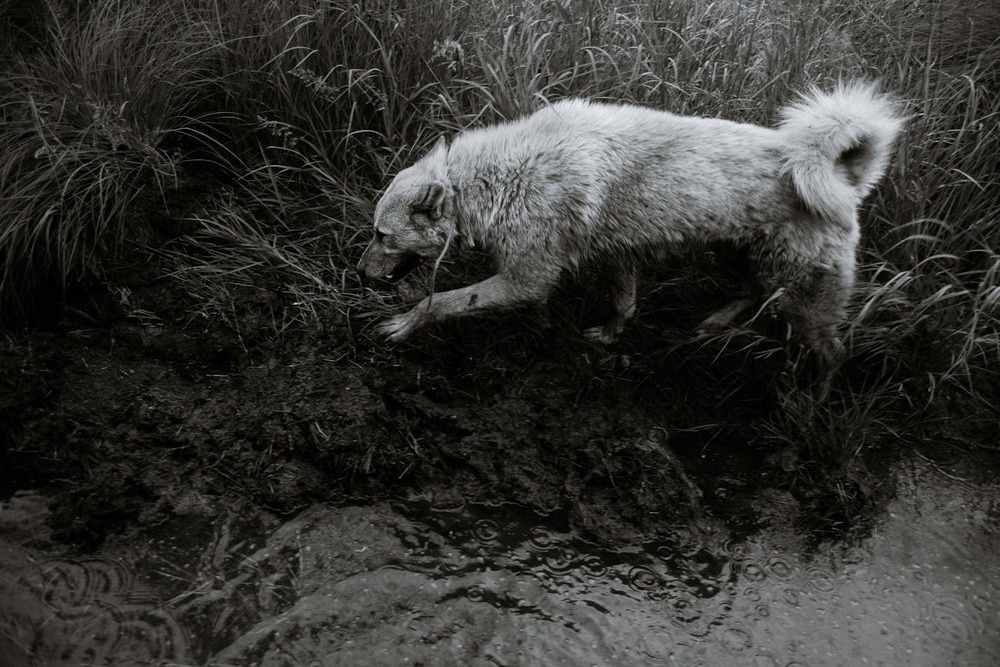
With mixed-breed dogs, you can see anything from a compact, terrier-like build to long legs and a narrow chest, or a thick coat paired with a fine-boned frame. Coat length, ear shape, tail carriage, and colour can vary hugely, even within the same litter. That range can be part of the appeal, but it also means you may need to wait for a young dog to mature before you are confident about adult size and coat care.
If you are trying to make educated guesses, look at the whole dog, not one feature. A curly coat might suggest poodle somewhere in the family tree, but it does not automatically tell you about energy levels or trainability. In practice, daily routine shapes behaviour as much as genetics does.
Temperament, behaviour, and the myth of predictability
Temperament in mongrels is as individual as it is in purebreds. Some are biddable and social, some are sensitive to noise, some are independent thinkers, and many are a blend. What you often get, especially in well-socialised mixed-breed dogs, is adaptability. They may cope well with changes in household rhythm, visitors, or different walking routes, provided they feel safe and their needs are met.
A gentle caution is useful here. People sometimes assume mongrels are automatically better behaved, or “grateful”, or always healthier. Realistically, a mongrel can still develop reactivity, separation-related distress, or guarding behaviours, especially if their early experiences were chaotic. The practical skill is learning to read your dog’s body language and supporting calm behaviour before issues become habits.
Personality and suitability as a family pet

Mongrels can make excellent family dogs, but suitability is about the match between dog and household, not a label. A busy home with children can suit a confident, people-oriented dog. A quieter home can suit a dog who prefers predictable routines. Either way, the first weeks matter. A newly adopted dog is learning the household rules while also figuring out what is safe.
Children, visitors, and other pets
Good relationships are built through management and supervision, not hopeful guesses. The RSPCA recommends direct adult supervision when children interact with a new dog, along with calm, gradual introductions and attention to subtle signs of discomfort (such as lip-licking, yawning, and turning away).1, 2
For other pets, slow introductions and thoughtful separation when needed are usually more important than what breeds you suspect are in the mix. If you have concerns about behaviour, a veterinarian or a qualified reward-based trainer can help you set up a plan early, which is often easier than trying to undo a pattern later.
Training and daily life with a mixed-breed dog
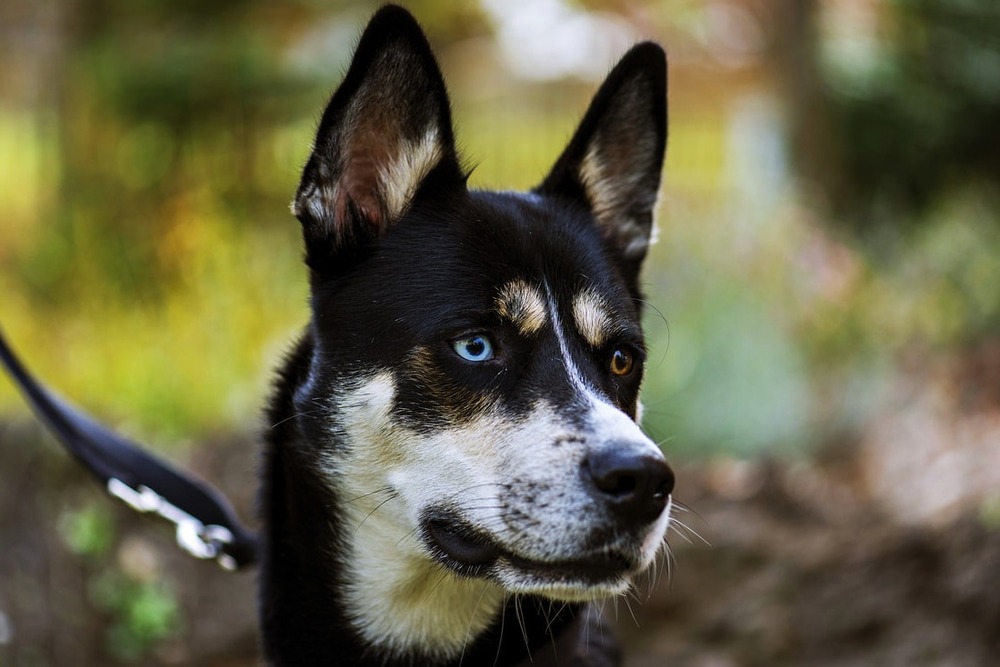
Training is not just about manners, it is the practical language you share with your dog: how to come back when called, how to settle, how to walk past distractions, how to cope when you leave the house. With mongrels, you might see a little of everything, speed and enthusiasm, or cautious observation, or a strong nose that pulls the brain onto the ground.
The best results tend to come from reward-based training that uses positive reinforcement and avoids punishment or aversive tools. This approach is widely recommended by welfare organisations and is generally safer for building trust and reducing the risk of fallout behaviours.3, 4
Exercise needs, with a reality check
Many mongrels need moderate to high activity, but “more exercise” is not always the solution. Some dogs need help learning to settle as much as they need longer walks. Aim for a mix of movement and mental work:
- Sniff walks where the dog sets the pace and explores
- Short training sessions (sit, down, recall, loose lead)
- Food enrichment (scatter feeding, puzzle toys)
- Play that stays safe and controlled, especially with adolescent dogs
Health: what genetic diversity can, and cannot, do

It is true that genetic diversity can reduce the chance of some inherited problems being concentrated in a population, especially those linked to high levels of inbreeding. But it is not a blanket shield. Mixed-breed dogs can still develop inherited disorders, and some conditions appear at similar rates in mixed and purebred populations, depending on the disorder and the dogs being compared.5
In everyday veterinary practice, the issues that most commonly affect wellbeing are often not exotic genetic conditions. They are things like dental disease, skin and ear problems, arthritis, and weight management. Large-scale practice data has repeatedly highlighted overweight and obesity as common concerns, alongside dental disorders and osteoarthritis.6
Preventive care that pays off
For most mongrels, the health basics are not complicated, but they do need consistency:
- Regular veterinary checks, and vaccinations and parasite control suited to your area
- Dental care at home, plus professional dental work when recommended
- Weight monitoring, especially after desexing or changes in routine
- Prompt attention to itching, ear discomfort, limping, or reduced tolerance for exercise
Coat care and grooming, without overthinking it
Grooming needs depend far more on coat type than on whether a dog is a mongrel. Short coats often do well with weekly brushing. Double coats usually shed heavily at certain times of year and benefit from regular deshedding. Longer coats can mat quickly if left unmanaged, particularly behind ears, under armpits, and around the tail.
A simple routine works for most households: brush little and often, check ears and paws, and keep nails at a comfortable length. If you are unsure what you are dealing with, a good groomer can help you identify whether your dog’s coat needs clipping, hand-stripping, deshedding, or just steady brushing.
Nutrition and weight: the quiet foundation

Feeding advice can get noisy, quickly. The calmer truth is that most mongrels do best on a complete and balanced diet that suits their life stage, body size, and activity level. If you like adding fresh foods, do it deliberately, and keep the overall diet balanced.
Weight matters because it affects joints, stamina, and comfort, and because it is one of the most modifiable health factors in a pet dog. The WSAVA Global Nutrition Guidelines encourage routine nutritional assessment, including the use of body condition scoring as a practical tool in the clinic and at home.7
If you are not sure whether your dog is at a healthy weight, ask your vet to show you what to feel for. The goal is not a particular number on the scales, it is a body that can move comfortably through life.
Final thoughts
A mongrel is not a question mark, they are a complete dog with a particular set of traits that can be learned, supported, and enjoyed. If you hold breed guesses lightly, focus on day-to-day needs, and stay consistent with training and preventive care, mixed-breed dogs often fit beautifully into real homes and real routines.
References
- RSPCA Knowledgebase: How do I introduce a new dog or puppy to children?
- RSPCA Australia: Pets and kids
- RSPCA Knowledgebase: What is reward-based dog training and why does the RSPCA support it?
- RSPCA Knowledgebase: Is it important to train my dog? What sort of training would you recommend?
- Bellumori et al. (2013) Prevalence of inherited disorders among mixed-breed and purebred dogs (PubMed)
- Royal Veterinary College (VetCompass): New evidence for health-related welfare prioritisation of canine disorders
- WSAVA: Global Nutrition Guidelines
- The Kennel Club (UK): Obesity in dogs
- Australian Government Department of Agriculture, Fisheries and Forestry: Cats and dogs returning to Australia