

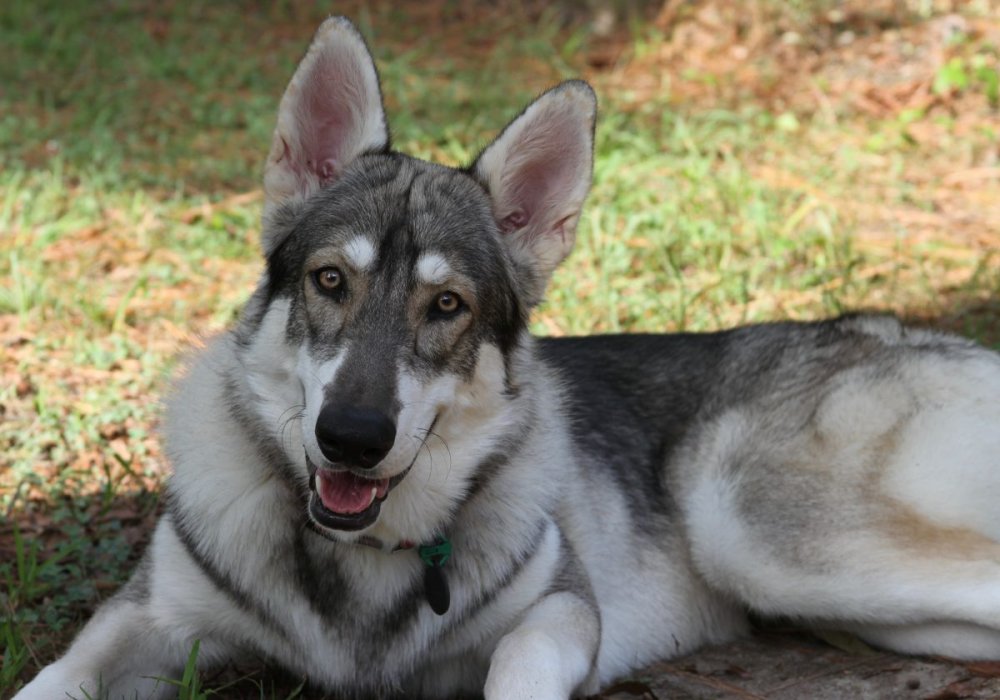
You might notice a Northern Inuit Dog for the first time the way many people do, by doing a double-take at the park. The outline can look almost wolf-like at a distance, especially in grey or sable coats, and it is easy to assume they are “part wolf” or unusually intense to live with.
Spend a little time around them, though, and a different picture tends to emerge. Many Northern Inuits are social, people-oriented dogs who want to be close to their families, and who thrive on routine, training, and interesting work. Their looks can be dramatic, but their day-to-day needs are often familiar, just bigger, hairier, and more demanding than average.
That gap between appearance and reality matters in practice. Choosing a Northern Inuit because you love the “wolf” look, without planning for exercise, social time, training, and grooming, can set both dog and household up for frustration. When it goes well, it is usually because the home fits the dog, not because the dog is “easy”.
- Breed category: Working type (developed as an active companion)
- Country of origin: United Kingdom
- Typical height: Around 59 to 71 cm (bitches), 64 to 76 cm (dogs), depending on lines and club standard1
- Typical lifespan: Often quoted around 12 to 15 years1
- Coat: Dense, weather-resistant double coat, usually sheds heavily seasonally1
- Temperament: Often described as friendly and outgoing, with a need for companionship and stimulation1
Where the Northern Inuit came from, and why it looks the way it does
The Northern Inuit Dog is a modern, purpose-bred type developed in the UK from the 1980s onwards, with the aim of producing a domestic dog with a wolf-like outline while remaining suited to family life.2, 3 In other words, the “wolf” part is the design brief, not a promise of wolf ancestry.
Different clubs and communities describe the early foundation in slightly different ways, but you will often see northern breeds (such as Husky and Malamute types) and shepherd-type dogs mentioned as influences in the early breeding programmes.2 Over time, breed clubs have pushed for more consistency in type and health testing, which is part of why you will hear owners talk about lines and affiliations when discussing Northern Inuits.2, 3
Practical takeaway: because this is not a widely kennel club-recognised breed with a single, universal registry, it is worth asking extra questions about the breeder’s health testing, temperament selection, and the support they offer after you take a puppy home.2, 3
Appearance, coat, and those “wolf-like” features
Northern Inuits are typically medium to large, athletic dogs with a dense double coat, erect ears, and a bushy tail.1 Many have facial masks and sable-to-grey colouring that reads as “wolf” to the human eye, especially in motion or low light. Eye colour can vary, and the overall impression is usually of a strong, balanced dog rather than a heavy, blocky one.1
The coat is a major part of the ownership experience. A double coat is designed to manage cold and wet, which is helpful in the right climate, but it also means seasonal shedding can be intense and routine brushing is not optional if you want to keep hair and tangles under control.1
It is also worth holding two truths at once: thick coats can help in cold weather, but dogs still overheat in warm, humid conditions. If you live in a hot part of Australia, summer management becomes part of your everyday dog care, not an occasional concern.4, 5
Temperament in real homes, and what “good with families” really means
Northern Inuits are often described by breed clubs as friendly, placid, and outgoing, with a strong preference for being included in family life.1 In practice, many do best with people who enjoy training and daily interaction, rather than a household where the dog is expected to “fit in” with minimal guidance.
It can be tempting to summarise a breed as “good with kids” or “good with other pets”. A more useful way to think is: how robust is the dog’s social education, and how thoughtfully is the environment set up?
With children, the basics matter. Supervision, teaching kids how to touch and approach dogs, and giving the dog a quiet retreat usually do more for harmony than any label attached to a breed.6 With other animals, some Northern Inuits may have a notable prey drive, and breed organisations themselves often recommend early recall work and sensible management around small pets and livestock.1
Training and exercise, building the dog you want to live with
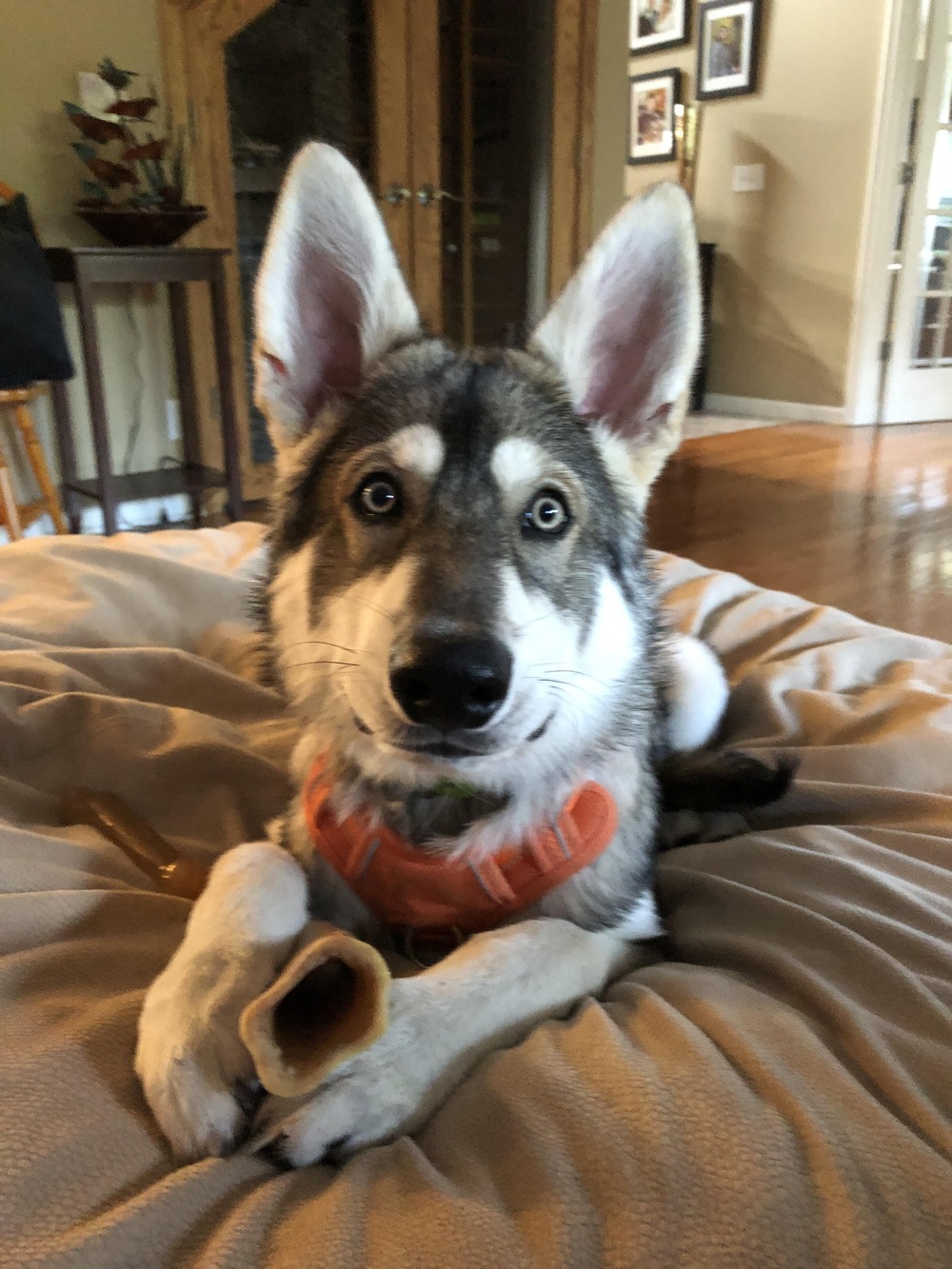
Most people do not struggle because a Northern Inuit is “too intelligent”. They struggle because the dog is smart enough to notice patterns, exploit gaps, and get bored when life feels repetitive. Breed groups commonly note that Northern Inuits can become bored with drilling and do best when training is interesting and varied.1
Positive reinforcement training, done consistently, tends to suit this kind of dog well. It is not about being permissive. It is about being clear, fair, and predictable, and paying the dog for the behaviours you want to see again. If you are working on recall, start early, practise in low-distraction environments, and be cautious about off-lead freedom until the behaviour is genuinely reliable, especially if your dog shows interest in chasing wildlife or small animals.1
Exercise needs vary by individual, but many Northern Inuits enjoy longer walks, hikes, and dog sports, and they often benefit from a mix of physical movement and mental work (scent games, puzzle feeding, short skill sessions). Breed organisations also describe them as able to do well with one longer walk or two walks a day, provided their overall stimulation needs are met.1
- Don’t rely on running alone: fitness without calm training can create a dog who is physically superb and behaviourally unsettled.
- Use “job” thinking: carrying a pack on hikes, learning scent cues, or practising settled mat time can be as valuable as extra kilometres.
Health considerations, and why breeder transparency matters
Northern Inuits are often described as generally healthy, but no breed is free from inherited risk. Responsible breeding programs usually lean heavily on screening, record keeping, and honest disclosure. Some Northern Inuit organisations state that dogs in their breeding schemes must be screened under recognised veterinary schemes for hips, elbows, and eyes (or equivalent).2
Hip and elbow dysplasia are common concerns across many medium to large breeds, and managing body condition is part of prevention and comfort, not just aesthetics. If you are purchasing a puppy, ask to see the relevant test results for the parents, and ask what the breeder is seeing in their line over time, not just what “can” happen in the breed in theory.2
Seizure disorders, including epilepsy, are also raised in some Northern Inuit communities as an issue owners should be aware of.2 If your dog ever has a seizure, treat it as a veterinary issue and seek advice promptly. Not every seizure is epilepsy, and not every case looks the same, so careful assessment matters.
Grooming, shedding, and day-to-day care
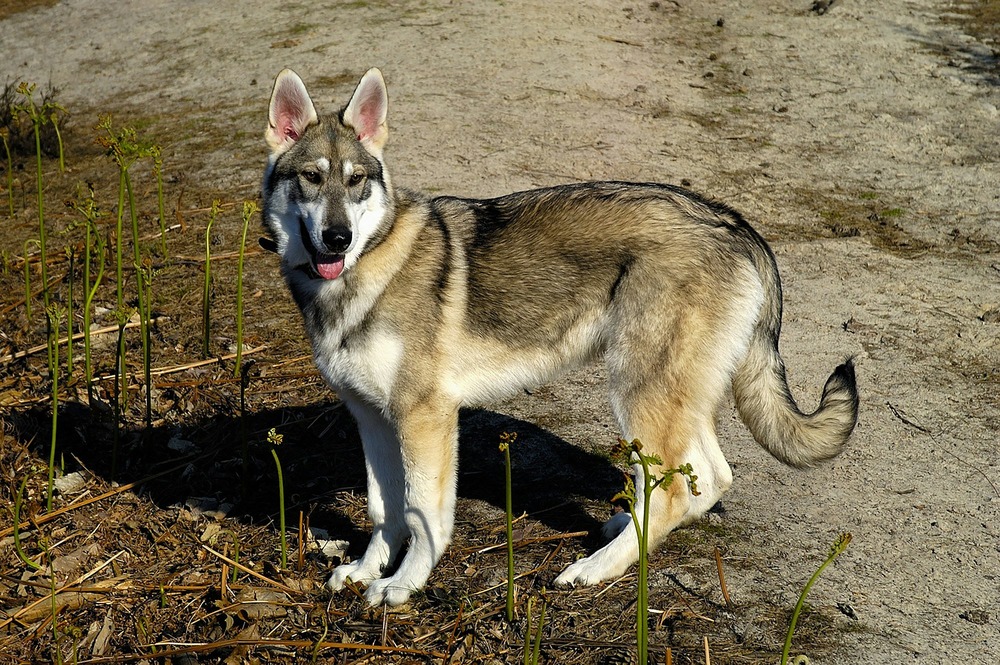
The grooming routine for a Northern Inuit is mostly about coat management and skin comfort. The double coat is designed to be dense and weather resistant, which is why it can “blow” dramatically in shedding seasons.1
A realistic routine usually includes thorough brushing a few times a week, and more frequent brushing when the undercoat is coming out. Bathing can be occasional rather than frequent, unless the dog is truly dirty, since over-washing can dry the skin and make coat care harder.
Alongside brushing, keep the practical checks steady and simple: nails, ears, teeth, and a quick scan for hotspots, burrs, and ticks after bush walks. It is not glamorous, but it is the kind of quiet maintenance that keeps big, active dogs comfortable over the long term.
Living well with heat, especially with a thick-coated dog
In warm weather, thick-coated dogs can be vulnerable to heat stress, particularly if exercised at the wrong time of day or left without shade and airflow. Australian animal welfare organisations consistently recommend avoiding exercise in the hottest part of the day, providing reliable shade and plenty of water, and never leaving dogs in cars, even briefly.4, 5
If you are managing a Northern Inuit through summer, think in terms of small, repeatable habits rather than one-off fixes. Early morning walks, cooler surfaces underfoot, and time indoors on very hot days can make a noticeable difference.4, 5
- Move exercise to cooler hours and keep sessions shorter if your dog is panting heavily.4, 5
- Prioritise airflow and shade, especially in enclosed yards or runs.4
- Know the signs of heatstroke and contact a vet urgently if you suspect it.5
Northern Inuits in popular culture, and the “direwolf” connection
Interest in the Northern Inuit Dog rose sharply after the early seasons of Game of Thrones, when wolf-like dogs appeared on screen as “direwolves”. It is often reported that Northern Inuits were among the types used to portray the direwolves, chosen for their look and trainability, although different sources vary in how they describe the exact dogs involved and the terminology used around them.7, 8
It is a fun piece of trivia, but it can also skew expectations. A dog can look cinematic and still need ordinary, patient work on recall, loose-lead walking, and learning to settle at home. In day-to-day life, those basics matter more than the silhouette.
Final thoughts
The Northern Inuit Dog suits people who want an active, social companion and who enjoy the slow craft of training and care. The wolf-like look is part of the appeal, but it should not be the only reason you choose one.
If you are considering the breed, ask for health testing evidence, meet adult dogs if possible, and be honest about your time, climate, fencing, and appetite for grooming. The best outcomes usually come from matching the dog to the household, then supporting the dog with structure, companionship, and thoughtful exercise.
References
- American Northern Inuit Society, Our Breed (history, standard, temperament, exercise)
- American Northern Inuit Society, Health Concerns (testing and health notes)
- Northern Inuit Society (official society overview)
- RSPCA Australia, Keeping your pet safe during the heat
- RSPCA Australia, Warm weather worries, protect pets from heatstroke
- RSPCA Knowledgebase, Keeping children safe around dogs
- Wikipedia, Northern Inuit Dog (overview and media mentions)
- Northern Inuits International Unleashed (community and breed resources)