

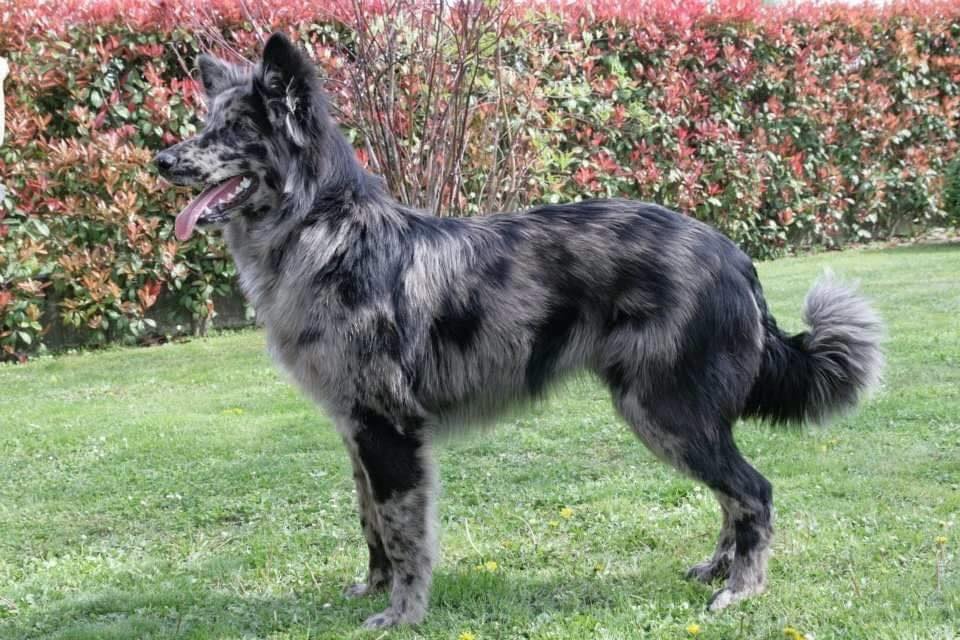
People often notice this breed in the way you notice working dogs on a holiday, a photo shared by a friend in the Alps, a clip of sheep being moved with quiet efficiency. The Pastore della Lessinia e del Lagorai has that look, alert, agile, built for weather, and it can be tempting to assume that means they will automatically slot into modern pet life.
In practice, they are a dog shaped by generations of real work: long days on the move, decisions made at a distance from people, and the steady pressure of managing livestock across rough country. If you are drawn to the breed, it helps to think less about “rare” and more about what daily life feels like for a dog with a strong working history.
They can be a deeply rewarding companion in the right home, but they tend to do best when their world makes sense: space to move, meaningful activity, clear boundaries, and thoughtful socialisation. The details matter, because they are the difference between a dog who settles and a dog who stays on edge.
At a glance: size, coat, and what they were bred to do
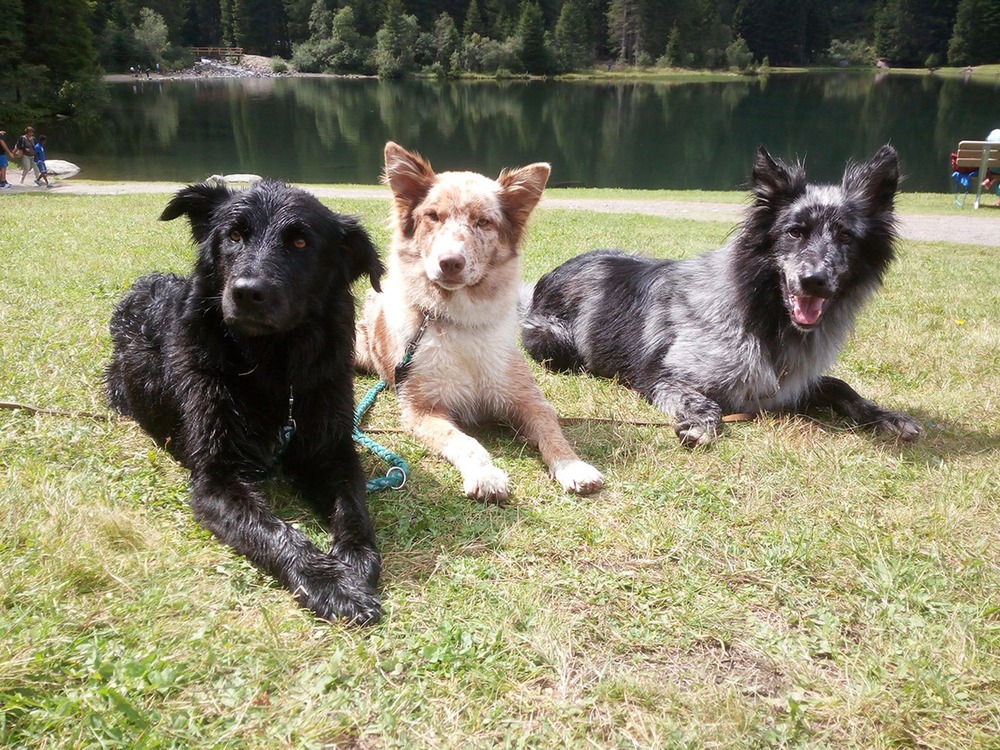
The Pastore della Lessinia e del Lagorai (Lessinia and Lagorai Shepherd) is a traditional Italian herding dog from north-eastern Italy, especially the mountain and foothill areas of the Triveneto region.1, 2 It has been used to move and manage livestock, particularly as a driving and herding dog, rather than as a livestock guardian in the classic “stay with the flock overnight” sense.1
- Breed type: Working herding dog1, 2
- Typical height: commonly reported around 45 to 60 cm at the shoulder (sex and line vary)2
- Coat: medium to semi-long with a thick undercoat1
- Common colours: fawn, black, brown, and merle patterns are reported1
One point that can confuse prospective owners is recognition. The breed has not been widely recognised internationally, but in Italy it has been admitted to ENCI’s open supplementary register (RSA) as part of an active recognition process.2 That “in progress” status can affect how consistent type, size, and temperament are from one line to the next.
History and origin
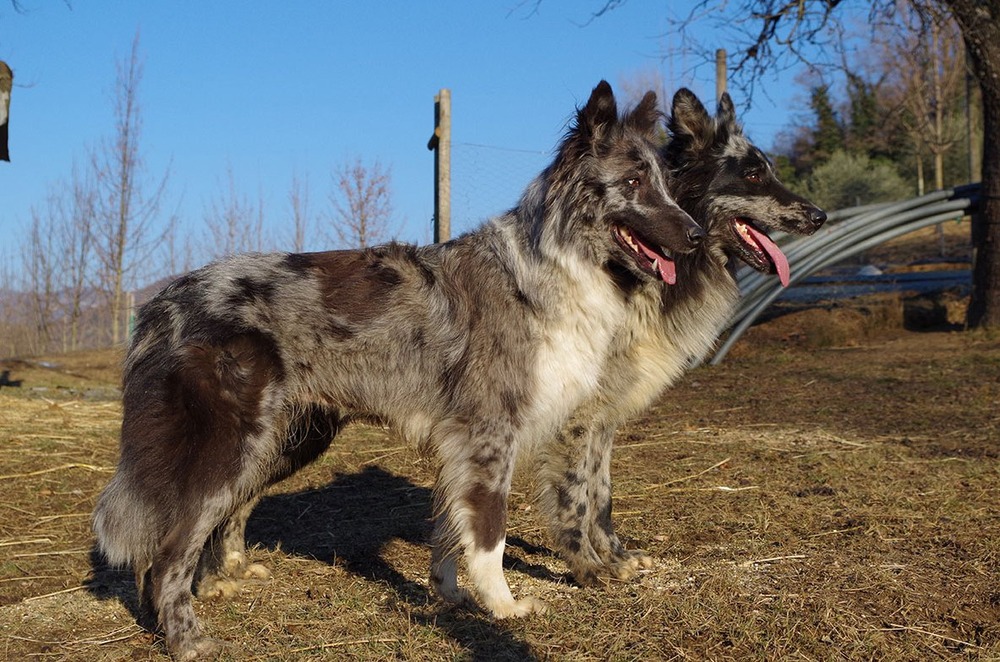
The Pastore della Lessinia e del Lagorai is closely tied to pastoral life in northern Italy, where dogs needed to cover ground, handle weather, and respond to stock with speed and judgement.1 Rather than being a breed shaped primarily for show, it has been shaped by usefulness, the ability to keep working day after day.
Modern genetic research has also placed the breed among several Italian herding populations with shared roots, suggesting a long history of regional working dogs that later separated into distinct local types.3 That context matters, because it hints at why you may see variety within the breed: some dogs look more lightly built and quick, others heavier and more “all-weather”.
Today, there are organised efforts in Italy to document, protect, and standardise the breed, including formal pathways through ENCI’s systems.2 For owners outside Italy, this usually translates into a simple reality: choose breeders carefully, and expect individual differences.
Physical characteristics that support working life
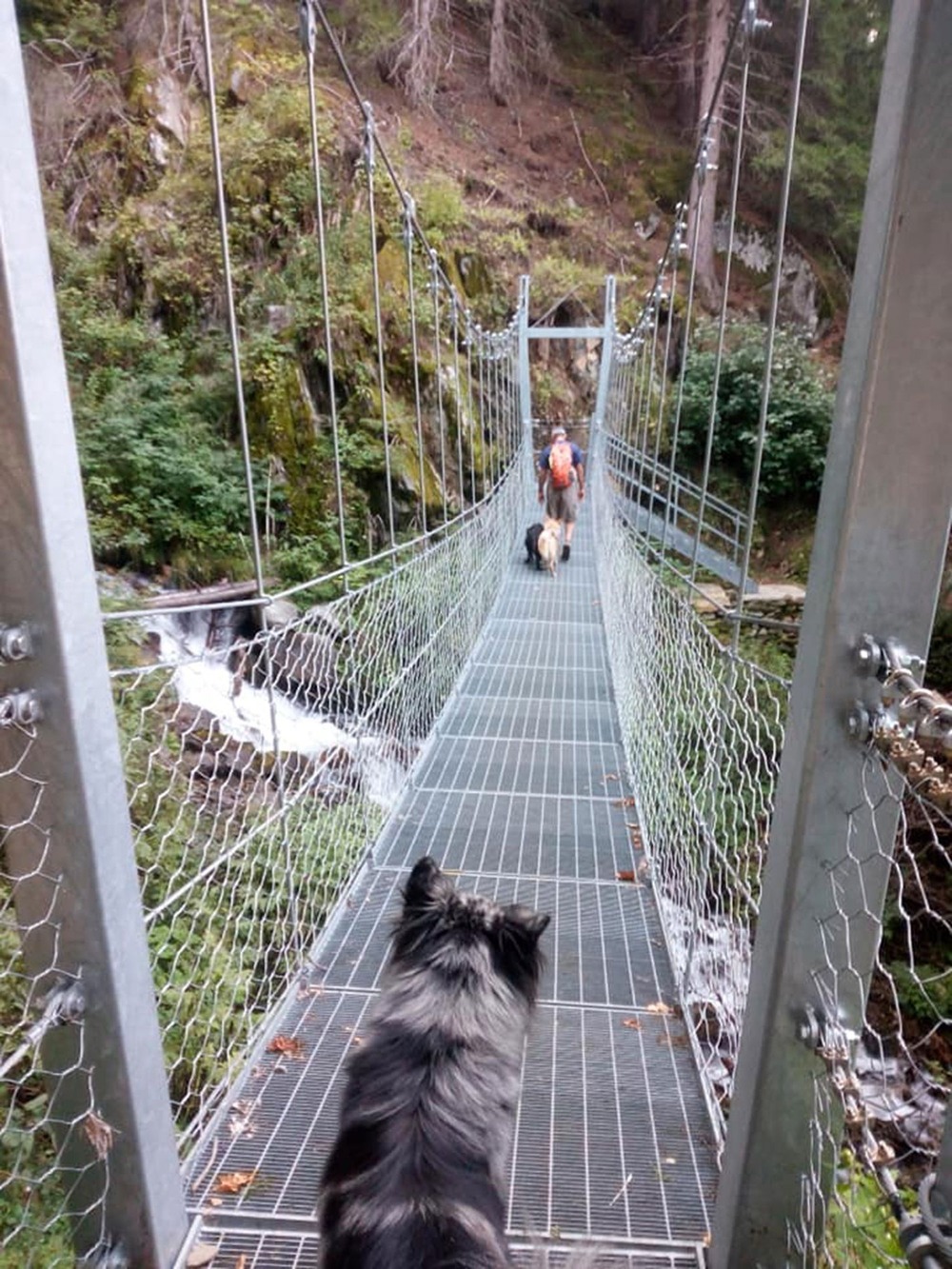
Most Pastore della Lessinia e del Lagorai dogs present as medium-sized, athletic, and “lupine” in outline, built for steady endurance rather than sheer bulk.1 Ears may be erect, semi-erect, or dropped, and coats are typically weather-protective, with an undercoat that insulates in cold conditions.1
Owners are often surprised by how much the coat influences management in warm climates. A dense undercoat can be an advantage in cold wind and wet, but it can make heat management more important in summer and during exercise. The practical goal is not to “toughen them up”, but to set them up to cope: timing walks well, offering shade and ventilation, and learning the early signs of overheating.
Australian welfare guidance is consistent here: avoid exercising dogs in the hottest part of the day, watch hot surfaces that can burn paws, and take suspected heat stress seriously.4 For a thick-coated working breed, that advice is not optional, it is simply good stewardship.
Temperament and behaviour in real homes
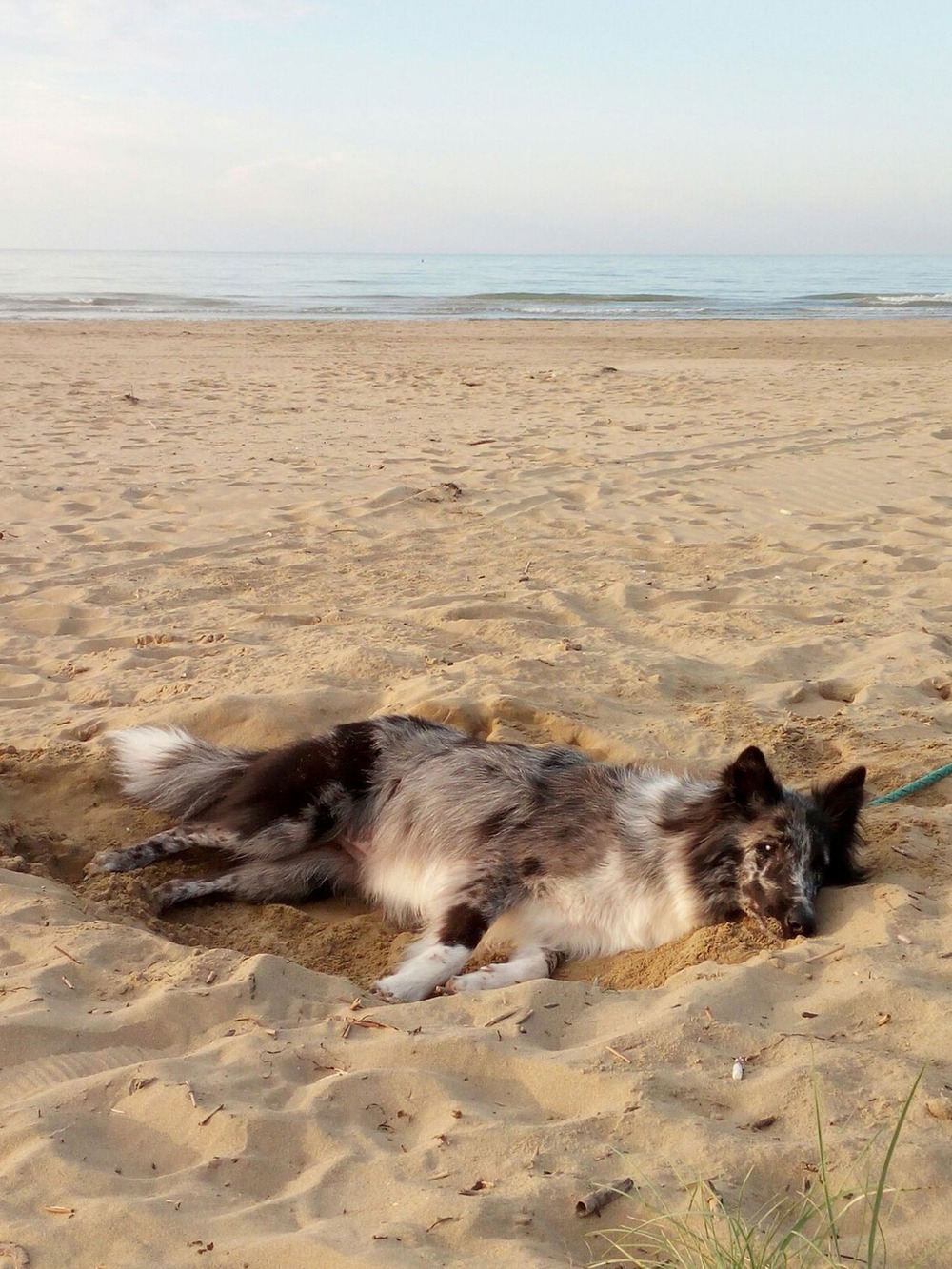
This is often described as an active, intelligent, curious dog with strong working drive and stamina.1 In a home environment, that can look like vigilance, fast pattern-learning, and a tendency to “notice everything”, including movement at fences, visitors arriving, or children running through the yard.
It is easy to label that as protectiveness, and sometimes it is, but it can also be uncertainty, under-stimulation, or simply a dog doing what they have been bred to do: track motion and influence it. The most useful framing is that many individuals will benefit from clear, predictable routines, and plenty of appropriate outlets for their brain and body.
With children and other animals, outcomes are usually less about a universal “good with kids” label and more about early exposure, supervision, and teaching the dog what is expected. Herding breeds can be drawn to controlling movement, so families often do best when they proactively teach calm behaviours around play, noise, and fast motion.
Training and exercise needs
Training tends to go well when it is calm, consistent, and rewarding, with plenty of repetition in different places. A dog bred to work at a distance may not automatically “check in” the way some companion breeds do, so building engagement matters.
Early socialisation is not just about meeting people. It is about teaching the dog to recover: to notice something new, take information in, and then settle back into a neutral state. That is the foundation for living well in suburbs, at sports grounds, on bushwalks, or anywhere the dog might encounter novelty.
Exercise needs are typically high. Alongside walking or hiking, many dogs thrive with tasks that match their instincts, for example:
- Scent games and simple tracking exercises
- Structured tug and retrieve with clear rules
- Herding-style movement games (only if they stay controllable and relaxed)
- Obedience foundations that build impulse control, such as settle on a mat
Done well, the aim is not to exhaust the dog, but to create a day that feels purposeful.
Health, screening, and lifespan
There is limited, consolidated international health data for the breed compared with globally popular pedigrees. That makes sensible screening and transparent breeder practices even more valuable.
As with many medium to large, athletic working dogs, orthopaedic issues can occur, including hip dysplasia. Hip dysplasia is a condition where the hip joint does not develop or fit properly, which can contribute to pain and osteoarthritis over time.6 If you are sourcing a puppy, ask what hip evaluation system is used, how results are documented, and what the breeder is selecting for.
Lifespan is commonly reported in the low to mid teens, but individual outcomes depend on genetics, diet, activity, and preventative care. A steady relationship with a vet, regular dental care, parasite control, and thoughtful weight management will usually do more for long-term comfort than any single supplement or trend.
Grooming and day-to-day maintenance
The coat is designed to cope with weather, which usually means it needs routine brushing, especially through seasonal sheds. A weekly brush is often enough for many dogs, with more frequent brushing when the undercoat is blowing.
A useful goal is to keep the coat functional: free of tight mats, checked for grass seeds, and monitored for skin irritation. Shaving double-coated dogs is often discussed online, but for most dogs it is not a shortcut and can create new problems, including sun exposure and coat regrowth issues. If you are considering any major clip, it is worth discussing with a groomer who understands double coats and your local climate.
Regular handling also helps in quieter ways: it teaches the dog to tolerate grooming, checks, and restraint without escalating, which can make vet visits and first aid easier later.
Diet and nutrition
For an active working-type dog, diet needs to support muscle, recovery, and joint health, without pushing the dog into unnecessary weight gain. The most reliable starting point is to feed a diet that is nutritionally complete and balanced for the dog’s life stage, then adjust quantity based on body condition and activity.
Veterinary nutrition guidance emphasises that pet food choices are often confusing, and that evaluating diets should go beyond marketing and ingredient-list assumptions.7 If you are feeding home-prepared food, the same principle applies: it should be formulated to be complete and balanced, ideally with professional guidance, not guesswork.8
Feeding routines are usually simple: two meals per day for adults, more frequent meals for puppies, and regular monitoring of weight and body condition. If you are increasing workload or starting dog sports, discuss how to adjust calories and protein with your vet.
Living situations: who this breed tends to suit
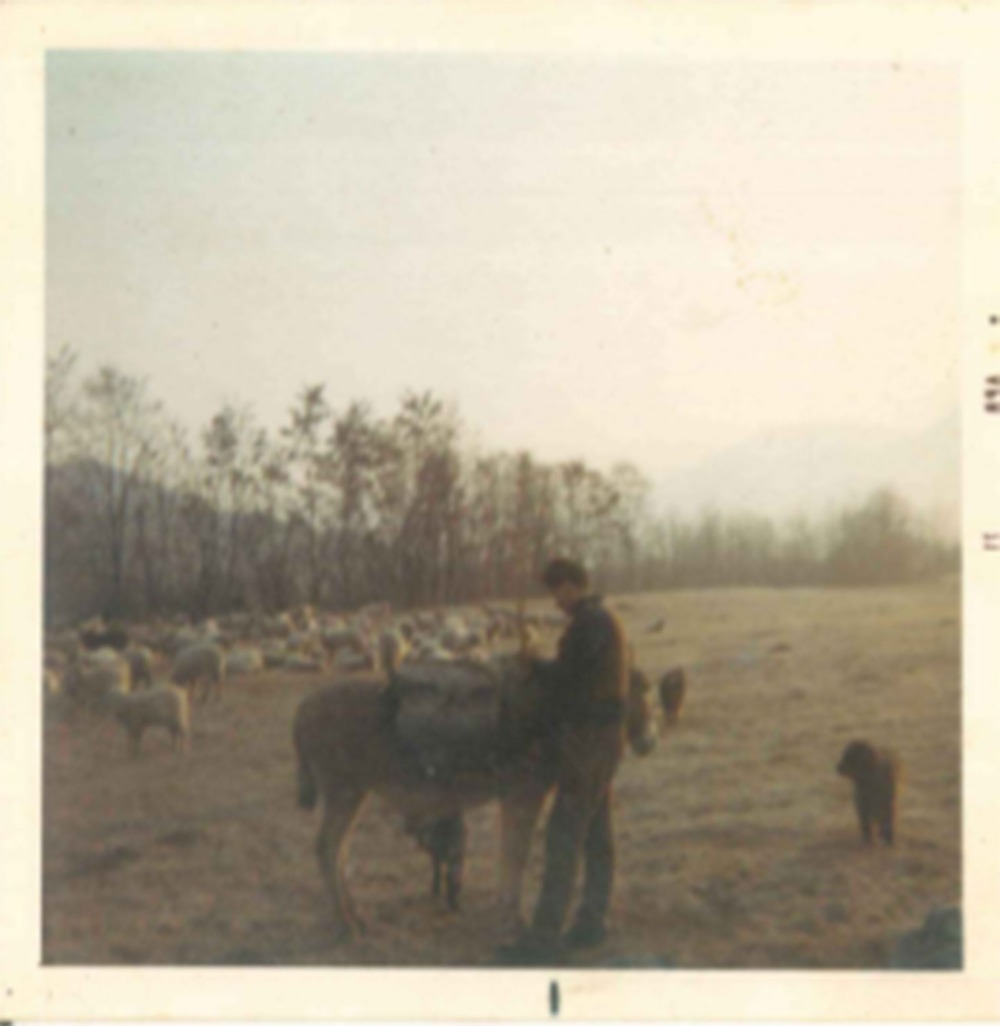
This breed often suits people who enjoy training and movement, and who can offer space, structure, and regular mental work. A rural home is an obvious match, but some dogs can do well in suburban settings if their needs are met and fencing is secure.
It is usually not an ideal apartment breed, not because it is impossible, but because the margin for error is small. A bright, energetic herding dog without enough appropriate outlets may develop nuisance barking, boundary patrolling, or over-reactivity to everyday triggers. If your life is busy and you want a dog who is content with short walks and long naps, there may be easier choices.
If you do live in a warmer area, take heat management seriously. Australian welfare advice on hot weather, cool water access, shade, and timing exercise is directly relevant for thick-coated working dogs.4
Final thoughts
The Pastore della Lessinia e del Lagorai is best understood as a capable, traditional working partner that can also live as a companion, provided its instincts are respected and channelled. When people struggle with this breed, it is rarely because the dog is “difficult”. It is more often a mismatch between what the dog was built for and what daily life actually offers.
If you are considering one, take your time with sourcing, ask for health documentation, and be honest about your routine, your climate, and your appetite for training. In the right hands, this can be a steady, enduring dog with a strong sense of purpose and an impressive capacity for work.
References
- Wikipedia: Pastore della Lessinia e del Lagorai
- ENCI: Pastore della Lessinia e del Lagorai (breed register page)
- Talenti et al. (2018), Ecology and Evolution: Studies of modern Italian dog populations reveal multiple patterns for domestic breed evolution
- RSPCA Australia: Keeping your pet safe during the heat
- RSPCA Pet Insurance: Heatstroke guide for cats and dogs
- American College of Veterinary Surgeons (ACVS): Hip dysplasia in dogs
- WSAVA: Global Nutrition Guidelines
- BSAVA position statement: Companion animal nutrition
- RSPCA Australia: 4 ways to keep your dog cool this summer