

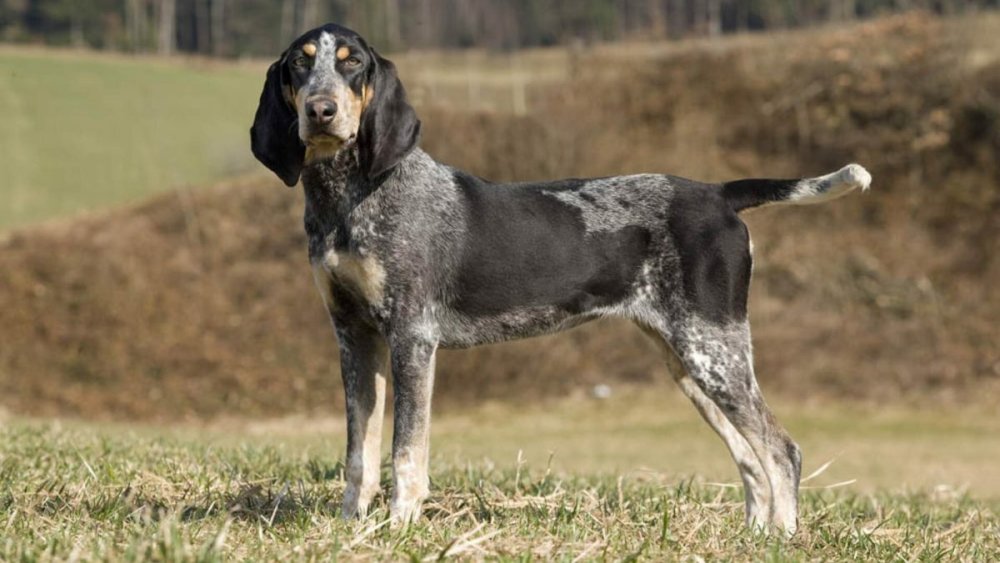
You might come across the Petit Bleu de Gascogne in a photo and pause at that unusual “blue” coat, or hear someone describe a dog that seems to follow its nose more than its owner. Sometimes the curiosity starts more practically, like noticing a hound’s deep, ringing voice at the park, or realising your dog’s recall goes out the window the moment a scent trail appears.
The Petit Bleu de Gascogne sits right in the middle of those experiences. It is a French scent hound, shaped by generations of pack hunting, and it tends to bring that same nose-led way of moving through the world into family life. Understanding what that heritage means, day to day, helps you decide whether this is a breed you can live with, not just admire from a distance.
They can be affectionate and easy to be around, but they are rarely “low effort”. With this breed, the difference between a settled companion and a frustrated, noisy escape artist often comes down to management, routine, and enrichment, not willpower.
- Breed category: Hound
- Origin: France (Gascony)
- Typical height: about 50 to 58 cm at the withers
- Typical weight: often around 18 to 20 kg
- Life expectancy: commonly 10 to 12 years
- Coat: short, dense, mottled black and white (gives a slate-blue look)
Where the Petit Bleu de Gascogne comes from
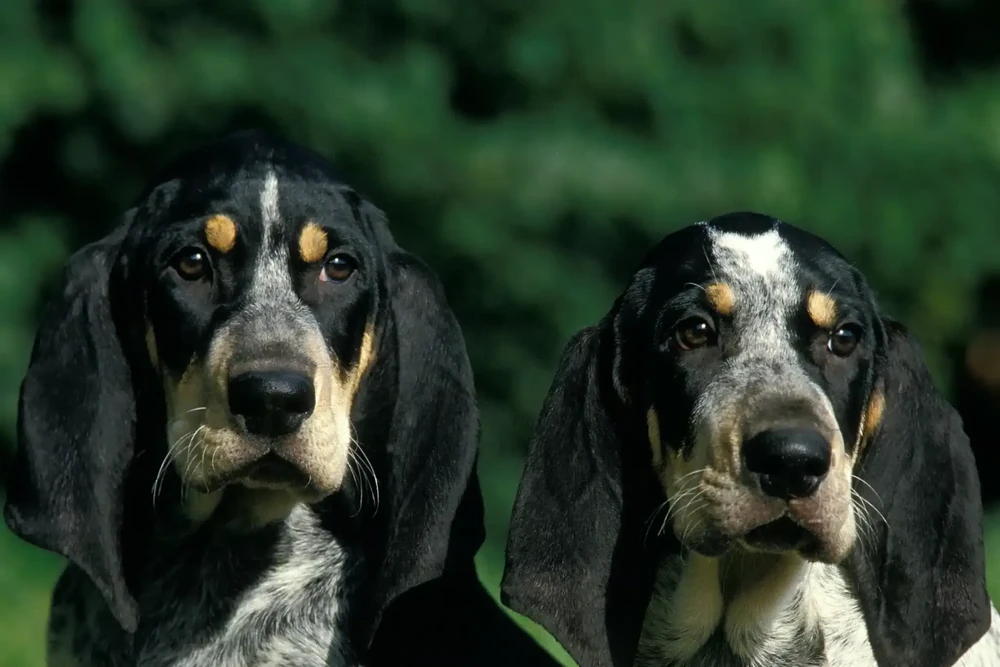
The Petit Bleu de Gascogne developed in south-west France, where hounds were expected to work for long periods over difficult ground. The “Petit” in the name can be misleading. It does not mean toy-sized, it points to the dog’s traditional use on smaller game, particularly hare, compared with the larger Grand Bleu types used for bigger quarry.1, 2
They are typically described as pack hounds. That matters because pack dogs are often bred to keep moving, keep checking in with other dogs, and keep working through distractions. In a pet home, those same traits can look like a dog that enjoys canine company, vocalises readily, and finds it genuinely hard to disengage from interesting scent.1
If you are looking for a calm housemate who is naturally handler-focused, some individual Petit Bleus will surprise you, but the breed’s baseline is still a working scenthound. It is worth taking that seriously before you fall for the coat and the ears.
What they look like, and why it is not just cosmetic
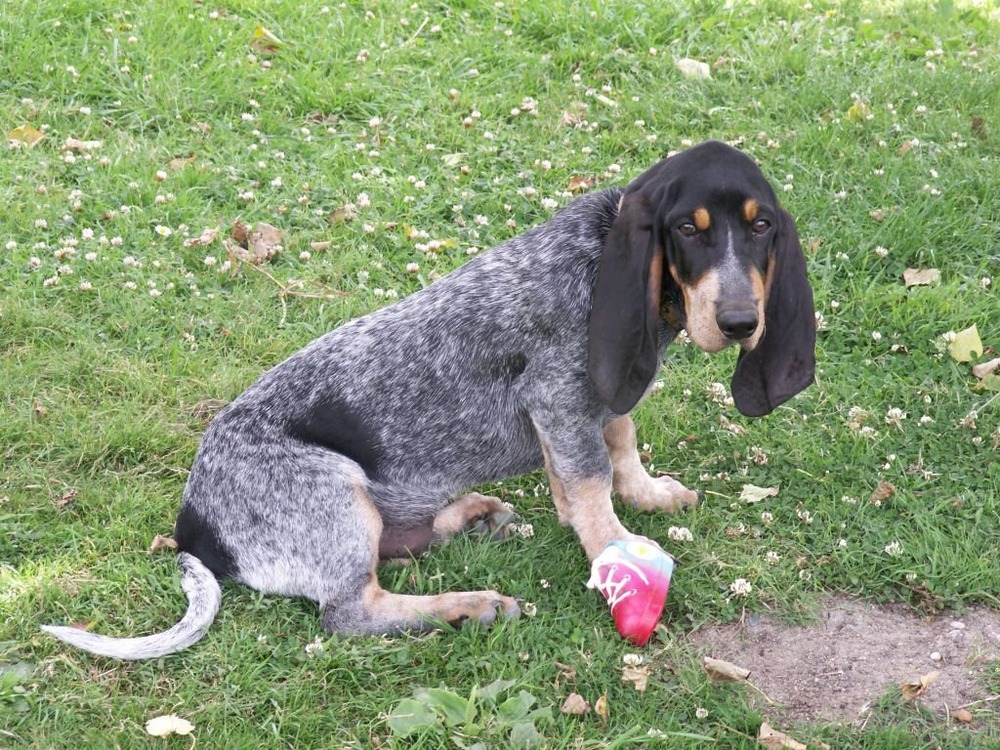
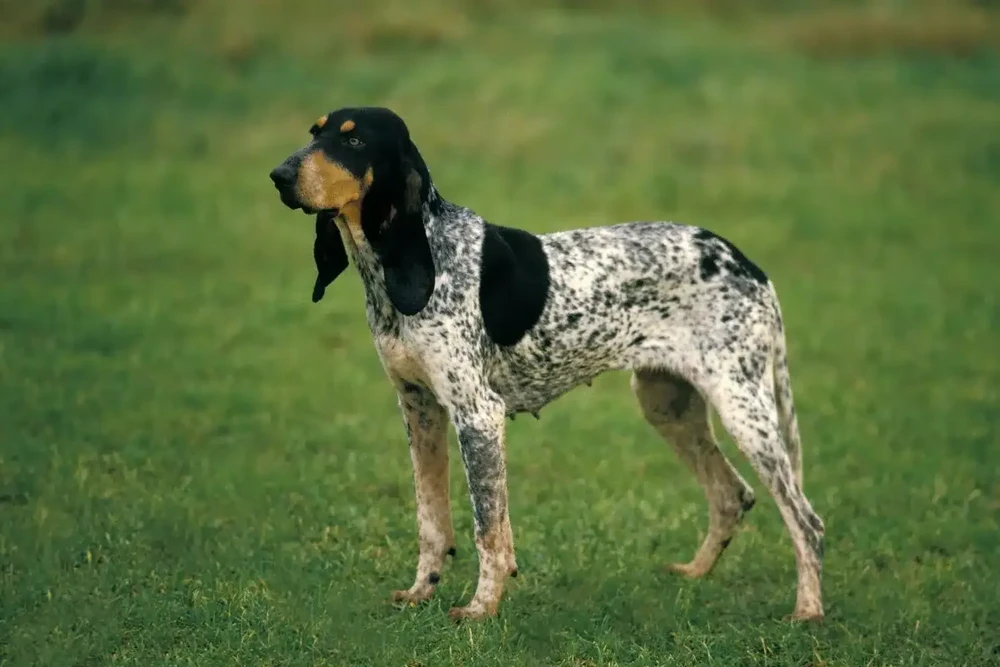
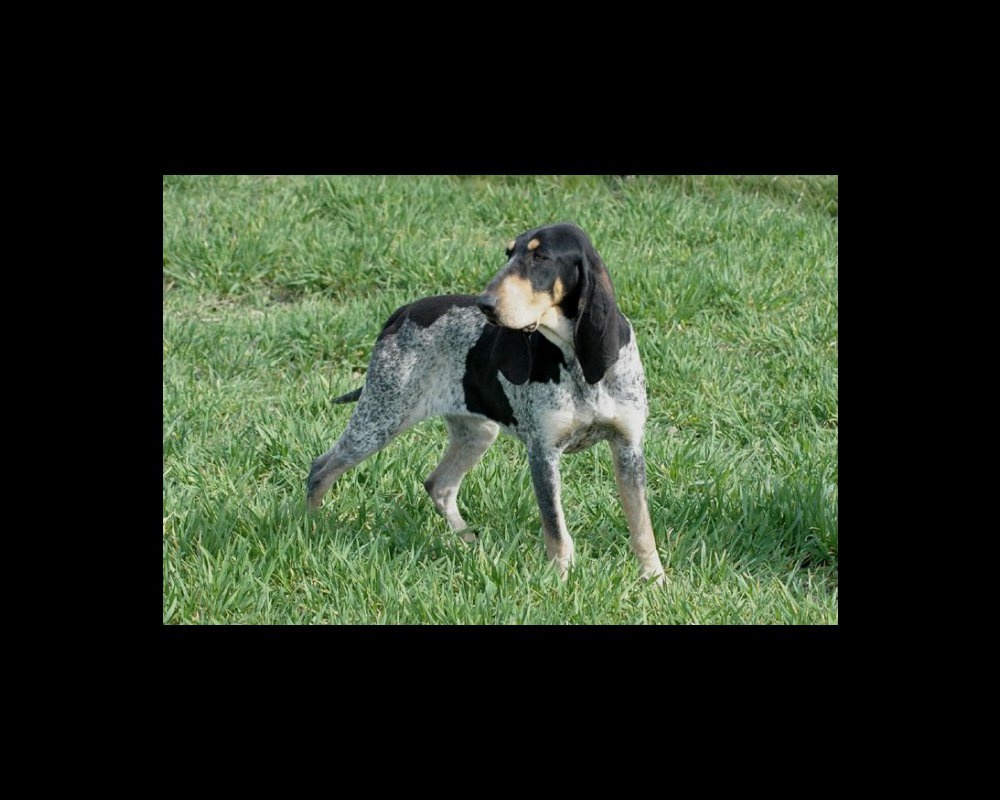
The breed’s “blue” appearance comes from a fine mottling of black and white hairs, which blends into a slate-like colour at a distance. Many dogs also have darker patches and tan points around the face and legs. The long, low-set ears are a classic hound feature and can contribute to their distinctive silhouette.1, 3
Those long ears are not only a look. In real life, ears that hang close to the head can reduce airflow and trap moisture, especially after swimming or baths. That is why owners of floppy-eared breeds are often advised to keep an eye out for irritation and odour, and to ask their vet to demonstrate safe ear-cleaning technique when needed.4
Temperament in the home
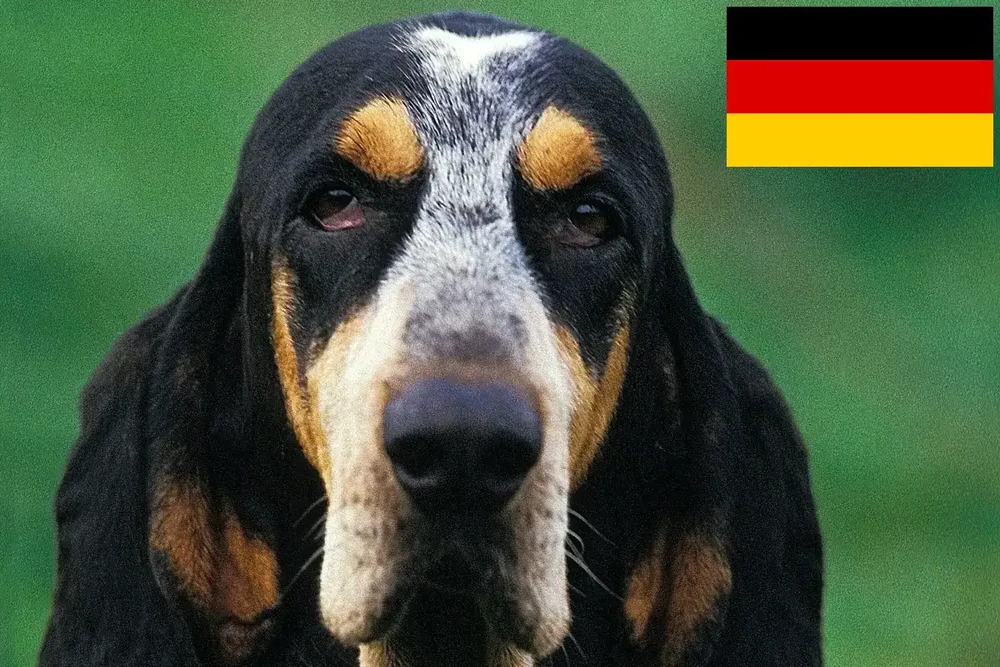
Many Petit Bleu de Gascognes are described as sociable and steady with familiar people, particularly when their exercise and sniffing needs are met. They are often comfortable around other dogs, which fits their pack background.1
At the same time, a scenthound’s priorities can be different from what first-time owners expect. They may appear “stubborn” when a scent is present, but it can be more accurate to think of them as highly reinforced by smells. The environment is rewarding them constantly, so training has to be built with that in mind.
With children, the usual sensible rules apply. Supervise interactions, teach kids how to give a dog space, and remember that excitement, running, and shrieking can be very stimulating for a dog that is already wired to chase moving things. Early socialisation and calm routines tend to matter more than any one “family-friendly” label.
Training that works with a scenthound brain
For many owners, the first real challenge is recall. The issue is not that the dog is trying to ignore you. It is that scent pulls attention in a way that can override everything else, especially in adolescence.
A good approach is to lean into what the breed already loves: tracking, searching, and following trails. Short sessions, clear rewards, and consistent boundaries go further than drilling commands for long periods. If you have a secure area, sniff-based games can become your best training tool, because they meet a need rather than fighting it.
In practice, “good training” with a Petit Bleu often includes:
- Building lead skills early, because many will pull when they smell something interesting.
- Rewarding check-ins and calm behaviour, not just obedience cues.
- Using scent games as enrichment, not only as sport.
- Planning for management, such as secure fencing and long lines, while recall is still developing.
Exercise needs, plus the kind that actually settles them
It is easy to underestimate how tiring sniffing can be for a hound. A brisk walk is helpful, but many Petit Bleus also benefit from time to follow scent in a safe, controlled way. Think of it as letting the dog do a job that matches its design.
Owners often have the best results when exercise includes both:
- Physical movement, such as longer walks, bush walks, or steady jogging for fit adult dogs.
- Mental work, such as scent trails, scatter feeding in the grass, or “find it” games at home.
Without that blend, some dogs will create their own entertainment. With a scenthound, that can mean roaming, digging, or using their voice more than you expected.
Health considerations and everyday care
No breed comes with guarantees, and individual dogs vary. Still, there are a few practical areas worth paying attention to with Petit Bleus and similar hound types.
Ear health is a common theme in floppy-eared dogs. If you notice a persistent smell, redness, head shaking, or frequent scratching, it is worth seeing your vet rather than experimenting at home. Your vet can confirm whether infection, allergy, a foreign body, or something else is driving the irritation, and demonstrate safe cleaning if ongoing care is needed.4, 5
Hip dysplasia can occur across many medium and large breeds. Responsible breeders generally aim to reduce risk through screening and thoughtful selection, but lifestyle matters too. Keeping a dog lean and fit is one of the most practical ways owners can support joint health over time.6
Bloat (GDV) is often discussed around deep-chested dogs. Not every hound is at high risk, and it is not something most owners will ever face, but it is still worth knowing the signs because GDV is a time-critical emergency. Veterinary bodies emphasise that rapid abdominal enlargement, unproductive retching, distress, and restlessness after eating can be warning signs, and immediate veterinary care is essential.7, 8
Coat care and grooming, simple but not optional
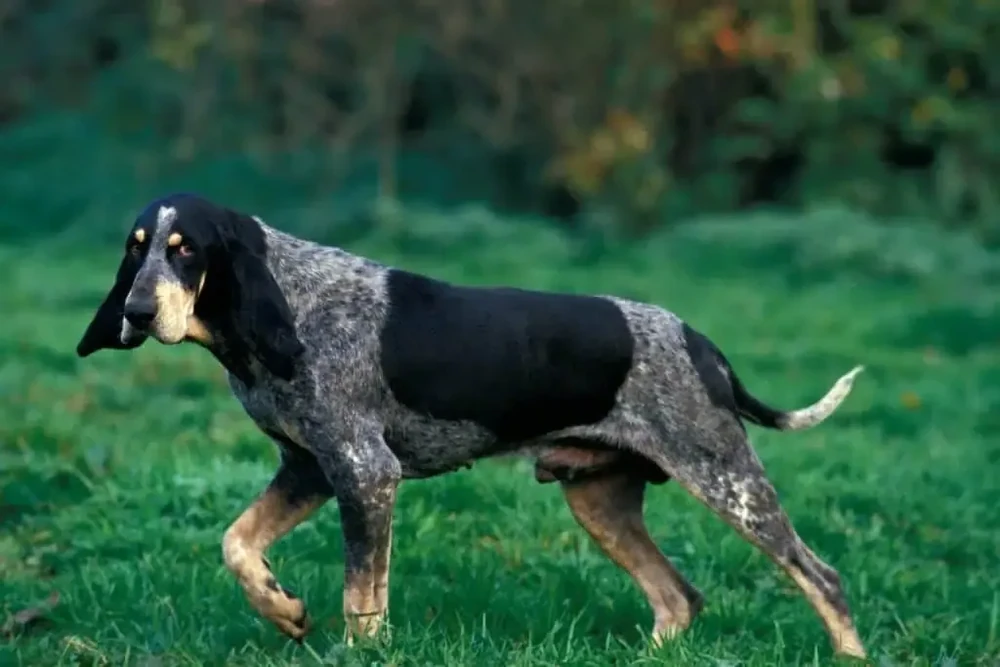
The coat is short and generally straightforward. A weekly brush is often enough to lift loose hair and keep the coat looking tidy, with a bit more during heavier shedding periods. Baths can be occasional, and it is usually best to avoid over-bathing so the skin does not dry out.
Routine care tends to be where owners either build trust or create tension. Keeping sessions calm and brief, touching paws and ears gently from puppyhood, and rewarding cooperation can make nail trims, ear checks, and brushing far easier over the dog’s lifetime.
Feeding and keeping them in good condition
With an active scenthound, it is tempting to assume they will “burn it off”. Some do, many do not, especially once they reach adulthood. A better goal is to feed for body condition rather than the label on the bag, and to reassess as seasons, exercise, and age change.
Veterinary nutrition groups also point out that pet food marketing can be confusing, and ingredient lists are not a reliable shortcut for quality. It is often more helpful to choose a diet that is complete and balanced for your dog’s life stage, and to ask your vet for guidance if you are unsure.9
If your Petit Bleu eats quickly, talk with your vet about practical strategies. For some dogs, slow feeders and splitting meals can help, and it also fits general GDV risk reduction guidance that recommends smaller, more frequent meals for dogs considered at risk.8
Living with a Petit Bleu de Gascogne, who they suit best
The Petit Bleu de Gascogne often suits people who genuinely enjoy dogs as a hobby, not just a household accessory. They do well with owners who like being outdoors, can offer secure space, and are comfortable putting time into training that respects the dog’s instincts.
They are usually not the easiest fit for apartments or for households that need a very quiet dog. Many hounds have a voice, and for some Petit Bleus, baying is simply part of how they communicate when excited or when they pick up a scent.1
If you are considering the breed, it is worth seeking out breeders or breed clubs that prioritise temperament, health screening, and placement into appropriate homes. Meeting adult dogs, not just puppies, can give you a clearer sense of what daily life might be like.
References
- Federation Cynologique Internationale (FCI) breed standard: Petit Bleu de Gascogne (No. 31)
- Société Centrale Canine: Petit Bleu de Gascogne (breed profile)
- PetMD: Petit Bleu de Gascogne (breed overview)
- VetZone (Australia): Taking care of your dog’s ears and eyes
- RSPCA Australia Knowledgebase: How do I clean my dog’s ears?
- Australian Veterinary Association (AVA): Hip dysplasia in dogs
- American Animal Hospital Association (AAHA): Understanding canine bloat (GDV), a medical emergency
- Cornell University College of Veterinary Medicine: Gastric dilatation volvulus (GDV) or “bloat”
- World Small Animal Veterinary Association (WSAVA): Global Nutrition Guidelines