

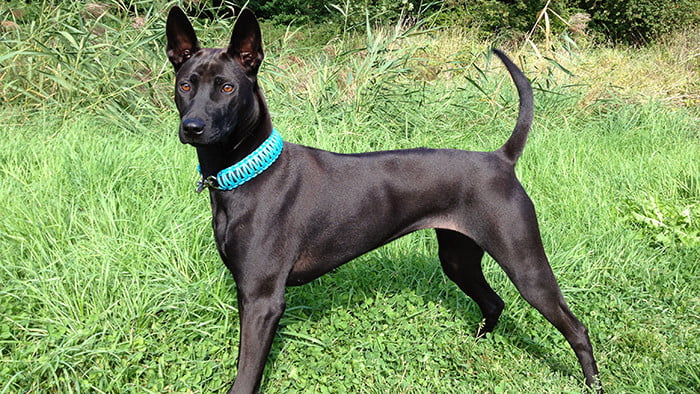
People often come across the Phu Quoc Ridgeback by accident. A photo pops up of a lean, prick-eared dog with a neat swirl of hair running the “wrong way” along its spine, or someone mentions an island breed from Vietnam that can swim strongly and move with surprising agility.
It is tempting to assume the ridge is just a quirky coat feature, or that a rare breed must be delicate or difficult. In practice, the Phu Quoc Ridgeback tends to be the opposite: functional, athletic, and observant. Its look is memorable, but the day-to-day reality is more about exercise needs, social learning, and giving an intelligent dog a life that suits its body and instincts.
If you are considering one, or simply trying to understand what makes the breed different, it helps to focus on the basics: where they come from, what their structure was shaped to do, and what that means for training, health, and living arrangements.
At a glance: Phu Quoc Ridgeback breed profile
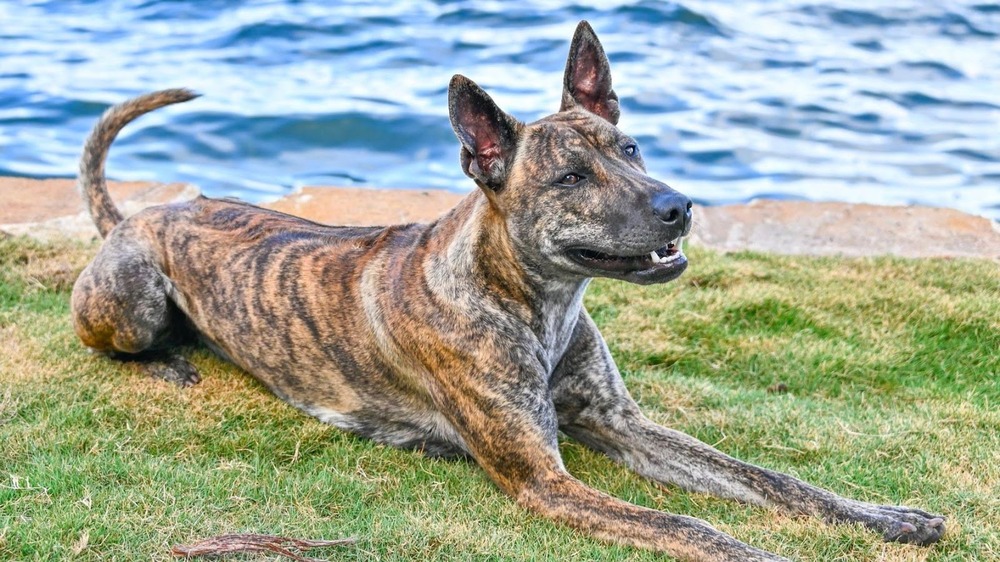
- Breed type: Hunting and companion dog
- Origin: Phu Quoc Island, Vietnam
- Height: Males about 50 to 55 cm, females about 48 to 53 cm
- Weight: Males about 15 to 20 kg, females about 12 to 18 kg
- Coat: Short, dense
- Common colours: Black, yellow, brindle (some standards also describe other colour patterns)
- Life expectancy: Often cited around 12 to 14 years
- Energy level: High, daily exercise and enrichment matters
- Signature trait: A dorsal ridge of hair growing opposite to the surrounding coat
They are one of only three widely described ridgeback breeds, alongside the Thai Ridgeback and Rhodesian Ridgeback.2, 3
History and origin
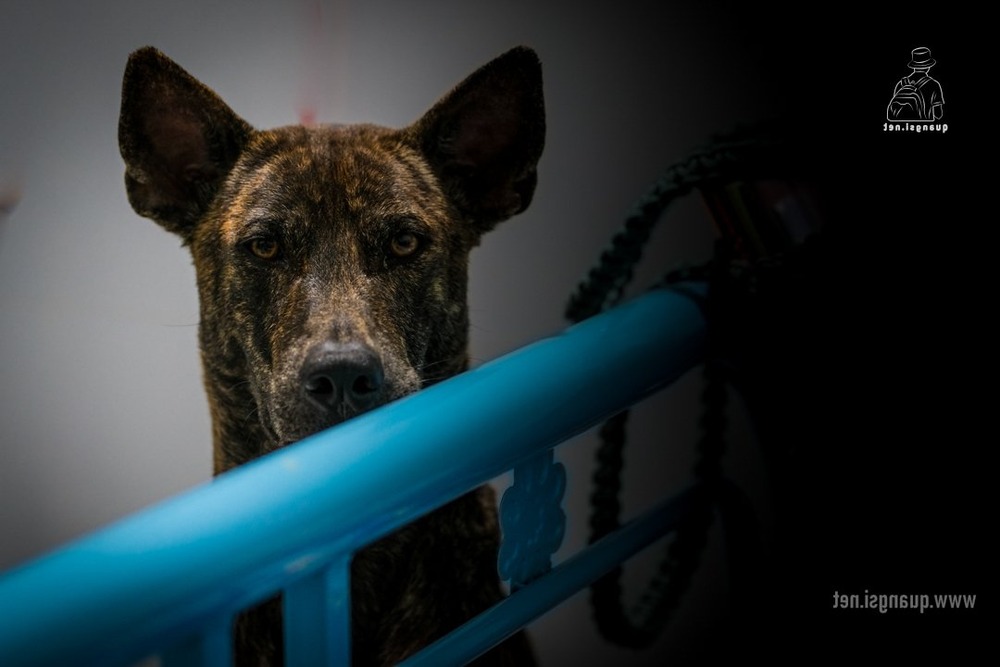
The Phu Quoc Ridgeback (Chó Phú Quốc) is associated with Phu Quoc Island in southern Vietnam. Island geography matters because it can shape a local dog population over time. When people describe the breed as athletic and capable across rough ground, that is consistent with a dog that historically needed to move confidently through varied terrain.2
In Vietnam, the breed is often discussed as a local treasure, and it has a formal breed standard through the Vietnam Kennel Association (VKA).2, 4
Outside Vietnam, recognition is still limited. You will see the breed discussed by enthusiasts and breed organisations, but it is not currently recognised by the FCI, which affects how easy it is to find consistent breeding, showing, and registry pathways depending on where you live.2
Physical characteristics that matter day to day
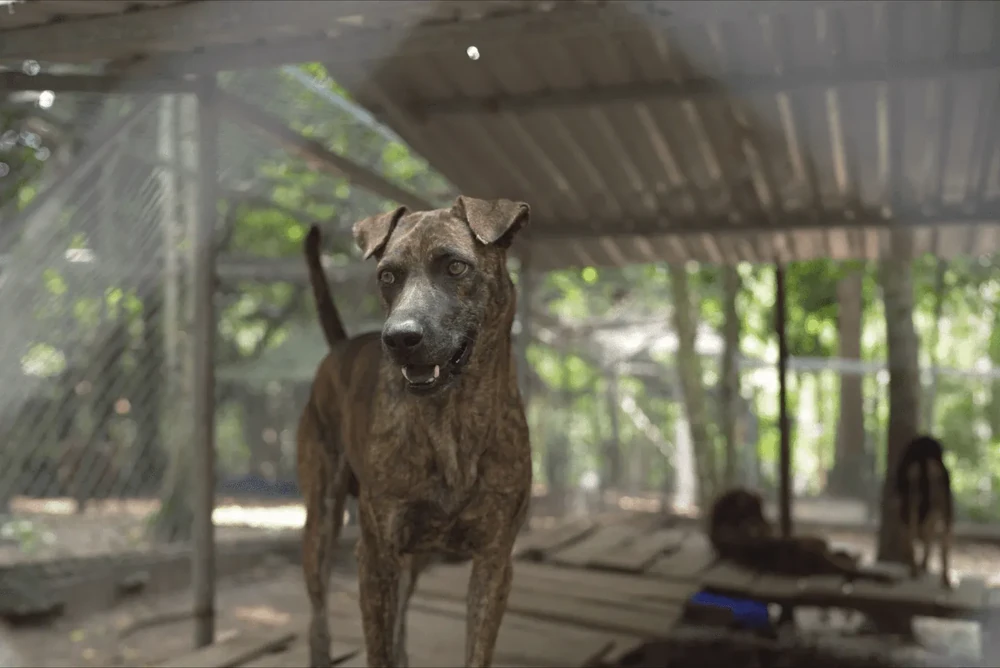
The headline feature is the ridge: a line or shaped patch of hair along the back that grows in the opposite direction to the rest of the coat. In ridgeback breeds generally, the ridge is a defining trait, but it should not be the only thing you select for if you are assessing a dog for suitability and health.3
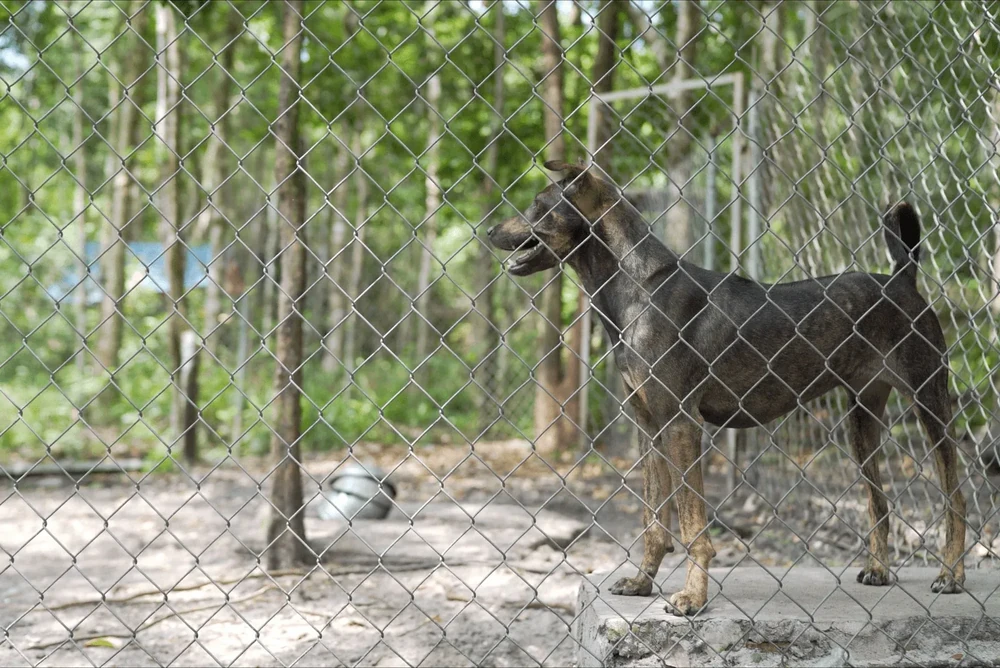
Most Phu Quoc Ridgebacks are medium sized, lightly muscled, and built for speed and endurance rather than bulk. A dog put together like this often needs more than a casual stroll. It tends to cope best with a steady routine of movement, training, and downtime, rather than long stretches of boredom.
Some sources also describe webbed feet in the breed, which fits an island origin and can contribute to strong swimming ability.5
Temperament and behaviour
Owners and breed groups commonly describe the Phu Quoc Ridgeback as intelligent, alert, and strongly attached to its people. In practical terms, this can look like a dog that watches what is going on, learns patterns quickly, and notices change, such as visitors, unusual noises, or routine shifts.6
With strangers, a more watchful stance is not unusual in guarding and hunting types. That does not automatically mean aggression, but it does mean socialisation and thoughtful introductions matter. The goal is not to force friendliness, it is to build calm, predictable responses to everyday life.
With children, many individuals do well when they are raised with respectful handling and given space to rest. As with any athletic, fast-moving dog, supervision is wise, especially during high-energy play when arousal can spill over into bumping, grabbing at toys too enthusiastically, or chasing games that get a bit intense.
Training and exercise needs
A bright, energetic dog usually does best with training that is clear, consistent, and rewarding. Positive reinforcement is not about being soft, it is about being precise, so the dog can repeat what works and practise settling when nothing is happening.
Early socialisation is especially helpful with rarer breeds, because you cannot assume a future adult dog will automatically feel comfortable with busy streets, vets, grooming tables, visitors, or other dogs. Think of socialisation as building neutral experiences: calm exposure at a distance, short sessions, and a chance to move away.
For exercise, aim for a daily mix of:
- Cardio movement, such as brisk walks, jogging (once mature), or free running in a secure area
- Skill work, such as recall games, basic obedience, scent games, or agility-style foundations
- Decompression time, such as sniffy walks and time to explore without constant cues
Because this is a lean, athletic type, prevention matters as much as fitness. Rapid increases in workload, lots of repetitive jumping, or slippery-surface play can be a setup for injury in any dog, even one that looks naturally tough.
Health considerations and lifespan
Lifespan is often cited at roughly 12 to 14 years, although individuals vary with genetics, care, and luck.2
The breed is frequently described as generally healthy, but it is still sensible to think in terms of known dog-wide risks. For example, hip dysplasia is a multifactorial condition linked to joint laxity and later arthritis. Genetics plays a role, and so do growth rate and bodyweight management.7
If you are buying a puppy, ask what health screening has been done in the lines, and what the breeder is doing to prioritise soundness and temperament. If you already own a Phu Quoc Ridgeback, a good baseline is:
- Regular veterinary checks and weight monitoring
- Conditioning that builds strength gradually
- Prompt assessment of persistent limping, stiffness, or reluctance to jump
One more nuance is worth mentioning. In ridgeback breeds, a congenital condition called dermoid sinus is classically associated with Rhodesian Ridgebacks, and has been reported in other breeds too. It is not proof of a problem in any individual Phu Quoc Ridgeback, but it is a reminder to choose breeders who take skin and spine health seriously, and to have any unusual midline skin openings checked by a vet.8
Grooming and maintenance
The short coat is usually easy to live with. A weekly brush or grooming mitt is often enough to remove loose hair and dust, and it gives you a chance to check the skin, paws, and ears.
Bathing can be occasional, depending on the dog and your climate. Over-bathing can dry the skin in some dogs, so a simple approach is best. Nails, teeth, and parasite prevention tend to make more difference to comfort than chasing a perfect shine.
If you live somewhere colder, remember that short-coated dogs can feel the cold more quickly. A warm indoor sleeping spot and sensible winter management can be more practical than trying to “toughen them up”.
Diet and nutrition
High-energy dogs do need appropriate protein, but “high protein” alone is not a complete plan. What matters most is feeding a diet that is complete and balanced, suited to life stage, body condition, and activity level.9
If you are choosing a commercial food, look for a reputable manufacturer with clear quality control and nutritional expertise. If you are feeding a home-prepared diet, it is worth involving a veterinary professional so the diet meets micronutrient needs, not just calories.10
Whatever you feed, keep an eye on body condition. Staying lean is one of the most useful, unglamorous ways to support joints and long-term mobility in active breeds.
Is a Phu Quoc Ridgeback right for your home?
It can be a rewarding match for people who enjoy training, daily movement, and living with a dog that pays attention. It is often less suited to households that want a low-exercise companion, or where the dog will spend long days without enrichment.
If you are on the fence, it helps to be honest about three things:
- Your time budget for exercise and training most days of the week
- Your environment, including secure fencing and space to move
- Your comfort with management, such as socialisation plans, calm visitor routines, and structured rest
When those pieces are in place, the ridge becomes what it should be: a distinctive detail on a capable dog, rather than the whole story.
References
- United Kennel Club: Thai Ridgeback breed standard (ridge trait described)
- Wikipedia: Phu Quoc Ridgeback overview (origin, basic stats, recognition notes)
- United Kennel Club: Thai Ridgeback (ridgeback breeds context and ridge description)
- Phu Quoc Ridgeback Kennel Club: Breed standard summary and VKA standard reference
- DogZone: Phu Quoc Ridgeback (webbed feet and general description)
- Phu Quoc Ridgeback Association: Breed overview (general temperament and athleticism)
- American College of Veterinary Surgeons: Canine hip dysplasia overview
- American College of Veterinary Surgeons: Dermoid sinus (pilonidal sinus) overview
- World Small Animal Veterinary Association (WSAVA): Global Nutrition Guidelines
- British Small Animal Veterinary Association (BSAVA): Companion animal nutrition position statement