

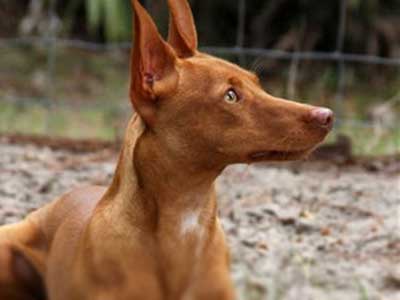
People usually stumble across the Podenco Andaluz in a photo first, a lean dog with enormous, upright ears and an expression that looks switched on. Sometimes it happens in real life, too, when you meet a newly adopted Spanish hunting dog and wonder why they move like an athlete, scan the horizon on walks, and seem to notice every rustle in the grass.
It is tempting to label them as “just a sighthound” or “just a hunting dog”, then stop there. In practice, living with a Podenco Andaluz is more nuanced. Their instincts can be beautifully functional outdoors, then surprisingly gentle and settled at home, as long as their day includes the right kind of movement and stimulation.
What matters is not whether the breed is “easy” or “hard”. It is whether their needs match your routines, your space, and the sorts of animals and people already in your life.
- Breed category: Hound (warren hound type)
- Country of origin: Spain (Andalusia)
- Recognised by: Real Sociedad Canina de España (RSCE), not accepted by the FCI1
- Sizes: Small, medium, and large (breed standard includes all three)1
- Coat types: Smooth, “cerdeño” (wire/long), and “sedeño” (long/silky)1
- Typical lifespan: Often around 10 to 14 years (varies with size, care, and individual)2, 3
- Exercise needs: High, with a strong need for safe off-lead running and enrichment
Origins, development, and what “podenco” really means
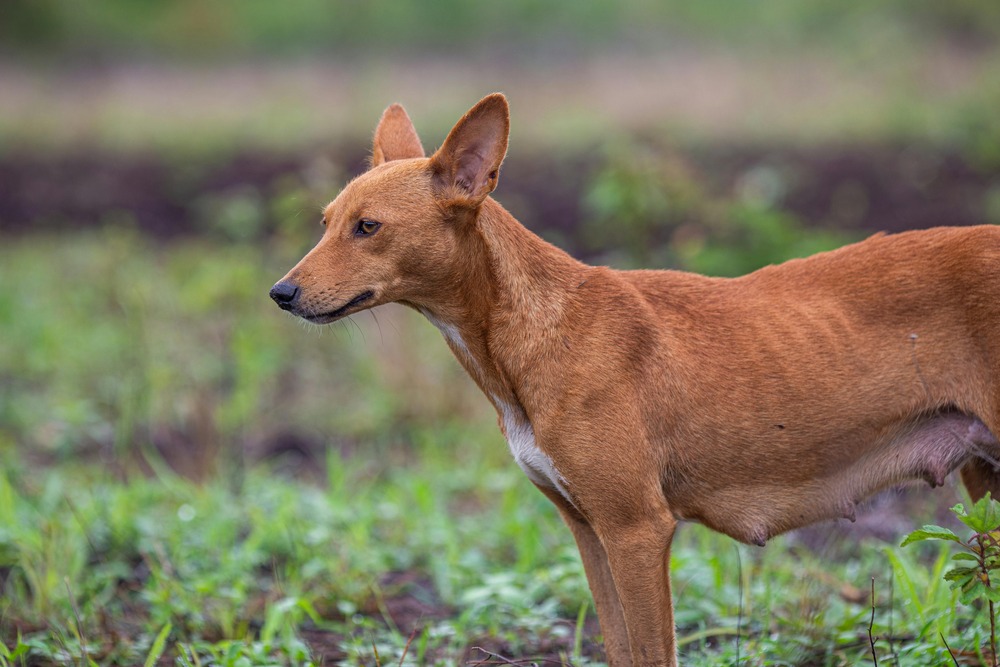
The Podenco Andaluz is an indigenous Spanish hunting dog from Andalusia, traditionally used to hunt rabbit and other game. In Spain, it is recognised by the RSCE, with an official standard that describes its function as a hunting dog with notable stamina, agility, and scenting ability.1
You will sometimes hear romantic origin stories linking podencos to very ancient “Egyptian hounds”. It is a common belief, and it might be part of the breed’s cultural storytelling, but it is not something you need to rely on to understand the dog in front of you. The more practical truth is that this is a working type shaped by landscape, hunting style, and selection for performance over generations.4
One important detail for owners is recognition. The RSCE standard explicitly notes the Podenco Andaluz as “not accepted (FCI)”, which helps explain why you may not see them widely listed in international kennel club systems, even though the dogs themselves are well established in Spain.1
Appearance, coat varieties, and size ranges
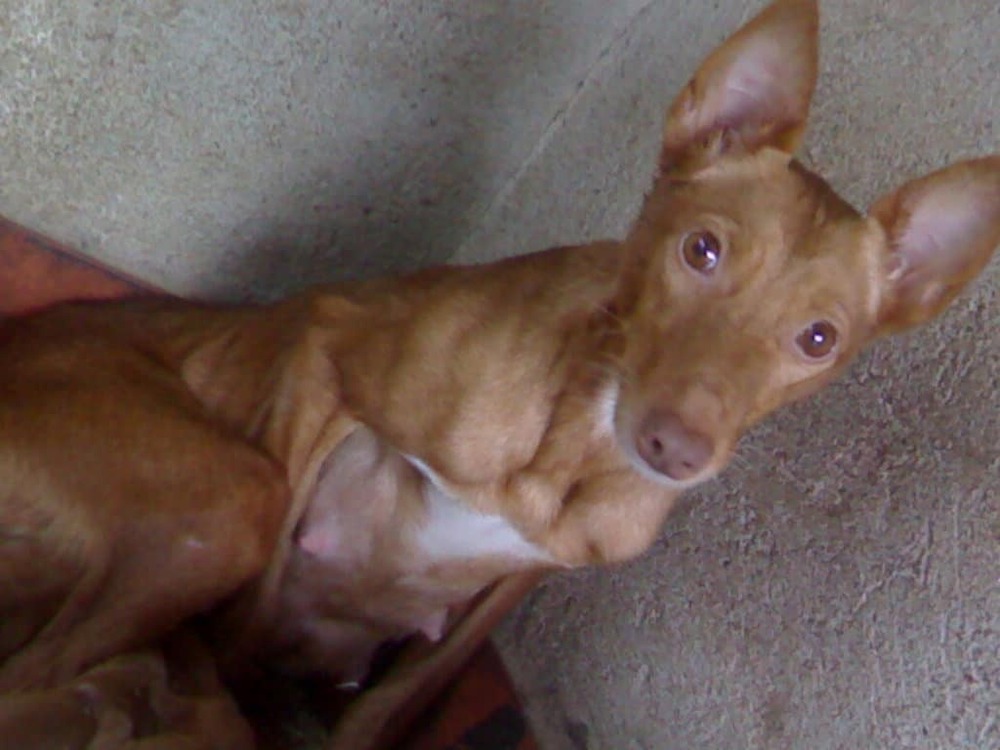
Part of the Podenco Andaluz’ “intriguing look” is that the breed standard allows three sizes and three coat types. That means two Podencos can look quite different while still sitting comfortably within the same standard.1
The RSCE standard breaks height at the withers into:
- Small: males 35 to 42 cm, females 32 to 41 cm
- Medium: males 43 to 53 cm, females 42 to 52 cm
- Large: males 54 to 64 cm, females 53 to 61 cm1
Weight in the standard is given as an approximate guide (with a plus or minus range), rather than a tight bracket. In other words, build and fitness matter as much as the number on the scales, especially for a dog bred to work efficiently for long periods.1
Coats are described as smooth (short), “cerdeño” (wire and longer), and “sedeño” (silky and longer). Many have little to no undercoat, which can influence how they cope with cold weather and how much warmth they need at night or after rain.1
Temperament, instincts, and day-to-day life at home
The RSCE standard describes a dog that is intelligent, sociable, alert, and strongly motivated for hunting work, with the capacity to be trained.1 In ordinary home life, that often translates to a dog who watches the world closely and responds quickly to movement.
It is worth holding two truths at once:
- Many Podencos can be very companionable and enjoy being near their people, particularly once they feel safe and have predictable routines.
- A strong chase response can still show up, especially around fast-moving wildlife, running cats, or small pets outdoors.
Owners often do best when they plan for management, not wishful thinking. That means secure fencing, a well-fitted harness, and careful decisions about when off-lead freedom is truly safe.
Training and exercise that suits a hunting brain
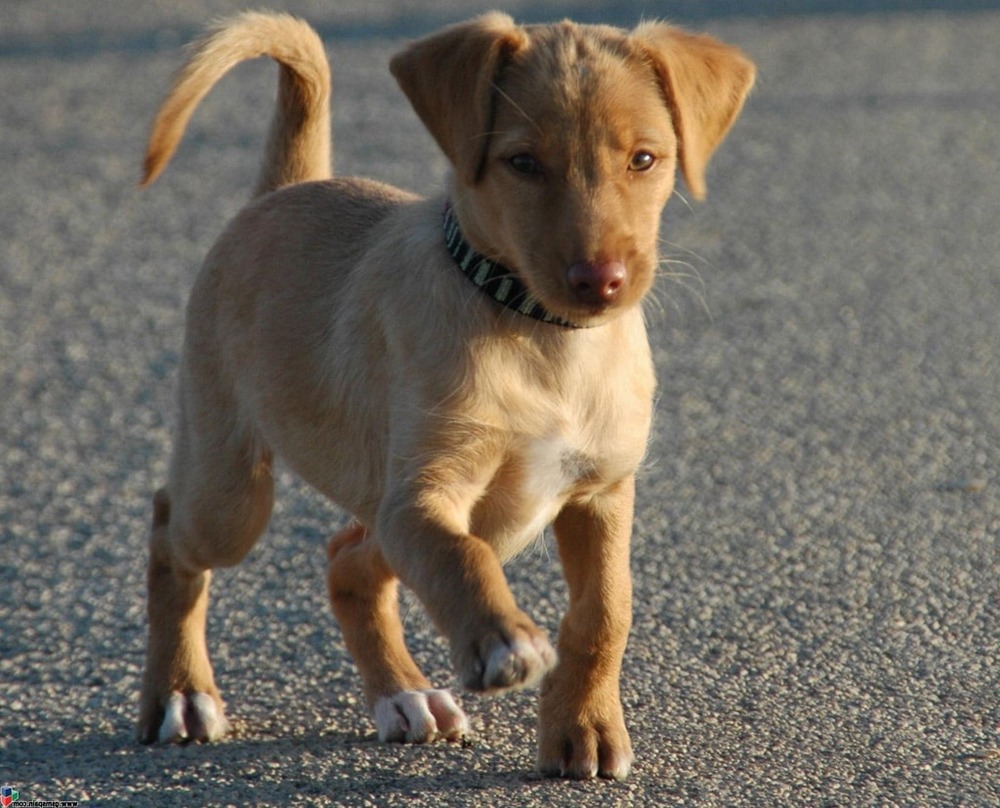
Podenco Andaluz dogs are built for movement, and they tend to cope best when their exercise is both physical and mentally satisfying. Long, repetitive walks can help, but many also benefit from activities that engage natural skills like searching, tracking scent, and scanning the environment.
Positive reinforcement is a sensible default, not because the breed is fragile, but because it tends to produce clearer learning and better reliability when distractions are high. When the environment is full of interesting scents and movement, you are not competing with “stubbornness”, you are competing with instinct and reinforcement history.
If you want a simple, workable weekly rhythm, aim for a mix of:
- Daily decompression walks on a long line in low-pressure environments
- Short training sessions that practise recall foundations, leash skills, and calm settling
- Scent games (scatter feeding, “find it”, simple tracking) to tire the brain
- Opportunities to run in a fully secure area where you can keep everyone safe
Where people come unstuck is assuming a tired dog is automatically a “good” dog. Fitness increases quickly in athletic breeds, so the goal is a balanced routine that includes rest skills, not just more kilometres.
Health, ears, and preventative care
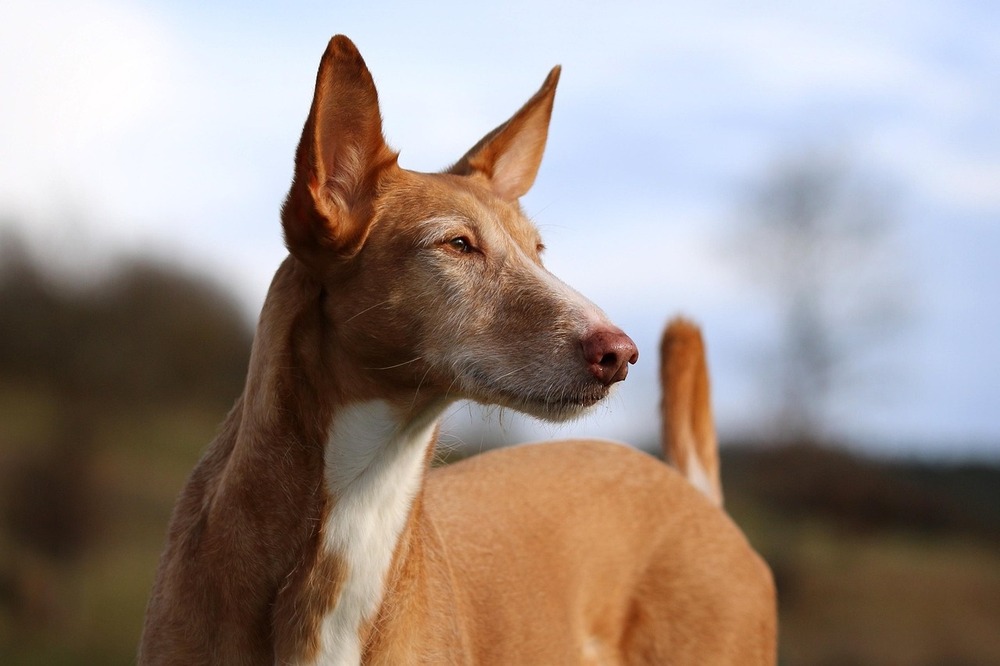
The Podenco Andaluz is often described as generally robust, particularly compared with some highly exaggerated modern show types. Still, any individual dog can develop common issues that have little to do with breed, including skin allergies, parasites, and injuries from an active lifestyle.
Ears are worth a special mention. You will sometimes see breed summaries that say erect ears mean fewer ear infections. In reality, any dog can get otitis externa, and risk is influenced by allergies, moisture, foreign material like grass seeds, and the shape of the ear canal. Long, heavy ear flaps can increase risk for some dogs, but upright ears are not a guarantee of protection.5, 6
Practical ear care looks like this:
- Notice early signs: head shaking, scratching, odour, redness, discharge6
- Avoid “routine deep cleaning” unless your vet has advised it, over-cleaning can irritate the ear canal6
- See your vet promptly if symptoms persist, repeated infections often have an underlying cause such as allergies6, 7
Grooming and coat care, kept simple
Grooming needs depend on coat type. Smooth-coated dogs are often quick to maintain, while the longer “cerdeño” and “sedeño” coats can need more frequent brushing, especially around friction areas where tangles form.
A calm routine is usually enough:
- Weekly brushing as a baseline, more often for longer coats1
- Nails trimmed before they get long enough to change gait
- Teeth and gum checks, dental disease is common across dog breeds and often silent early on8
If your Podenco lacks much undercoat, comfort becomes part of care. In colder Australian winters, some will appreciate a warm sleeping spot and, for some individuals, a coat for early mornings or after getting wet.
Feeding, body condition, and keeping joints happy
Feeding a Podenco Andaluz is rarely about a “special” diet and more about matching intake to an athletic lifestyle. Choose a complete and balanced food appropriate to age and activity level, then adjust portions based on body condition rather than the packet alone.
Two small habits make a difference over time:
- Measure meals for a week or two when routines change, such as after desexing, injury, or a move
- Use training rewards thoughtfully, a lot of “mystery weight gain” is just extra calories delivered in tiny pieces
For dogs that live for chasing and sprinting, fitness is a gift, but it also increases the importance of warm-ups, sensible surfaces, and not asking for explosive effort when cold or under-conditioned. These are the small choices that help protect muscles and joints across the years.
Is this breed a good fit?
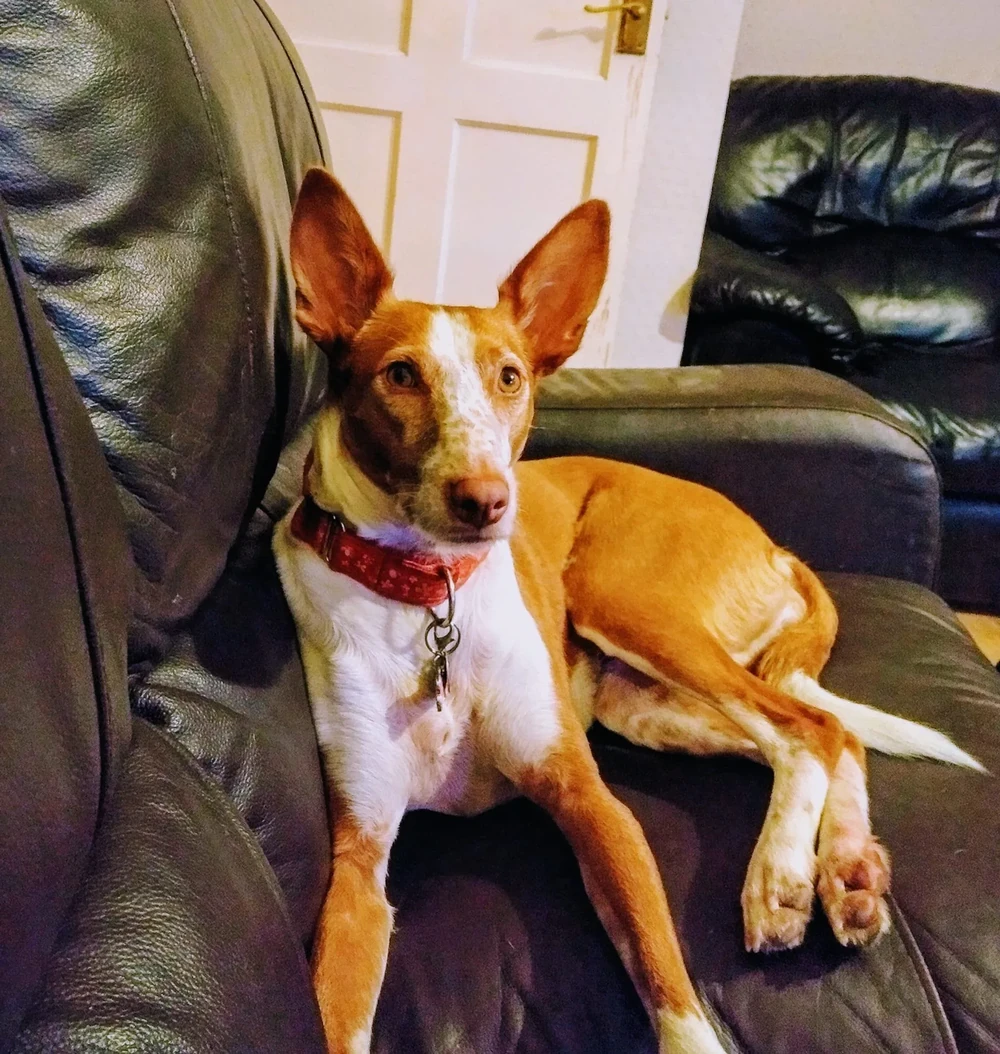
The Podenco Andaluz can be a wonderful match for the right household, particularly for people who enjoy being outdoors and who take training as an ongoing relationship rather than a short project.
They tend to suit homes where people can offer daily movement plus meaningful enrichment, and where management is taken seriously around wildlife and small animals. They are often less suited to households wanting an off-lead dog by default, or a dog who is content with minimal exercise and a small backyard.
If you are meeting an adult rescue Podenco, remember that individual history matters. Prior socialisation, past hunting experience, and the stress of transport or rehoming can all shape behaviour early on. A patient settling-in period, predictable routines, and support from a qualified trainer can help you see the real dog underneath the transition.
References
- Real Sociedad Canina de España (RSCE) breed standard: Andalusian Warren Hound (Podenco Andaluz)
- Wikipedia: Podenco Andaluz (overview, recognition notes, sizes and coat types)
- zooplus Magazine: Podenco Andaluz breed profile (sizes, coat varieties, general care)
- Encyclopaedia Britannica: Podenco (background on podenco-type dogs)
- Animal Medical Center: Ear infections in pets (causes and risk factors)
- The Kennel Club: Otitis externa (ear infection) in dogs
- American College of Veterinary Surgeons (ACVS): Otitis externa (overview and underlying causes)
- RSPCA Knowledgebase: Why dental care is important for dogs