

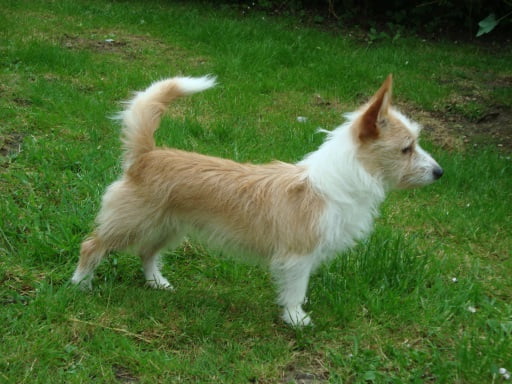
People often find the Portuguese Podengo because they have met one on a walk, seen a wiry, big-eared little dog at a show, or started noticing the breed name in rescue listings and wondered, “What exactly is a Podengo, and what are they like to live with?” They can look deceptively simple, a lean body, upright ears, a fox-like head, but they tend to move through the world with the focus of a dog that was bred to notice things.
It is also easy to assume that a small, tidy-looking hound will be easy in a small home. With Podengos, size is only part of the story. Their history is tied to hunting and working alongside people, so what usually matters most in day-to-day life is how you meet their need for movement, sniffing, and problem-solving.
When those needs are met, the Podengo can be a steady, bright companion with a practical sort of confidence. When they are not, the same qualities that make them excellent hunters, alertness, independence, persistence, can show up as restlessness, chasing, or selective listening.
At a glance: what “Portuguese Podengo” can mean

In Portugal, “Podengo” commonly refers to one national breed with three size varieties (Pequeno, Medio, Grande) and two coat types (smooth and wire).1 In other countries, registration can be more complicated. For example, in the United States the American Kennel Club recognises the Portuguese Podengo Pequeno as a separate breed from the larger Podengo sizes, so you may see different names depending on where you live and which kennel club you are reading.2
The figures you will see most often for the two smaller varieties align with the breed’s traditional working roles:
- Pequeno: about 20 to 30 cm and 4 to 6 kg.
- Medio: about 40 to 55 cm and 16 to 20 kg.
Life expectancy is often quoted as roughly 12 to 15 years, although individual health, breeding, and lifestyle matter more than any single number.3
Origins and working background

The Podengo is classed by the Federation Cynologique Internationale (FCI) among primitive type hunting dogs, with Portugal listed as the country of origin.1 Breed histories commonly describe them as a very old type, shaped by practical needs over a long period, rather than a modern designer cross or a breed created for a narrow look.
Traditionally, the sizes had different jobs. The Pequeno is strongly associated with rabbit hunting and working in tight, rocky places, while the larger sizes have been used for bigger game or different styles of hunting depending on region and terrain.1, 2
For many owners, the most useful takeaway is this: a Podengo’s instincts were not an afterthought. Even in a family home, you are often living with a dog that is ready to scan, chase, and investigate, especially if movement catches their eye.
Temperament, in real households
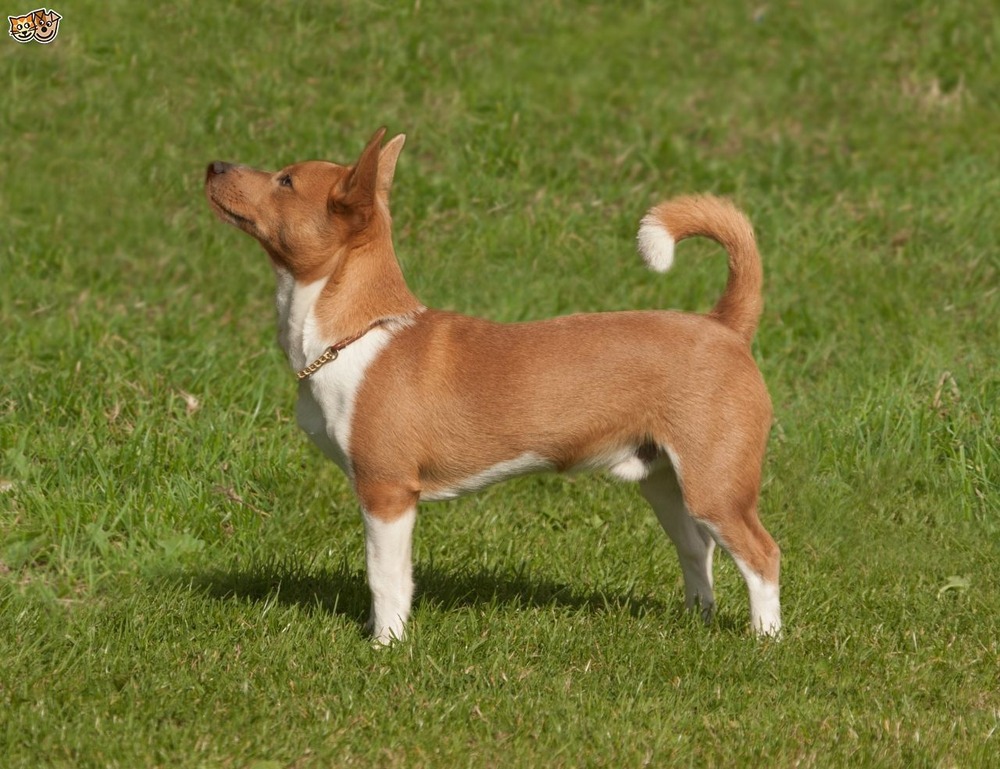
Podengos are typically described as lively, bright, and alert. They can be affectionate with their people, but they are not always “soft” dogs in the way some companion breeds are. Many have a practical independence that shows up as thinking before complying, especially if the environment is more interesting than you are.
With children, success often comes down to two things: sensible supervision and teaching kids how to interact with any dog, calmly, gently, and with respect for space. With other pets, early introductions and management matter. The Podengo’s prey drive is not a character flaw, it is a feature, so small animals (including pocket pets, cats that run, and wildlife in the garden) can be a particular challenge in some homes.
If you are looking for a dog that wants to join you in daily life, walks, training, and low-key games, many Podengos do well. If you want a dog that is reliably uninterested in movement outdoors, this may not be the easiest fit.
Training that suits the Podengo mind
Podengos tend to do best with reward-based training that makes sense to them and is practised in short bursts. Punishment and harsh corrections can backfire, not because the dog is “stubborn”, but because they often become wary, switch off, or decide the handler is unpredictable.
The RSPCA recommends reward-based training built around positive reinforcement, and advises avoiding aversive tools and methods (for example, prong collars, choke chains, and shock devices) due to welfare risks and the potential for longer-term behaviour problems.4
With a Podengo, it also helps to train the skills you will use in everyday life, not just formal cues. Consider putting time into:
- Recall foundations in low-distraction areas, then gradually building difficulty.
- Loose-lead walking with reinforcement for checking in.
- Handling and cooperative care (ears, feet, gentle mouth checks).
- Calm settling, so the dog learns how to rest when nothing is happening.
Because chasing can be so reinforcing, many owners find management is just as important as training. A long line, secure fencing, and choosing safe off-lead spaces can prevent a lot of frustration for both dog and human.
Exercise and enrichment, beyond the daily walk

Podengos are often described as high energy, but it is more accurate to say they can be highly engaged. A brisk walk alone may not satisfy a dog that was built to hunt, problem-solve, and keep going.
Good outlets usually combine movement with purpose. Depending on your dog and your local options, that might include scent games in the yard, structured retrieving, agility foundations, or simply letting them forage for food from a scatter feed in grass. Many Podengos enjoy activities that use their nose and eyes, but they can also benefit from learning to “power down” afterwards.
Health notes and preventative care
Many sources describe the Portuguese Podengo and Podengo Pequeno as generally robust, with no long list of breed-specific conditions commonly discussed in the way some other breeds are. Even so, no breed is “health-proof”. Regular veterinary care, sensible weight management, and early attention to any changes in eyes, gait, or comfort will still matter.
Pay attention to the basics that make a big difference over time:
- Routine vet checks and staying up to date with parasite prevention appropriate to your area.
- Monitoring body condition, especially in desexed adults or dogs whose activity changes.
- Dental care, which is often underestimated, particularly in smaller dogs.
Grooming and coat care

Whether smooth or wire-coated, the Podengo is usually considered relatively straightforward to maintain. A weekly brush is often enough to lift dust and loose hair, with more frequent brushing during shedding periods. Wire coats can benefit from occasional tidying, but many owners keep grooming simple and functional.
Alongside coat care, plan for small, regular routines. Nail trims, ear checks, and basic handling practice are easier when they are normal, calm events rather than a rare wrestling match.
Feeding and keeping a lean body
Most Podengos suit a balanced diet that supports an active lifestyle, with portions adjusted to the individual dog rather than the label alone. If you are comparing foods online, it helps to look beyond ingredient marketing and focus on whether the diet is complete and appropriate for your dog’s life stage and health needs.
The World Small Animal Veterinary Association (WSAVA) Global Nutrition Committee provides guidance for owners on selecting pet food and interpreting nutrition information, including how internet advice and ingredient lists can be misleading without wider context.5
If your Podengo is doing a lot of training, it is easy to overfeed with treats. A simple habit is to measure daily food, then “spend” part of it on training rewards, especially for small dogs.
Living with a Podengo: a grounded expectation
A Portuguese Podengo can be a wonderful match for someone who enjoys an observant, active dog and is happy to invest in training that feels like a conversation rather than a command. In return, you often get a companion that is quick to learn, steady in routine, and noticeably present in their surroundings.
The best outcomes usually come when people choose the dog in front of them, not just the breed description. Meet adults if you can, ask what the dog is like with movement and noise, and be honest about your household and how you actually spend your days. With the right fit, the Podengo’s practical, ancient sort of dogginess is exactly the appeal.
References
- FCI: Podengo Português (Standard and classification)
- American Kennel Club: The Portuguese Podengo Pequeno is a lively little rabbit hunter
- The Spruce Pets: Portuguese dog breeds (includes Portuguese Podengo Pequeno overview)
- RSPCA Knowledgebase: Training recommendations and reward-based methods
- WSAVA: Global Nutrition Guidelines and pet owner resources
- United Kennel Club (UKC): Portuguese Podengo breed standard overview
- RSPCA Knowledgebase: How to socialise your puppy
- RSPCA Australia: Socialising your puppy (practical exposure ideas)