

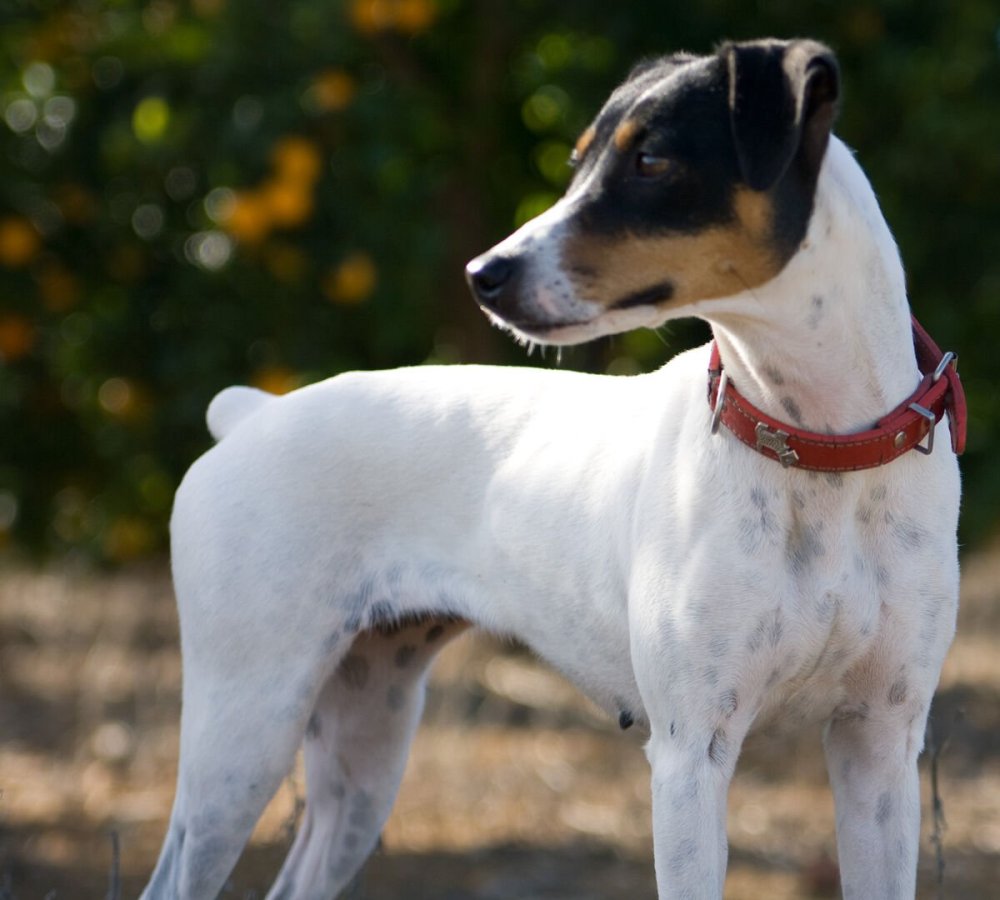
You might first notice them as a small, mostly white terrier with a sharp little face, busy feet, and a way of scanning the world like it is full of interesting jobs. Or you might come across the name, Ratonero Bodeguero Andaluz, and wonder whether it is simply another Jack Russell type, just with a Spanish passport.
The truth is a bit more specific, and more useful. This is a terrier shaped by a particular place and purpose, the wine cellars of western Andalusia, where quick movement, confidence in tight spaces, and persistence around vermin mattered every day. That history still shows up in the modern dog, in the way they move, the way they watch, and the way they can switch on when something catches their attention.
For the right home, that spark is a delight. For the wrong home, it can become noise, restlessness, and frustration. Understanding what sits underneath the breed’s charm helps you decide what they need to live well with people.
- Breed category: Terrier
- Country of origin: Spain
- Typical height: about 32 to 40 cm at the shoulder
- Typical weight: often around 7 to 8 kg
- Typical lifespan: around 12 to 15 years (varies by individual and care)
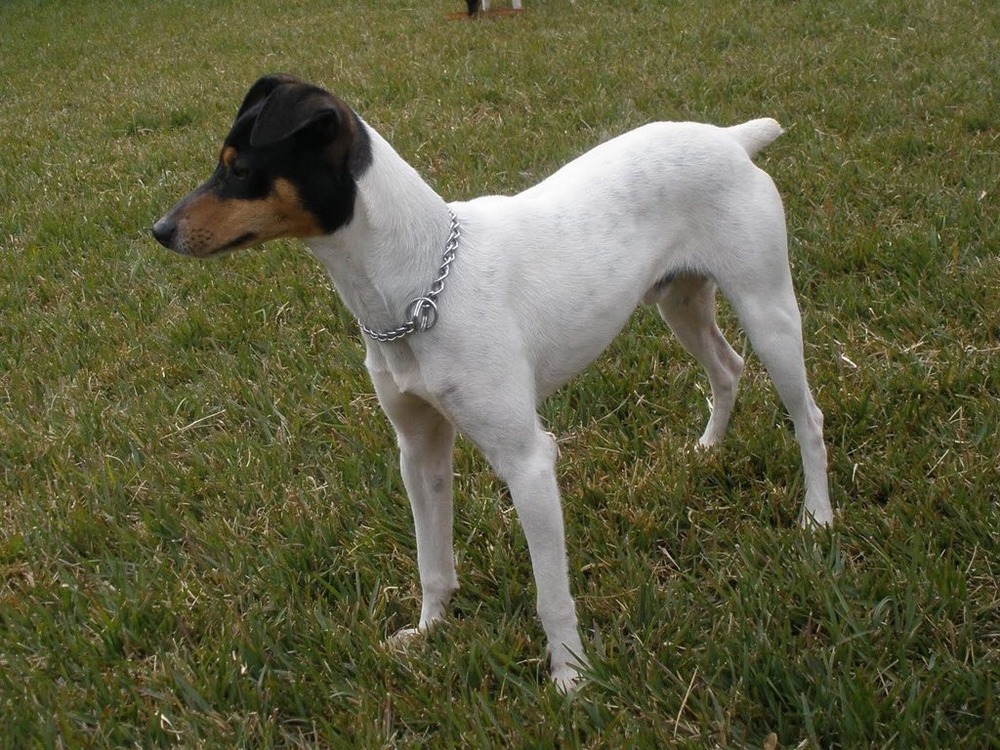
- Coat: short and smooth, commonly white with black and tan markings
- Energy needs: high, daily exercise and mental work help
Where the breed comes from, and what it was built to do
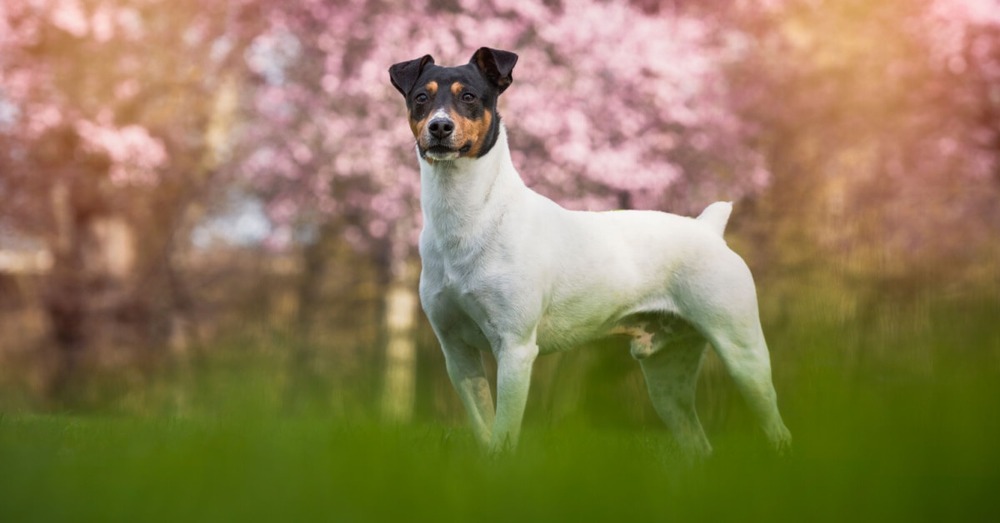
The name tells you a lot: “ratonero” points to ratting, and “bodeguero” links to bodegas, the wine cellars where these dogs worked. Historically, smooth-coated terriers brought by British and other European wine merchants were crossed with local dogs in the Jerez region, producing a hardy, agile cellar ratter that could work close to barrels and corners with speed and accuracy.3
This is also a breed with strong regional identity. The international picture has shifted recently, with the FCI accepting the Ratonero Bodeguero Andaluz on a provisional basis in September 2024 and publishing an official standard at the same time.1 Breed recognition and standards can be a moving target across organisations, so it is worth checking which body a breeder or club is referencing when they talk about “recognition”.
What “ratting heritage” looks like at home
Many owners notice the practical side of the history: a dog that is quick to investigate movement, eager to chase, and often keen to patrol fences, garden edges, and anything that rustles. It does not mean a well-bred, well-raised dog must “hunt” in daily life, but it does mean they usually benefit from safe outlets for that interest, such as scent games, supervised digging areas, structured fetch, and training that channels excitement into a task.
Temperament, and what tends to suit them best
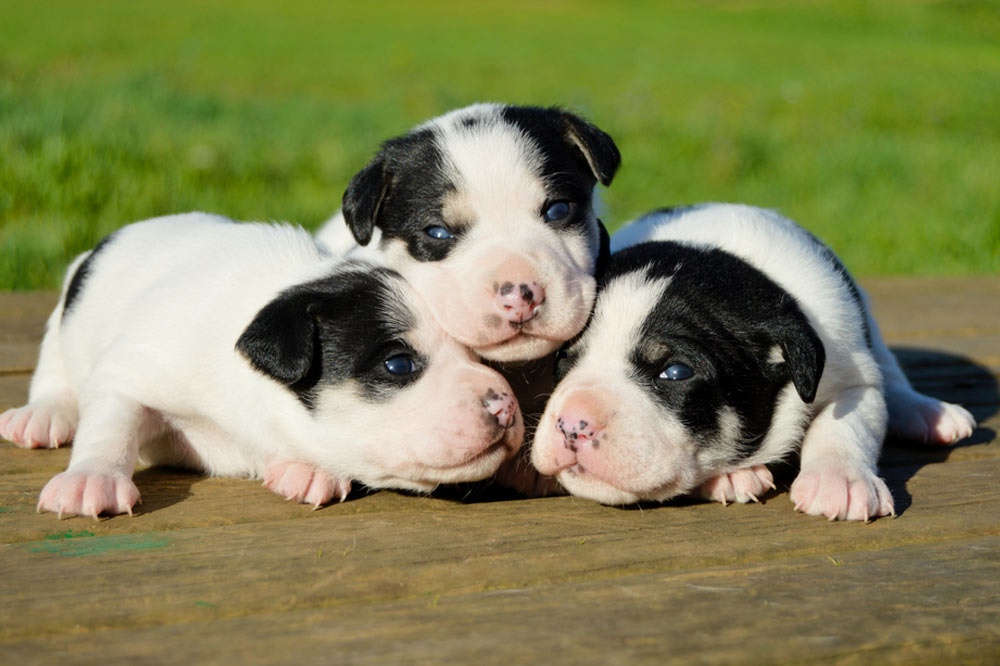
In broad strokes, the Ratonero Bodeguero Andaluz is often described as lively, bold, and people-oriented, with a bright, curious presence. The FCI standard also emphasises an inquisitive, affectionate temperament alongside courage and aptitude for hunting rodents.1
The part that catches some families out is the combination of high arousal and high intelligence. These dogs can learn quickly, but they also tend to rehearse behaviours that work for them, including barking, rushing the front window, or turning every small event into a game. Clear routines, appropriate exercise, and steady training make a noticeable difference.
Children, visitors, and everyday handling
Many terriers can do very well with children when the environment is managed thoughtfully: calm adult supervision, respectful handling, and predictable downtime. With guests, the goal is usually to reduce excitement rather than “push through it”. Teaching a mat settle, using a lead indoors when needed, and giving the dog a quiet place away from the front door can prevent the pattern where the dog practises frantic greetings.
Other dogs, cats, and small pets
With other dogs, many individuals are social and playful, especially when they have had good early experiences. With cats and small pets, their heritage matters. Some can live safely with cats when introduced carefully and managed well, while others will always find quick movement hard to ignore. If you have rabbits, guinea pigs, rats, or free-ranging birds, assume you will need secure separation rather than goodwill.
Training and exercise that actually helps
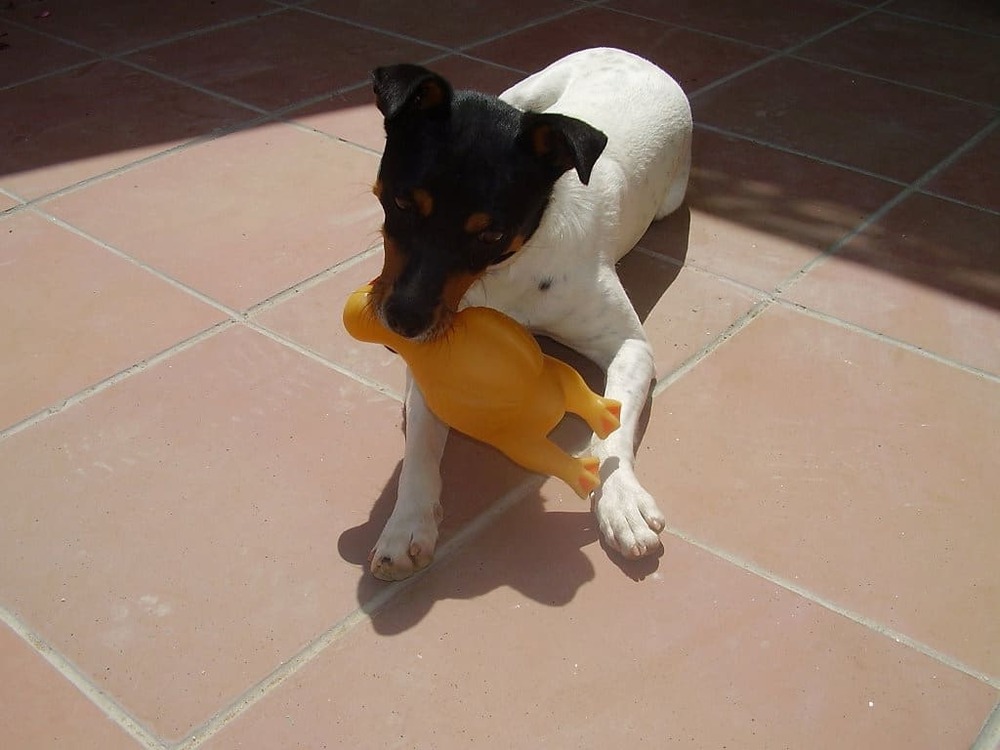
The best training for a dog like this usually feels less like drilling commands and more like building habits. Reward-based methods, short sessions, and practical skills you use every day are a good match for terrier brains. The RSPCA recommends reward-based training for puppies and socialisation work that is safe and positive, particularly during the critical socialisation period.4
A simple way to think about exercise is that they need both movement and meaning. A brisk walk is useful, but many dogs also need a job to focus on, otherwise they create their own.
- Sniff walks: let them investigate, rather than marching the whole time
- Scatter feeding in grass or on a snuffle mat to meet foraging needs
- Recall games at home first, then in low-distraction areas
- Tug and release with clear rules (start, stop, trade)
- Agility-style play using low, safe obstacles and body awareness work
Socialisation without overexposure
Socialisation is not about flooding a puppy with experiences. It is about building calm, positive associations, especially between roughly 3 and 17 weeks of age, when experiences can strongly shape later behaviour.4 If your puppy is unsure, create distance, lower the intensity, and reward curiosity and calm observation.
Health considerations, lifespan, and routine care
This breed is often described as generally robust, but any individual dog can still develop problems. The most practical approach is to choose a breeder who health tests thoughtfully, keep your dog lean, and have a vet you trust who is happy to talk prevention.
What owners commonly watch for
Depending on lines and lifestyle, people may discuss patellar luxation, joint strains, dental disease, and skin irritation from allergens or parasites. Not every dog will experience these, but they are common themes in small, athletic terriers and are worth keeping on your radar.
Preventive care that makes life easier
- Weight management: a lean dog is usually a more comfortable dog, especially for joints
- Parasite prevention: follow your vet’s advice for your area and your dog’s lifestyle
- Dental routine: tooth brushing is one of the most effective home habits for oral health, and veterinary dentistry groups emphasise regular brushing as a key preventive step.8
Coat care, grooming, and weather comfort
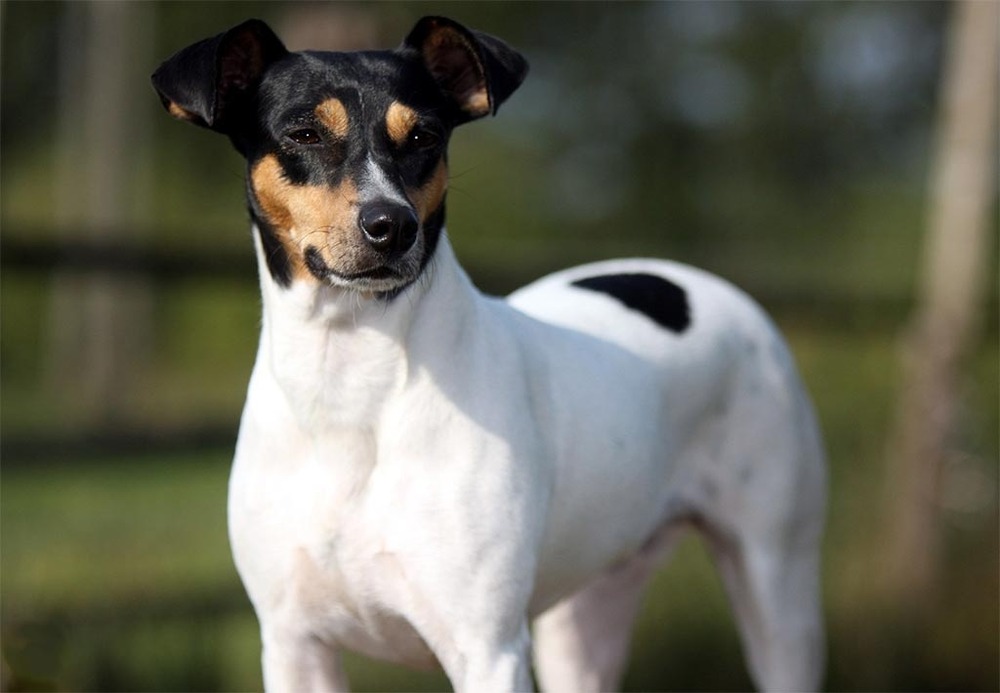
The short, smooth coat is usually low fuss. A weekly brush or rub-down helps lift dead hair and gives you a moment to check skin, ears, and paws. Nails often need trimming more regularly than people expect, especially if the dog spends a lot of time on grass rather than abrasive surfaces.
Because they have a light coat and a relatively lean build, many are less comfortable in cold weather than heavier coated breeds. In cooler months, a simple coat for early morning walks can improve comfort, which in turn can help behaviour. A cold dog is often a distracted dog.
Feeding well, without overdoing it
For an active terrier, food is both fuel and a powerful training tool. Many dogs do best on a complete, balanced diet that suits their life stage, with adjustments based on body condition and activity level. If you are uncertain, your vet is the most useful starting point, and the WSAVA Global Nutrition Committee provides widely used guidance to support veterinary teams and owners around evidence-based nutrition decisions.6
Be especially careful with treats, table scraps, and shared snacks. Some foods that seem harmless to people can be dangerous to dogs, including chocolate, grapes and raisins, onions and garlic, macadamias, and xylitol.7
A calm, practical way to manage food
- Use part of the daily ration for training, rather than adding extra calories
- Measure meals for a week, then adjust based on body condition, not guesswork
- If using human foods, keep it simple and dog-safe, and avoid salty, fatty, seasoned leftovers
Living with a Ratonero Bodeguero Andaluz in everyday life
They can be a good fit for unit living if their exercise and stimulation needs are met, but it is rarely a “low input” arrangement. Neighbours tend to notice a bored terrier. A home that enjoys training, routines, and active play is usually where this breed shines.
It also helps to think ahead about management. If you work long hours, plan for help. If your yard has gaps, expect them to find them. If wildlife passes through regularly, practise calm behaviour on lead before it becomes a daily chase ritual.
When people describe these dogs as charming, they are often responding to that alert engagement with the world. The sweet spot is teaching them that the world can be interesting without needing a big response every time. That is the point where a busy little ratter becomes a genuinely easy companion to live with.
References
- FCI: Ratonero Bodeguero Andaluz (Breed No. 371, provisional recognition and standard details)
- FCI: Ratonero Bodeguero Andaluz, official standard (PDF)
- Wikipedia: Andalusian Terrier (Ratonero Bodeguero Andaluz), background and recognition notes
- RSPCA Australia Knowledgebase: Is socialising my puppy important?
- RSPCA Australia: Socialising your puppy
- WSAVA: Global Nutrition Committee (guidelines and nutrition toolkit overview)
- RSPCA Pet Insurance: Foods to avoid feeding your dog
- American Veterinary Dental College: Home care handout (tooth brushing and dental prevention) (PDF)
- The Local Spain: Jerez declaration of intangible cultural heritage status for the breed (2020 reporting)