

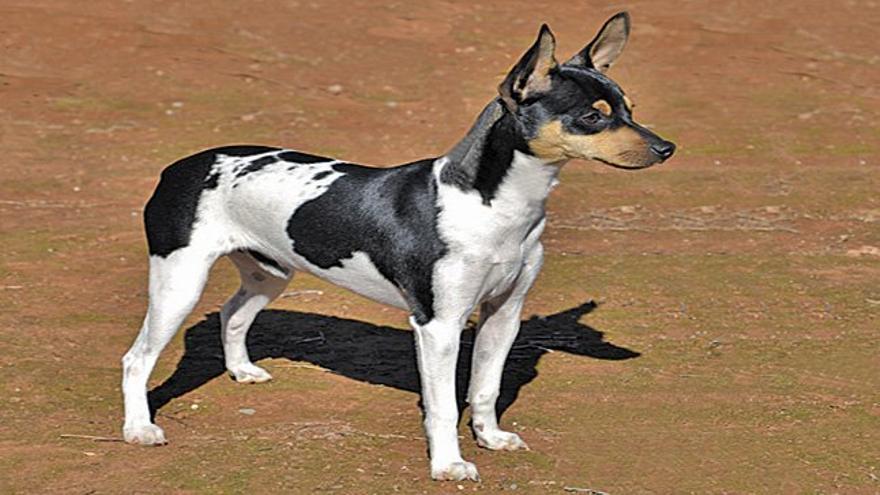
You might come across a Ratonero Valenciano because you have met a small, fast dog who never seems to miss a sound, or because you are looking for a compact companion that can keep up with a busy household. People often assume “small dog” means easy, low energy, and content with a short stroll. With this breed, that idea only takes you so far.
The Ratonero Valenciano (also known as the Gos Rater Valencià) tends to be bright, quick on its feet, and very tuned in to what is happening around it. That can be a joy in the right home, and a challenge in a home that wants a quieter, more sedentary dog. Understanding where the breed came from helps make sense of the behaviour you see day to day.
They were shaped by practical work, especially controlling rats and other rodents around farms and town edges in the Valencian Community of Spain. Even when kept purely as companions today, many still show the same “ready to go” mindset that once made them so useful.
Quick breed snapshot
Breed group: Terrier (FCI Group 3, provisionally recognised).1
- Origin: Valencian Community, Spain.2
- Size: Small to small-medium, typically around 29 to 40 cm at the withers, depending on sex and standard reference.3
- Weight: Commonly cited in the 4 to 8 kg range.3
- Coat: Short, smooth, generally low fuss.
- Life expectancy: Often reported around the early to mid teens, with variation between individuals and lines.4
Where the Ratonero Valenciano comes from, and why it still matters
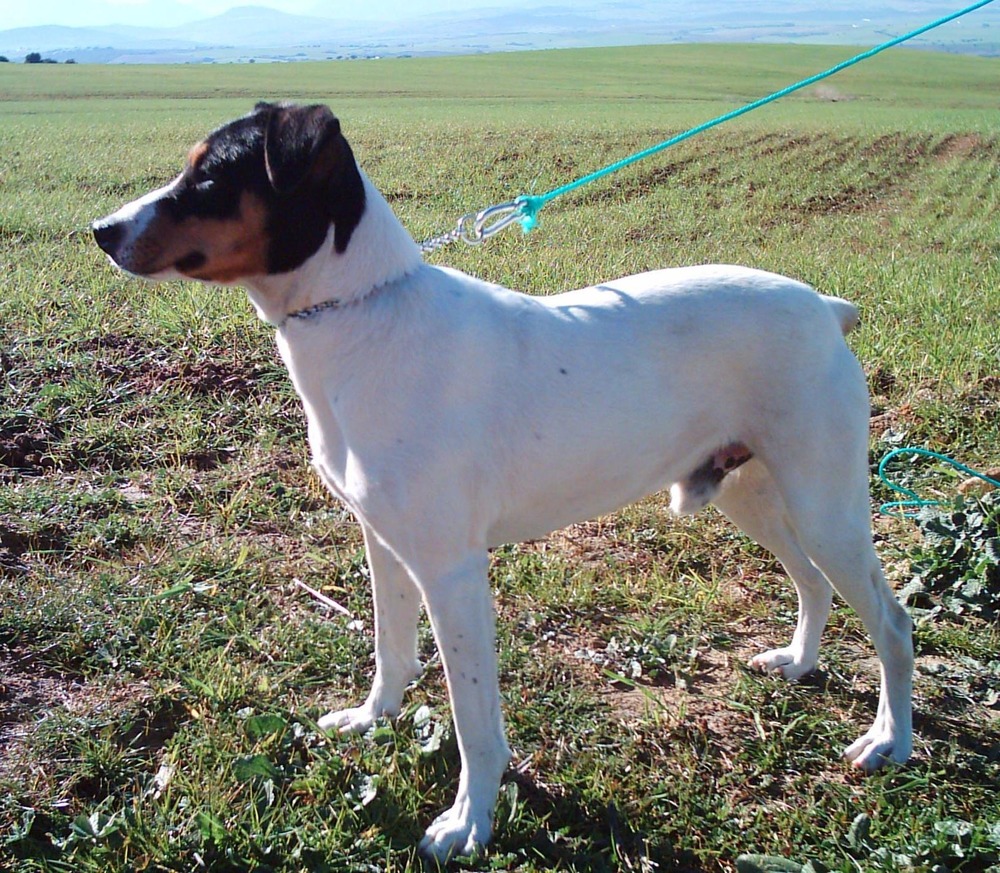
The name gives the game away. “Ratonero” points to ratting work, and in the Valencian region these dogs were valued for speed, agility, and persistence in tight spaces where rodents lived. It is not unusual for modern Ratoneros to show a strong interest in movement, rustling sounds, and anything that darts away.
Internationally, the breed is also known as the Valencian Terrier or Gos Rater Valencià. The FCI lists it as provisionally recognised, which matters mostly if you are looking at show lines, importing, or trying to understand which standard a breeder is working to.1, 3
If you are choosing one as a companion, the practical takeaway is simpler: they are built for “doing”. Many will be happiest when their day includes purposeful movement, a bit of problem solving, and a home that enjoys training as an ongoing habit rather than a short puppy phase.
Temperament, day to day behaviour, and family fit
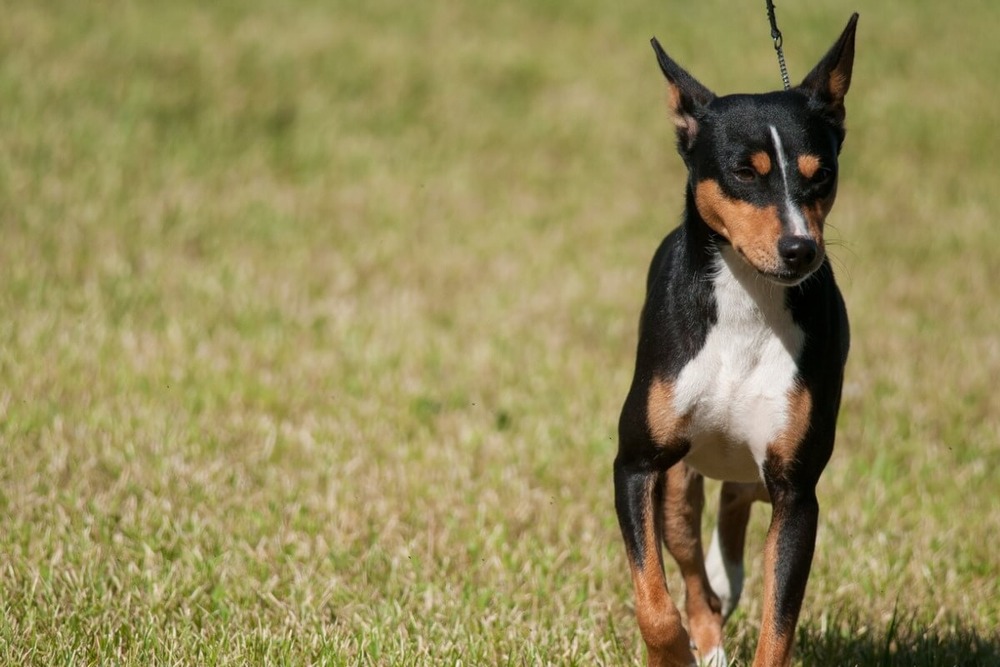
In most homes, the Ratonero Valenciano comes across as lively and observant. They can be affectionate with their people and often want to be near the action. Because they are quick to notice changes in their environment, some will vocalise when they hear footsteps, deliveries, or unfamiliar noises.
With children, outcomes are usually best when adults manage the environment carefully. That means supervising play, teaching children how to handle small dogs safely, and making sure the dog has a quiet place to rest. A dog that is repeatedly grabbed, cornered, or startled can learn to avoid contact, or to respond defensively, regardless of breed.
With other pets, early introductions help, but it is wise to stay realistic about prey drive. Some individuals will live happily with other dogs and even cats, while still being unsafe around pocket pets. Think in terms of management as much as training: set the household up to succeed, rather than relying on good intentions.
Training and exercise that suits a clever, busy terrier
Many Ratoneros learn quickly, but quick learning cuts both ways. If they discover that barking brings attention, that pulling gets them to interesting smells sooner, or that racing the recall is more fun than coming straight back, those habits can settle in early.
Reward-based training is widely recommended by animal welfare and veterinary behaviour organisations because it reduces fear and supports learning without relying on intimidation or pain.5 For this breed, that approach also suits their sensitivity and speed. Training tends to go best when sessions are brief, frequent, and woven into everyday life.
Rather than aiming for one big daily “exercise hit”, many owners find it helps to spread activity across the day:
- Sniff-heavy walks, where the dog can investigate and decompress.
- Short training bursts (recall games, hand target, loose-lead work).
- Food puzzles or scatter feeding to occupy the brain.
- Safe chasing and fetching games, with clear start and stop cues.
If apartment living is on the table, it can work, but only when the dog gets consistent outlets for both movement and curiosity. A bored terrier in a small space often turns into a noisy terrier in a small space.
Health overview, with a practical lens
No breed is “problem free”, and for the Ratonero Valenciano the biggest day to day health wins often come from routine basics done well: weight management, dental care, parasite prevention, and timely veterinary checks.
Small breeds can be more prone to dental disease, and it can creep in quietly. Veterinary dental guidelines commonly emphasise regular professional assessment and daily home tooth brushing as the most effective home care, with VOHC-accepted products (such as certain dental diets and chews) used as support rather than a substitute.6, 7
If you are buying from a breeder, ask what health screening is done in that line, and what issues they see in related dogs as they age. If you are adopting, your vet can help you build a sensible baseline plan, including dental checks, patella assessments, and a weight target that keeps the dog light on its feet.
Grooming, coat care, and comfort in different weather

The short, smooth coat is usually straightforward. Occasional brushing helps lift loose hair and gives you a chance to check skin, ears, and nails. Many owners find a soft rubber grooming mitt is enough for weekly upkeep.
Because they do not have heavy insulation, some individuals feel the cold. If your dog is reluctant to settle outdoors in winter, shivers on walks, or seems stiff when chilled, practical steps like a well-fitted coat can make a noticeable difference. Comfort matters because a dog that is too cold may rush walks, refuse toileting, or become more reactive simply from being uncomfortable.
Keep the routine simple and regular: nails short, ears clean, teeth managed. Those three basics prevent a lot of unnecessary discomfort in active little dogs.
Feeding and keeping them lean
Ratoneros often carry themselves like athletes, and staying lean helps protect joints and keeps movement easy. There is no single perfect diet for every dog, but it is worth choosing a complete and balanced food and then adjusting portions based on the dog in front of you, not the number printed on the bag.
If you are unsure, your vet can help you assess body condition score and set a realistic feeding plan. As a general rule, treats are easiest to manage when they are part of the daily allowance, not “extras” that accumulate without being noticed.
Be cautious with human foods. Some are toxic to dogs, including grapes and raisins, chocolate, and foods containing xylitol. When in doubt, check a reputable poison information resource before offering a taste.8
Final thoughts on living with a Ratonero Valenciano
The Ratonero Valenciano suits people who like an engaged, responsive dog and who do not mind a bit of management and training as part of everyday life. They can be affectionate companions, but they are rarely decorative pets.
If you enjoy a dog that notices everything, learns quickly, and wants a job, even if that “job” is a sniff walk and a training game before breakfast, this breed can be deeply satisfying. If you prefer a quieter, slower rhythm, it is kinder to choose a dog whose natural pace matches your home.
References
- Fédération Cynologique Internationale (FCI), Gos Rater Valencià (Valencian Terrier), breed listing
- Wikipedia, Ratonero Valenciano overview (with links to primary standards)
- Real Sociedad Canina de España (RSCE), Gos Rater Valencià breed standard (English PDF)
- DogPack, Valencian Ratonero (Gos Rater) breed overview
- RSPCA Australia, most effective training methods for dogs
- American Animal Hospital Association (AAHA), dental care guidelines and home oral hygiene recommendations
- Veterinary Oral Health Council (VOHC), accepted products for dogs
- ASPCA, toxic and non-toxic plants (and poison safety resource)
- RSPCA Australia, guidance on bathing dogs