

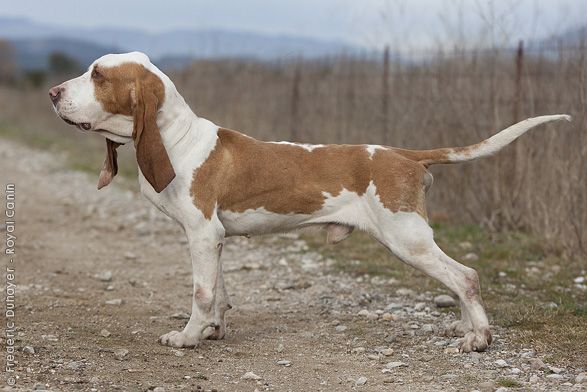
People often land on the Sabueso Español after noticing a particular kind of dog in a photo or video: long ears, a steady trot, nose down, seemingly able to follow a story on the ground that the rest of us cannot even see. Sometimes it comes up more practically, when someone is looking for a hound that is calmer at home than the average working dog, but still genuinely capable outside.
It is tempting to assume all scent hounds are interchangeable, then to be surprised when one feels more focused, more vocal, or more independent than expected. With the Sabueso Español, the details matter. This is a breed shaped by Spanish hunting culture, terrain, and the day-to-day reality of working by scent, which tends to produce dogs that can think for themselves, persist with a trail, and cope with long hours on the move.
Understanding what the Sabueso was bred for helps you make sense of what you might live with: a dog that can be gentle and companionable, but will still prioritise scent information over your opinion when the world smells interesting.
- Breed category: Scent hound (FCI Group 6)
- Country of origin: Spain
- Typical height: around 48 to 57 cm at the withers
- Typical weight: often around 20 to 30 kg
- Coat: Short, dense
- Exercise needs: High, daily outlets matter
- Grooming: Low to moderate
The Sabueso Español in context
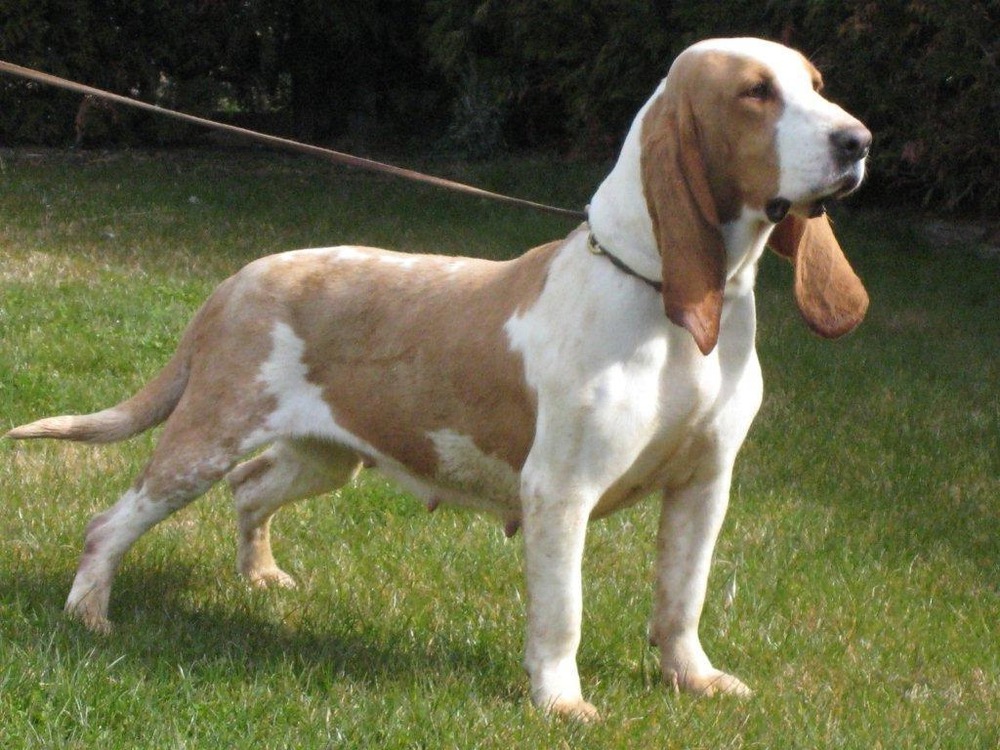
The Sabueso Español (Spanish Hound) is recognised by the Fédération Cynologique Internationale (FCI) as a medium-sized scent hound in Group 6.1 In plain terms, it is a dog built to search with its nose, track steadily, and keep going through difficult terrain when the trail is not straightforward.
That working background is still the most useful lens for understanding the breed today. Even in a non-hunting home, many Sabuesos will behave like dogs with a job: they notice scent changes, they investigate thoroughly, and they can be persistent when something captures their attention. This is not stubbornness for its own sake, it is a hound doing what it was selected to do.
Origins and recognition
The breed is strongly associated with the northern parts of the Iberian Peninsula, and the FCI lists Spain as the country of origin. The FCI notes definitive recognition in 1957, with the official standard published earlier (1982) and later publication details also listed in the breed record.1 You may see other years mentioned online, often because different kennel bodies recorded the breed at different times, or because people confuse national recognition with the FCI timeline.
What they tend to look like
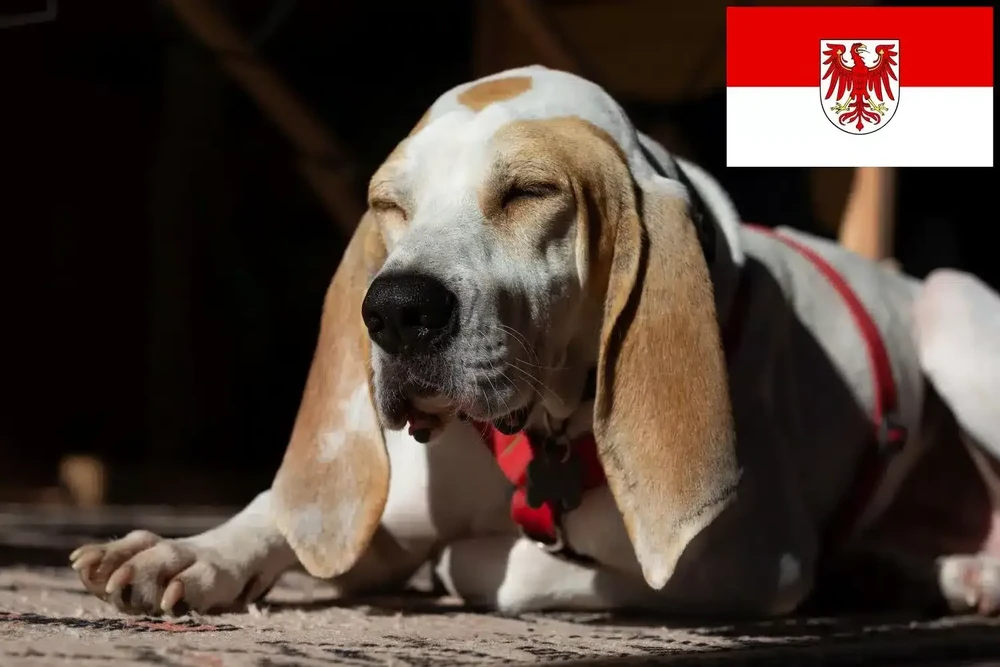
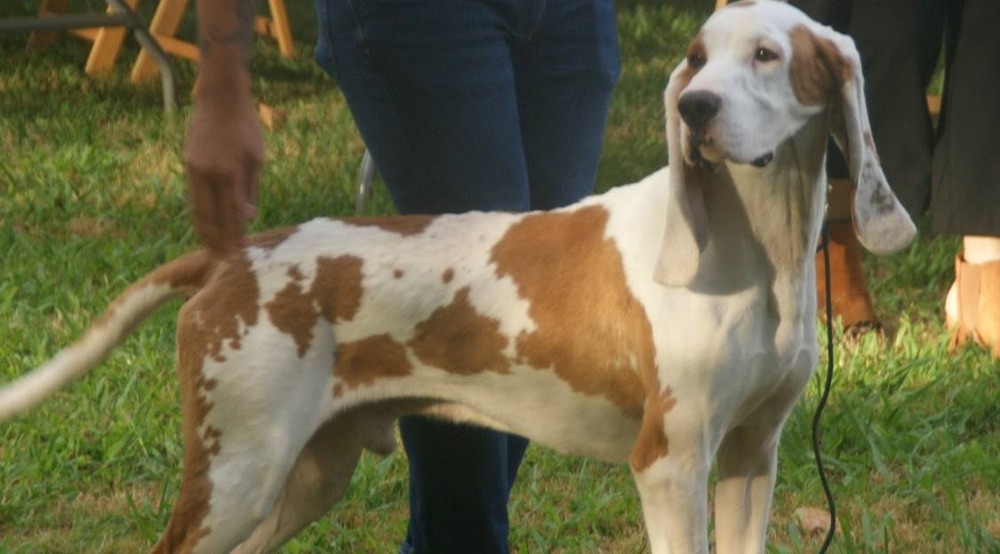
Most Sabuesos you meet will present as a solid, athletic medium-sized hound with long, pendulous ears, a short coat, and an overall outline designed for endurance rather than speed. Breed standards are the best source for precise proportions and accepted colour descriptions, and they are worth reading if you are comparing the Sabueso to other European scent hounds.2
Temperament and everyday life
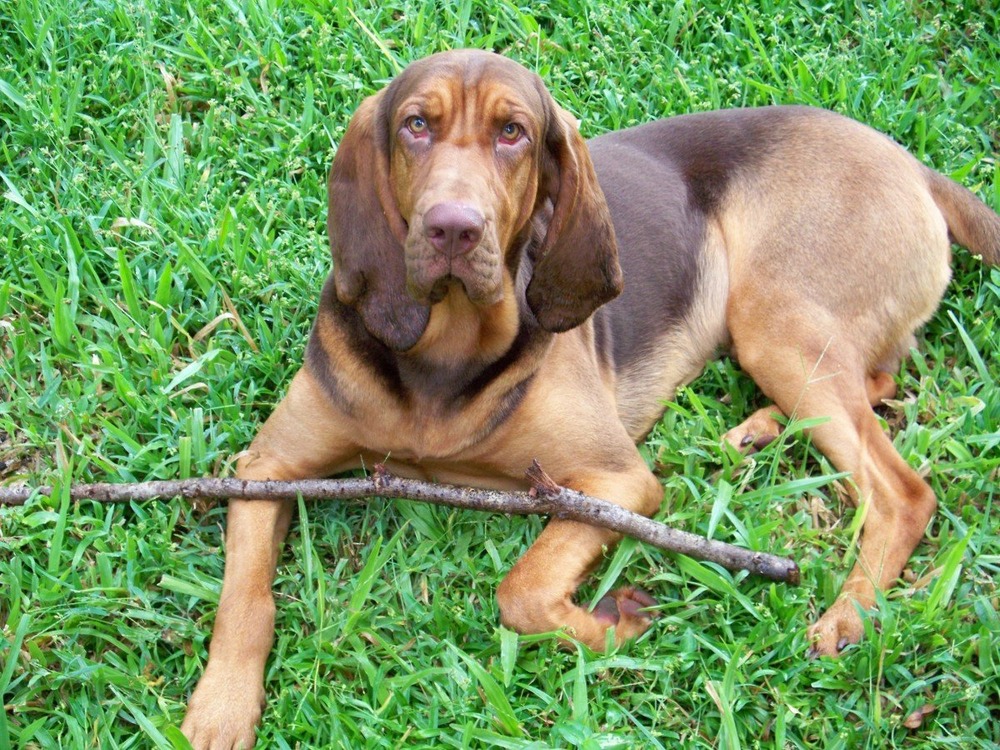
In many homes, the Sabueso Español is described as steady company: engaged with the household, often friendly, and not usually flashy in the way some high-drive breeds can be. Still, it is a hound, which means the social picture is often shaped by scenting behaviour and the need to explore.
It can help to think in terms of trade-offs. A dog bred to track independently may not offer constant eye contact or instant responsiveness, especially outdoors. But that same dog may cope well with routine, settle after exercise, and show a grounded sort of confidence when its needs are met. Calm at home usually depends on enough sniffing and movement, not on enforcing stillness.
Children, visitors, and other pets
Many Sabuesos can live well with children when adults set the tone: gentle handling, space to rest, and supervision around food and high excitement. With other pets, early and thoughtful introductions matter, especially if there are cats or small animals in the home.
If you are introducing a Sabueso to a resident cat, a slow, staged approach reduces the chances of chasing becoming a habit. The RSPCA recommends gradual introductions, physical separation at first, and controlled, supervised sessions where calm behaviour is reinforced.3 Do not rush the first face-to-face meeting, even if both animals seem curious.
Training a dog that follows its nose
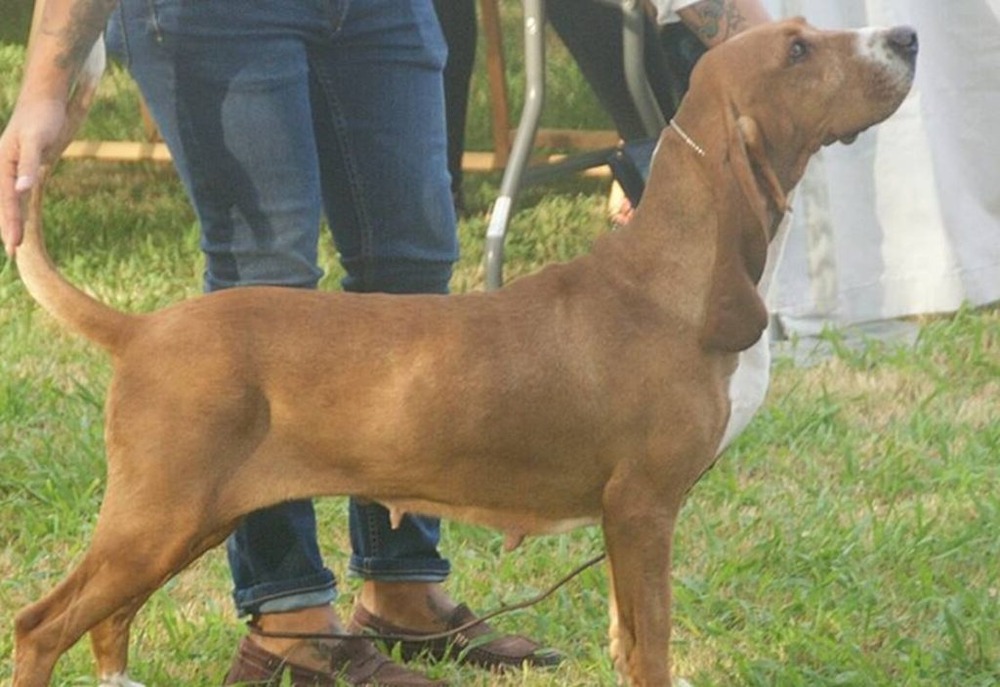
Training a scent hound is often less about domination and more about building habits you can rely on when the environment is distracting. Reward-based methods suit most Sabuesos well, particularly when you treat recall, loose-lead walking, and calm greetings as long-term projects rather than quick fixes.
Some owners find it helpful to stop expecting constant attention on walks. Instead, aim for a dog that can sniff and still check in, a dog that can explore and still respond to a cue, and a dog that can disengage from a scent with practice. Sniffing is not a distraction for this breed, it is a need, and you can work with it.
Practical training focuses
- Recall foundations in low-distraction areas before you test it around wildlife scents.
- Long-line safety for open spaces, especially during adolescence.
- Settle skills at home, taught after exercise, not instead of it.
- Scent games (simple track trails, hidden treats) to give the nose a job without creating chaos.
Exercise and enrichment
The Sabueso Español is typically happiest when daily life includes real movement and real information, which often means time outdoors where sniffing is allowed. Long walks, structured hikes, and safe opportunities to track scent trails can make a noticeable difference to behaviour at home.
For many hounds, the most efficient exercise is not just distance. It is variety: different routes, different surfaces, and deliberate sniffing time. If you have ever watched a hound carefully work a patch of grass for several minutes, you will recognise how mentally tiring that can be. Enrichment can be as important as kilometres.
Health considerations and preventative care
No breed comes with guarantees, and individual dogs vary. Still, a few themes come up repeatedly for medium-sized, active hounds: joint health, ear health, and weight management.
Hips and long-term soundness
Hip dysplasia is often discussed across many breeds, and it is best approached as a risk to manage rather than a certainty. If you are dealing with breeders, ask about hip screening and what the results mean in practice. The Orthopedic Foundation for Animals (OFA) outlines its role in collecting and publishing orthopaedic health data, and Cornell provides a helpful explanation of how OFA hip scoring categories are used and interpreted.4, 5
Ears and recurrent infections
Those long, droopy ears are part of the Sabueso look, but they can also create a warm, less ventilated ear environment. Not every dog with floppy ears gets infections, although dogs with a history of ear trouble often benefit from sensible routines and early action when symptoms appear.
Cornell notes that over-cleaning can irritate the ear canal, and that some dogs only need cleaning when dirt, debris, or moisture is present. They also list common signs of infection, such as redness, odour, discharge, head shaking, and discomfort.6 If you are cleaning ears, VCA advises using cotton balls or gauze rather than cotton-tipped applicators, and to stop and consult a vet if the ear is painful or inflamed.7 Ear pain is a veterinary problem, not a home-care challenge.
Grooming and coat care
A short, dense coat tends to be straightforward to maintain. Occasional brushing helps remove loose hair and gives you a chance to check skin condition, ticks, and small injuries after bush walks.
Keep it simple and consistent. Nails, teeth, and ears usually matter more than coat length here. If your Sabueso swims or gets bathed frequently, pay attention to ear moisture, as damp ears can be part of an infection pattern for some dogs.6
Feeding, body condition, and keeping a working dog lean
For active hounds, nutrition is not only about ingredients. It is about portioning, routine, and keeping the dog in a healthy body condition across the year, including quieter periods when exercise drops.
The WSAVA Global Nutrition Guidelines provide tools and emphasis for assessing nutrition routinely, including body condition scoring resources for dogs.8 In day-to-day life, this translates into a few practical habits: measure food, monitor your dog’s waist and rib coverage, adjust for treats used in training, and ask your vet for guidance if weight creeps up. Lean dogs tend to stay more comfortable as they age, particularly when they are built for long days on the move.
Final thoughts on living with a Sabueso Español
The Sabueso Español makes the most sense when you picture a dog that was never meant to be ornamental. It was meant to travel, search, and persist. If you can provide daily exercise, space to sniff, and patient training that respects how scent hounds learn, you may find the Sabueso to be a deeply workable companion: steady at home, purposeful outside, and quietly distinctive.
If you are considering the breed, it is worth reading the official standard, then being honest about your lifestyle. A good match is usually about meeting needs, not just admiring traits.
References
- Fédération Cynologique Internationale (FCI): SABUESO ESPAÑOL (204)
- FCI Breed Standard PDF: Spanish Hound (Sabueso Español) No. 204
- RSPCA Knowledgebase: How should I introduce my new dog or puppy to my existing cat?
- Cornell University College of Veterinary Medicine: Orthopedic Foundation for Animals’ Database
- Orthopedic Foundation for Animals (OFA): About
- Cornell University College of Veterinary Medicine: How to Clean Your Dog’s Ears
- VCA Animal Hospitals: Ear Cleaning and Administering Ear Medication in Dogs
- WSAVA: Global Nutrition Guidelines