

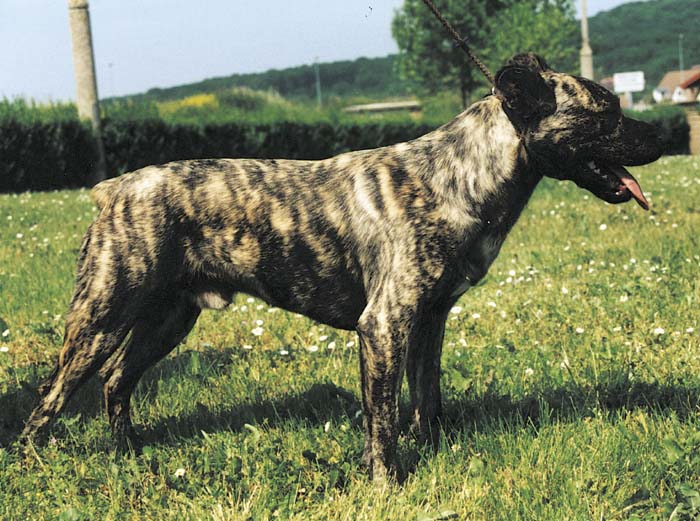
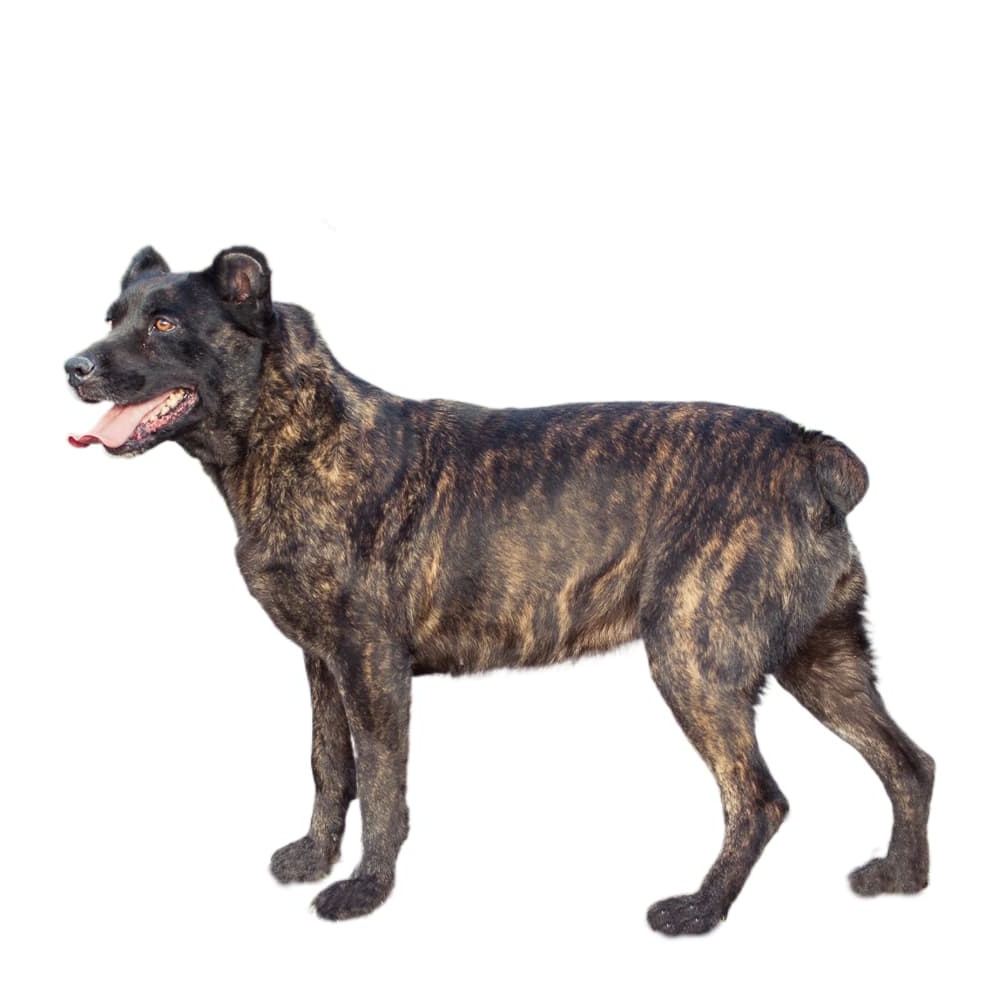
You might come across the Saint Miguel Cattle Dog when you are looking for a tough, farm-bred cattle dog, or when you notice a solid, brindle-coated dog that looks a bit like a compact mastiff but moves with working-dog purpose. People sometimes assume that anything labelled a “cattle dog” will behave like an easy-going all-rounder. With this breed, that assumption can lead to frustration for both dog and household.
Also known by its Portuguese name, Cão Fila de São Miguel, this is a dog shaped by livestock work on São Miguel Island in the Azores. That background shows up in everyday life as stamina, watchfulness, and a strong preference for having something meaningful to do. When those needs are met, you tend to see a dog that settles more easily and makes clearer choices.
It is a breed with real appeal for the right home, but it rewards a practical approach. Space, training, and good management matter more here than “perfect” gear or trendy advice, and small decisions early on tend to have outsized effects later.
At a glance: what to expect day to day
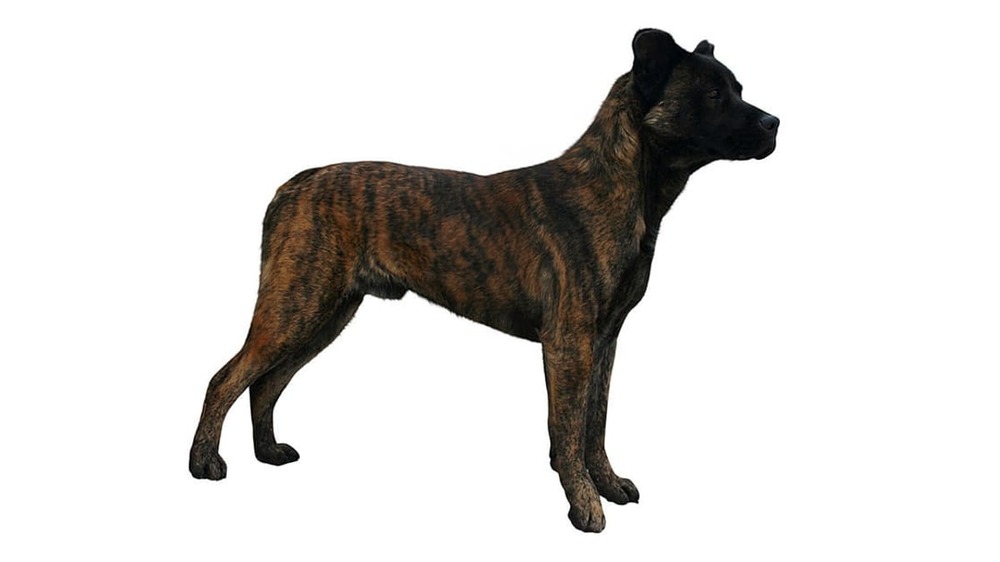
These dogs were developed for cattle work, so it helps to think in terms of function: how they move, how they use their mouths, and how quickly they notice changes around them. That does not mean they cannot be family dogs, but it does mean they often do best with clear routines and confident handling.
- Origin: São Miguel Island, Azores (Portugal)1
- FCI group: Group 2 (Molossoid type, dogue type)1
- Size: Medium to large, commonly around 50 to 60 cm at the withers, with females typically slightly smaller1
- Coat: Short and dense, often brindle
- Energy: High, they usually need daily, purposeful exercise and mental work
- Life expectancy: Many sources quote roughly 12 to 15 years, but individuals vary and health screening and weight management make a difference7, 8
Where the breed came from, and why it still matters
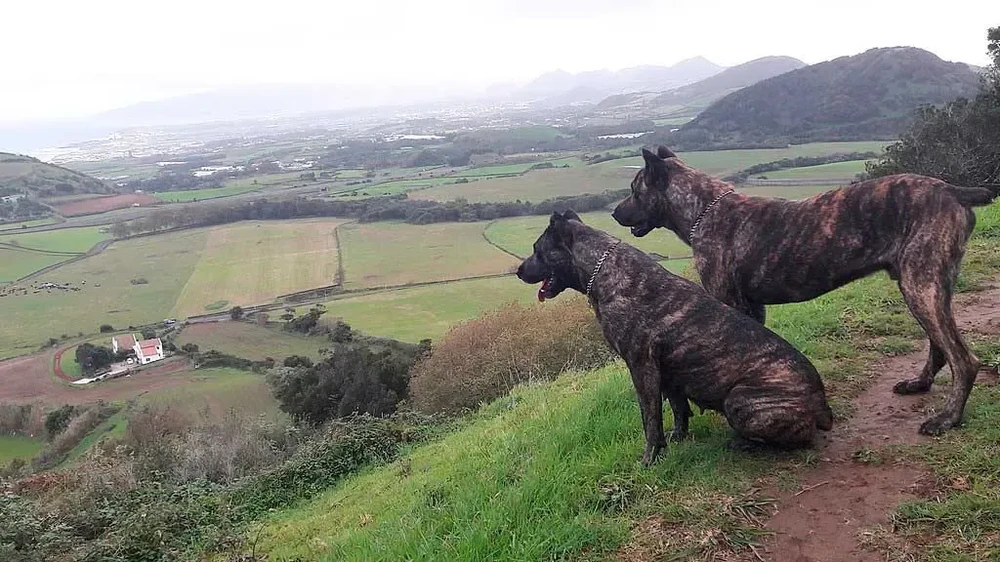
On São Miguel, cattle work demanded a dog that could move stock, hold ground when needed, and cope with variable conditions. Over generations, that produced a dog that tends to be physically robust, quick to react, and naturally inclined to guard and manage movement.
In kennel club terms, the breed is recognised by the Fédération Cynologique Internationale (FCI) as the Cão Fila de São Miguel, standard number 340. The breed was provisionally accepted by the FCI on 10 March 1995 and recognised on a definitive basis on 21 May 2007.1
If you are researching “recognition”, it is worth being specific about which registry you mean. For example, the American Kennel Club list of breeds recognised in 1995 does not include this breed, so a broad claim that it was “recognised by kennel clubs in 1995” is incomplete without naming the organisation.2
Temperament: loyal, watchful, and not automatic with strangers
A well-bred, well-raised Saint Miguel often bonds strongly to its people and can be steady in familiar routines. Many are naturally reserved with strangers. That reserve is not “bad temperament”, it is often simply the default setting of a dog developed to notice and respond to change.
What matters in practice is how those traits are shaped. Early, careful socialisation can help the dog learn what is normal in your world, while still allowing it to be a thoughtful, observant guardian type. Pushing too hard, too fast can backfire, especially in adolescent stages when confidence and reactivity can wobble.
Because they are cattle dogs, some individuals may be inclined to use body pressure, blocking, chasing, or nipping if they have not been taught alternative behaviours. That is part instinct, part learning history, and it is very trainable when handled early and consistently.
Training that suits this breed
This is not usually a “train itself” breed. They can be clever, but they are also independent enough to test which rules truly matter. The goal is not to dominate the dog, it is to build patterns the dog can repeat under real-life pressure.
Reward-based training is widely recommended by animal welfare organisations because it is both humane and effective, and it avoids the fallout that can come with punishment and aversive tools.3, 4 With a strong, watchful breed, that avoidance matters because fear and conflict can worsen reactivity in some dogs.
Practical priorities that tend to pay off:
- Start with foundation skills, calm lead walking, a reliable recall plan, and a settle-on-mat behaviour.
- Reinforce neutrality around people and dogs, not just excited greetings.
- Give the dog a job, scent games, structured fetch, obedience patterns, or safe herding-style outlets.
- Manage the environment while the dog is learning, fences, distance, and predictable routines are training tools too.
Exercise and enrichment: more than a quick lap of the block
These dogs often cope best when their exercise is both physical and mental. A long walk is helpful, but many also need time to sniff, solve problems, and practise impulse control.
Try to think in layers:
- Daily movement, brisk walks, hiking, controlled runs if your vet agrees.
- Skill work, short training sessions that build focus under mild distraction.
- Decompression time, quiet sniffing walks or a safe paddock-style roam, rather than constant high arousal games.
When exercise is missing or unstructured, owners often see the same predictable issues: pacing, barking at movement, grabbing at leads, or “inventing jobs” like patrolling fences. Those behaviours are not necessarily stubbornness, they are often a working dog trying to organise its world.
Health considerations and sensible prevention
No breed is “problem free”, and for medium-to-large working dogs, orthopaedic issues are always worth keeping in mind. Hip dysplasia, in particular, is a developmental condition linked to joint laxity and influenced by genetics and other factors, and it can lead to arthritis and pain over time.5
Helpful, practical prevention steps include:
- Choose breeders who health screen, and ask what they do to reduce orthopaedic risk.
- Keep your dog lean and fit, excess weight can worsen joint stress.
- Use age-appropriate exercise, especially during growth phases.
- See your vet promptly if you notice stiffness, reluctance to jump, or changes in gait.
Eye conditions are sometimes mentioned in general breed summaries. If you are buying a puppy, ask what eye screening is done in that line and what problems they have seen, if any. With a rare breed, transparency and documentation matter more than reassurance.
Grooming, coat care, and living with shedding
The short coat is usually straightforward. A weekly brush is often enough to lift dead hair and keep skin in good condition, with a little more during seasonal shedding.
Keep the basics simple and regular:
- Brush weekly, more often if shedding increases.
- Check ears and trim nails routinely.
- Bathe as needed, rather than on a fixed schedule, to avoid drying the skin.
Grooming is also a quiet training opportunity. Short, calm sessions that end before the dog becomes restless can build lifelong tolerance for handling.
Feeding and nutrition: quality matters, but so does the whole plan
For a strong, active breed, nutrition is not just about a high protein number on a label. What matters is whether the diet fits the dog in front of you, their body condition, muscle, activity level, and any medical issues.
The World Small Animal Veterinary Association (WSAVA) Global Nutrition Guidelines emphasise individual nutritional assessment and monitoring, not one-size-fits-all feeding rules.6 In everyday terms, that means regularly checking body condition, adjusting portions, and asking your vet for help if weight is drifting up or down.
If you are unsure where to start, a good baseline is a complete and balanced diet appropriate for your dog’s life stage, then adjust based on:
- Body condition (you should be able to feel ribs with light pressure)
- Stool quality and appetite
- Energy and recovery after exercise
Is this the right breed for you?
The Saint Miguel Cattle Dog often suits people who enjoy training, have the time to provide structure, and are comfortable living with a dog that notices the world. They can be deeply steady companions in homes that value calm routines and clear boundaries.
They are usually not ideal for apartment living unless the owner is unusually consistent with exercise, enrichment, and management. Space helps, but what matters most is whether the dog’s daily needs are met in a way that makes sense to a working breed.
If you are considering one, it can be worth meeting adult dogs from the same lines, talking through management honestly, and planning for adolescence, when many guardian-leaning breeds become more opinionated about strangers and territory.
References
- Fédération Cynologique Internationale (FCI): Cão Fila de São Miguel (Standard No. 340)
- American Kennel Club (AKC): Breeds by Year Recognized
- RSPCA Knowledgebase: What is reward-based dog training and why does the RSPCA support it?
- RSPCA Knowledgebase: Is it important to train my dog, what sort of training would you recommend?
- American College of Veterinary Surgeons (ACVS): Canine Hip Dysplasia
- World Small Animal Veterinary Association (WSAVA): Global Nutrition Guidelines
- United Kennel Club (UKC): Breed Standards (general reference)
- Merck Veterinary Manual: Hip Dysplasia in Dogs