

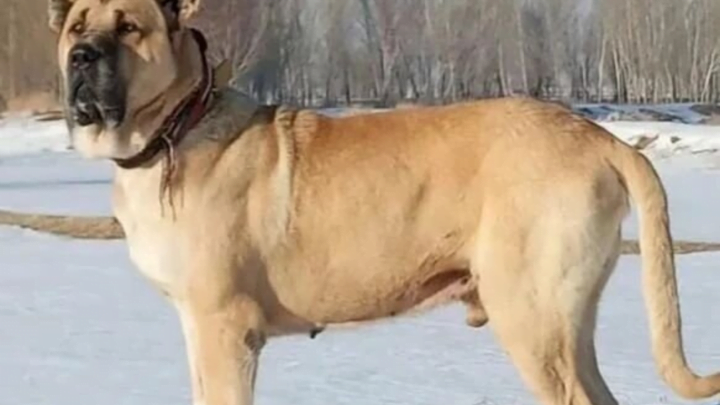
You might come across the Sarabi when you are looking into livestock guardian dogs, or when you have seen a big, mastiff-type dog in a video and wondered what it is. The details can be hard to pin down, partly because the name is used loosely online, and partly because many regional working dogs are not managed through the same kennel club systems people expect.
What tends to be consistent is the shape of the story. The Sarabi (often described as an Iranian mastiff) is a large, powerful dog developed for practical work, most notably guarding animals and property in rural settings.1 That working background matters, because it helps explain why the breed can look calm and settled in the right home, and also why it can be a poor fit for busy urban life if its needs are treated like those of a typical pet dog.
- Breed category: Working (livestock guardian type)
- Country of origin: Iran
- Typical size: Giant, heavily built
- Coat: Short with undercoat (varies by line)
- Common colours reported: Fawn, sable, black (other variations described)
- Grooming needs: Usually low to moderate
- Exercise needs: Moderate to high, with emphasis on structured activity
- Temperament often described: Independent, protective, steady when well managed
Where the Sarabi comes from, and what it was bred to do
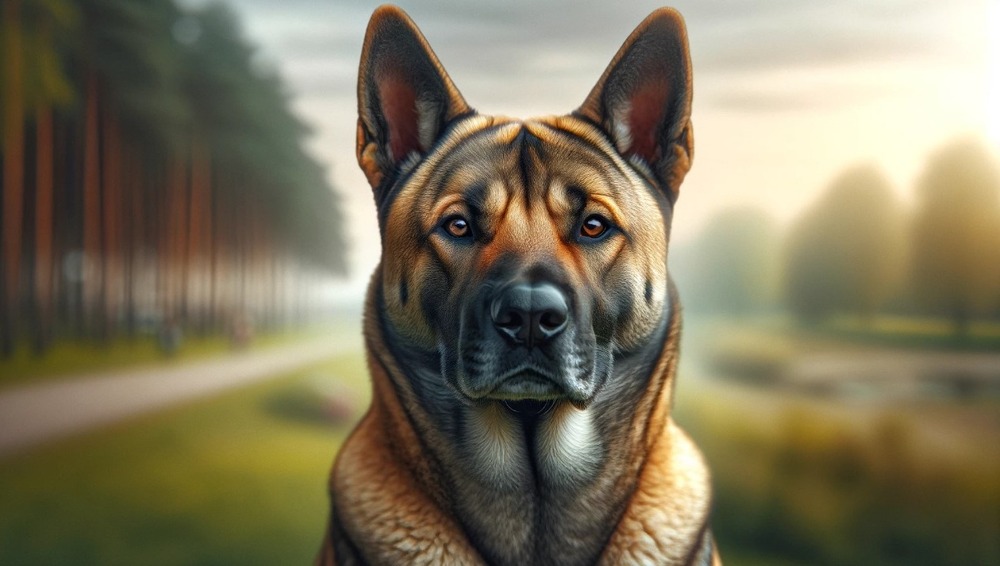
The Sarabi dog is commonly described as originating from Sarab County in Iran, with a long history as a livestock guardian and general protection dog in pastoral communities.1 In that context, the job is not about tricks or obedience for its own sake. It is about watching, assessing, and responding when something feels out of place.
That background can surprise people who expect every dog to be openly social. Many guardian breeds are selected for measured, independent decision-making and a natural suspicion of unfamiliar approaches. Done well, this creates a dog that can settle for long periods, then switch on quickly when it needs to. Done poorly, it can create a dog that practises the same guarding behaviours in inappropriate places, like the front fence in suburbia.
Size and appearance, in plain terms
Most descriptions of Sarabi dogs emphasise a giant frame, heavy bone, a broad head, and a short coat with an undercoat. Colour descriptions vary across sources and across working lines, which is typical for regional breeds that are not always bred to a single, tightly controlled show standard.1
Temperament in day-to-day life
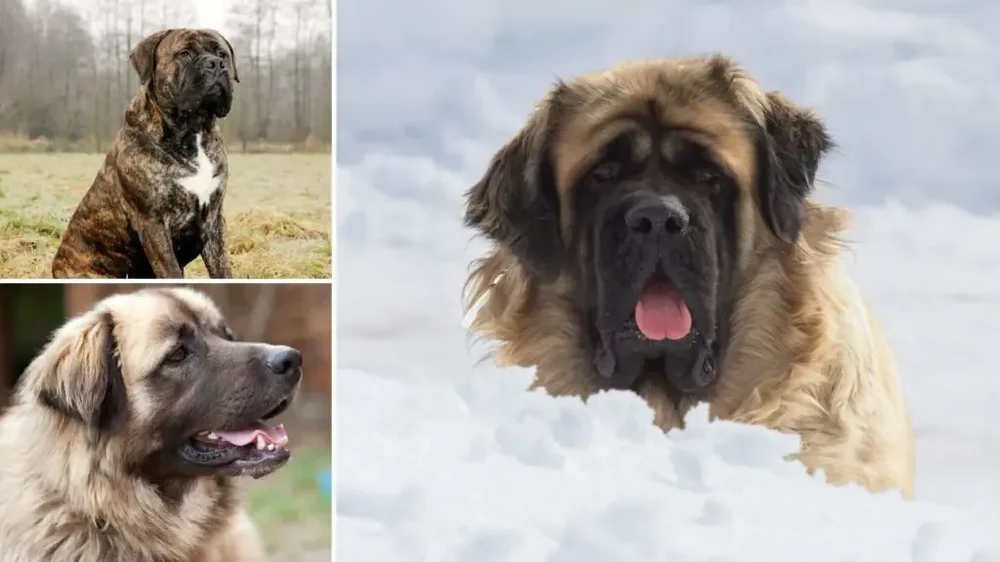
People often describe Sarabi dogs as loyal, protective, and calm with their own people. It is a useful description, as long as it comes with the next sentence: protective behaviour needs thoughtful management, not just affection.
A dog bred to hold ground can be quietly intense. You may see less obvious signalling than you would in a more socially demonstrative breed. The practical takeaway is to watch the dog in front of you, not just the label, and prioritise early, steady social exposure so the dog learns what “normal” looks like in your world.
Children and visitors
Many large guardian-type dogs can live well with children when the household is predictable and adults manage space and interactions. With a Sarabi-type dog, it is sensible to assume that supervision is non-negotiable around kids, not because the breed is “bad with children”, but because size, strength, and guarding instincts change the margin for error.
For visitors, plan for the dog to be cautious. Instead of pushing friendliness, focus on calm routines, safe separation when needed, and a dog that can settle behind a gate or in another area while people arrive and move around.
Other pets and animals
Guardian breeds are often bred to live alongside stock, but that does not automatically translate to easy cohabitation with every dog at the local park. Same-sex conflicts, territorial behaviour, and friction with unfamiliar animals can occur if introductions are rushed or if the dog rehearses “property guarding” as a lifestyle.
Training and exercise that suits a livestock guardian type
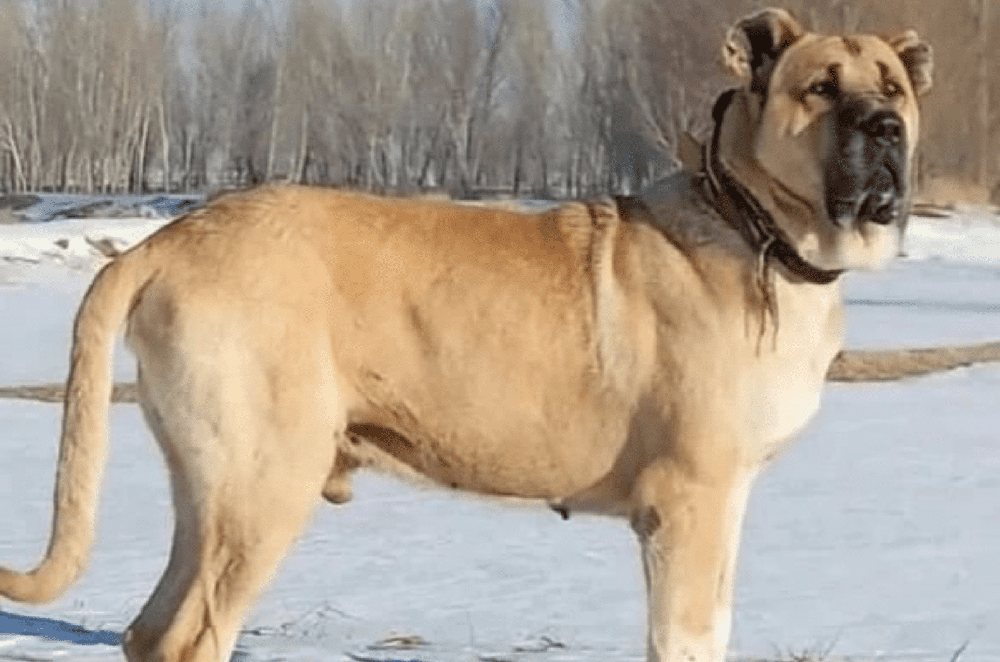
Training a Sarabi is usually less about teaching a long list of cues and more about building reliable everyday skills: coming when called in low distraction settings, walking on a loose lead, relaxing on a mat, and being comfortable with handling.
Positive reinforcement is a good match for independent dogs because it keeps sessions cooperative and clear. The key is consistency and structure, not intensity. For a dog that weighs as much as an adult human, polite lead manners and calm greetings are safety skills, not optional extras.
How much exercise is “enough”?
These are big dogs with working heritage, but that does not always mean they need endless running. Many guardian types do best with a mix of:
- steady daily walks for fitness and routine
- short training sessions for mental engagement
- enrichment that encourages sniffing and problem-solving
- space to move, rest, and observe without being on high alert all day
Be mindful of heat. Large dogs, especially those with substantial body mass and insulating coats, can overheat quickly in warm weather. Avoid hard exercise in the heat of the day, provide shade and cool water, and learn the early signs of heat stress.2, 3
Health considerations: what to watch for with a giant dog
Because Sarabi dogs are large and heavily built, it is reasonable to think in “giant breed” terms when it comes to health planning. Two topics that come up often with large dogs are joint disease and gastric dilatation-volvulus (GDV), sometimes called bloat.
Hip dysplasia and joint health
Hip dysplasia is a developmental condition influenced by genetics and environment. Even when a dog is genetically predisposed, factors like weight management and appropriate exercise can affect how the condition shows up over time.4
If you are looking at a puppy, ask what screening was done in the breeding dogs. If you already own an adult, speak with your vet about gait changes, stiffness, reluctance to jump, or a shifting hind-end lameness, and what imaging might be appropriate.
GDV (bloat): a real emergency
GDV is a serious condition seen more often in large, deep-chested dogs. Risk is associated with factors such as eating quickly, eating one large meal per day, and exercising soon after eating.5
Practical habits that can help include feeding in multiple smaller meals, slowing fast eaters, and keeping post-meal activity calm. If you are ever worried about sudden abdominal distension, unproductive retching, restlessness, or rapid decline, treat it as an emergency and contact a vet immediately.
Grooming, coat care, and daily handling
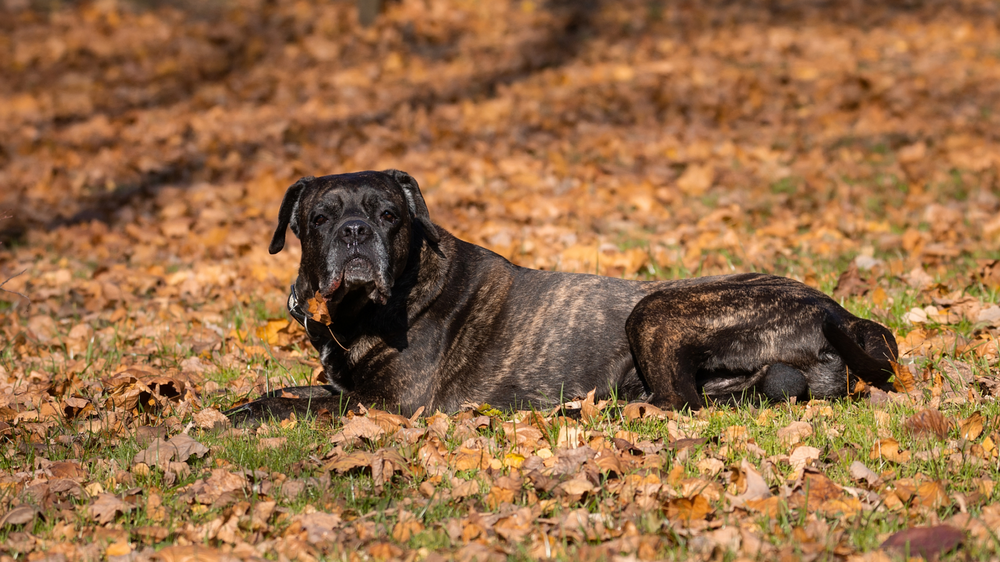
Sarabi dogs are often described as having a short, dense coat with an undercoat.1 In practice, that usually means grooming is straightforward, but not “set and forget”. A weekly brush helps lift dead coat and gives you a chance to check skin, paws, and ears.
What matters most is not the brush you buy, but the dog you build. From early on, practise calm handling of feet, ears, mouth, and tail. For a dog of this size, cooperative handling can be the difference between a simple vet visit and a stressful one.
Feeding and growth: setting up a large dog for a sound body
Nutrition advice online is noisy, and giant breeds tend to attract strong opinions. A more useful starting point is to feed a complete and balanced diet, then adjust based on body condition, activity, and life stage, with your veterinary team guiding the plan.6
For puppies in particular, focus on steady growth rather than rapid weight gain. If you are unsure, ask your vet how to score body condition and how often to reassess. Keeping a large dog lean is one of the simplest ways to support joints and overall comfort.
Is a Sarabi likely to suit your home?
The Sarabi is often portrayed as an impressive guardian, and that is exactly the point. It tends to suit people who can offer space, secure fencing, routine, and the patience to train the dog they have, not the dog they imagined.
If you are drawn to the breed for its calm presence and protective steadiness, it helps to plan for the less glamorous parts too: managing visitors, teaching a reliable “settle”, and making peace with the idea that your dog may never be universally social. In the right setting, those traits can be deeply rewarding. In the wrong one, they can become stressful for everyone involved.
References
- Wikipedia: Sarabi dog
- RSPCA Australia: Warm weather worries, protect pets from heatstroke
- RSPCA Australia: Keeping your pet safe during the heat
- Orthopedic Foundation for Animals (OFA): Hip dysplasia
- Cornell University College of Veterinary Medicine: Gastric dilatation volvulus (GDV) or bloat
- WSAVA: Global Nutrition Guidelines