

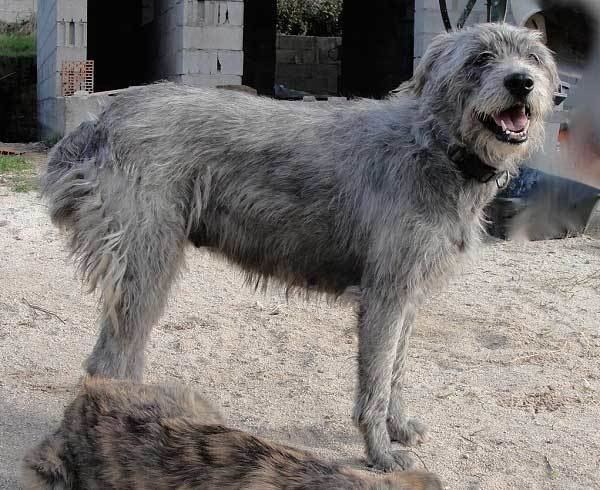
People tend to find the Sardinian Shepherd Dog after they have met one, or seen a photo and thought, “That looks like a working dog, but I cannot quite place the breed.” Sometimes it comes up when someone is looking for a capable farm companion, or they are drawn to dogs that look plain-spoken and practical rather than polished.
The name can add to the uncertainty. You might hear “Sardinian Shepherd Dog”, “Fonnese”, or “Cane Fonnese”, and then discover that recognition varies depending on which registry you are talking about. That does not make the dogs less real, it just means they sit closer to the world of regional working types and landraces than to the familiar, widely standardised pedigree breeds.1
In day-to-day life, what matters is the fit. These dogs are typically bright, physical, and watchful, and they often do best with people who enjoy training as part of ordinary routine, not as an occasional project. If you are considering one, it helps to understand what shaped them, and what they still need from the humans around them.
- Breed category: Herding and livestock guardian type
- Country of origin: Italy (Sardinia)
- Typical size: Medium, athletic build
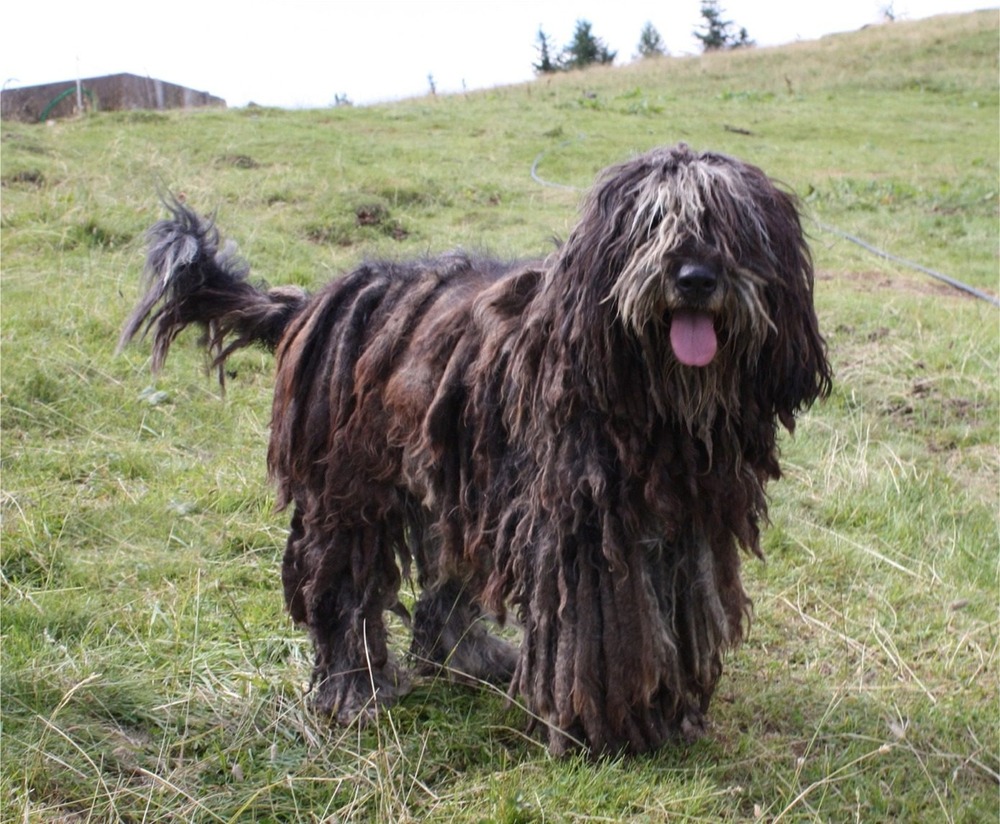
- Coat: Dense, often double
- Exercise needs: High, plus mental work
- Grooming needs: Moderate, regular brushing
- Heat sensitivity: Many cope better with cool weather than hot, humid days
- Temperament (general): Loyal, alert, protective
History and origin
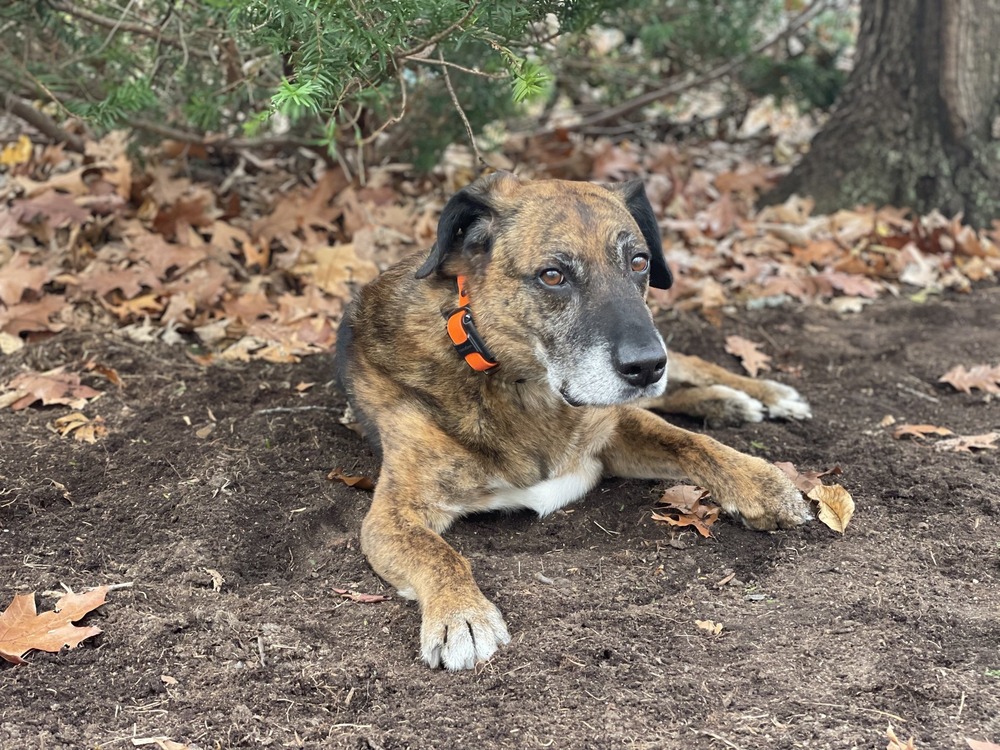
The Fonnese is closely associated with inland Sardinia, where dogs were expected to do more than just move stock. In traditional rural work, a dog had to travel across rough ground, respond quickly to shifting situations, and stay steady when the environment felt unpredictable. Over time, that kind of selection tends to produce a dog that is capable and persistent, and not especially casual about strangers.
In many descriptions, the Sardinian Shepherd Dog is presented as an ancient local type rather than a modern breed created from a planned program. That matters because landrace dogs often show more variation in size and coat than people expect when they are used to highly standardised breeds.1
Another practical point is recognition. The Fonnese is not recognised by the FCI, which is why it may be harder to find consistent breed standards, health reporting, and established breeder networks in some countries.1
Physical characteristics
Most Fonnese you will see are medium-sized dogs with a solid frame and a weather-resistant coat. Their build tends to look functional rather than fancy, with a chest and hindquarters designed for steady movement across uneven terrain.
Coat descriptions vary, but many sources describe a thick, protective coat that suits wind, cold, and wet conditions. In warmer parts of Australia, that same coat can become a management issue, particularly during humid stretches. It is worth thinking about shade, airflow, and when you exercise, not just how much you do.7, 8
If you are choosing a puppy, be open to some variation in adult look and size, especially if the litter is from working lines. A useful mindset is to prioritise sound movement and structure over any single “perfect” cosmetic detail.
Temperament and behaviour
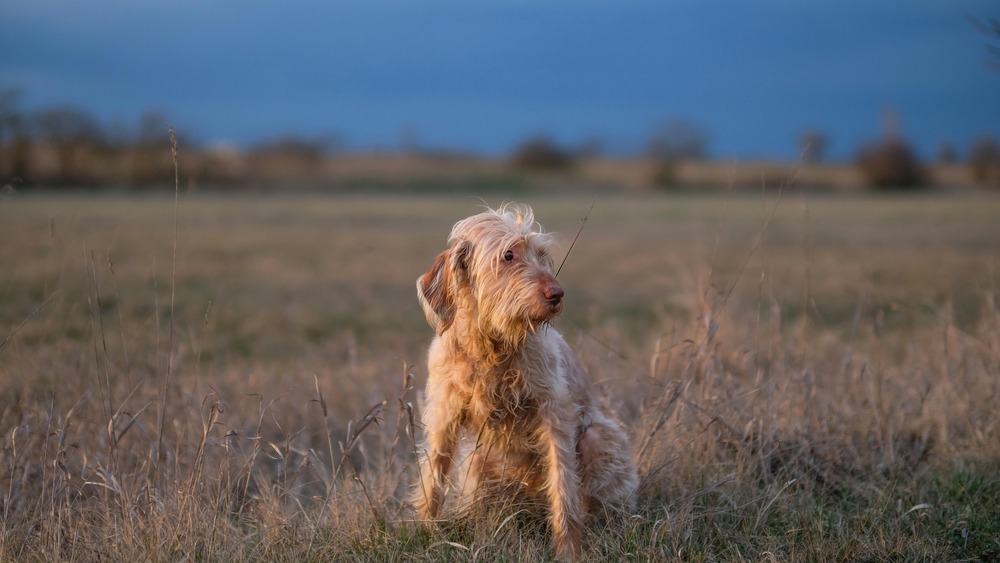
The temperament most often associated with the Fonnese is loyal and protective, with a strong tendency to notice what is happening around the property. In real life, that can look like a dog that chooses a good vantage point, tracks movement, and responds quickly to changes in routine. This is not automatically “aggression”, but it does mean you will need to guide the dog’s responses so watchfulness does not turn into overreacting.
People sometimes assume that a herding or guardian type will naturally “know what to do” in a suburban household. Often the opposite happens. Without a job, these dogs can invent one, which may include patrolling fences, controlling visitor movement, or rehearsing barking patterns at predictable triggers. The goal is not to suppress the dog’s nature, but to give it a clear, rehearsed alternative that still feels satisfying.
With children, it is best to think in terms of management and teaching, not luck. Calm introductions, supervised play, and consistent boundaries are more reliable than relying on the dog “being good with kids”. With other animals, early socialisation helps, but it is also wise to remember that many working dogs have strong movement sensitivity, which can be triggered by running, squealing, or flapping behaviour.
Training and exercise needs
Training tends to go well when it begins early and stays practical. A dog like this benefits from learning how to settle, how to walk past distractions, and how to disengage when asked. Those skills are not glamorous, but they make everyday life smoother, especially as the dog becomes physically confident.
Positive reinforcement works best for most dogs, including strong, capable working types. You are building habits and trust, not trying to win a contest. Short, frequent sessions often beat long drills, particularly if you fold training into routines like meals, gate exits, and greeting visitors.
Exercise is not only kilometres. Many high-drive dogs cope better when their day includes both physical work and thinking work. Useful options include:
- Long sniffy walks in varied environments
- Recall games and impulse-control practice
- Food puzzles and scatter-feeding in grass
- Structured play that starts and ends on cue
If you live somewhere hot, plan exercise around the cooler parts of the day and watch for early signs of heat stress. RSPCA guidance is clear that it is safer to walk early or late, avoid hot pavement, and cool dogs with tepid or cool water if overheating is suspected, then seek veterinary help promptly.7, 8
Health and lifespan
Reliable, breed-specific health statistics can be difficult to find for the Fonnese, particularly compared with globally common breeds. That makes it even more important to focus on sensible screening, thoughtful rearing, and good general preventive care.
Two issues that commonly come up in working and medium-to-large dogs are hips and eyes. Canine hip dysplasia is influenced by both genetics and environment, and it can range from dogs that show very little outward trouble to dogs that become sore and limited over time. Diagnosis relies on veterinary assessment and imaging, and screening programs help breeders make better choices.2, 3
Eye problems can also occur in dogs generally, including cataracts, which have a range of causes and may not always be inherited. If you are buying a puppy, ask what eye checks have been done on the parents, and whether a veterinary ophthalmologist has been involved when needed.4
For lifespan, many medium working breeds commonly live into the low-to-mid teens with decent care, but individual outcomes vary. The best “longevity plan” is surprisingly ordinary: keep your dog lean, keep muscles strong, and investigate changes in movement, appetite, or behaviour early rather than waiting.
Grooming and maintenance
A dense coat is part of what makes the Fonnese look so suited to outdoor work. It also means you will need a routine, especially when the undercoat loosens seasonally. Weekly brushing suits many dogs most of the year, with more frequent brushing when shedding lifts.
A simple approach is usually enough:
- Brush through to the skin to prevent compacted undercoat.
- Check ears, toes, and skin folds for irritation after bush walks.
- Keep nails at a length that supports sound, comfortable movement.
Bathing does not need to be frequent unless the dog is genuinely dirty. Over-washing can strip oils and leave the coat feeling dry. If you are dealing with persistent itch, odour, or red skin, it is worth a veterinary check rather than assuming it is “just shedding”.
Diet and nutrition
For an active dog, food is more than fuel. It influences coat quality, stool quality, recovery after exercise, and how easy it is to keep the dog lean. Many owners do well with a high-quality commercial diet that is appropriate for the dog’s life stage, then add small amounts of safe extras if desired.
The RSPCA notes that premium commercial dog food should form the basis of the diet, and in Australia it should align with the Australian Standard for the Manufacturing and Marketing of Pet Food.5
It is also worth being clear about common kitchen risks. Several everyday foods can be dangerous to dogs, including chocolate, onions and related alliums, and grapes or raisins.6, 9
Portions depend on age, body condition, and workload. If your dog’s waist has disappeared under the coat, or you cannot easily feel ribs under light pressure, treat that as useful feedback and adjust early. For dogs predisposed to joint wear, staying lean is one of the most practical forms of prevention you can control.
Living with a Fonnese in Australia
In Australia, the biggest day-to-day challenge is often climate rather than enthusiasm. A thick-coated, high-energy dog can cope beautifully when you manage shade, water, ventilation, and exercise timing. Heatstroke can progress quickly, so it is wise to learn the early signs, and to use simple prevention habits like early walks and avoiding hot surfaces.7, 8
Space also matters, but not in the simplistic “big yard equals happy dog” way. Some dogs with large yards still become restless because nothing changes and nothing asks them to think. These dogs often do best with a mix of:
- regular training woven into the day
- structured off-switch time indoors
- meaningful activity that uses nose, body, and attention
If you are considering the breed, spend time with adult dogs if possible. Look for a dog that can engage, work, and then settle. That ability to recover is often the difference between a challenging companion and a very satisfying one.
Final thoughts
The Sardinian Shepherd Dog (Fonnese) tends to appeal to people who value competence, steadiness, and a dog that takes the world seriously. For the right household, that seriousness can feel reassuring, and the loyalty can be deeply grounding.
It is not a low-effort breed, and it is not always an easy fit for dense suburban living without careful training and management. Still, if you enjoy working alongside a dog, and you have the time to build clear routines, the Fonnese can be a companion with real working-dog substance, even when its “work” is simply learning to live well with you.
References
- Wikipedia: Sardinian Shepherd Dog
- Orthopedic Foundation for Animals (OFA): Hip Dysplasia
- Cornell University College of Veterinary Medicine: Canine hip dysplasia (CHD)
- American Kennel Club: Cataracts in dogs
- RSPCA Pet Insurance (Australia): Safe diet for dogs and foods to avoid
- RSPCA Australia: Household dangers to your pet (toxic foods)
- RSPCA Australia: Keeping your pet safe during the heat
- RSPCA Australia: Warm weather worries, protect pets from heatstroke
- Agriculture Victoria: Human foods to avoid for cats and dogs