

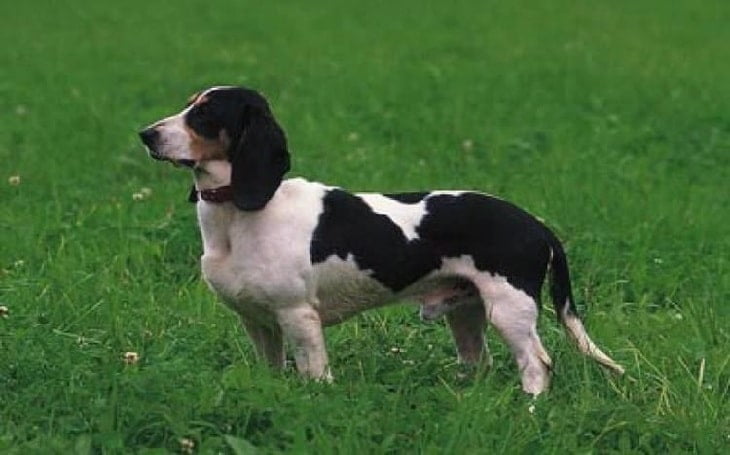
You might come across the Schweizerischer Niederlaufhund after seeing a photo that looks a bit like a Beagle, or after meeting a small, sturdy hound with a calm manner and a very switched-on nose. Sometimes it is the sound that sticks with you, a classic hound voice that travels, or the way the dog seems to “read” the ground on a walk, nose down and fully engaged.
It is easy to assume a shorter-legged hound will be an easier fit than the bigger scent hounds, especially if you like the idea of a companion who is friendly and not overly “clingy”. In practice, these dogs can still be very driven by scent, and that shapes everything from training to off-lead safety to how much daily movement and enrichment they really need.
The Schweizerischer Niederlaufhund (often called the Small Swiss Hound) is a Swiss hunting breed developed for working in smaller hunting districts. They can make wonderful companions for the right household, but they tend to do best when their natural instincts are respected and channelled thoughtfully.
At a glance: what kind of dog is this?
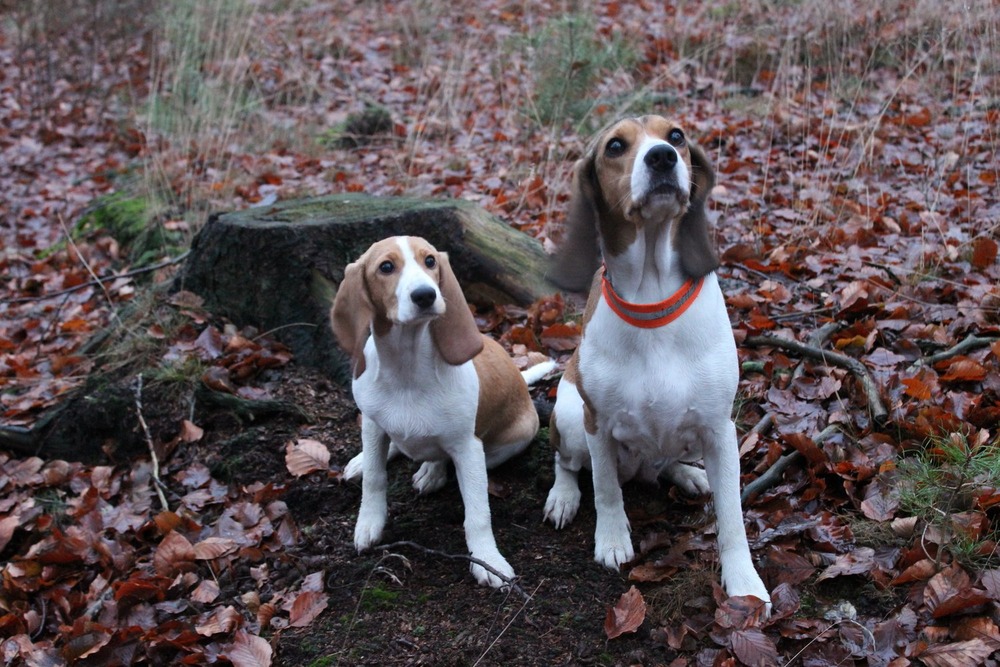
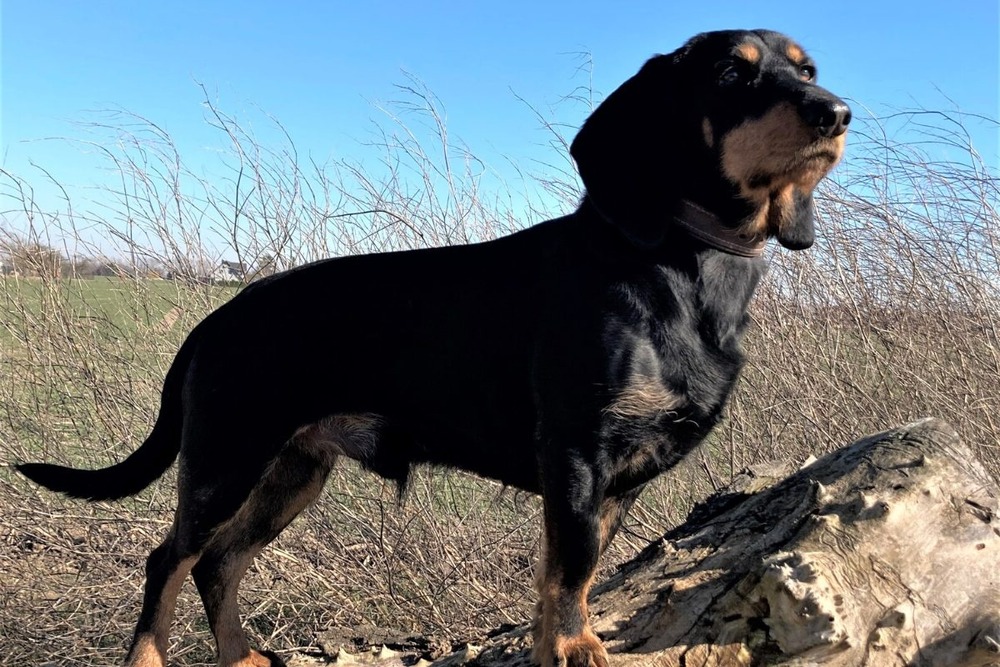
The Schweizerischer Niederlaufhund sits in the scent hound group and is recognised by the Federation Cynologique Internationale (FCI) as breed number 60.1 Within the breed there are four varieties (Jura, Schwyz, Bernese, and Lucerne), which can look a little different in coat and markings while sharing the same overall “small Swiss hound” type.1
- Purpose: hunting small game by scent, with steady work over varied terrain
- Build: compact, athletic, longer-bodied hound type with shorter legs than the larger Swiss Laufhund
- Coat: generally short and easy-care, with moderate shedding
- Voice: many individuals are vocal when excited or following scent, which is normal hound behaviour
If you are choosing this breed, it helps to think less about “a dog that likes walks” and more about a dog that likes tracking. A slow, sniffy hour can be more satisfying than a fast lap around the block.
Origins and working background in Switzerland
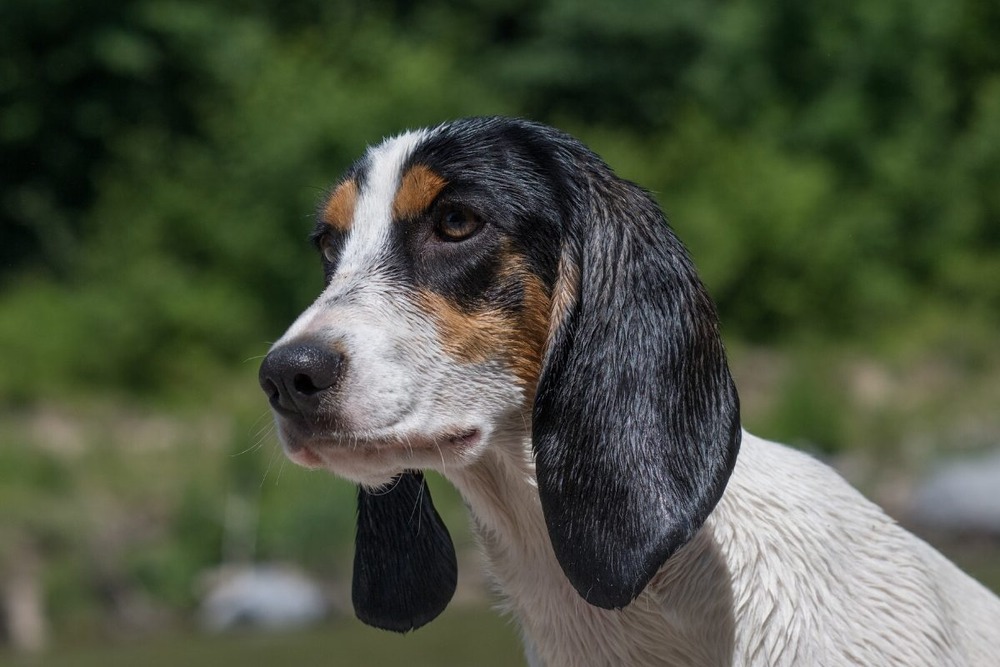
The modern type developed in Switzerland around the turn of the 20th century, when hunting was increasingly organised into smaller districts. The story you will often see repeated is that the existing hounds were “too fast” for those more limited areas, and breeders worked towards a smaller, slower hound while keeping strong scenting ability.2, 3
The Schweizerischer Niederlaufhund Club was formed in 1905, which gives you a sense of how deliberately the breed was shaped and standardised.2 Today, the FCI lists the breed as recognised on a definitive basis, with an official standard published in 2015 (English).1
Even if your dog never hunts, that background still shows up at home. Many will happily follow a scent trail across a park, pause at every interesting tuft of grass, and treat a breeze like a news bulletin. Planning life with them usually means planning for their nose.
Temperament and everyday behaviour
Well-bred Schweizerischer Niederlaufhunds are typically friendly and steady with people, and many settle well into family routines. They are often described as sociable and not naturally aggressive, which aligns with how many scent hounds are expected to work around people and other dogs.3
What sometimes surprises new owners is the combination of soft manners and strong determination. A dog can be gentle in the house, then become single-minded outdoors when a scent catches.
With children and visitors
With sensible introductions and supervision, many do well in family settings. Like any active dog, they tend to cope best when children understand how to give space during rest, and when excitement is channelled into structured play rather than constant high-arousal chasing games.
With other pets
They can live peacefully with other dogs, and some can live with cats, particularly if raised with them. Still, it is worth acknowledging the hunting heritage: a moving, squeaking small pet can trigger chase behaviour. Early management, thoughtful introductions, and ongoing safety planning matter.
Training that works with the hound brain
Training a scent hound is often less about “control” and more about building habits you can rely on when the environment is full of smells. Many owners find that recall feels strong at home, then seems to evaporate near wildlife trails. That is not stubbornness in the human sense, it is competing reinforcement.
Practical approaches tend to include:
- Reward-based training with food, play, and access to sniffing as a reinforcer
- Short, regular sessions that end before the dog checks out
- Long-line walking while you build recall and environmental reliability
- Scent games (find-it, track-it, scatter feeding) to give the nose a “job” safely
If you only teach “don’t sniff”, you usually end up fighting the dog’s main way of engaging with the world. If you teach “sniff, then come back”, you tend to get a more cooperative dog over time.
Exercise and enrichment: meeting the need to track
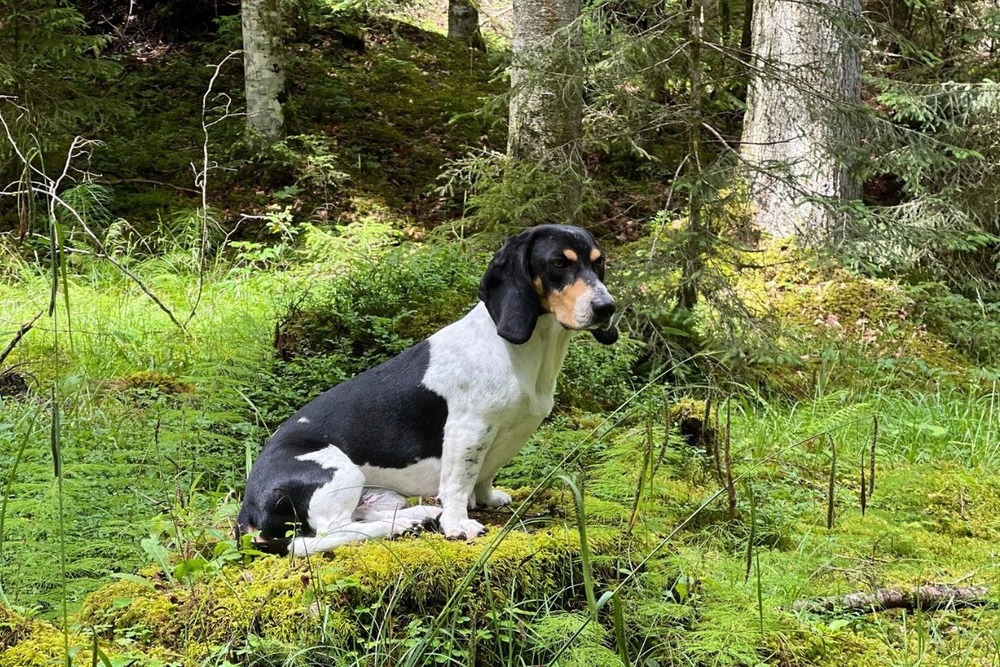
These dogs generally need daily movement, but the more important piece is meaningful engagement. A hound who is allowed to follow scent, solve simple problems, and explore safely is usually easier to live with than a hound who only does brisk “fitness walks”.
Good options include:
- Long, sniff-heavy walks on a harness and lead
- Food-based enrichment at home (snuffle mats, scatter feeding, puzzle toys)
- Beginner scent work or tracking-style games in the backyard
- Low-impact conditioning (especially helpful as the dog ages)
Be cautious with off-lead time in unfenced areas. For many scent hounds, a strong trail can override their usual responsiveness, even with good training.
Health considerations to keep in mind
No breed is completely problem-free, and individual risk depends on genetics, weight, conditioning, and day-to-day care. Two areas commonly discussed with this type of dog are hips and ears.
Hips and joint comfort
Hip dysplasia is a developmental condition linked to hip joint laxity, and it can lead to progressive joint changes and arthritis over time.4 Not every dog will have issues, but keeping your hound lean and well-muscled is one of the most practical things you can do to support long-term comfort.
Ears and otitis externa (outer ear infections)
Long, floppy ears can reduce airflow and trap moisture, which increases the chance of ear inflammation and infection in many breeds.5, 6 If your dog is prone to ear trouble, your vet can guide you on cleaning routines and whether underlying issues (such as allergies) might be contributing.6
Common early signs include head shaking, scratching, redness, odour, or discharge, and ear infections can be painful, so prompt veterinary advice is important.6
Grooming and general care
Most Schweizerischer Niederlaufhunds have a short coat that is straightforward to maintain. A weekly brush will usually manage loose hair and keep the coat in good condition. Nails, teeth, and ears are the areas that tend to benefit from a steady routine.
If you are doing ear care at home, skip cotton buds down the canal and stick with vet-recommended products and techniques. Dogs Australia notes that floppy-eared breeds can be more prone to ear issues and highlights regular, gentle ear hygiene as part of routine care.5
Feeding and weight management for an active hound
Scent hounds are often food-motivated, which can be a gift for training and a trap for portion sizes. Rather than choosing food based on marketing or a single “best ingredient”, it helps to take a step back and look at the whole picture: calories, body condition, stool quality, coat, and energy.
The World Small Animal Veterinary Association (WSAVA) Global Nutrition Guidelines encourage nutritional assessment at every visit, and offer tools to help owners and veterinary teams make practical, individual feeding decisions.7
If you are unsure whether your dog is carrying extra weight, RSPCA guidance uses visible waist and an easy-to-feel rib check as simple at-home indicators, and recommends speaking with your vet about Body Condition Score.8
Final thoughts on living with a Schweizerischer Niederlaufhund
The appeal of this breed is often in the balance: a dog who can be companionable at home, then become focused and purposeful outdoors. That purpose comes from centuries of selecting for scenting and persistence, so life with one tends to go smoothly when you make room for those needs.
If you enjoy long, wandering walks, can be patient with training, and are comfortable managing a dog who may follow their nose with enthusiasm, the Schweizerischer Niederlaufhund can be a quietly rewarding presence. The goal is not to “turn off” the hound traits, but to shape them into a life that feels safe and satisfying for everyone.
References
- FCI: Schweizer Niederlaufhund (Breed No. 60)
- Wikipedia: Schweizerischer Niederlaufhund
- Wikipedia (DE): Schweizerischer Niederlaufhund
- American College of Veterinary Surgeons: Canine Hip Dysplasia
- Dogs Australia: Essential Guide To Canine Care (Ear care)
- VCA Animal Hospitals: Ear infections in dogs (otitis externa)
- WSAVA: Global Nutrition Guidelines
- RSPCA Knowledgebase: How do I tell if my dog is overweight?