

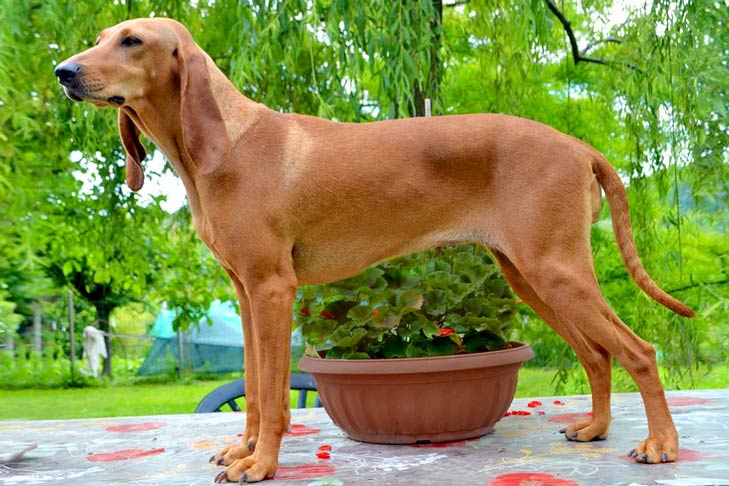
- Breed category: Hound (scenthound)
- Country of origin: Italy
- Typical height: Males 52 to 60 cm, females 48 to 56 cm
- Typical weight: Males 20 to 28 kg, females 18 to 26 kg
- Typical lifespan: 12 to 14 years
- Grooming: Low, occasional brushing
- Exercise needs: High, daily movement plus sniffing time
- Coat: Short and dense (short-haired type), or rough and coarse (rough-haired type)
- Common colours: Fawn (various shades) and black and tan
- Shedding: Moderate
- Ears: Long, drop ears
- Temperament (general): Loyal, intelligent, energetic
- Training: Moderate, benefits from patience and consistency
- Common health concerns: Hip dysplasia, ear infections
- Best suited for: Active homes, people who enjoy the outdoors, scentwork, or hunting where legal and appropriate
You might first notice the Segugio Italiano in a photo and think, “That looks like a classic hound.” Then you read a little more and realise people talk about it less like a general-purpose dog and more like a specialist, built to move for hours with its nose down and its mind on the job.
That can be a surprise if you have only met hounds in suburban settings, where their needs are often squeezed into short walks and a backyard. With a Segugio, the everyday reality is that sniffing and travelling are not optional extras. They are the way the dog makes sense of the world, and they shape everything from training to recall to how restful the dog is at home.
When those needs are met, the Segugio Italiano can be steady company, thoughtful, athletic, and quietly affectionate in its own way. When they are not, owners often end up labelling normal hound behaviour as “stubbornness”, rather than recognising it as a dog doing exactly what it was bred to do.
The Segugio Italiano, what it is (and what it is not)
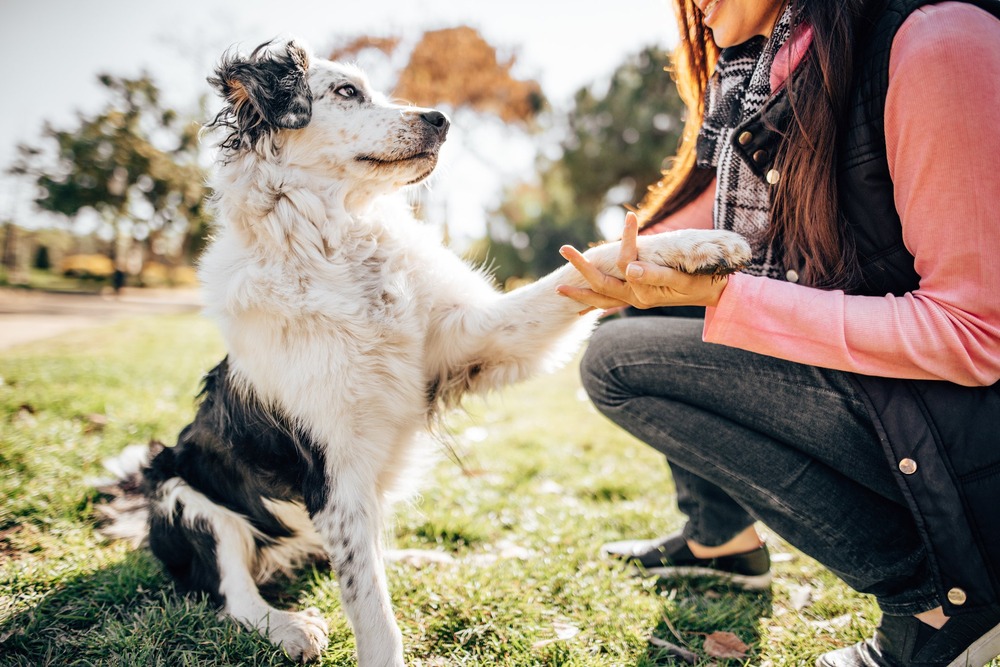
The name “Segugio Italiano” is used for two closely related types, the short-haired Segugio (a pelo raso) and the rough-haired Segugio (a pelo forte). In many day-to-day conversations they are treated as one breed, but in formal breed standards they are listed separately. The practical difference is the coat, while the overall build and function are very similar.1
They sit in the scent hound group. That matters, because scent hounds tend to prioritise information from the environment over information from you. This is not a character flaw. It is a predictable outcome of generations of selection for dogs that can independently follow a trail and keep working across distance and distraction.
In the FCI standard, the Segugio is described as a medium-sized hound with a symmetrical build, developed for work, with an emphasis on scenting ability and a “melodious” voice. If you live in close quarters with neighbours, that last point is worth taking seriously, even if the individual dog is not a constant barker.1
Size and overall look
Most Segugi are lean, athletic, and built for endurance rather than bulk. They are not meant to look heavy, and carrying extra weight can make any joint issue harder to manage. Males are typically larger than females, and the breed is commonly seen in fawn shades or in black and tan.1
Temperament in real homes
In a home setting, many owners describe a dog that is devoted but not clingy, happy to be near people, and content after a day that includes both movement and time to follow its nose. With guests, children, or other dogs, outcomes often come down to early experiences and the household’s ability to set calm routines, rather than the breed being inherently “easy” or “hard”.
Origins and working background
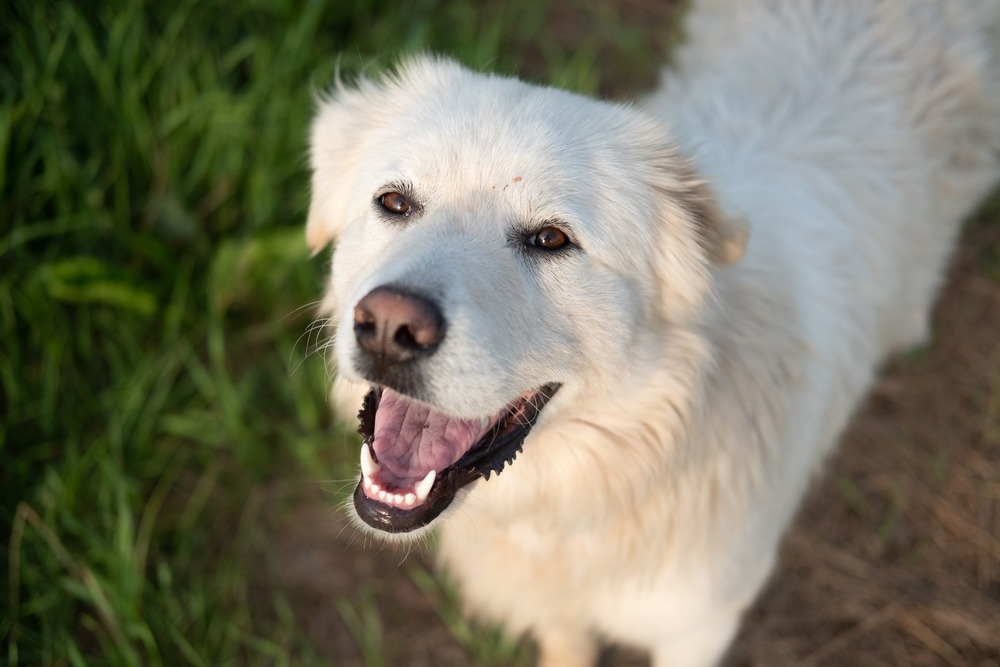
The Segugio Italiano is an Italian scenthound developed for hunting, traditionally including hare and wild boar in parts of Italy. In practice, this background shows up in stamina, determination on scent, and a tendency to range out if given the opportunity, particularly in open areas.1
If you are considering one as a companion rather than a working dog, it helps to think less about stopping the instincts and more about giving them a safe place to land. That can look like long-line walks, structured scent games, hiking where dogs are permitted, and training that rewards the dog for checking back without trying to “switch off” its nose.
A note on recognition and standards
The Segugio types are recognised by the FCI, with final recognition dating to 9 March 1956. Breed standards have been updated since then, and the current FCI listings publish standards for both coat types.1
Living with a Segugio Italiano day to day
People often focus on exercise as a number of kilometres. With a Segugio, the more useful question is whether the dog got to do meaningful dog activities, which usually means sniffing, exploring, and moving with some freedom (within safe boundaries).
A brisk walk on a short lead can keep the body fit, but it may not satisfy the mind. Many hounds settle best when the day includes a mix of physical exercise and “nose work”, even if that is as simple as scattering part of a meal in long grass in the backyard or doing short, regular scent searches around the house.
Apartment life and space
An apartment is not automatically a deal-breaker, but it raises the bar. You need reliable routines, a plan for enrichment on days when weather or schedules shift, and careful management of noise, because some Segugi will use their voice in ways that travel through walls.
Children and other pets
Many Segugi can live well with children when adults supervise interactions and teach kids how to handle space, rest, and rough play. With other pets, especially small animals, it is wise to assume some level of prey drive and manage accordingly, even if the dog seems calm at first. Early socialisation helps, but management and training still matter.
Training that fits a scent hound brain
The Segugio Italiano is often described as intelligent, and that shows up as quick learning when the training makes sense to the dog. The tricky part is that “makes sense” is usually tied to motivation and environment, not to pleasing humans.
In practice, the most reliable results come from reward-based training with clear reinforcement, short sessions, and a lot of real-world practice. A good trainer will also help you work with the dog’s tendency to lock onto scent, rather than treating it as defiance.
- Recall: build it gradually, start on a long line, and reward check-ins heavily.
- Loose-lead walking: aim for progress, not perfection, especially in high-scent areas.
- Enrichment: rotate sniffing games, food puzzles, and simple tracking tasks to prevent boredom.
Health considerations and preventive care
No breed is “health-proof”, and working-style dogs can be good at hiding discomfort. Two areas that commonly come up in general breed discussions are hips and ears.
Hips and joint health
Hip dysplasia is a developmental condition of the hip joint that can lead to pain and arthritis over time. Severity varies widely, and both genetics and environment play a role. Keeping a Segugio lean and well-muscled, avoiding excessive impact in young dogs, and talking to your vet about screening are practical steps.2
Ears and otitis
Drop-eared dogs can be more prone to ear problems because airflow is reduced and moisture can linger. Otitis externa is inflammation of the external ear canal, and it can be related to infections, allergies, foreign bodies, or other underlying issues. If you notice head shaking, scratching, odour, or discharge, it is worth getting it checked early rather than trying to “clean it out” repeatedly at home.3
Routine care
Regular dental care, parasite prevention, and annual health checks make a difference over a lifetime. If your dog is active in bushland or grassy areas, your vet may also discuss strategies for managing grass seeds and skin irritation, depending on where you live.
Coat care, grooming, and handling

The short-haired type is straightforward to groom, and many owners find a weekly brush is enough to remove loose hair and keep the coat glossy. The rough-haired type can need a little more attention around tangles or debris, depending on the individual coat.
Beyond the coat, the most useful grooming habit is gentle handling. Regularly checking paws, ears, and the mouth teaches the dog that being examined is normal, which helps at the vet and makes home care easier.
Feeding and keeping weight steady
Feeding advice is often reduced to brand debates, but what tends to matter more is whether the diet is complete and appropriate for the dog’s age and workload, and whether the dog is maintaining a healthy body condition. Veterinary teams often use structured nutrition assessment tools for this reason.4
Many Segugi do well on two meals a day. If your dog is very active, it can help to discuss calorie needs with your vet and adjust gradually rather than adding large extras. Treats are useful for training, but they add up quickly in a dog that works hard for food.
If you are changing foods, a slow transition is usually kinder on the gut. If you are considering a raw or home-prepared diet, it is worth getting professional guidance to avoid nutritional gaps.
Practical notes for Australian owners
Even if you are reading about an Italian hunting breed, the day-to-day reality is shaped by local rules. Requirements for microchipping and registration vary by state and territory, and sometimes by council. As examples, New South Wales requires microchipping by 12 weeks of age (or before sale or transfer) and uses the NSW Pet Registry system, while Western Australia also requires microchipping (generally by 3 months of age) under state legislation.5, 6
If you are adopting or buying a Segugio, it is sensible to confirm the microchip is correctly recorded and transferred into your name. Accurate details are one of the simplest things that improves the odds of a lost dog being returned quickly.5, 7
Final thoughts
The Segugio Italiano tends to suit people who genuinely enjoy living with a dog that notices the world in detail. It is not a breed that thrives on a quick lap of the block and a pat on the head. It does best with time, space, and training that respects how scenthounds learn.
If you can offer that, you may end up with a companion who is steady, athletic, and deeply engaging to share your days with, whether that is on bush tracks, in scentwork, or simply in a home that values a dog’s need to be a dog.
References
- Fédération Cynologique Internationale (FCI), Segugio Italiano a Pelo Forte (198) breed listing and standard publication details
- Orthopedic Foundation for Animals (OFA), Hip Dysplasia overview
- American College of Veterinary Surgeons (ACVS), Otitis externa (ear infection) overview
- World Small Animal Veterinary Association (WSAVA), Global Nutrition Guidelines
- NSW Office of Local Government, NSW Pet Registry: Microchipping requirements
- Western Australia Department of Local Government, Sport and Cultural Industries, Microchipping requirements
- RSPCA Australia Knowledgebase, Microchipping legislation overview by state and territory
- Agriculture Victoria, Microchipping of dogs and cats
- Wikipedia, Segugio Italiano overview with links to FCI and ENCI standards