

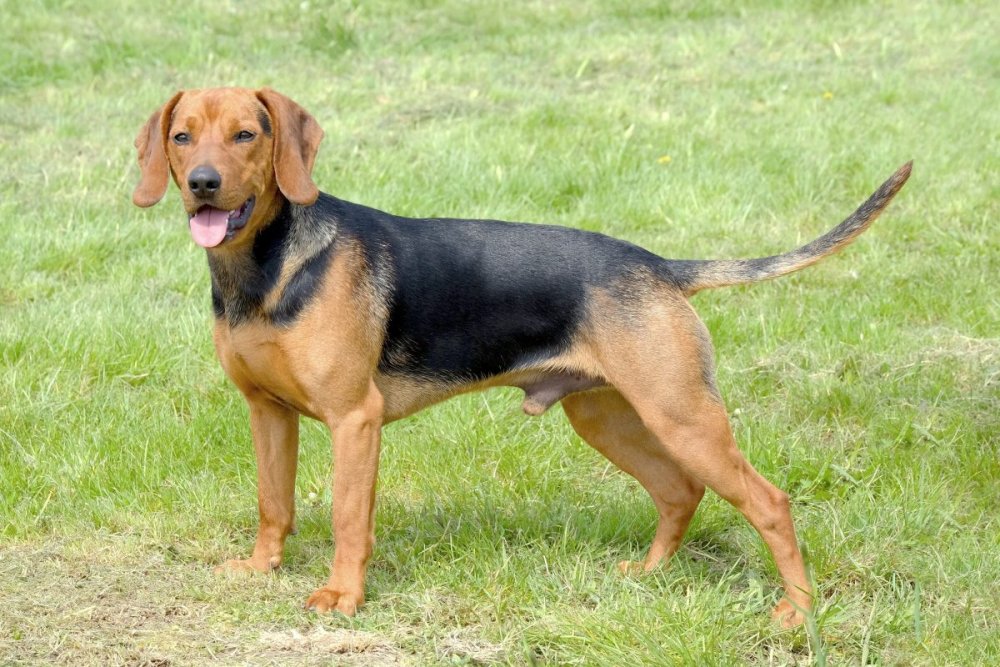
People usually come across the Serbian Hound in a fairly ordinary way: a photo of a lean, red-coated hound with long ears, a mention in a hunting context, or a breeder listing that feels a little hard to place. It can look familiar at a glance, like other Balkan scenthounds, but the details do matter, especially if you are considering one as a companion.
It is also easy to assume a “hound” is either a couch dog or a dog that only suits hunters. In practice, Serbian Hounds tend to sit in the middle. They can be warm and steady in a home, but they are built for movement, scent work, and long hours on the go.
Knowing what that heritage looks like day to day (exercise, training style, noise, and boundaries) is what turns a breed profile into something genuinely useful.
- Breed category: Scent hound (medium-sized)
- Country of origin: Serbia
- Typical height: About 44 to 56 cm (bitches often a little smaller)1, 2
- Typical weight: Often around 20 to 25 kg (varies by build and sex)2
- Typical lifespan: Commonly around 12 to 14 years3
- Coat: Short, dense, easy-care
- Colour: Red (often “fox red”) with a black saddle or mantle, a small white chest mark may be permitted in some standards2, 4
- Energy level: High, needs daily outlets
- Best suited for: Active homes, people who enjoy training and long walks, scent games, and structured routines
Where the Serbian Hound comes from
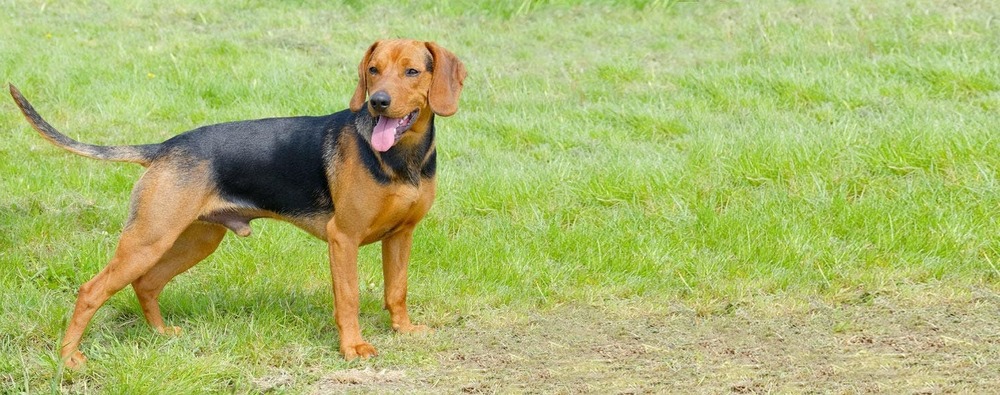
The Serbian Hound (Srpski gonič) belongs to the wider family of Balkan scenthounds. For centuries, dogs like this were valued for their ability to move over rough ground, pick up and hold a line of scent, and keep working for long stretches in company with people and other dogs.4
If you see older material calling the breed the “Balkan Hound”, that is part of the same story. The Fédération Cynologique Internationale (FCI) notes that the breed was historically described under the Balkan scent hound name, and later the naming shifted officially to Serbian Hound.4
One detail worth correcting from many quick summaries is “recognition in 1940”. The FCI breed history describes adoption of standards in 1940, but the FCI’s own listing also records definitive acceptance in 1955, with the official valid standard published in 2003.4, 1
What they look like in real life
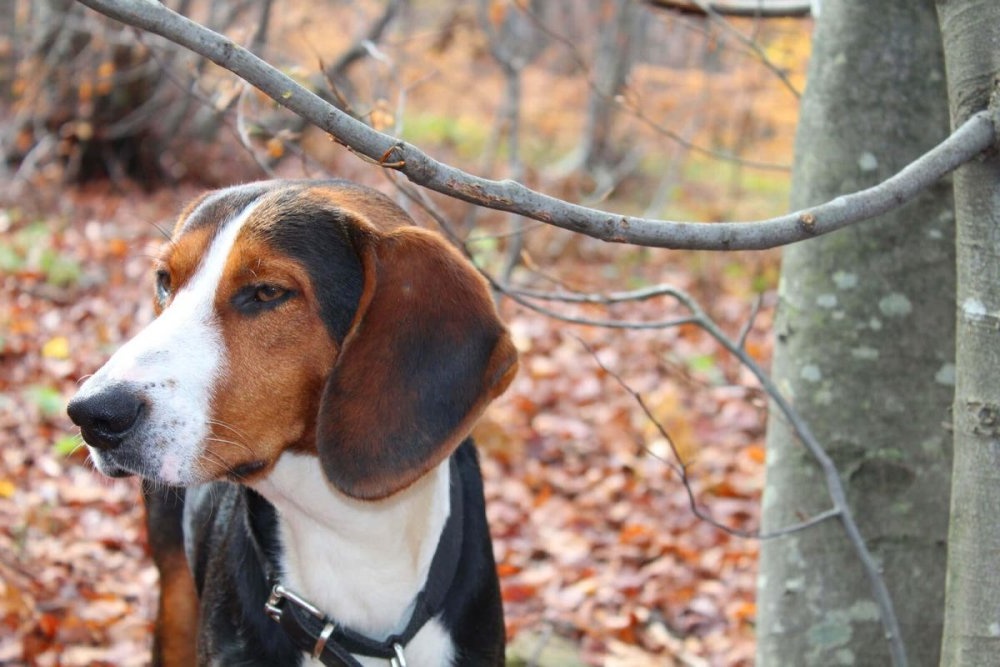
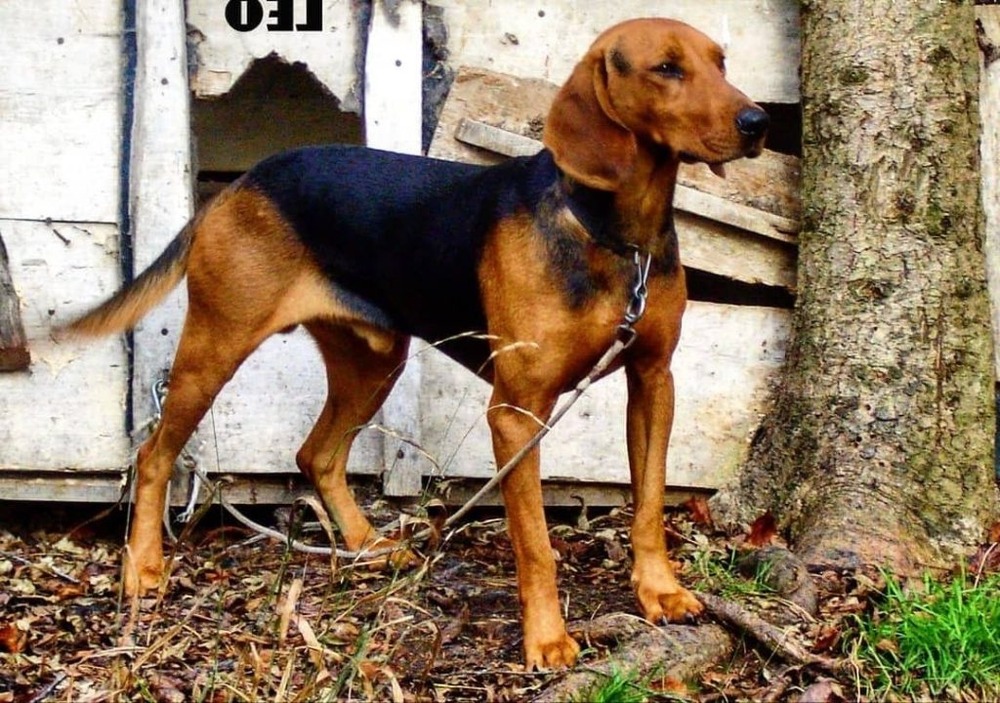
A Serbian Hound is a medium-sized, athletic dog with a straightforward working-dog outline: clean legs, a body built for stamina, and ears that hang close to the cheeks. The coat is short and dense, which usually means mud brushes out more easily than it does on longer-coated breeds.
Colour is one of the easier identifiers. Standards commonly describe shades of red with a black mantle or saddle, with limited white allowed (often only as a small chest mark).2, 4
They are also a “voicey” type of hound when working. That trait can be charming in the right setting, but it is practical to assume you will need to manage noise with training, routine, and an environment that suits a scenthound.4
Temperament, social life, and what they need from you
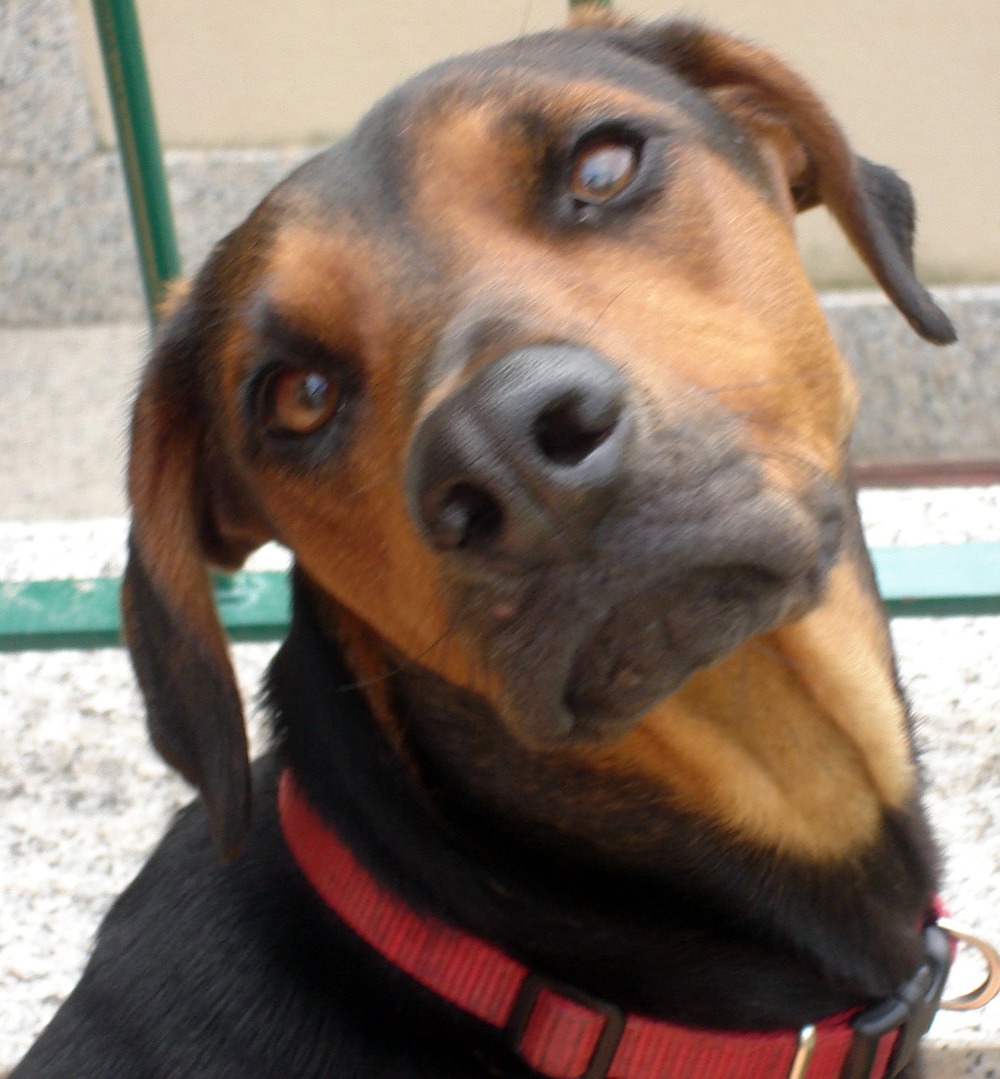
Serbian Hounds are typically described as lively, persistent, and well-disciplined in the field, with the kind of steady drive you expect from a scent hound bred to keep going.4
In a home, that often shows up as a dog that likes being near their people, enjoys a predictable routine, and notices the world through their nose first. It is not “naughtiness” when they get stuck on a scent. It is a default setting. A helpful mindset is to plan for management plus training, not training alone.
Many do well with children when properly introduced and supervised, but as with any energetic medium dog, you will get the best results when adults set the tone: calm greetings, structured play, and clear boundaries around food and resting places.
If you have other pets, especially cats or small animals, take the hunting heritage seriously. Some individuals can live peacefully with them, but you should assume you will need slow introductions, secure fencing, and ongoing management around chase behaviour.
Training and exercise that actually works for a scent hound
With scenthounds, the difference between “enough exercise” and “a dog who can think” is often the difference between frustration and a relaxed household. Serbian Hounds usually need daily movement, but they also benefit from opportunities to use their nose.
Useful outlets tend to be simple and consistent:
- Long, varied walks, ideally with time to sniff (not only marching at heel).
- Recall practice on a long line, since scent can override good intentions.
- Food scatters in the grass, beginner tracking lines, or hide-and-seek games at home.
- Short training sessions with rewards, rather than drawn-out drilling.
Positive reinforcement methods are a good fit for many hounds, particularly when you pay attention to the reward that matters in the moment (food, play, or being allowed to keep moving). If recall is a priority, it helps to treat it as a long-term skill, not a single lesson.
Health, ears, and preventative care
No breed is “problem free”, and with Serbian Hounds you will usually be thinking in practical categories rather than rare syndromes: orthopaedics, ears, weight, and general conditioning.
Hip dysplasia is one condition owners are often told to watch for in medium and large active dogs. It can show up as stiffness, reluctance to jump, changes in gait, or reduced activity, and it should be assessed by a vet rather than guessed at from the internet.5
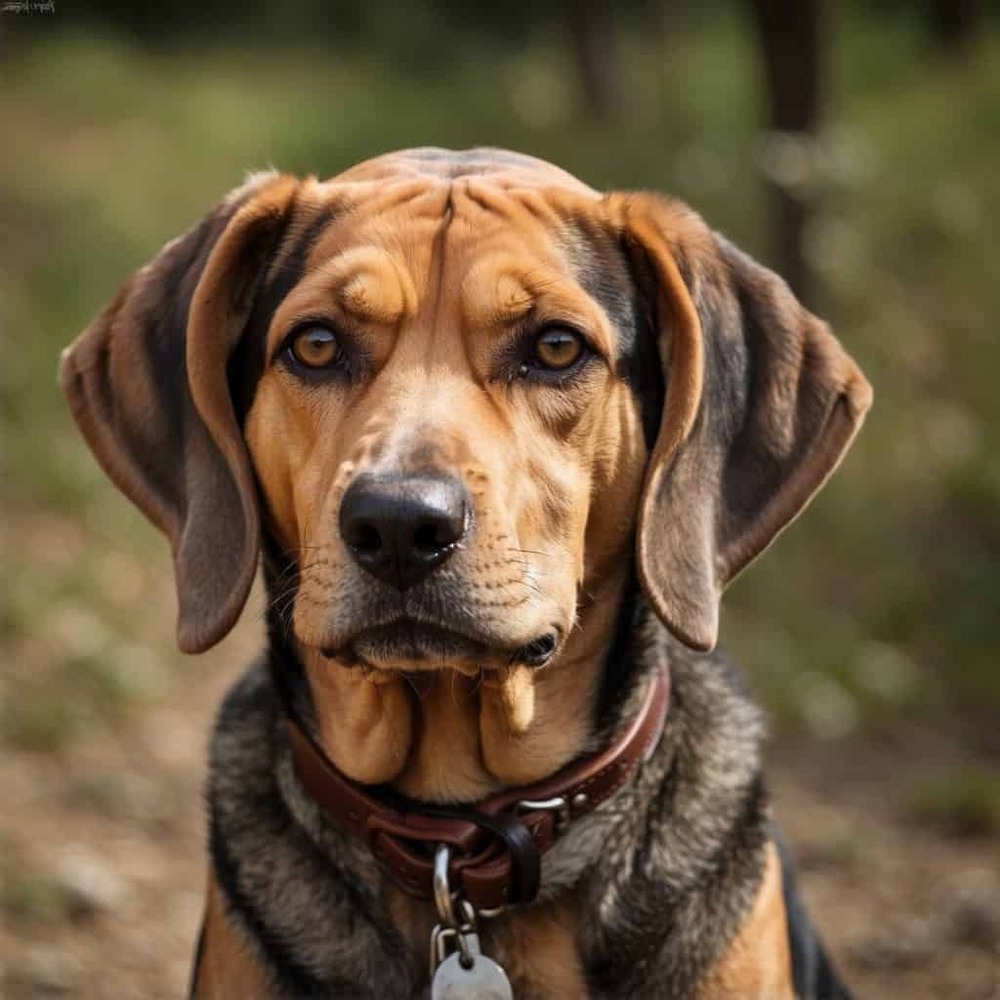
Long, floppy ears can also make some dogs more prone to ear trouble, particularly if they swim often or have recurring wax and moisture buildup. If your dog’s ears smell unusual, look red, seem painful, or there is discharge, it is safest to book a vet visit rather than cleaning aggressively at home.6
Preventative care basics still do most of the heavy lifting: vaccination guidance from your vet, parasite control appropriate to your region, dental care, and keeping your dog lean enough to protect joints over time.
Grooming and everyday maintenance
The coat is usually straightforward. A weekly brush is often enough to lift loose hair and dirt, and it is a good chance to check for scratches, ticks, and signs of skin irritation after bush walks.
Because the coat is short, owners sometimes underestimate how much these dogs can shed. They may not drop big clumps, but the fine hair can still show up on bedding and car seats, especially during seasonal changes.
Small routines tend to matter more than big grooming days:
- Trim nails as needed so the dog keeps good traction and foot shape.
- Check ears regularly, especially after water and long grass.
- Brush teeth if your dog will tolerate it, or discuss dental options with your vet.
Feeding and keeping a working body condition
Most Serbian Hounds do best when food is treated as part of the training plan, not separate from it. A dog who is lean, fit, and mentally satisfied tends to cope better with the impulses that come with a strong nose.
Instead of aiming for a specific cup measure, it is often more useful to aim for a healthy body condition, then adjust portions based on activity, age, and desexing status. The WSAVA Global Nutrition Guidelines encourage routine nutritional assessment as part of regular veterinary care, including monitoring body condition and muscle condition over time.7
If you are changing diets, do it gradually, and if your dog is working, running long distances, or competing, it is worth asking your vet for tailored advice on calories and recovery.
Final thoughts on living with a Serbian Hound
The Serbian Hound can be a rewarding dog for the right home, particularly for people who enjoy walking, training in short sessions, and building a routine around enrichment rather than only physical exercise. Their strengths are easy to admire: stamina, focus, and the kind of bright alertness that comes with a dog who is tuned to scent.
The main question is not whether the breed is “good”. It is whether you can offer the things they are designed to need, including secure space, daily outlets, and patient, practical training that respects what a scenthound is.
References
- Fédération Cynologique Internationale (FCI), Serbian Hound (Srpski gonič) breed listing
- United Kennel Club (UKC), Serbian Hound breed standard overview
- PetGuide, Serbian Hound breed information (lifespan and general overview)
- Dogs Global, Serbian Hound FCI standard summary (history and description)
- American Kennel Club, Hip dysplasia in dogs: signs and diagnosis
- MustCare Vet Centres (Australia), Dog ear cleaning safety and when to see a vet
- World Small Animal Veterinary Association (WSAVA), Global Nutrition Guidelines
- Wikipedia, Serbian Hound (overview and naming history)