

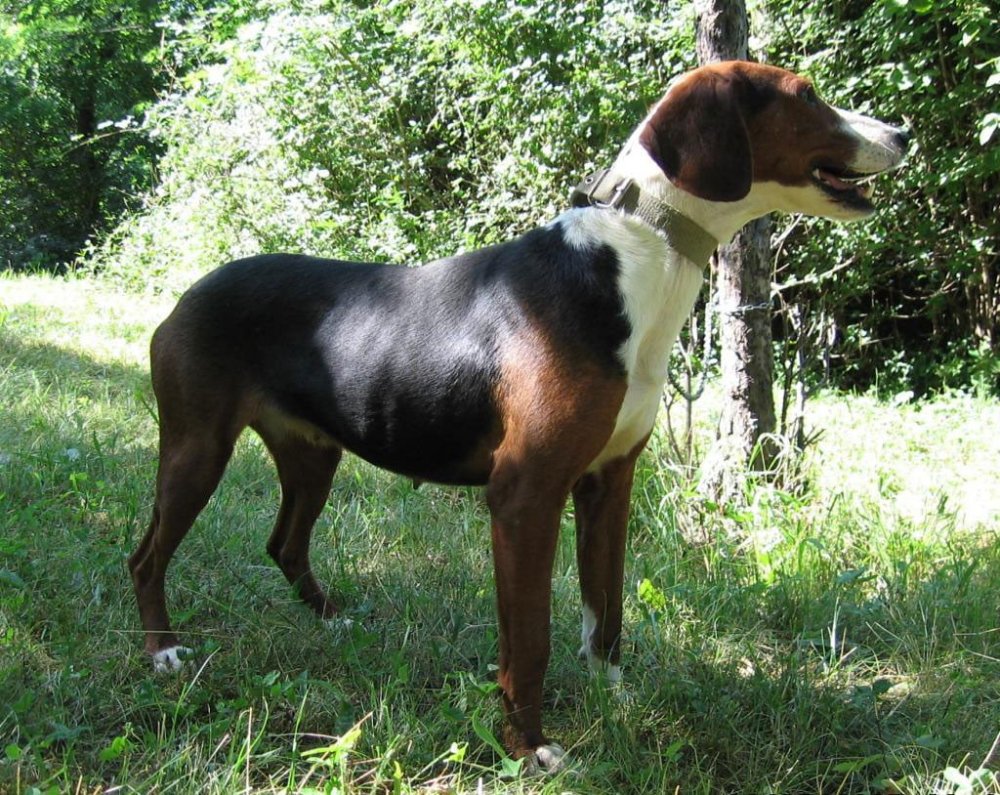
People usually come across the Serbian Tricolour Hound in a roundabout way. It might be a photo online that makes you pause, a name on a kennel club list, or a conversation with someone who hunts, tracks, or simply loves hounds. The first impression is often about the coat: a neat tricolour pattern and those long, soft ears that look made for listening.
Then the practical questions arrive. Is this kind of dog manageable as a pet, or are they “all hunting drive” and no off switch? Do they cope in suburbia, or do they need acreage? With rarer breeds, it can be hard to separate what the dog was bred to do from what life actually looks like in a family home.
The Serbian Tricolour Hound sits in that interesting middle space. It is a working scent hound by design, but it can still be a steady companion when its needs are taken seriously. Understanding the breed is mostly about understanding hounds: their noses, their stamina, and the way they experience the world through scent first, and everything else second.1, 2
- Breed category: Hound (scent hound)
- Country of origin: Serbia
- Height: About 44 to 55 cm at the withers (varies by sex and standard)
- Weight: Commonly reported around 18 to 25 kg (individual variation)
- Typical lifespan: Often quoted as 12 to 15 years
- Coat: Short, dense, with an undercoat
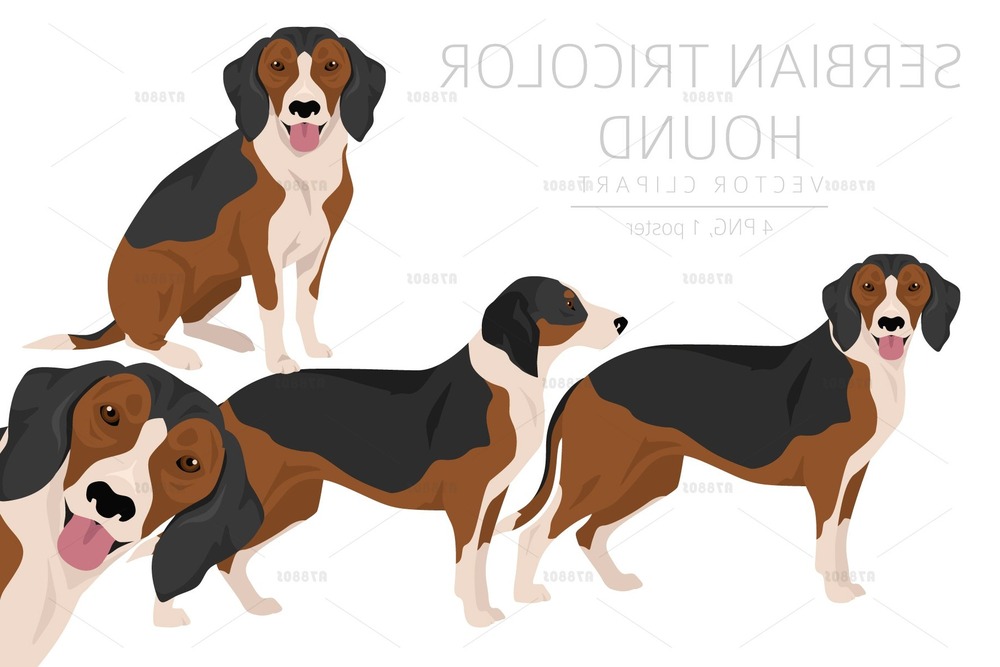
- Colour: Tricolour pattern, typically with a red base and a black saddle or mantle, plus limited white markings
- Exercise needs: High, daily physical and sniff-based outlets
- Grooming: Generally low maintenance
Where the breed comes from, and what it was made to do
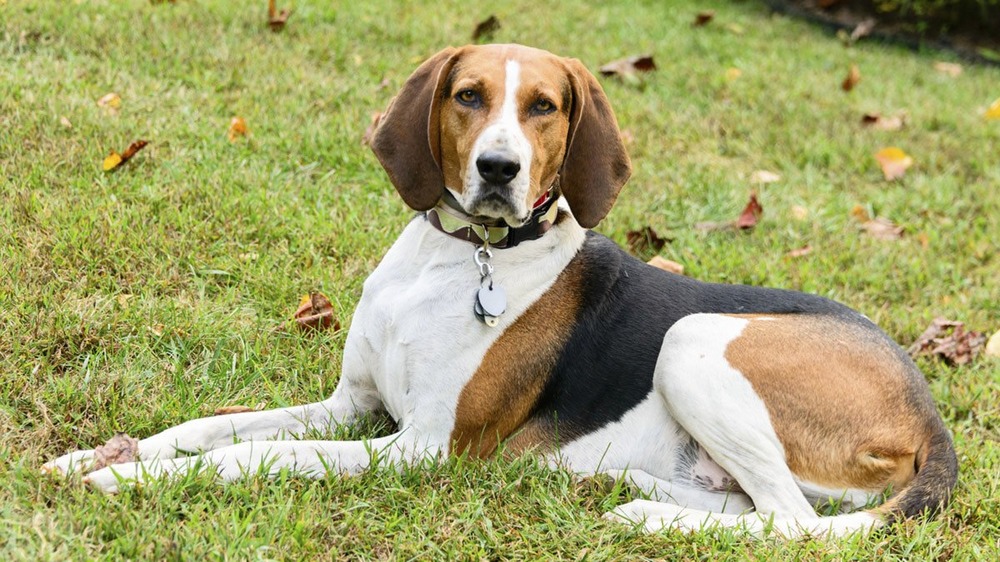
The Serbian Tricolour Hound is recognised internationally as a Serbian scent hound breed, grouped with other scenthounds and related breeds.1 Like many regional hounds, it developed to work for long hours across variable ground, focusing on scent, stamina, and persistence rather than speed alone.
One point that often gets repeated incorrectly is the idea that the breed was “recognised by the FCI in 2006”. In fact, the Fédération Cynologique Internationale lists the breed as recognised on a definitive basis in 1961, with the standard published later (the currently listed publication date is 2002).1 The “2006” date you may see relates to United Kennel Club recognition in the United States, not FCI recognition.2
In day-to-day life, this history matters because it explains the dog you get. A hound bred to keep going, to problem-solve with its nose, and to work at distance from the handler will often be affectionate and sociable, but not automatically “biddable” in the way many herding or gundog breeds can be.
Appearance and movement, what you tend to notice first
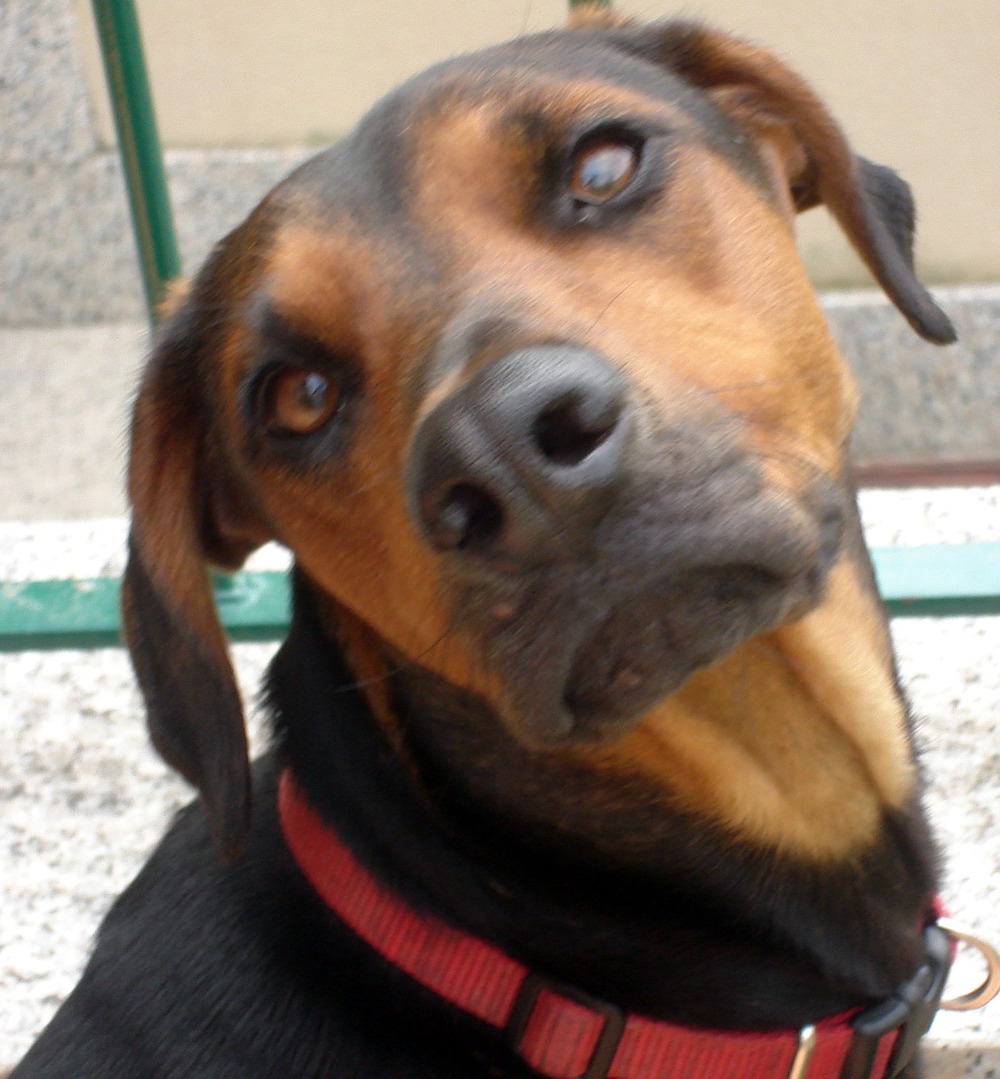
This is a medium-sized, athletic hound with a short, thick coat and a practical build. The long ears are not just decorative, they are part of a head shape that supports scent work, and they do mean you will want to keep an eye on ear health, especially if the dog swims, runs through long grass, or tends to build up wax.2, 6
Coat colour is usually described as a red base with a black saddle or mantle, plus white markings that should not dominate the body colour.2 If you are looking at puppies or rescue listings, it helps to remember that markings can look a bit different as a dog matures, and lighting in photos can be misleading.
In motion, you typically see an efficient trot and a dog that looks ready to keep moving. That “built for endurance” look often matches the reality at home: you do not so much tire them out once, as meet their needs every day.
Temperament in real homes, and what “houndy” behaviour looks like
Breed standards commonly describe the Serbian Tricolour Hound as lively, kind, dependable, and tenacious.2 Those words fit many hounds, but they can be misunderstood if you are picturing a dog that is constantly seeking instruction.
In practice, “tenacious” might show up as staying with an interesting scent long after you have lost interest. “Lively” can mean a dog that settles well after enough movement and sniff time, but becomes noisy or busy when under-exercised. And “kind” often looks like a dog that is friendly with familiar people, and generally social with other dogs, especially when well socialised early.
If you live with smaller animals, the main consideration is not whether the breed is “good” or “bad” with other pets, but whether you can manage prey drive safely. Early introductions, appropriate barriers, and ongoing supervision are more realistic than relying on good intentions.
Training that respects the nose
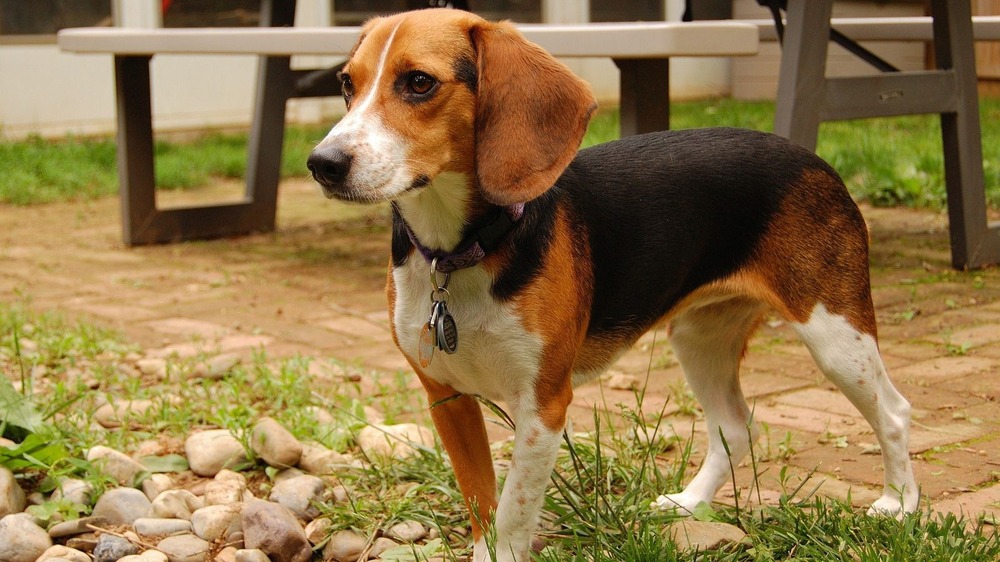
For a scent hound, training works best when it is consistent, reward-based, and built around realistic goals. Many people do well when they stop expecting a hound to act like a herding dog, and instead teach skills that support shared life: recall foundations, loose-lead walking, calm greetings, and settling after exercise.
Reward-based training is widely recommended by animal welfare organisations because it focuses on setting the dog up to succeed and reinforcing the behaviours you want, without relying on intimidation or pain.7 With hounds, that approach also tends to be more durable, since it gives them a reason to stay engaged even when the environment is full of competing smells.
It often helps to think in terms of management plus training:
- Long line practice for recall in safe, open areas.
- Sniff-friendly walks where the dog is allowed to investigate, not rushed past every scent post.
- Short training bursts that end before attention fades.
- Secure fencing and boredom prevention, because many hounds will roam if given an opening.
Exercise and enrichment, more than just “a walk”
The Serbian Tricolour Hound is typically described as high energy, and it is best matched with people who genuinely enjoy daily outdoor time. Two things matter here: physical exercise and opportunities to use the nose.
A brisk lead walk can be useful, but many hounds also benefit from activities that let them do what they were built for: tracking games, scent trails in the backyard, hiding treats in long grass, or structured nosework. The goal is not to “run them flat” once, but to provide steady, repeatable outlets that reduce frustration and help the dog settle afterwards.
If you are in a hot area of Australia, be conservative with exercise in warm weather. Short-coated dogs can still overheat, particularly when they are excited and following a scent. Plan bigger outings for cooler parts of the day, carry water, and watch for early signs of heat stress.
Health considerations, what to watch and what to prevent
Because the breed is relatively uncommon outside its region of origin, large-scale health statistics can be hard to find. Even so, the same themes seen in many medium, athletic dogs still apply, particularly joint health and ear health.
Hip dysplasia is a developmental condition seen across many breeds. Screening is done via veterinary radiographs, and factors like growth rate, body condition, and exercise management can influence comfort over a dog’s lifetime.3
For ears, long, pendulous ear shapes are associated with a higher tendency towards ear problems in many dogs, and moisture plus underlying skin disease (including allergies) can contribute to infections of the external ear canal (otitis externa).6 If ear issues become recurrent, your vet may also consider whether the middle ear is involved, particularly in chronic cases.8
Practical prevention is usually simple:
- Keep ears dry after swimming and bathing.
- Ask your vet to show you safe ear-cleaning technique, and avoid over-cleaning.
- Maintain a lean body condition to reduce stress on joints.
- Book checks early if you notice head shaking, odour, redness, or discharge.
Grooming and everyday care
A short, dense coat is usually straightforward to maintain. A weekly brush is often enough to lift loose hair and dirt, and it also gives you a chance to check skin, paws, and ears in good light.
Think of grooming less as a beauty routine and more as quiet maintenance. Nails, teeth, and ears are the practical pieces. If your dog lives an active life outdoors, routine paw checks help you catch grass seeds, small cuts, and irritation before they turn into bigger problems.
Feeding well, without overthinking it
For an energetic, medium-sized hound, the best diet is usually one that is complete and balanced for the dog’s life stage, and matched to activity level. Your veterinary clinic can help you adjust portions so the dog stays lean, rather than simply following the back-of-bag guide.
The WSAVA Global Nutrition Guidelines include practical tools used by veterinary teams, including body condition scoring resources that can help owners make more objective decisions about weight and feeding.9 If you are choosing commercial foods, it can also help to understand how “complete” diets are defined in Europe, where FEDIAF nutritional guidelines are widely used as a benchmark for formulation.10
Is the Serbian Tricolour Hound right for you?
This breed tends to suit people who like the company of a dog that is present and engaged, but not constantly waiting for instructions. If you enjoy walking, hiking, and doing small training sessions that feel more like cooperation than control, a hound can be a deeply satisfying companion.
They are usually not the easiest fit for small apartments or households that are away for long stretches every day. The biggest success factor is not experience with rare breeds, it is willingness to provide daily movement, scent outlets, and calm structure.
If you are considering one, it is worth seeking out breed clubs, ethical breeders, and hound-savvy trainers. With rare breeds, good support matters at least as much as good intentions.
References
- Fédération Cynologique Internationale (FCI): Serbian Tricolour Hound (No. 229)
- United Kennel Club (UKC): Serbian Tricolor Hound breed standard
- Orthopedic Foundation for Animals (OFA): Hip dysplasia overview
- Wikipedia: Serbian Tricolour Hound (overview and history summary)
- DogsGlobal: Serbian Tricolour Hound (FCI and UKC standard comparison excerpts)
- Animal Medical Center: Ear infections in pets (causes, risk factors, and prevention)
- RSPCA Australia Knowledgebase: Training recommendations and reward-based methods
- Merck Veterinary Manual (Pet Owner): Otitis media and interna in dogs
- WSAVA: Global Nutrition Guidelines
- FEDIAF: 2025 Nutritional Guidelines for Cats and Dogs (announcement)