

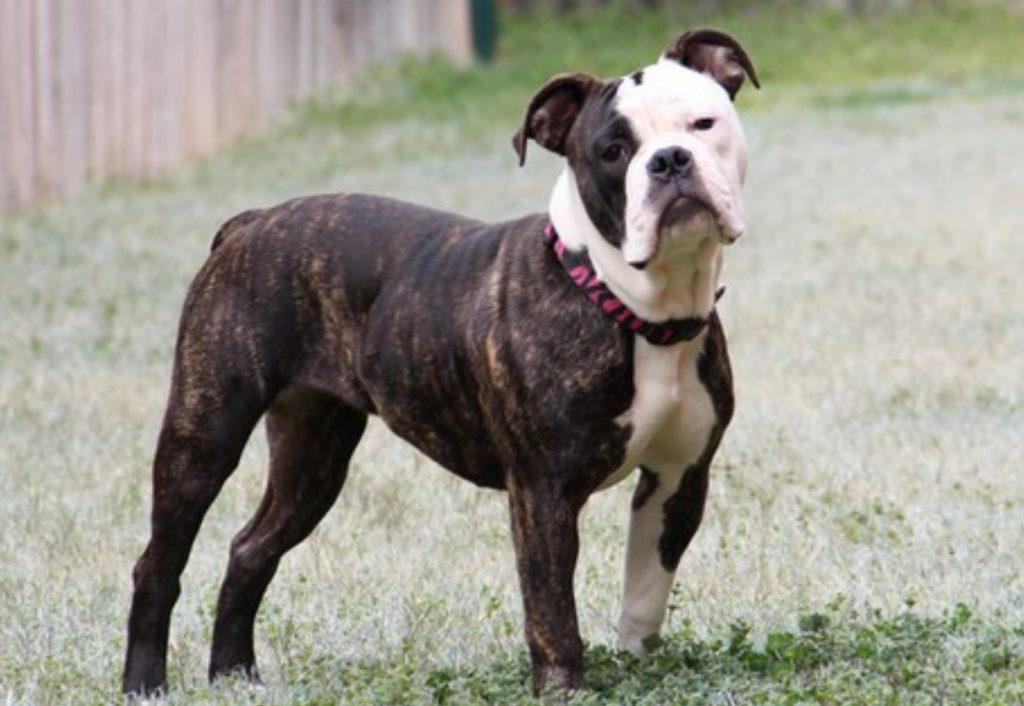
You might come across the Serrano Bulldog after seeing a photo that looks vaguely “bulldog”, but not quite English or French, or after hearing someone describe a rugged farm dog from southern Brazil. It can be confusing, because “bulldog” gets used as a catch-all label, and a lot of dogs with broad heads and solid bodies get lumped together.
In practice, the Serrano Bulldog (often written as Buldogue Serrano) sits in a different part of the bulldog story. It is talked about as a working type shaped by rural needs, especially stock work and property guarding, and it is also discussed in the context of Brazilian kennel club recognition rather than the big international system many people assume applies to every breed.1, 2
If you are considering one, or you are simply trying to understand what you have met at the park, it helps to look past the headline traits and get specific about temperament, training, and everyday management. These details matter more than the name on paper, particularly with strong, athletic dogs.
At a glance: Serrano Bulldog traits
- Type: Working, rural utility dog
- Country of origin: Brazil
- Build: Medium to large, muscular, athletic
- Coat: Short, generally low fuss
- Energy: Typically high, needs daily outlets
- Common watch-outs: Over-arousal, dog selectivity, joint strain if overfed or under-conditioned
History and origin: where the “Serrano” name fits
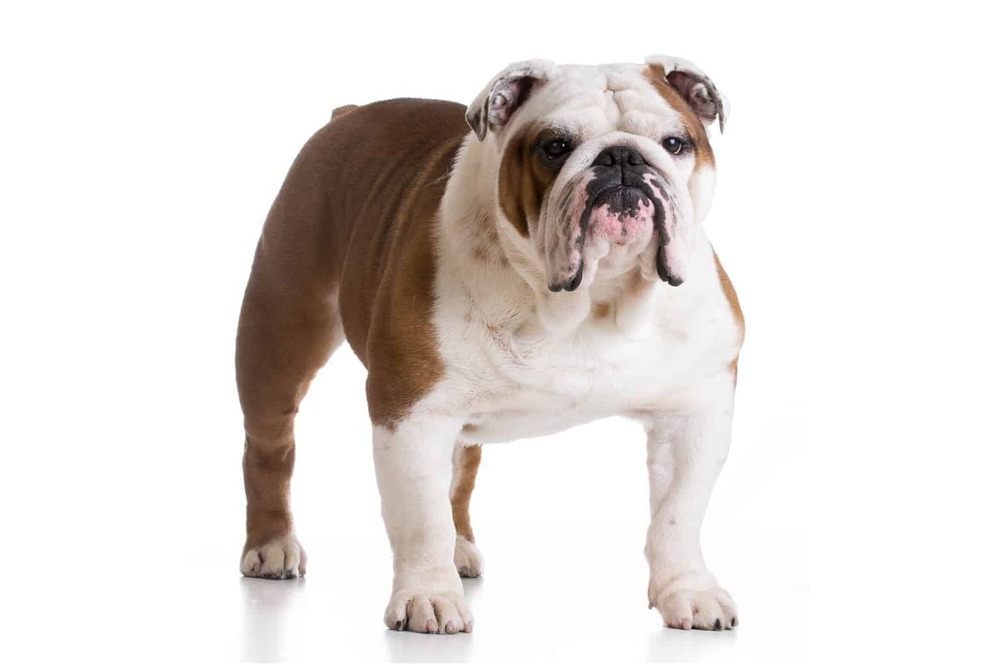
Accounts of the Serrano Bulldog commonly place it in southern Brazil, tied to rural work and the practical needs of farms. It is often mentioned alongside other Brazilian bulldog types, particularly the Buldogue Campeiro, with a shared background in cattle handling and property guarding in the region.3, 4
One point that trips people up is recognition. The Confederação Brasileira de Cinofilia (CBKC) maintains an extra classification, Group 11, for breeds recognised by CBKC but not recognised by the Fédération Cynologique Internationale (FCI). CBKC’s own rules describe Group 11 as “Raças não reconhecidas pela FCI”, and note that these breeds do not compete for CACIB at international shows.2
This does not make the dogs “not real”. It simply means the breed sits outside the FCI system at present, and information can be patchier and more dependent on local breed communities and club documents than on a single widely adopted international standard.
Physical characteristics: what you are likely to notice

Most descriptions emphasise a sturdy, capable body rather than exaggerated features. Expect a dog that looks built for traction and stamina: broad through the chest, strong through the hindquarters, and generally agile for its weight. The coat is usually short and dense, and colours commonly reported include fawn and brindle, sometimes with white markings.
It is worth keeping in mind that within less globally standardised breeds, type can vary. If you are meeting a “Serrano Bulldog” in person, you may see differences in size, head shape, and overall outline depending on breeding lines and local definitions.
Temperament and behaviour: loyal, watchful, and not always simple
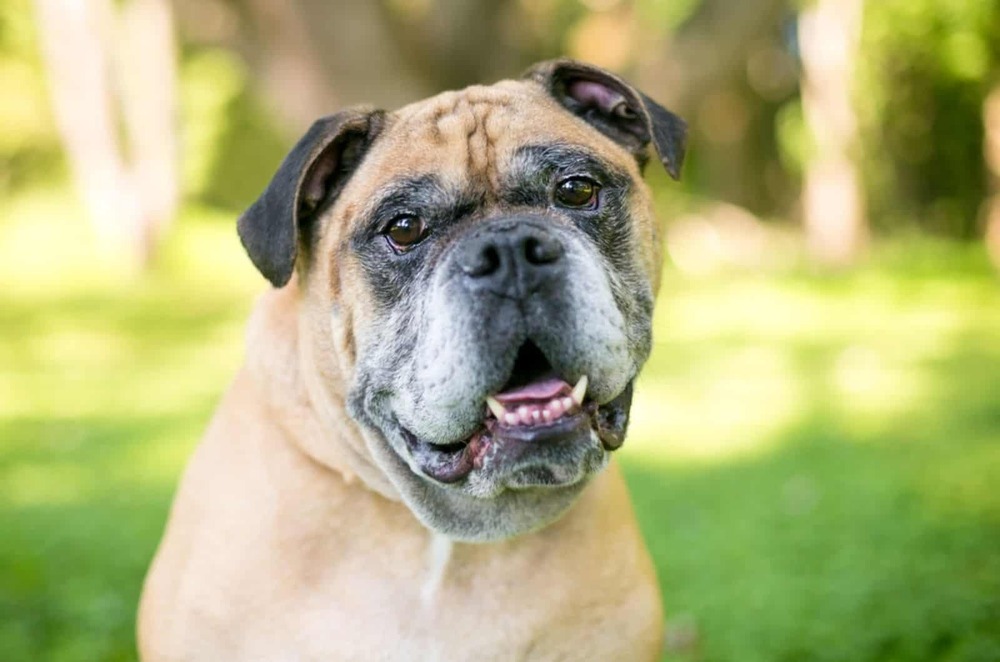
Serrano Bulldogs are commonly described as loyal and protective, which can be a good fit for people who appreciate a dog that notices what is happening around the home. In day-to-day life, though, “protective” is a trait that needs handling with care. Dogs that are naturally watchful tend to benefit from calm routines, clear boundaries, and early exposure to normal suburban life so they do not treat every novelty as their problem to solve.
With children, the usual rule applies: temperament is individual, and management is everything. Even when a dog is tolerant, a solid, energetic animal can accidentally bowl over a small child. The safest homes are the ones that treat dog and child interactions as something to supervise and shape, not something to simply hope works out.
With other pets, expect variation. Some individuals are socially easy, while others can be dog selective, particularly as they mature. Early, thoughtful socialisation helps, but it is not a guarantee that an adult dog will enjoy every dog they meet.
Training and exercise: building a useful, steady companion
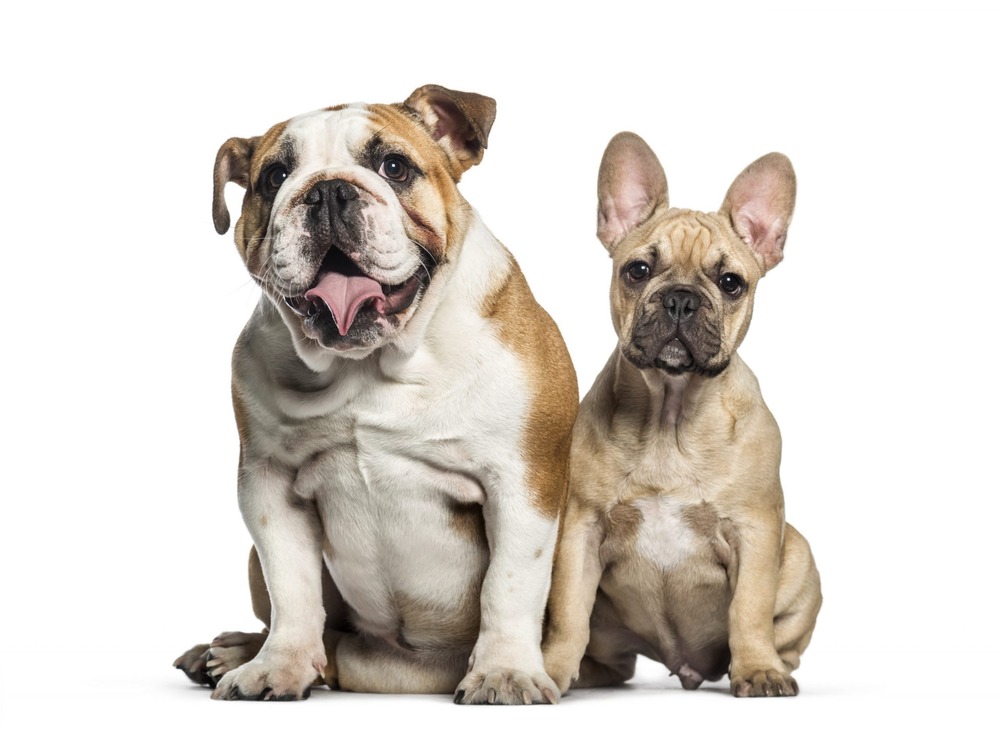
Strong working types usually do best with training that is consistent, reward-based, and practical. Think less about drilling tricks, and more about life skills: settling on a mat, polite lead walking, coming when called, and being able to disengage when something exciting is happening.
Daily exercise is important, but “more” is not always “better”. What you are aiming for is balanced outlets that protect joints and build good habits:
- Brisk lead walks with time to sniff
- Short training sessions that work the brain as well as the body
- Free running in a secure area, if recall and dog compatibility allow
- Structured games (tug with rules, scatter feeding, scent games)
Heat is a practical concern for many muscular, short-coated dogs. On warm days, adjust timing and intensity, and watch for early signs of overheating. RSPCA guidance also cautions against forcing sustained exercise like running beside a bike, and recommends choosing cooler parts of the day in warmer months.5
Health and lifespan: what to watch, and what to prevent
Life expectancy is often described in the 10 to 12 year range for medium to large dogs, but the bigger story is how the dog is raised and maintained. With sturdy, fast-growing types, the quiet risks are usually weight and joint load.
Hip dysplasia is a well-known issue in larger breeds, and veterinary surgical guidance notes it occurs most commonly in large dogs. It also points out that rapid weight gain and excessive nutrition can complicate development, which is a good reminder that lean puppies often grow better than heavy puppies.6
Skin irritation is also commonly mentioned in bulldog-type dogs in general, sometimes connected to environment, parasites, or diet sensitivities. Rather than swapping foods repeatedly on guesswork, it is usually more effective to work with a vet on a clear plan, especially if there is itch, recurrent ear trouble, or ongoing redness.
Basic preventative care tends to pay off with this sort of dog:
- Regular weight checks and body condition scoring
- Joint-friendly exercise that builds muscle without repetitive pounding
- Parasite prevention suited to your local risks
- Dental care at home, plus vet checks
Grooming and maintenance: low coat care, high handling value
A short coat is usually straightforward: a weekly brush, an occasional bath when needed, and routine checks of ears, nails, and skin. The bigger “grooming” project is actually handling and cooperation. Teaching a dog to accept paw handling, gentle restraint, and calm standing for inspection is invaluable, especially as they age and need more veterinary care.
Dental care is often overlooked in larger, robust-looking dogs, but gum disease does not care how athletic a dog appears. The Veterinary Oral Health Council (VOHC) notes that daily brushing is the gold standard when practical, and that any regular brushing is better than none. It also highlights that plaque and tartar often accumulate quickly on the cheek-facing surfaces of the upper teeth, which is a helpful place to focus if your dog will not tolerate a full routine yet.7
Diet and nutrition: choosing food without getting lost in marketing
For an active, muscular dog, it is tempting to chase “high protein” claims or pick food based on an impressive ingredient list. The WSAVA Global Nutrition Guidelines caution that ingredient lists can be misleading, and encourage owners to use more meaningful information and to work with veterinary teams on individually appropriate feeding plans.8
Two practical rules help most households:
- Feed to keep the dog lean and fit, not “solid” or “chunky”.
- Use part of the daily ration for training, so treats do not quietly double the calorie intake.
If you share fresh foods, keep a short list of well-known hazards in mind. RSPCA guidance lists grapes and raisins as risky (including foods that contain them), and also flags chocolate and xylitol as dangerous to dogs.9
Living with a Serrano Bulldog: who they tend to suit
This is generally not a set-and-forget breed type. They tend to do best with people who enjoy training, who are comfortable setting routines, and who can provide daily movement plus calm downtime. Space helps, but it is not the only factor. A bored dog in a big yard can cause as many problems as a bored dog in a small home.
If you are choosing a puppy, the most important decisions are often about the humans: responsible breeding practices, stable early handling, and honest temperament matching. If you are adopting an adult, give the dog time to settle, assume that behaviour will change as they decompress, and consider professional support early if you are seeing guarding, reactivity, or persistent conflict with other animals.
References
- CBKC, Lista de raças por grupo
- CBKC Circular 22/13, Grupo 11 (raças não reconhecidas pela FCI) e regras de CACIB
- Bordoga (blog), “Serrano uma raça a partir do Campeiro” (história e contexto no RS)
- Wikipedia, Buldogue-campeiro (resgate e reconhecimento da raça, contexto histórico)
- RSPCA Pet Insurance, Como exercitar o seu cão ou cachorro com segurança
- American College of Veterinary Surgeons (ACVS), Canine hip dysplasia overview and management
- Veterinary Oral Health Council (VOHC), Brushing guidance
- WSAVA, Global Nutrition Guidelines and pet owner tools
- RSPCA Pet Insurance, Foods to avoid feeding your dog (grapes, raisins, chocolate, xylitol)