

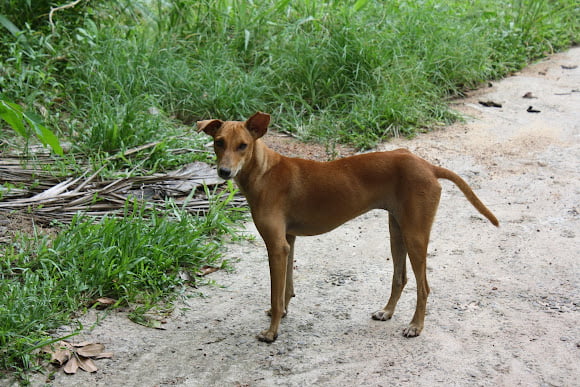
You might come across the term “Sinhala Hound” after seeing photos of a lean, short-coated dog from Sri Lanka, or after noticing how often street and village dogs around the world share a similar, practical shape. People often assume a “breed” always means a tightly defined pedigree, with a formal standard and predictable traits. With the Sinhala Hound, that assumption can get in the way of understanding what you are actually looking at.
Most descriptions of the Sinhala Hound point to a native landrace, a long-established local dog type shaped more by environment and daily work than by modern show breeding. That makes the Sinhala Hound culturally interesting, and also a little harder to describe neatly. Temperament, size and coat colour can vary, and what matters most is the dog’s fit for life: movement, health, trainability, and how it settles into a home.
If you are considering a Sinhala Hound (or a similar hound-like landrace), it helps to think in terms of needs and management rather than labels. These dogs tend to do best with space, routine, and thoughtful handling of hunting instincts, especially around wildlife and smaller pets.
Sinhala Hound at a glance
- Type: Sri Lankan landrace (not widely kennel-club recognised)
- Origin: Sri Lanka
- Size: Medium, often around 40 to 55 cm at the shoulder (varies)
- Coat: Short, typically low-maintenance
- Common colours: Often brown and brindle, with variation
- Typical roles: Hunting support, guarding, general-purpose village dog
Where the Sinhala Hound fits in Sri Lanka
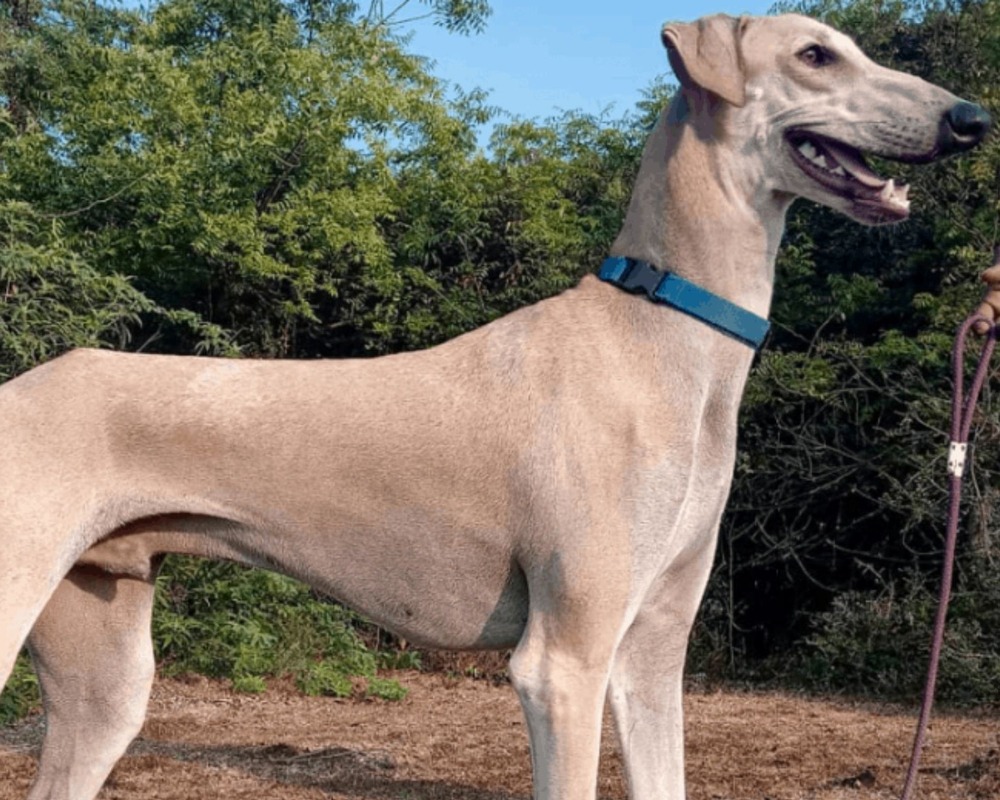
The Sinhala Hound is usually described as a native dog found throughout Sri Lanka, often living close to people in rural and village settings, and sometimes in semi-wild conditions.1 You will also see it described as an “ancient” dog type, linked in popular retellings to early settlement stories. Those traditions are part of the breed’s mystique, but they are not the same thing as a documented pedigree history.
What is more grounded is the idea of a landrace: a population shaped over time by local conditions and human needs. Dogs that could cope with heat, uneven terrain, parasites, and the daily rhythm of hunting and guarding were more likely to thrive and reproduce. The result tends to be an athletic, efficient dog rather than a uniform “look”.1
Another point worth keeping in mind is recognition. The Sinhala Hound is not widely recognised by major international kennel clubs, which is one reason reliable, consistent breed data can be patchy compared with more established pedigree breeds.1
Appearance and physical traits
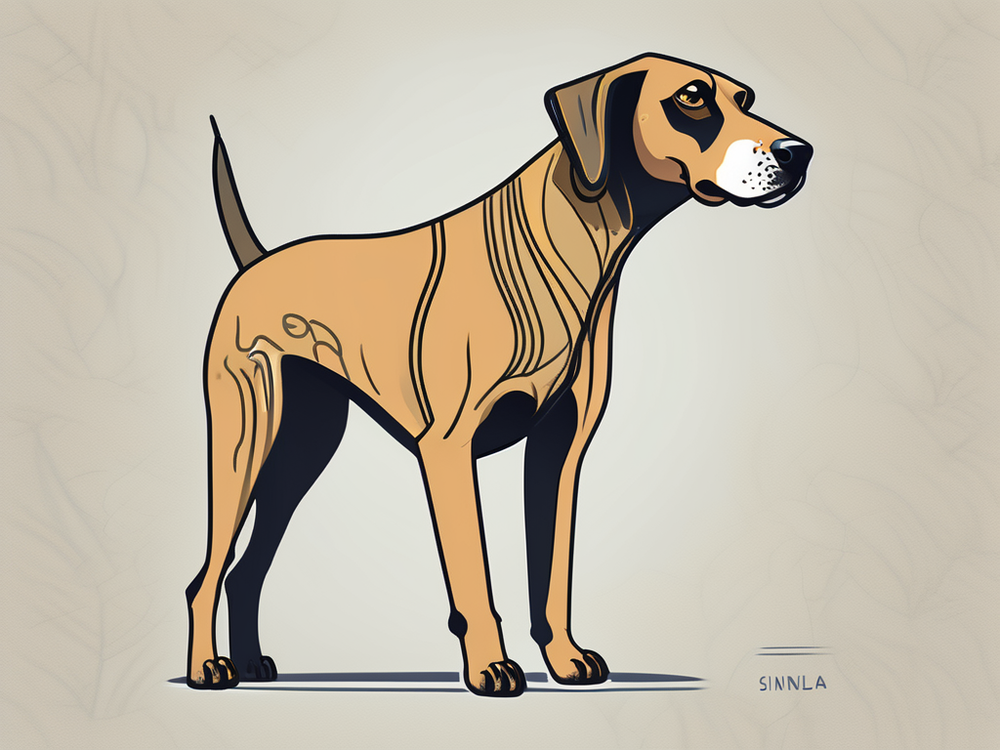
Most Sinhala Hounds are medium-sized, lean and built for steady movement. A short coat is typical, and colours can vary widely. Many sources describe brown or dark brown brindle as common, with other shades also seen.1
Rather than focusing on a single “correct” outline, it is more useful to notice functional features:
- Efficient gait and good endurance for covering ground.
- Short coat that is practical in warm climates.
- Hound-like alertness, with quick orientation to scent and sound.
Because this is a landrace, expect variation. Two Sinhala Hounds can look broadly similar while still differing in height, head shape, and markings.
Temperament, instincts, and family suitability
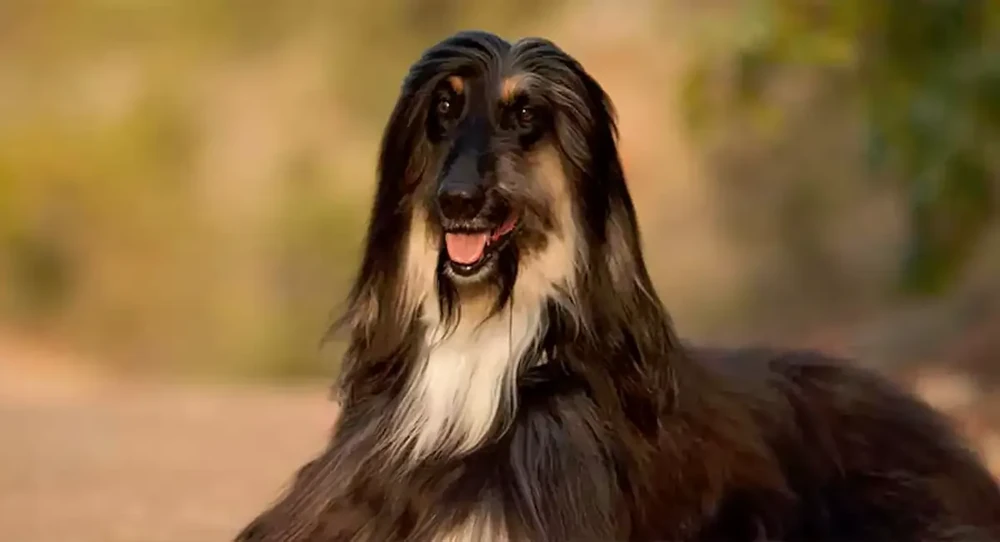
Descriptions of the Sinhala Hound often highlight traits that make sense for a general-purpose working dog: alertness, independence, and strong environmental awareness. Many landrace hounds can be affectionate with their household while also remaining watchful and reserved in unfamiliar situations.
A helpful way to frame temperament is this: you are often dealing with a dog that has had generations of practice at making its own decisions. That can look like confidence, curiosity, or sometimes a reluctance to comply if the request seems pointless. In day-to-day home life, clear routines and consistent reinforcement usually matter more than “firmness”.
With children, success tends to depend on the same basics that apply to any energetic medium dog: calm supervision, teaching children how to interact appropriately, and giving the dog a quiet place to rest. With other pets, the main variable is prey drive and early experience. If you have cats or smaller animals, plan introductions carefully and assume you will need management, not just hope.
For dog and cat households, a gradual introduction process, with close observation and controlled interactions, is more likely to build a workable relationship over time.7
Training that suits a thinking hound
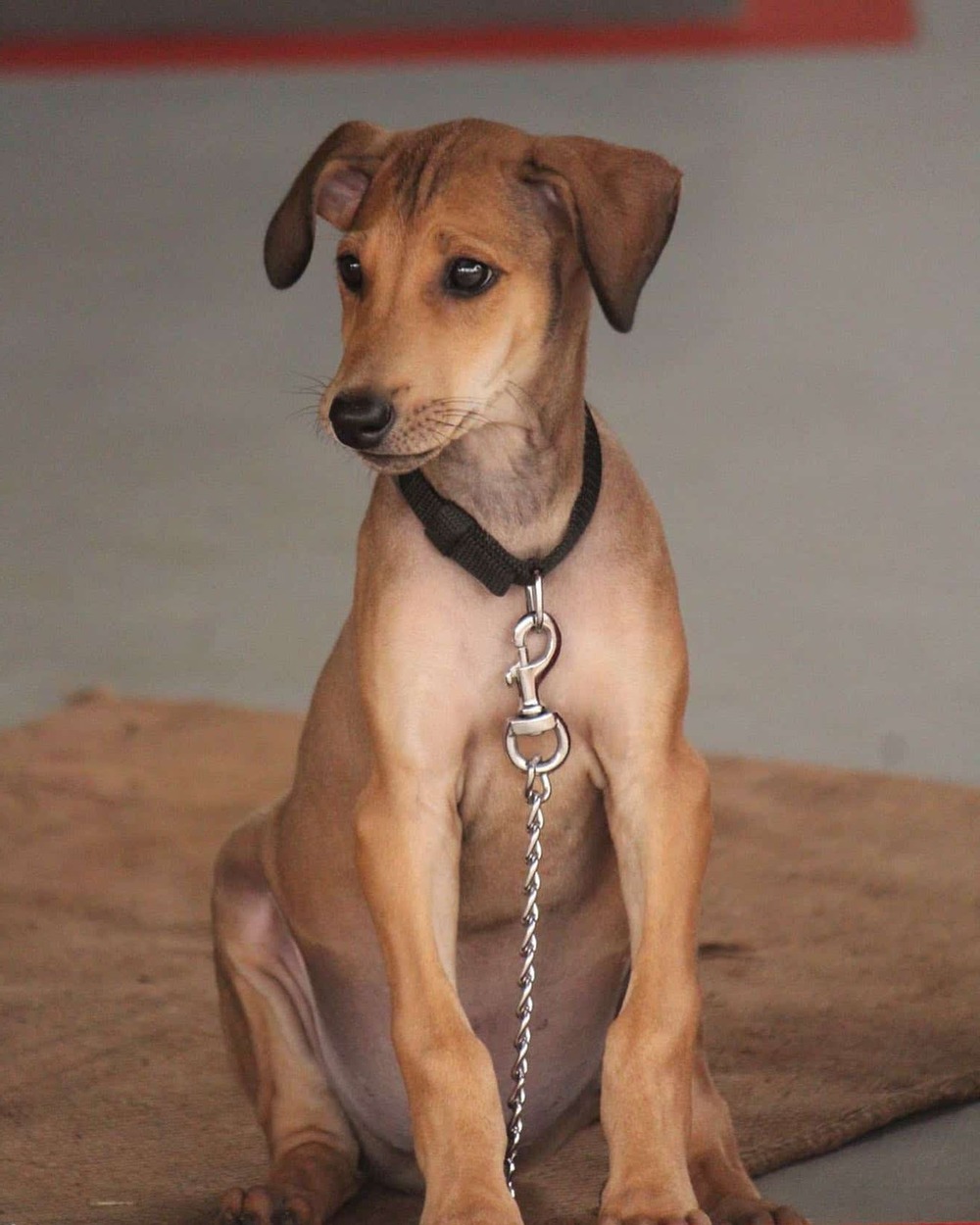
Many owners do best when they treat training as a long conversation rather than a quick installation of commands. Hound-type dogs often respond well to positive reinforcement, short sessions, and rewards that genuinely matter to that individual dog.
Practical priorities to focus on early include:
- Recall foundations in low-distraction areas before you ask for it near wildlife or other dogs.
- Loose-lead walking skills, especially if scent-tracking pulls them off line.
- Settle training and calm behaviours in the home, not just “busy” training outdoors.
- Handling tolerance (ears, paws, mouth), so vet checks and grooming are less stressful.
If a dog is highly scent-driven, consider giving it an appropriate outlet: scent games, tracking-style walks, and structured sniffing time can reduce frustration and help the dog settle.
Exercise and enrichment needs
Expect a Sinhala Hound to need daily activity that is both physical and mentally engaging. A long walk on lead is a start, but many dogs also need problem-solving and exploration to feel satisfied.
Useful enrichment options include:
- Sniff walks where the goal is exploration rather than distance.
- Food puzzle toys and scatter-feeding in the yard.
- Short training sessions that rotate skills and keep the brain working.
Because many hounds will follow scent without hesitation, secure fencing and lead use matter. It is less about “disobedience” and more about the reality of strong tracking instincts.
Health considerations and preventive care
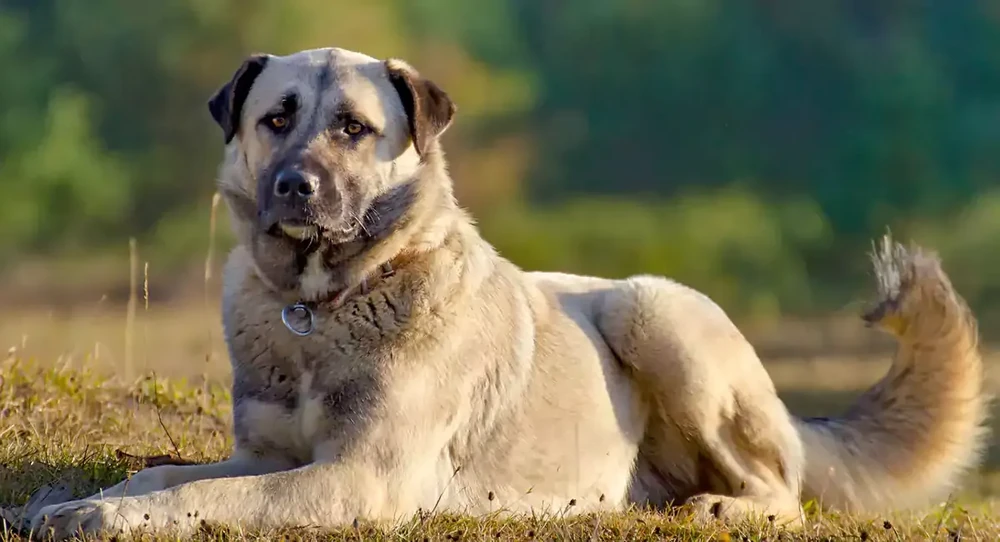
Landraces are often described as generally hardy, but that does not mean they are immune to health problems. It means you may be less able to rely on breed-specific statistics, and more reliant on individual assessment and good preventive care.
Common-sense health priorities include regular vet checks, appropriate vaccination advice, and parasite prevention tailored to your region and lifestyle.6
Worm control matters for both dog and household health. Intestinal worms can affect dogs of any type, and your vet can advise the most suitable schedule and products for your situation.6
Dental care is also easy to overlook with short-coated, “low maintenance” dogs. Teeth and gums still benefit from a plan that includes home care and professional assessment when needed.8
Grooming and everyday care
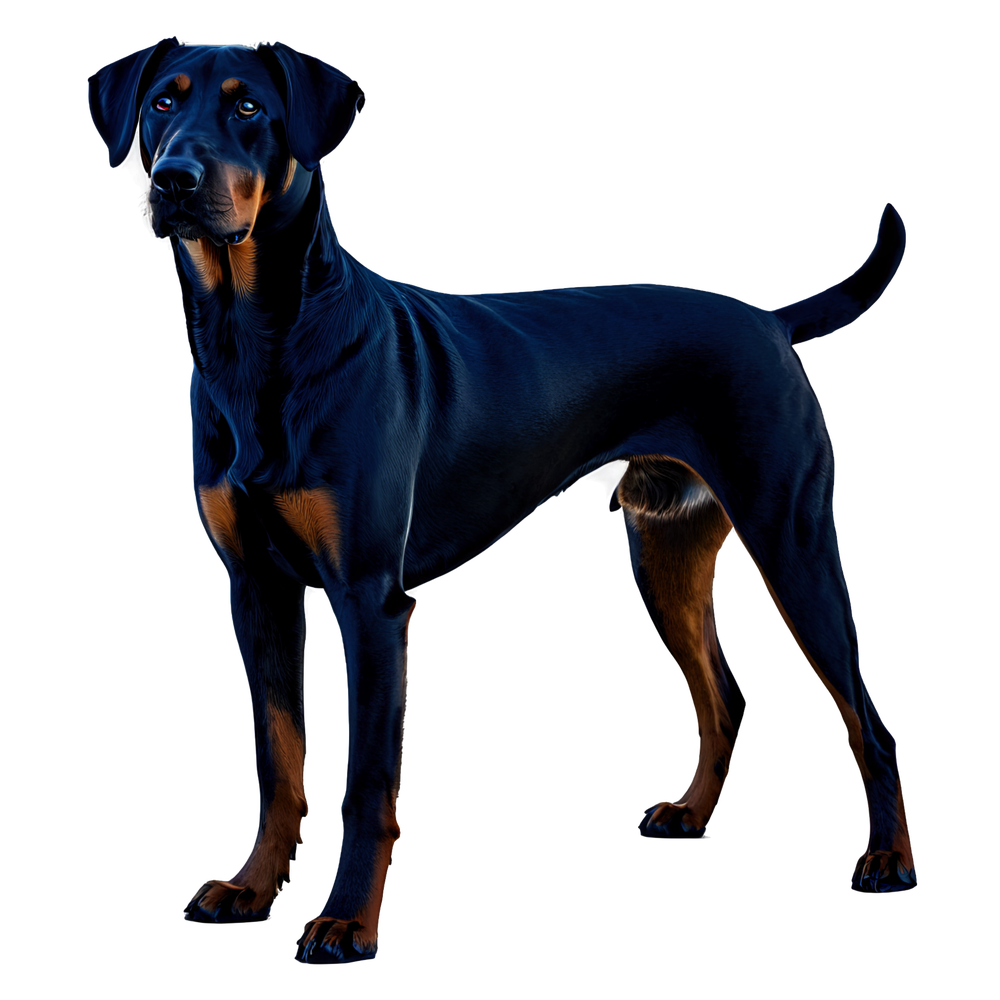
A short, dense coat usually means grooming is straightforward. Occasional brushing helps remove loose hair and gives you a chance to check skin condition, lumps, and parasites. Many owners find that a quick weekly routine is enough most of the year.
Do not forget the small maintenance tasks that keep problems from building:
- Nails trimmed regularly to support comfortable movement.
- Ears checked for redness, odour, or discharge.
- Teeth and gums monitored, with brushing if your dog will tolerate it.8
Feeding and nutrition, keeping it simple and evidence-based
It is tempting to assume an athletic, hunting-influenced dog must need a “high protein” diet. In practice, what matters is whether the overall diet is complete and balanced for the dog’s life stage, and whether it supports a healthy body condition. The best diet is the one that reliably suits your dog, your budget, and your ability to feed consistently.
If you are unsure how to choose a food, the WSAVA Global Nutrition Guidelines and tools are a good starting point for sensible questions to ask and ways to assess a feeding plan with your veterinary team.2
It is also worth being clear about common food hazards. Chocolate is toxic to dogs because it contains methylxanthines such as theobromine and caffeine, and risk depends on the type eaten, the amount, and the dog’s size.9
Final thoughts on living with a Sinhala Hound
The Sinhala Hound makes most sense when you see it as a capable, locally shaped dog type rather than a perfectly standardised pedigree. In the right home, with secure management, daily enrichment, and training that respects a dog’s instincts, these hounds can be steady companions and engaged working partners.
If you are meeting a dog described as a Sinhala Hound outside Sri Lanka, consider the possibility of mix and variation, and focus on the individual in front of you. A thoughtful assessment, plus a good relationship with a vet and qualified trainer, will tell you more than any label can.
References
- Wikipedia: Sinhala Hound
- WSAVA: Global Nutrition Guidelines
- RSPCA Pet Insurance (Australia): Essential dog care information
- RSPCA Knowledgebase: Introducing a new dog or puppy to an existing cat
- Vets Love Pets: Dog dental care (vet guide)
- US FDA: Leave chocolate out of Rover’s celebrations
- University Veterinary Teaching Hospital Sydney: Intestinal worms
- Australian Government (DAFF): Travelling with your dog in Australia (tick-borne disease advice)