

You might come across the phrase “small Greek domestic dog” after seeing a little, alert companion dog on holiday photos, in rescue listings, or on social media, and wonder if it is an actual recognised breed or just a descriptive label. In Greece, there are small local dogs that live closely alongside people, and some have been formalised into breed standards. Others are better understood as “types” or landraces, rather than internationally recognised breeds.
That matters in practice because a label can create expectations about size, coat, temperament, and health that do not always match the dog in front of you. If you are adopting, the most helpful approach is to focus on the individual dog’s needs, then use breed information as a guide, not a promise.
In English, “Small Greek domestic dog” is often used to refer to the Kokoni, a Greek companion and watchdog type recognised by the Kennel Club of Greece, but not recognised by the FCI (the international federation that lists many standardised breeds).1, 2
At a glance: what people usually mean
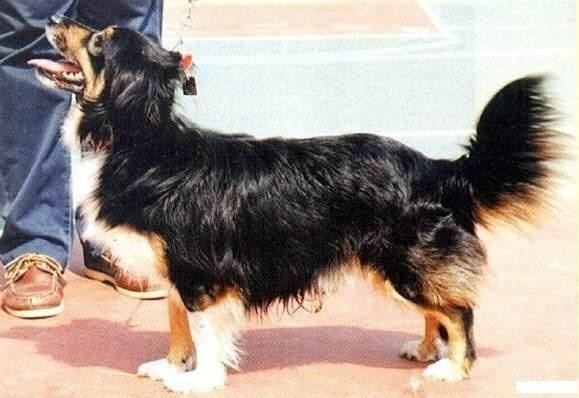
When people say “small Greek domestic dog”, they are usually describing a small, people-oriented Greek companion dog, commonly a Kokoni, a Kokoni mix, or another similar local type. The Kokoni breed standard describes a small dog with a slightly longer-than-tall body, drooping ears, and a coat that is short on the head and fronts of the legs, with longer feathering on the tail and rear.1
- Common role: companion dog and alert watchdog1
- Recognition: recognised by the Kennel Club of Greece, not recognised by the FCI1, 2
- What varies most: coat length, colour, confidence with strangers, and overall energy levels (especially in mixes)
History and origin (with a reality check)
Small companion dogs have lived around Mediterranean households for a very long time, so it is easy for modern descriptions to drift into “ancient” storytelling. What we can say with more confidence is that Kokoni is a Greek breed standard developed from local small domestic dogs and formally recognised by the Kennel Club of Greece in 2004.1, 2
Some online write-ups call the dog “Greek Toy” and suggest an FCI recognition date, but this does not line up with the FCI’s own breed list. The FCI’s Greek breed in its nomenclature is the Hellenic Hound (a medium scent hound), not a toy companion dog.3, 4
If you are meeting a dog described as “small Greek domestic”, it is worth asking one simple question: is there paperwork from a recognised registry in the dog’s country of origin, or is this a general description used for a small mixed-breed dog? Either can make a wonderful pet, but the expectations should be different.
Size, build, and what that means at home
Most dogs described this way sit in the small-dog bracket, often around a few kilos rather than tens of kilos. The Kokoni is described as a small dog with a slightly rectangular outline (body length greater than height) and a lively tail carriage.1
In day-to-day life, a small build often means easier transport, easier lifting, and lower exercise volume than a working breed, but it can also mean greater sensitivity to handling (especially from children) and a tendency to develop habits like constant alert barking if the home is busy and the dog is under-stimulated.
Coat length and colour
Coat descriptions online are often inconsistent, partly because people are describing a “type” rather than a strictly controlled pedigree. In the Kokoni standard, the coat is not uniformly short: it is short on the head and fronts of the limbs, with longer coat around the body and feathering on the tail and rear.1
Colour can be wide-ranging in local Greek companion dogs. Rather than focusing on a “correct” colour, it is more useful to notice coat texture and undercoat, because that will shape grooming needs and how much the dog sheds through seasonal changes.
Temperament and trainability
People often describe these dogs as bright, social, and people-focused. That tends to fit many small companion dogs bred for living in close quarters, but individual variation is normal, especially when the dog is a mix or has had an unsettled early life.
Many owners notice two traits sitting side by side: quick learning and strong opinions. Training usually goes best with short sessions, clear reinforcement, and a focus on everyday skills that reduce friction in the home, such as settling on a mat, loose-lead walking, and calm greetings.
If barking is part of the package, it helps to treat it as information rather than “naughtiness”. Alert barking often improves when you add structure: predictable exercise, sniffing time, and teaching a cue for quiet after a brief “thank you, I heard that”.
Health considerations to keep in mind

When a dog is described by a broad label rather than a well-documented pedigree line, it is hard to talk about “breed-prone” disease with precision. Still, there are a few health topics that come up often in small dogs generally, and they are worth budgeting and planning for.
Patellar luxation (slipping kneecap)
Patellar luxation is a common orthopaedic condition in dogs, and it is seen more often in small breeds. Owners may notice an occasional skip or brief three-legged gait that resolves after a few steps. Mild cases can be managed conservatively, while more severe cases may need surgery.5, 6
Dental disease
Small dogs can be particularly vulnerable to dental crowding and periodontal disease. Regular dental checks, tooth brushing when possible, and timely professional cleaning (with appropriate anaesthesia) can make a real difference to comfort and long-term health.7
Hip and joint health
Hip dysplasia is often discussed in larger breeds, but any dog can develop joint pain and arthritis over time. Keeping your dog lean, maintaining steady exercise, and seeking early veterinary advice when lameness appears are practical, evidence-based steps.8
Practical takeaway: when adopting, ask your vet about a baseline orthopaedic check, dental assessment, and a plan for weight management. Those three steps cover a lot of ground for small companion dogs.
Strangers, visitors, and social confidence
Some small Greek companion dogs are naturally sociable, while others are cautious, particularly if they have had limited early social exposure or a history of being moved between homes. It helps to think in terms of thresholds and distance: a dog can be “friendly” at two metres but overwhelmed at close contact.
Instead of expecting immediate cuddles, aim for neutral, low-pressure introductions. Allow the dog to approach, offer choice, and reward calm observation. Many dogs become more consistently relaxed with visitors once the home routine is predictable and greetings are not intense.
Playfulness and mental stimulation

These dogs are often described as playful, and play can be a real asset for training and bonding. The trick is to balance “up” and “down”, so the dog does not live in a constant state of activation.
- Good daily outlets: short games of tug, gentle fetch, and sniffing walks
- Low-fuss enrichment: scatter feeding, cardboard box “find it”, and simple food puzzles
- Calm skills: settle on a mat, chew time, and rewarding quiet behaviour
Living with children
A small companion dog can be a lovely family fit, but size cuts both ways. Small dogs are easier to accidentally frighten, grab, or knock over, and that can lead to defensive behaviour if adults do not actively manage interactions.
Homes tend to do best when children are taught a few clear rules, such as not picking the dog up, not hugging, and letting the dog rest undisturbed. Create a “no child access” zone (like a crate or gated room) so the dog has a reliable off switch.
Exercise needs (what “moderate” really looks like)
Many dogs in this category do well with a mix of daily walking and short play sessions. “Moderate exercise” usually means consistency rather than intensity: a couple of walks, some sniffing time, and a small amount of training most days.
If the dog is lively indoors, it is not always a sign they need a huge run. Often they need better recovery: fewer chaotic games, more sniffing, and more reinforcement for calm, settled behaviour.
Suitability for multi-pet households

Many small companion dogs can live happily with other pets, but success tends to come from management rather than optimism. Slow introductions, separate feeding stations, and supervision in the early weeks matter more than the label attached to the dog.
If you have cats, look for a dog that can disengage and respond to you when excited. Reward calm looking and turning away, and use baby gates to give the cat consistent escape routes.
Housing and daily care
These dogs can adapt well to flats and smaller homes if their daily needs are met. A secure routine usually matters more than floor space: predictable walks, a comfortable resting area, and a little training that helps the dog understand the household rhythm.
For diet, the best plan is usually simple: a complete, balanced food, measured portions, and regular weigh-ins. Small dogs can gain weight quickly, and staying lean is one of the most useful things you can do for joints and long-term mobility.
Summary
“Small Greek domestic dog” is often a loose English label rather than a globally standardised breed name. In many cases, it points towards the Kokoni or a similar Greek companion type: small, alert, and closely bonded to people.1, 2
If you are choosing one, the most reliable guide is the dog in front of you. Focus on temperament, health checks, and routine, and you will be much closer to a good match than any breed label can guarantee.
References
- Kennel Club of Greece: Kokoni (English translation)
- Wikipedia: Kokoni
- Fédération Cynologique Internationale (FCI): Breeds Nomenclature
- FCI: Hellenic Hound (Hellinikos Ichnilatis), breed information
- Cornell University College of Veterinary Medicine: Patellar luxation
- American College of Veterinary Surgeons: Patellar luxation (knee cap dislocation)
- AAHA: 2019 Dental Care Guidelines for Dogs and Cats
- Orthopedic Foundation for Animals (OFA): Hip dysplasia