

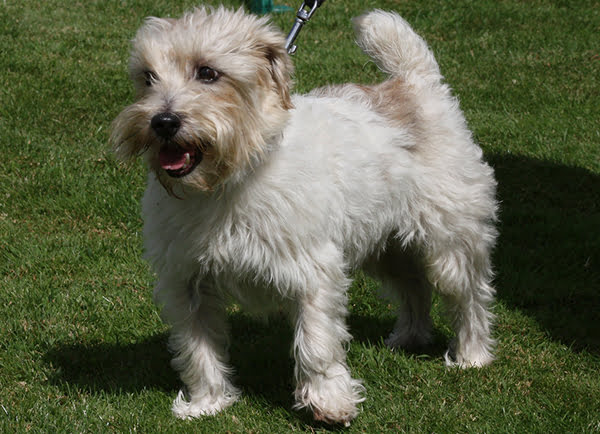
You might come across the Sporting Lucas Terrier after meeting one at the park, seeing one pop up in a working terrier group, or noticing a small, scruffy dog that looks a bit like several breeds at once. People often assume that “little terrier” means either a busy, yappy dog or a delicate lapdog. In practice, this type sits somewhere in the middle.
A Sporting Lucas Terrier is usually small enough to live comfortably in a unit, but still built for purpose. When they are well managed, they tend to be bright, sociable, and surprisingly capable. When their needs are brushed off because they are “only small”, the same dog can become noisy, restless, or a bit too keen to chase anything that moves.
It helps to think of this breed as a companion with working instincts. The more you understand what those instincts look like in day to day life, the easier it is to set up the sort of routine that keeps them settled.
Quick breed snapshot
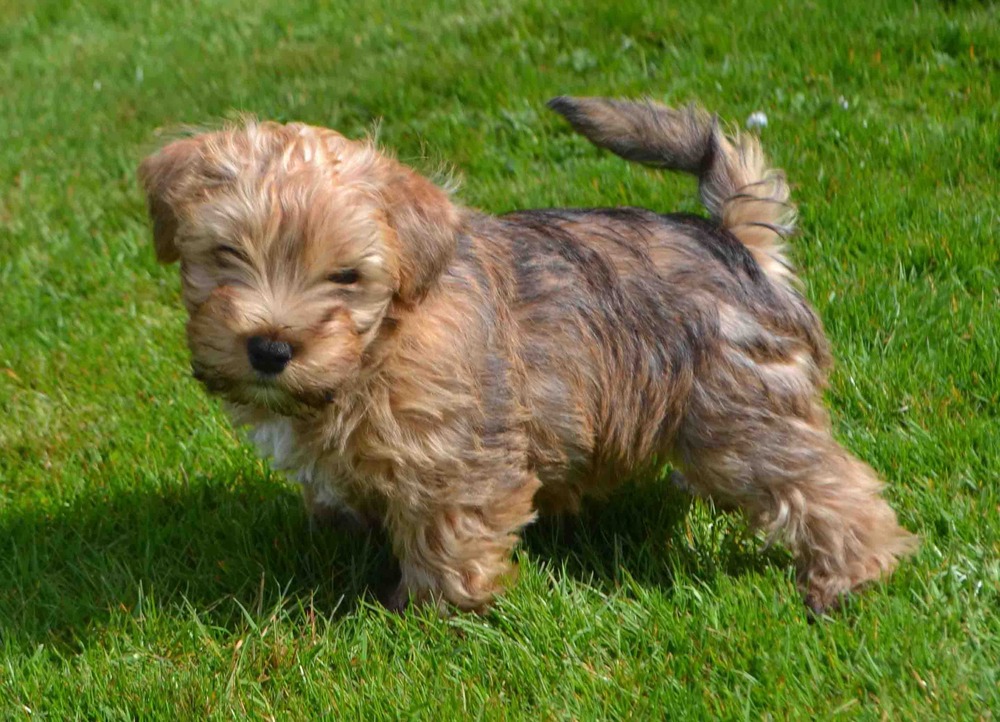
This is a small terrier type with a sturdy build and a practical coat. Exact details vary a little by line and breeder, but many dogs sit around 25 to 30 cm at the shoulder and roughly 5 to 8 kg as adults.
- Type: Terrier
- Likely lifespan: often around 12 to 15 years
- Exercise needs: moderate daily exercise, plus mental work
- Coat: harsh or wiry outer coat with a dense undercoat
- Temperament: alert, people-oriented, energetic, typically quick to learn
History and where the Sporting Lucas Terrier comes from
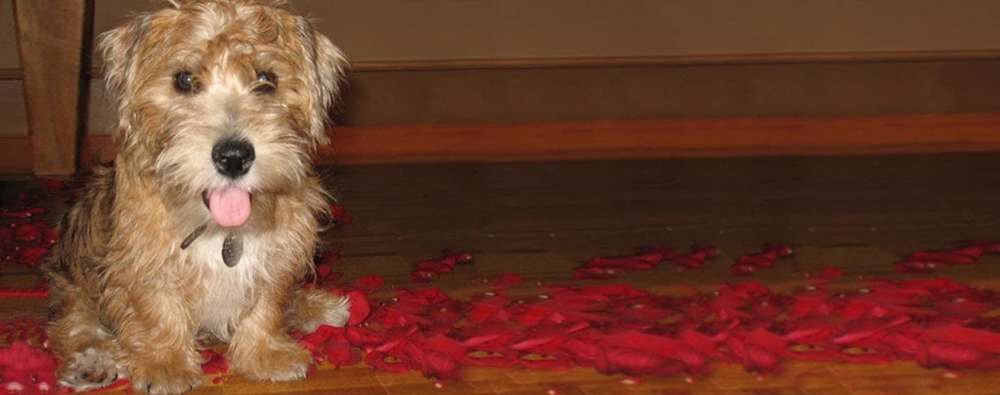
The name “Lucas” traces back to Major Sir Jocelyn Lucas, who in the late 1940s bred a smaller, more workmanlike terrier by crossing Sealyham Terriers with Norfolk Terriers. The intention was a dog that could still do the job, including going to ground, rather than drifting towards a purely show-focused type.1, 2
The Sporting Lucas Terrier is a related, later development that sits alongside the Lucas Terrier, with some registries and clubs describing additional terrier influences over time. In the United Kennel Club (UKC) standard, the Sporting Lucas Terrier is described as a compact working terrier, and UKC recognition dates to March 2002.3
If you are researching puppies, it is worth knowing that “Sporting Lucas Terrier” can be used a little differently between breeders and communities. A sensible next step is to ask what the parents do day to day (sporting work, family life, dog sports), and what health testing is done, rather than relying on the label alone.
What they look like in real life
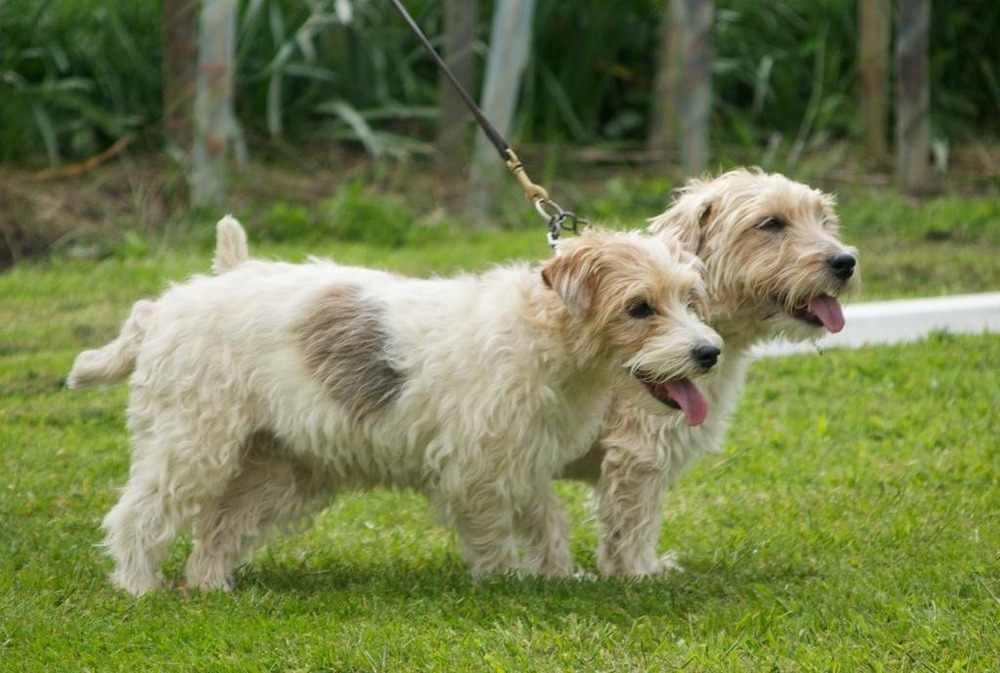
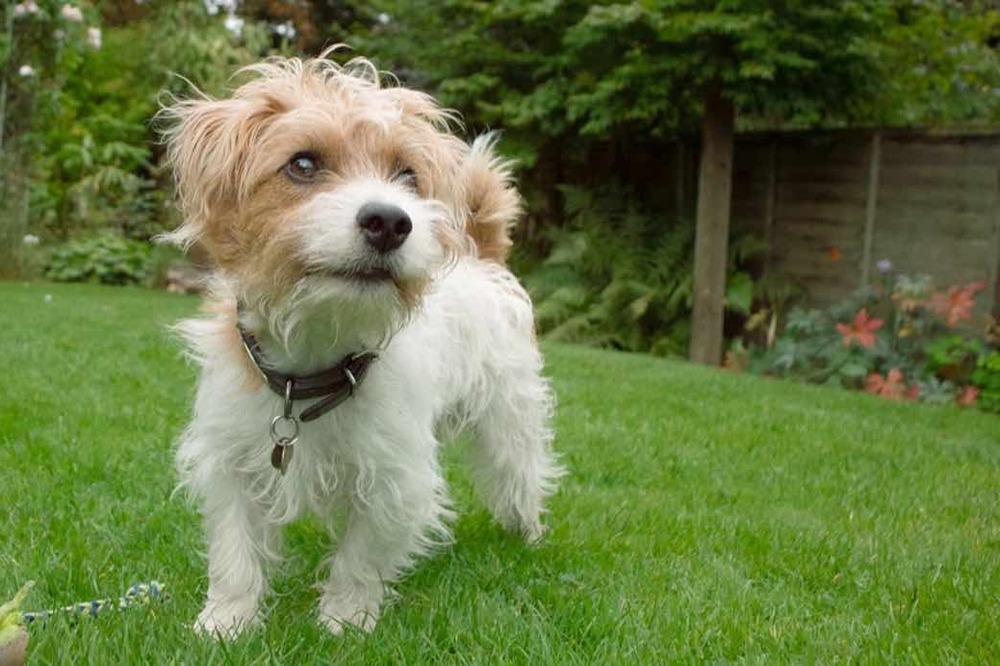
In the home, most people notice the sturdy little frame first. These dogs are not meant to be fine-boned. They are usually narrow enough through the chest to be agile, with a functional coat that feels more harsh than silky.
Common colours include white with darker patches, or mixes that may include black and tan or grizzle tones. Ears are often folded or semi-pricked, and the expression tends to be bright and watchful, which is part of their charm and part of their “always on” terrier wiring.3
Temperament and behaviour, the terrier part still matters
A well raised Sporting Lucas Terrier often comes across as friendly and engaged. They tend to enjoy being close to their people, and many are game for training because they like interaction and novelty. That said, terrier behaviour can be misunderstood as stubbornness when it is really a mix of high interest in the environment and quick decision making.
Many will investigate movement, scent trails, and small animals. That does not mean they cannot live peacefully with other pets, but it does mean management matters. Early, thoughtful socialisation, and practising calm behaviours in everyday situations, often makes a bigger difference than trying to “tire them out”.
With children, the match is usually best when adults keep interactions respectful and supervised, and when the dog has a quiet place to retreat. Small terriers can be tolerant, but they are also physically easy to overwhelm if play gets rough or unpredictable.
Training and exercise that actually helps
These dogs do well with training that is consistent and fair. In practice, short, regular sessions tend to beat occasional long ones, especially for a dog that is easily distracted by smells and motion.
A good routine usually includes:
- Daily movement: a walk plus a play session, adjusted for age and fitness
- Brain work: simple scent games, food puzzles, or trick training
- Impulse control practice: waiting at doors, settling on a mat, recall games on a long line
If barking becomes a feature, it often helps to look first at patterns. Is the dog under-stimulated, rehearsing “alert barking” at windows, or being unintentionally rewarded with attention? Quiet training and environmental tweaks (like blocking a front window view) are often more effective than punishment based approaches.
Health, lifespan, and what to watch over time
Small terriers are often robust, but they are not “maintenance free”. Sporting Lucas Terriers are commonly described as generally healthy, with some lines reporting eye concerns, and as with many small to medium dogs, joint and dental health are practical day to day considerations.
Rather than trying to guess risk from breed generalisations alone, ask a vet what checks make sense for your individual dog, and ask the breeder for information on parental health history.
For long term wellbeing, keep an eye on body condition. Even a small amount of extra weight can matter for joints and stamina. The WSAVA Global Nutrition Guidelines support routine nutrition assessment, including body condition scoring, as part of everyday veterinary care.4
Grooming and coat care
The coat is often described as low shedding, but “low shedding” still requires attention. A weekly brush is usually enough to remove debris and reduce tangles, and it is also a useful moment to check ears, paws, and skin.
Bathing can be occasional, using a gentle dog shampoo, and increasing brushing during seasonal coat changes can help keep the coat comfortable. Starting grooming habits early, and keeping them calm and predictable, is often the difference between a dog that tolerates handling and one that resists it.5
Diet and nutrition, keeping it simple and evidence-based
Most Sporting Lucas Terriers do well on a complete and balanced diet that matches their life stage and activity level. The more active individuals can need more energy, but it is still easy to overfeed small dogs because portions look small to us.
If you are unsure whether to increase or reduce food, use a combination of body condition score, weekly weight checks for a short period, and your vet’s guidance. The WSAVA nutrition resources are also a helpful way to understand what “healthy body condition” actually looks like on a real dog.4
Treats are often where calories creep up. A practical approach is to set aside part of the daily ration for training, and keep higher calorie chews as occasional items rather than a daily habit.
Preventative care that is easy to keep up with
Preventative care is mostly about small, repeatable habits. A routine that many owners find realistic includes:
- Annual vet visits (or as advised) for health checks and vaccinations
- Parasite control suitable for your area and your dog’s lifestyle
- Dental care, ideally tooth brushing introduced gradually
- Microchip details kept up to date, especially after moving house or changing phone numbers
Dental disease is common in dogs generally, and brushing is consistently described by welfare organisations as one of the most effective home habits you can build. Starting young helps, but older dogs can learn too if you go slowly and keep it positive.6, 7
Microchipping rules differ by state and territory, but the practical point is the same everywhere: a chip only helps if the details are current. Several Australian government sources also emphasise microchip verification as the reliable way to confirm identity in formal settings, which gives you a sense of how central it is as identification.8, 9
Final thoughts
A Sporting Lucas Terrier can be a rewarding dog for someone who enjoys a bright, busy companion and is willing to provide structure. They are often small enough to fit into modern living, but still wired like a dog with a job to do.
If you lean into that reality, with training that builds calm skills and exercise that includes thinking as well as walking, you usually end up with a terrier that feels like a confident little partner, not a constant project.
References
- United Kennel Club (UKC): Sporting Lucas Terrier breed standard
- Wikipedia: Lucas Terrier
- Wikipedia: Sporting Lucas Terrier
- WSAVA: Global Nutrition Guidelines
- RSPCA Pet Insurance: Washing and brushing your dog
- RSPCA Australia: Importance of dental health
- RSPCA South Australia: Dental care for dogs and cats
- Western Australian Government (DLGSC): Microchipping
- Agriculture Victoria: Microchipping for domestic animal businesses