

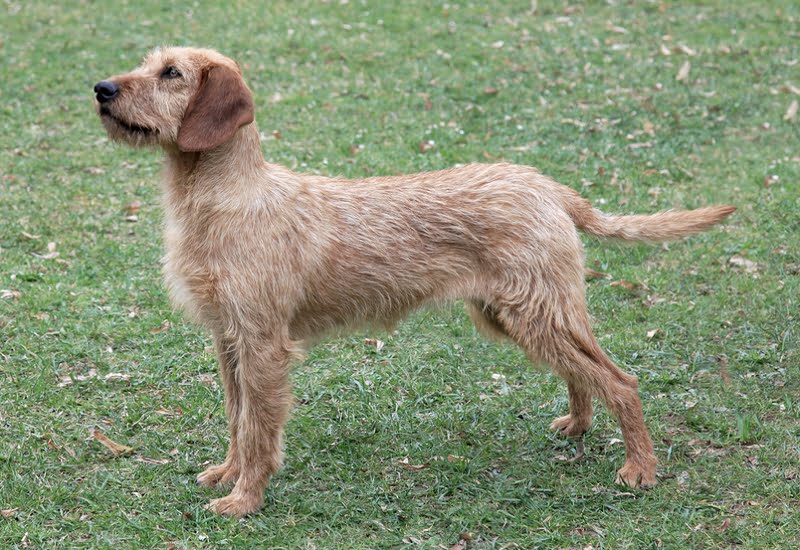
Sometimes you only notice a breed like the Styrian Coarse-haired Hound because you have met one on a bush walk, spotted a wiry, bearded hound in a hunting photo, or found yourself wondering why some dogs can follow a scent for what feels like forever. It can look like a “scruffy” coat and a serious face, but there is usually a working reason behind both.
With scent hounds, it helps to start from the assumption that their world is built around smell. What can seem like stubbornness, selective hearing, or wandering off is often a dog doing exactly what it was bred to do, tracking and problem-solving with its nose. For the right household, that focus is a gift. For the wrong setup, it can be tiring.
The Styrian Coarse-haired Hound (Steirische Rauhhaarbracke) is still closely tied to its original job in Austria: hunting and tracking in difficult, mountainous country. Understanding that working background is the most practical way to decide whether this is a dog you admire from afar, or one you can genuinely live with.1, 2
Quick breed snapshot
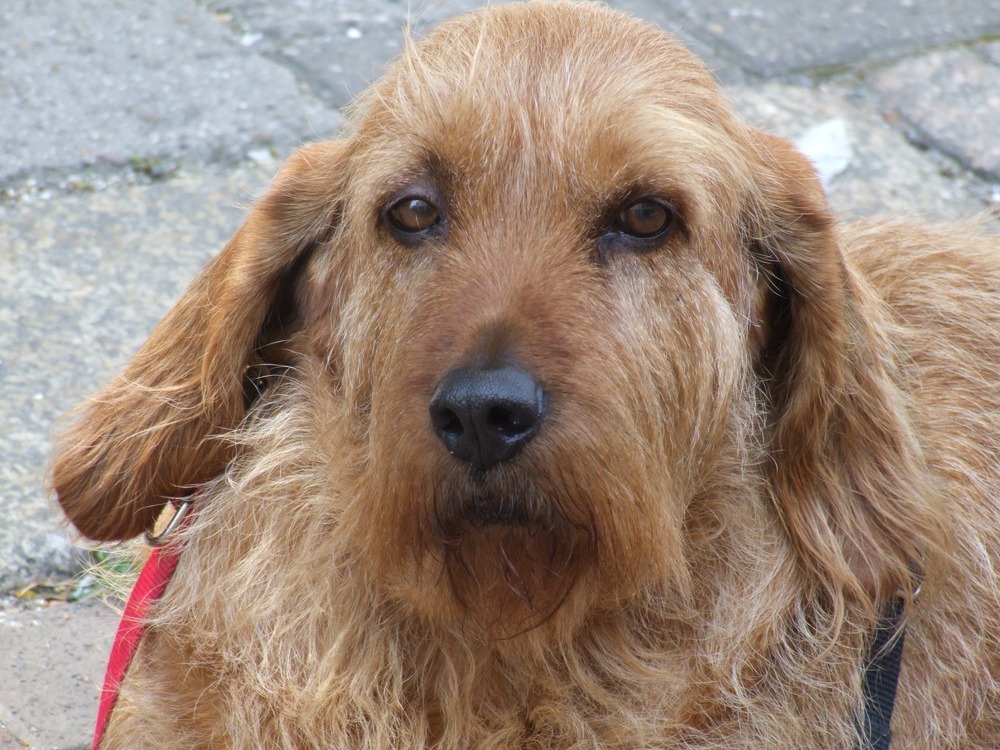
- Breed group: Scent hound (medium-sized hound in FCI Group 6)1
- Origin: Austria, associated with Styria1, 2
- Typical size: About 45 to 53 cm at the withers1
- Typical weight: Often around 15 to 18 kg (many individuals sit in this range)2
- Life expectancy: Commonly described around 12 to 14 years (as a general guide, not a guarantee)
- Best-known for: Persistent scent tracking and working in rough terrain1, 2
Where the breed comes from, and why it looks the way it does
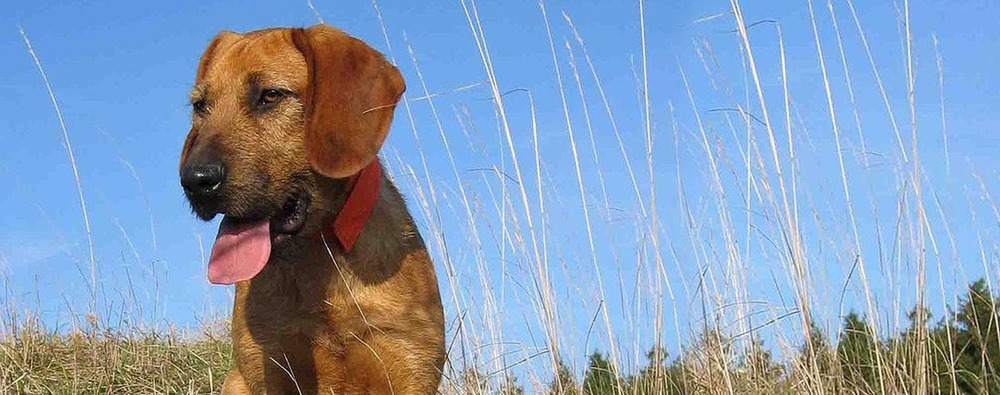
The breed was developed in the late 1800s by Karl Peintinger, an industrialist and keen hunter in Styria. The accepted account is that he began breeding around 1870 by crossing a Hanoverian Scent Hound bitch (often named as “Hela 1”) with a coarse-haired Istrian hound type, then continuing with selective breeding to fix the traits he wanted for harsh country and reliable tracking.1, 2
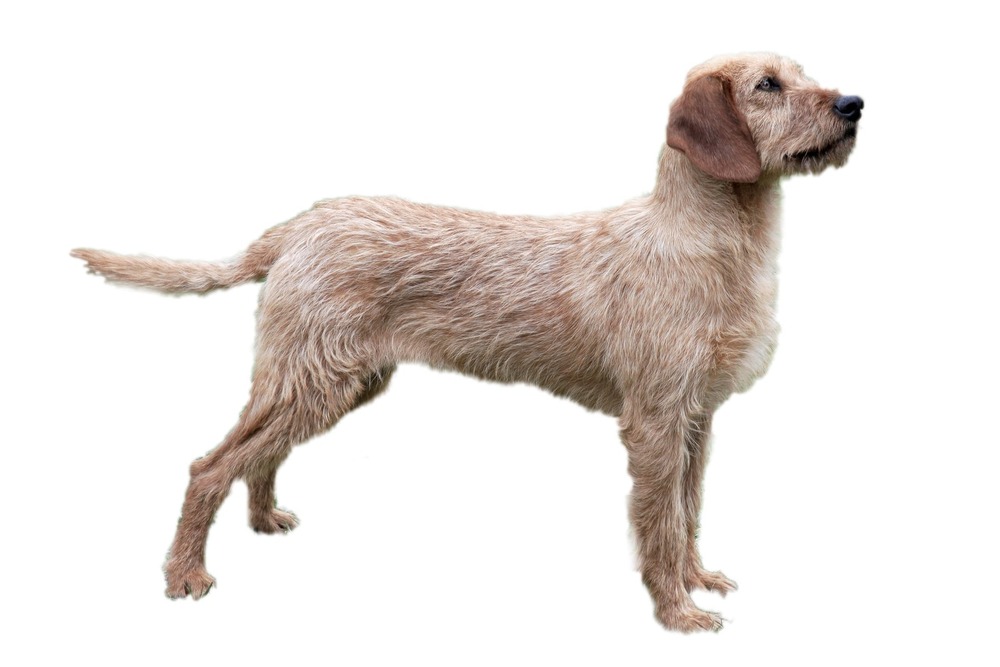
If you have ever run your hands through a coarse, weatherproof coat and thought, “This feels like outdoor gear,” you are not far off. The rough coat is part of the breed’s practical design, along with a sturdy, athletic build. These dogs were intended for work where brush, wet ground, and cold conditions are normal, not occasional.1, 2
In FCI terms, the Styrian Coarse-haired Hound is a recognised Austrian scenthound, and it is generally described as being used for hunting and also for tracking wounded game in difficult mountain terrain. That focus matters, because it tells you what the dog will likely find most rewarding in everyday life: following scent, keeping going, and making decisions at a distance from the handler.1, 2
Temperament in everyday life
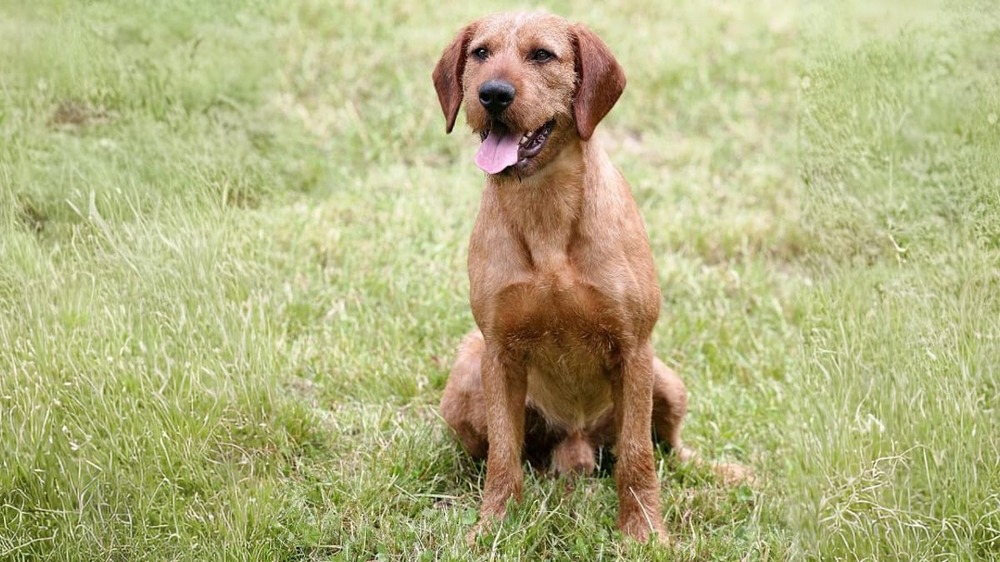
People often describe scenthounds as loyal and intelligent, and that can be true here, but it is worth adding a working-dog footnote. Many Styrian Coarse-haired Hounds have a strong capacity for focus, especially once a scent picture makes sense to them. That can look like independence, because it is independence, the breed standard language from working registries often highlights a determined tracker and a tough hunter.3
If you are picturing an easy off-lead dog that checks in every 10 seconds, this may not be your match. If you enjoy training, hiking, structured scent games, and you can provide secure boundaries, you may find the breed deeply satisfying to live with.
With children and other pets, the basics apply more than breed myths: early socialisation, calm management, and supervision. A dog bred to hunt needs thoughtful introductions to smaller animals, and a plan for preventing rehearsals of chase behaviours. Management is not a failure, it is how good households stay safe and relaxed.
Training that respects a scent hound brain
Training tends to go best when you treat it as a long conversation, not a contest. Reward-based methods fit particularly well for hounds because they build clarity without turning training into a struggle. The RSPCA’s guidance is consistent: focus on positive reinforcement, avoid aversive tools and punishment-based approaches that can carry welfare risks and can worsen behaviour problems over time.4
Practical approaches that often suit scent hounds include:
- Short, repeatable sessions that end while the dog is still engaged.
- Teaching recall as a layered skill, not a single cue, then practising on long lines before you rely on it.
- Swapping some “obedience-only” time for nose-led work, such as simple scent trails, scatter feeds in grass, or hide-and-find games.
- Rewarding check-ins and calm lead walking, because these are the skills that stop a strong nose from becoming an everyday tug-of-war.
If your dog is most motivated by smell, the trick is not to fight that. Use it. Make sniffing part of the reward structure, and you often get a calmer dog at the end of the walk.
Exercise and enrichment, what “high energy” really means
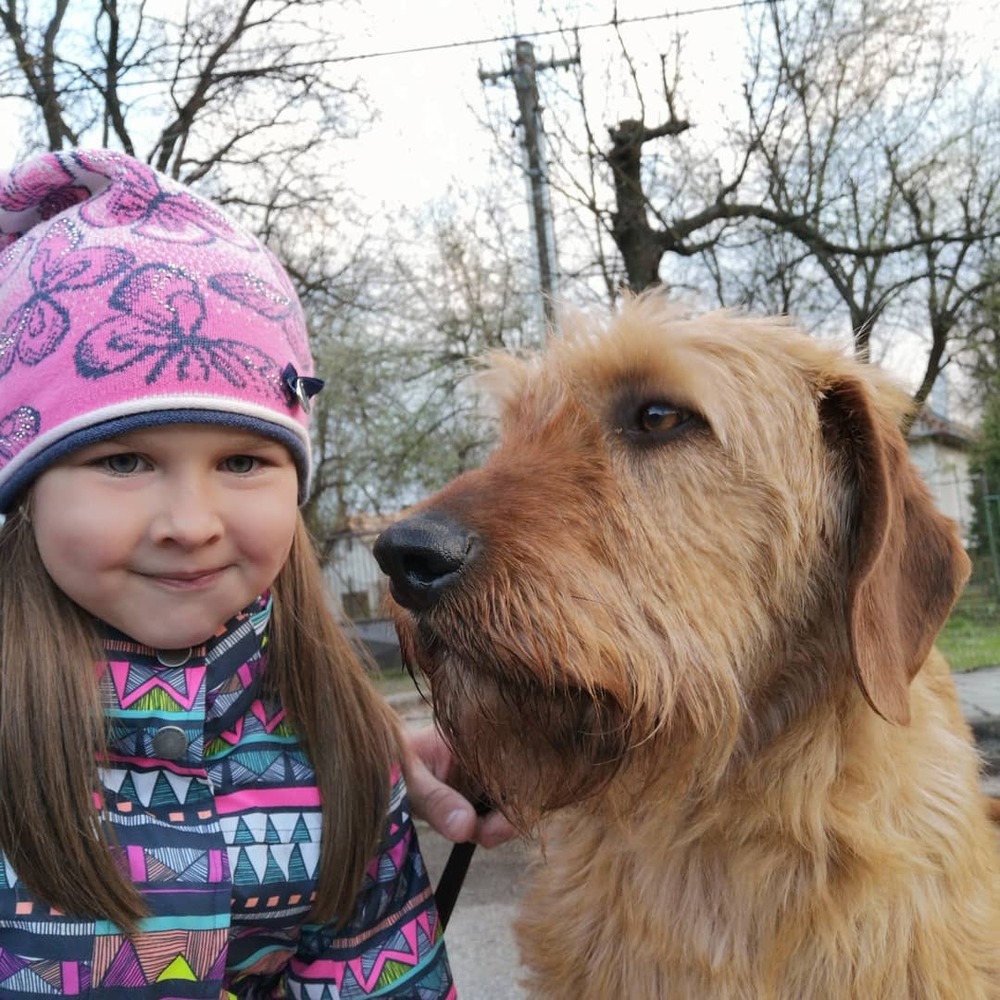
“High exercise needs” is easy to say and hard to interpret. For this breed, think in terms of both movement and purpose. A brisk walk is a start, but many scenthounds also need time to investigate, track, and work things out. A dog that gets only physical exercise can still feel under-stimulated.
Good daily outlets often include a combination of:
- On-lead walks with designated sniff time.
- Secure-area free running, where safe and legal.
- Scent work (formal nosework, or home-made trails).
- Simple strength and mobility work, such as controlled hill walking and steady pacing (particularly helpful for joint care).
Because these dogs can follow a scent away from you, secure fencing and thoughtful lead habits matter. It is less about “being naughty” and more about a brain that is built to keep going once it is locked onto a trail.
Health considerations to keep in mind
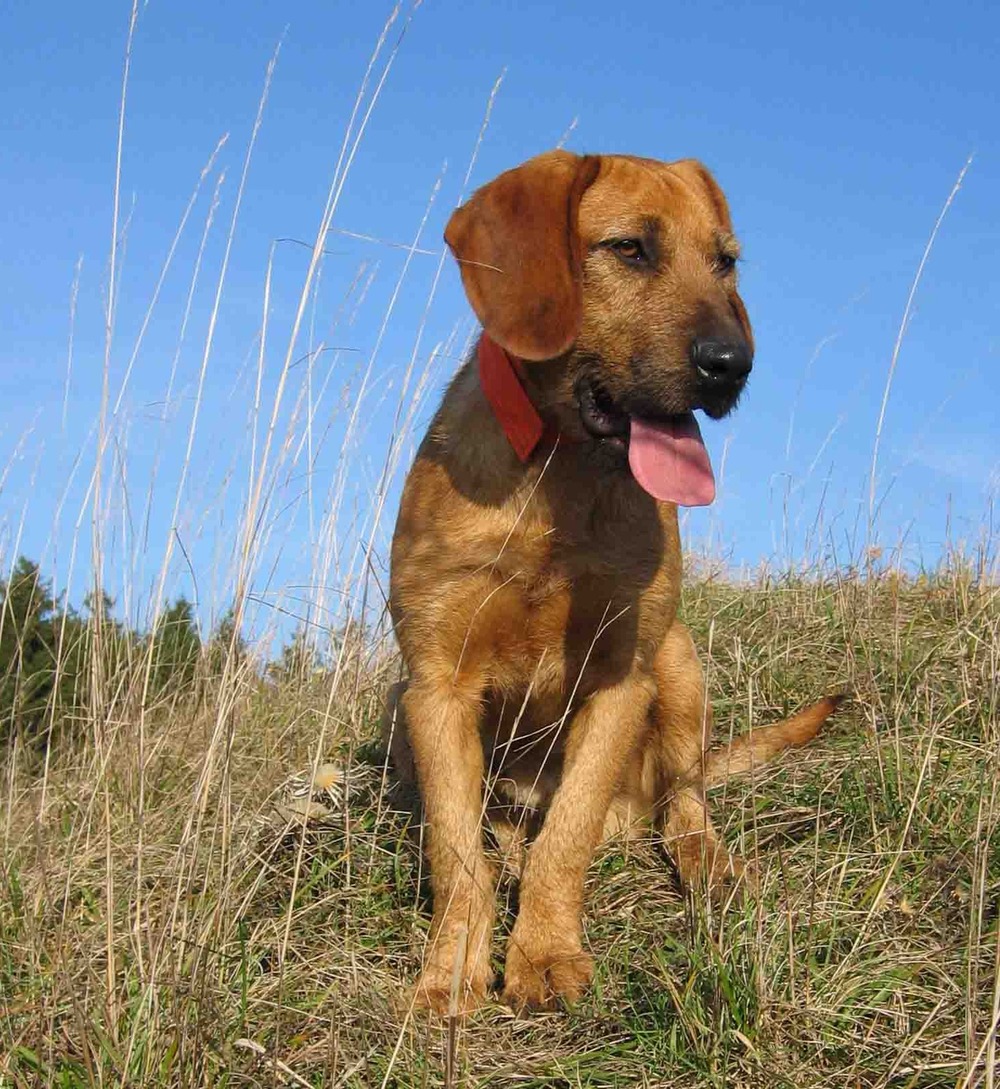
No breed is immune to health problems, and with medium, athletic dogs the conversation often circles back to joints, ears, and weight management. Hip dysplasia is one of the better-known orthopaedic concerns across many breeds, and it is commonly influenced by both genetics and environment. Screening programs (using veterinary radiographs) exist to help breeders make informed choices, and maintaining a lean body condition is widely recommended as part of long-term joint care.5
Ear health is another practical topic for a hound with drop ears. Dogs with floppy ears can be more prone to ear infections, and moisture, plant material, and underlying skin disease or allergies are common contributors. The most useful routine is simple and observant: notice odour, redness, head shaking, or discharge early, then have your vet confirm the cause before treating, because ear problems are not all the same.6
Heat management is also worth mentioning. Many working hounds will push on even when conditions are warmer than is sensible. On hot days, consider earlier walks, shaded routes, and shorter sessions with sniff-heavy enrichment at home.
Coat care, grooming, and the unglamorous bits
The coat is coarse and dense, and it is designed to cope with the outdoors, not to be fiddly. Most owners find that regular brushing is enough to remove loose hair and debris. After scrubby walks, check for burrs, grass seeds, and skin irritation, especially around the ears, toes, and under the collar.
A helpful rhythm for many households is:
- Weekly brushing to keep the coat clear and reduce shedding in the house.
- Occasional bathing when genuinely dirty, rather than on a strict schedule.
- Nail trims, tooth care, and ear checks as part of routine handling.
If grooming becomes a tug-of-war, it usually means the dog needs a slower build-up: brief handling paired with rewards, then gradually increasing time. That approach tends to pay off across the dog’s whole life.
Feeding and keeping a working dog in good condition
For active breeds, feeding is less about finding a magic ingredient and more about keeping the dog’s body condition steady across seasons. Veterinary teams often use body condition scoring and muscle condition scoring to guide these decisions, and the WSAVA Global Nutrition Guidelines are a useful reference point for what a thorough nutrition assessment looks like.7
In practical terms:
- Choose a complete and balanced diet appropriate to your dog’s life stage and activity level.
- Adjust portions when exercise changes, for example during hotter months or after injury.
- Use treats strategically in training, and subtract them from the day’s overall intake.
If you are unsure whether your dog is at a healthy weight, your vet can show you what “lean” looks like on your specific dog. It is one of the most quietly powerful health interventions owners can make.
Is this breed right for you?
The Styrian Coarse-haired Hound tends to suit people who enjoy an outdoorsy routine and who find training interesting, not annoying. It is often a good match when you can offer space, structure, and regular work for the dog’s nose. It is a harder fit if you need a low-exercise dog, have unsecured boundaries, or prefer a companion that is naturally handler-focused in all environments.
The best guide is honesty: not just about your intentions, but about your week-to-week reality. If you can meet a scenthound’s needs, you usually get a steady, capable partner with a distinctive way of moving through the world.
References
- FCI: Steirische Rauhhaarbracke (Breed No. 62)
- FCI Breed Standard PDF: Coarse-haired Styrian Hound (No. 62)
- United Kennel Club (UKC): Styrian Coarse-haired Hound Breed Standard
- RSPCA Knowledgebase: Training recommendations and reward-based methods
- Orthopedic Foundation for Animals (OFA): Hip Dysplasia overview
- Animal Medical Center: Ear infections in pets (causes, risk factors, treatment)
- WSAVA: Global Nutrition Guidelines
- Wikipedia: Styrian Coarse-haired Hound (overview and history)