

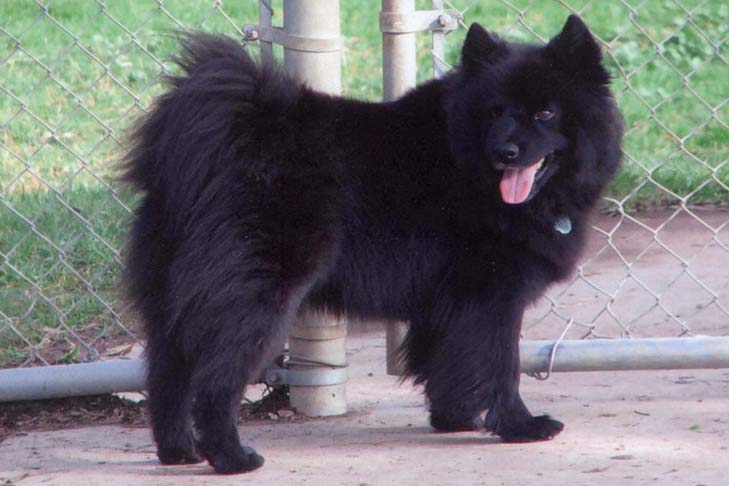
You might come across a Swedish Lapphund in a photo and assume it is simply a fluffy black spitz. Then you meet one, or live with one for a while, and the details start to matter: the quick scanning of the environment, the readiness to speak up, the way it stays close while still keeping an eye on what is happening further out.
People often notice the barking first, or the intensity during walks, or the fact that this dog seems to get bored if the day is too repetitive. The Swedish Lapphund tends to do best when it has a job, even if that job is as simple as learning new cues, exploring new places, or helping you keep a routine.
Understanding where the breed came from, and what it was shaped to do, makes the everyday behaviours feel less mysterious. It also helps you decide whether life with a Lapphund will feel like a good fit, or like a constant negotiation.
- Breed group: Spitz and primitive types (Nordic watchdogs and herders)
- Country of origin: Sweden
- Height: males 45 to 51 cm, females 40 to 46 cm
- Typical weight: commonly around 14 to 20 kg (varies by sex and build)
- Life expectancy: often around 12 to 14 years
- Coat: profuse double coat
- Shedding: seasonal, often noticeable
- Temperament: alert, social, active
- Best suited to: people who enjoy training, daily exercise, and a vocal watchdog
The Swedish Lapphund’s background, and why it still shows up at home
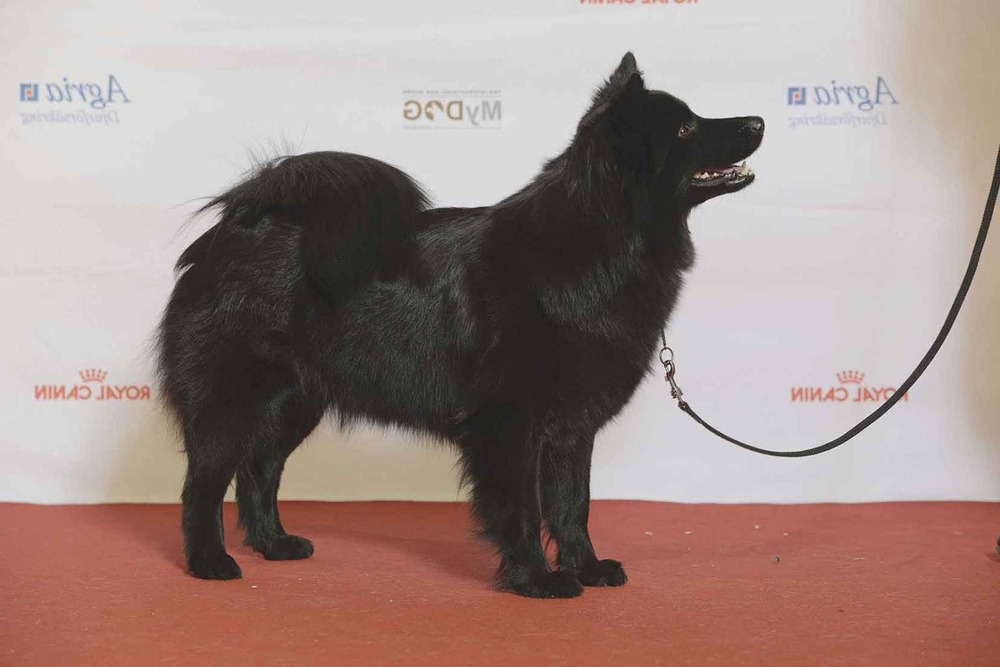
The Swedish Lapphund is one of several Nordic spitz breeds developed alongside Sámi reindeer herding cultures in northern Scandinavia. Traditionally, dogs like these helped with herding and guarding, and they needed to work in cold conditions, over long distances, while staying responsive to people and the movement of livestock.1, 2
That history can still be felt in the modern dog. Many Swedish Lapphunds are quick to notice change, ready to vocalise, and motivated by movement. If you have ever wondered why a Lapphund seems to react to distant noises, cyclists, wildlife, or visitors before you do, it is often the normal expression of an alert, watchful breed type, not “bad behaviour” in the moral sense.
Official recognition happened in stages across different kennel systems, so dates vary depending on who you are reading. Internationally, the breed is recognised by the FCI, with definitive acceptance recorded in the mid 1950s, while national breed administration and registries in Sweden have their own history and timelines.2
Temperament, family life, and the reality of a “friendly watchdog”
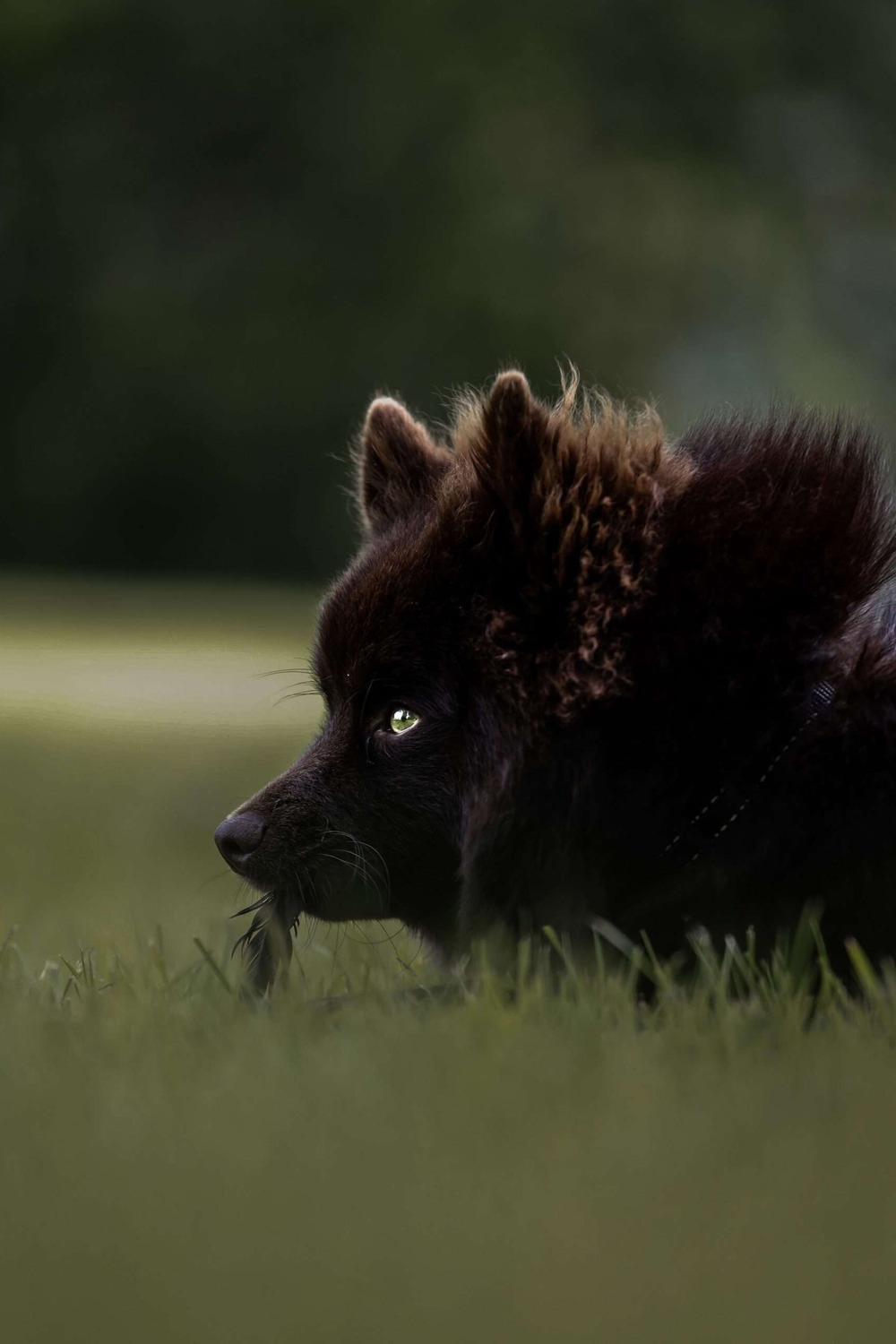
People often describe the Swedish Lapphund as friendly, energetic, and people-oriented. In practice, that usually means a dog that wants to be included, notices patterns, and can be quite communicative about what it thinks is relevant. If you like a dog that checks in and wants to participate, that is a strength. If you want a dog that blends quietly into the background, it can feel like a mismatch.
It also helps to separate “friendly” from “easy”. A Swedish Lapphund can be social and affectionate with familiar people, while still being a natural watchdog that uses its voice when something changes in the environment. That tendency is mentioned in breed descriptions, and it is worth planning for, especially in close housing.3
With children, the goal is not just tolerance, it is calm, supervised interactions that protect both dog and child. Many herding and watchdog breeds do well in families, but the adults need to set the tone: rest time is respected, play does not become rough, and the dog has somewhere quiet to retreat when it has had enough.
Training and exercise: building a life that suits the dog

Swedish Lapphunds are typically bright, responsive, and fast learners. The training style that tends to work best is consistent, reward-based, and practical, with skills that translate to daily life. If you train only in the kitchen, you may end up with a dog that behaves beautifully indoors and struggles outdoors. Generalising cues across different places, surfaces, and distractions matters.
Exercise needs are often described as “high”, but it is more useful to think in terms of daily movement plus mental work. A long walk helps, but many Lapphunds also benefit from sniffing time, short training sessions, and problem-solving games. Activities such as rally, obedience, agility, tracking, and structured fetch can suit the breed well, provided the dog is physically conditioned and the environment is safe.
If barking is becoming a problem, it is worth checking two things before you reach for a “quick fix”. First, is the dog under-exercised or under-stimulated? Second, is the dog rehearsing barking at triggers (fences, windows, passers-by) because it has learned that barking makes the trigger go away? A training plan often combines management (blocking window access, reducing fence running) with teaching an alternative behaviour.
Health considerations: what to watch for, and what to ask breeders about
No breed is free of health risk, and the Swedish Lapphund is no exception. Breed clubs and veterinary sources commonly mention screening for orthopaedic issues such as hip dysplasia, and eye conditions including progressive retinal atrophy (PRA). That does not mean every dog will develop these problems, but it does mean it is sensible to ask what health testing has been done in a puppy’s family line.4, 5
When you speak with a breeder, you are looking for clear, verifiable answers. Ideally, you want to hear that both parents have appropriate hip evaluations and eye screening, and that results can be shown through a registry or veterinary documentation. If you are adopting an adult dog, a vet check that includes gait assessment and an eye exam can be a helpful baseline.
As a general guide, Swedish Lapphund lifespan is often reported around 12 to 14 years, although individuals vary with genetics, weight, conditioning, and veterinary care.6, 7
Coat care, shedding, and living with a double coat
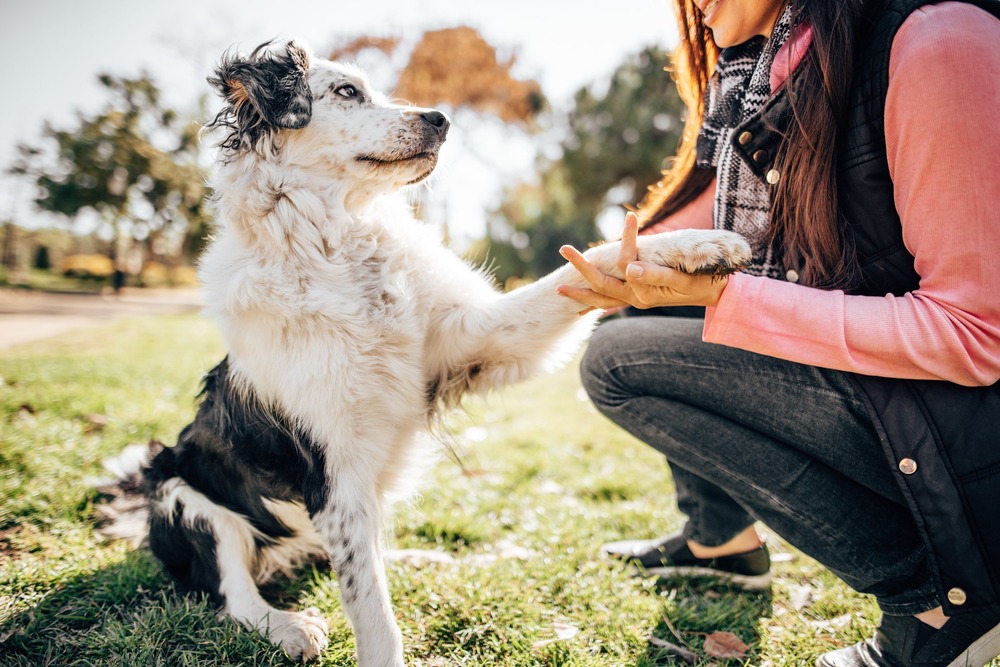
The Swedish Lapphund has a profuse double coat, with an outer coat that stands off the body and an insulating undercoat. Breed standards and descriptions consistently highlight the coat’s weather resistance and the presence of undercoat as part of correct breed type.3, 8
In day-to-day care, a thorough brush-through once or twice a week suits many dogs, with more frequent grooming during seasonal moults. Focus on the areas that mat more easily, such as behind the ears, the ruff, the breeches, and the tail. If you only skim the topcoat, the undercoat can compact and form tangles closer to the skin.
Avoid shaving the coat unless a veterinarian recommends it for a medical reason. Double coats play a role in temperature regulation and skin protection, and shaving can make coat regrowth uneven and harder to manage.
Is a Swedish Lapphund right for you?
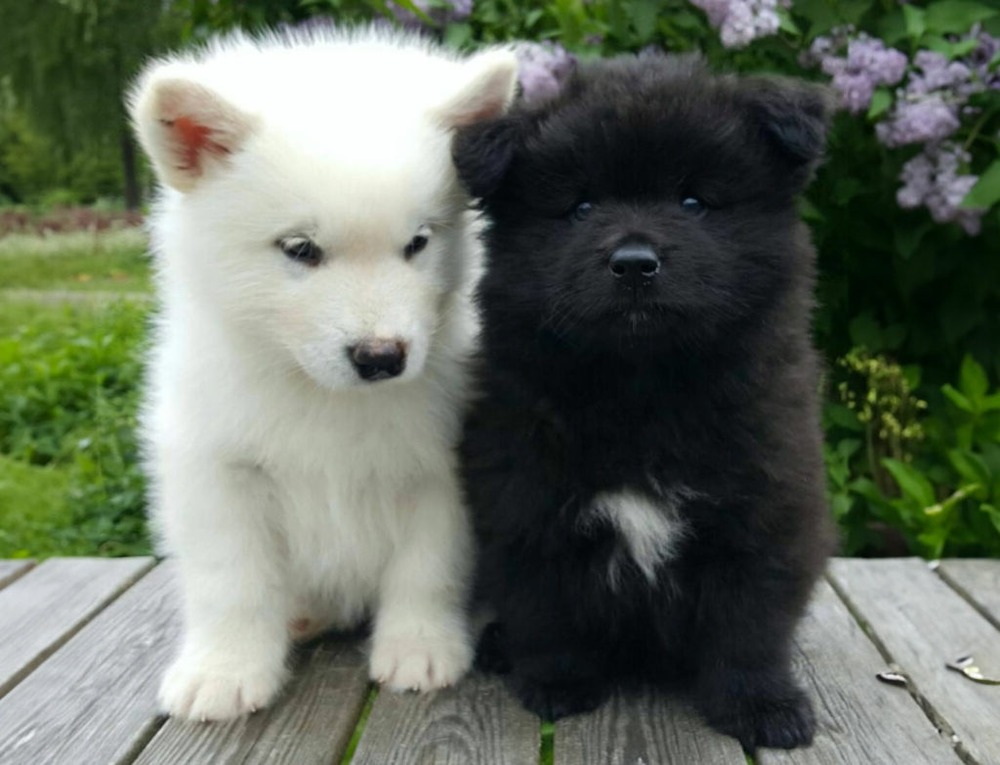
A Swedish Lapphund can be a wonderful companion for people who enjoy training, spending time outdoors, and living with a dog that communicates. The traits that charm one household can frustrate another, especially the alertness, movement sensitivity, and tendency to bark.
It often works best to think in practical terms. Can you provide daily exercise and enrichment? Are you comfortable with a dog that will likely alert bark? Do you have the time to teach calm behaviours, and the patience to build good habits early?
If the answer is yes, the Swedish Lapphund offers something quietly special: a small-to-medium Nordic working dog that still carries its heritage in the way it watches, moves, and stays connected to its people.1, 8
References
- Wikipedia: Swedish Lapphund
- Federation Cynologique Internationale (FCI): Swedish Lapphund (No. 135)
- Swedish Kennel Club (SKK): Svensk lapphund
- Orthopedic Foundation for Animals (OFA): Hip Dysplasia
- American College of Veterinary Ophthalmologists (ACVO): Progressive Retinal Atrophy (PRA)
- Purina UK: Swedish Lapphund
- The Kennel Club (UK): Swedish Lapphund breed standard
- United Kennel Club (UKC): Swedish Lapphund breed standard
- Swedish Lapphund Club of America: History of the Swedish Lapphund