

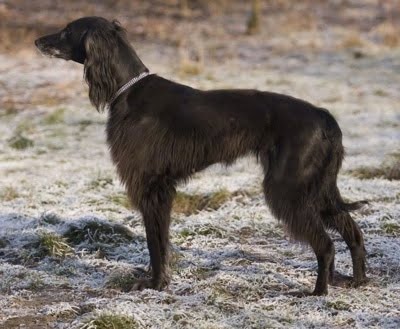
You usually hear about the Taigan in one of two ways. Someone sees a photo of a long-coated, athletic hound in the mountains and assumes it must be a Saluki or Afghan Hound, then discovers it is something rarer. Or someone meets a calm, watchful dog that can switch from sofa-quiet to flat-out sprint in seconds, and starts wondering what kind of dog can live so easily in both worlds.
The Taigan is that kind of breed. Bred in Kyrgyzstan’s high country, it is shaped by altitude, cold, and the practical needs of hunting and livestock life. That background matters because it explains why Taigans can look gentle and reserved at home, yet still carry strong chase instincts outdoors, and why daily movement is not optional if you want a settled dog.
For anyone considering the breed, or simply trying to understand what they are seeing, the most useful approach is to hold two truths together. The Taigan can be a loyal companion, and it is also a purpose-built sighthound with its own priorities and limits.1, 2
History and origin
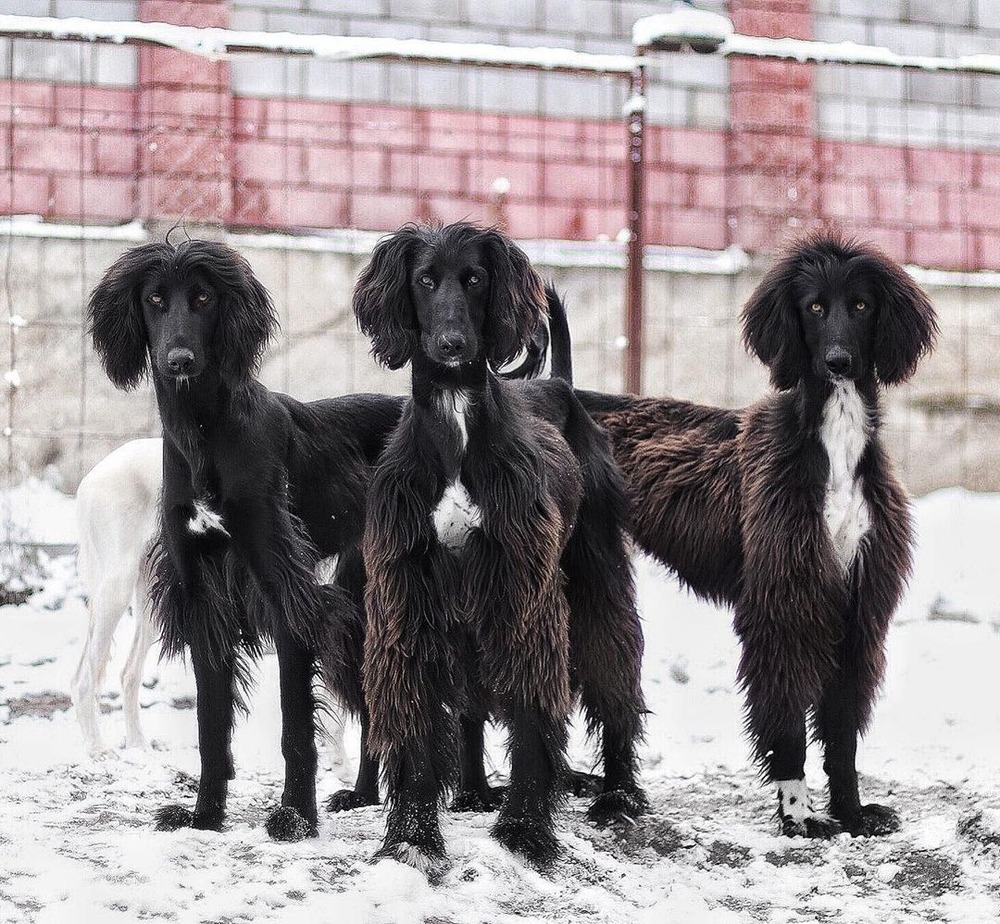
The Taigan (also called the Kyrgyz sighthound) developed in Kyrgyzstan, particularly around the Tian Shan region, where people and animals have long had to cope with thin air, steep ground, and harsh weather. In that environment, a hunting dog needed stamina as much as speed, plus a coat that could handle cold and wind.1
Taigans are closely related to other Central Asian sighthounds, and their working style reflects that. They hunt primarily by sight and acceleration, but are also described as versatile in the field, including the ability to follow scent and retrieve game when needed.1
One of the most well-known traditions connected to the Taigan is Salbuurun hunting, a form of hunting culture that brings together birds of prey, archery, and Taigan dogs. In practical terms, the dog’s job is often to flush or run down game across difficult terrain, sometimes alongside a trained golden eagle.3, 4
Physical characteristics

Taigans are medium to large sighthounds, typically around 60 to 72 cm at the shoulder and often in the 25 to 33 kg range, with a lean, efficient outline rather than heavy bone. Their movement tends to look effortless, built for covering ground without wasting energy.1
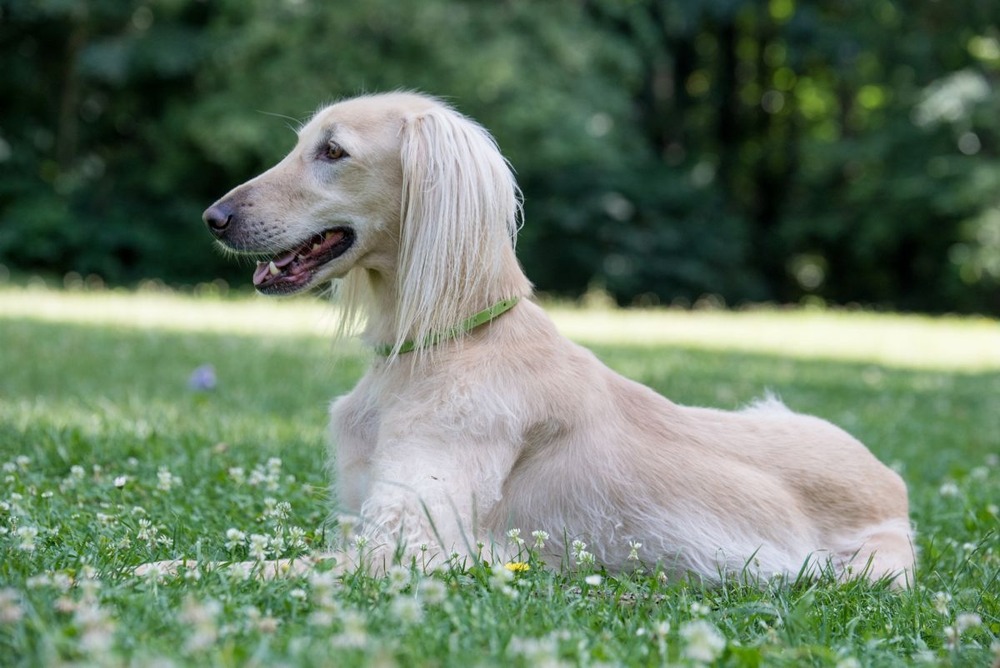
The coat is a defining feature. It is generally long and dense, with seasonal changes that make sense in an alpine climate. Colours vary and can include black, white, grey, and shades of brown or fawn.1
Like many sighthounds, the Taigan’s physical design supports quick acceleration, tight turning, and sustained running. That athleticism is part of the appeal, but it also feeds into a key point for owners: a Taigan that cannot run safely and regularly will often invent its own exercise, and it is rarely the sort you had in mind.5
Temperament and behaviour
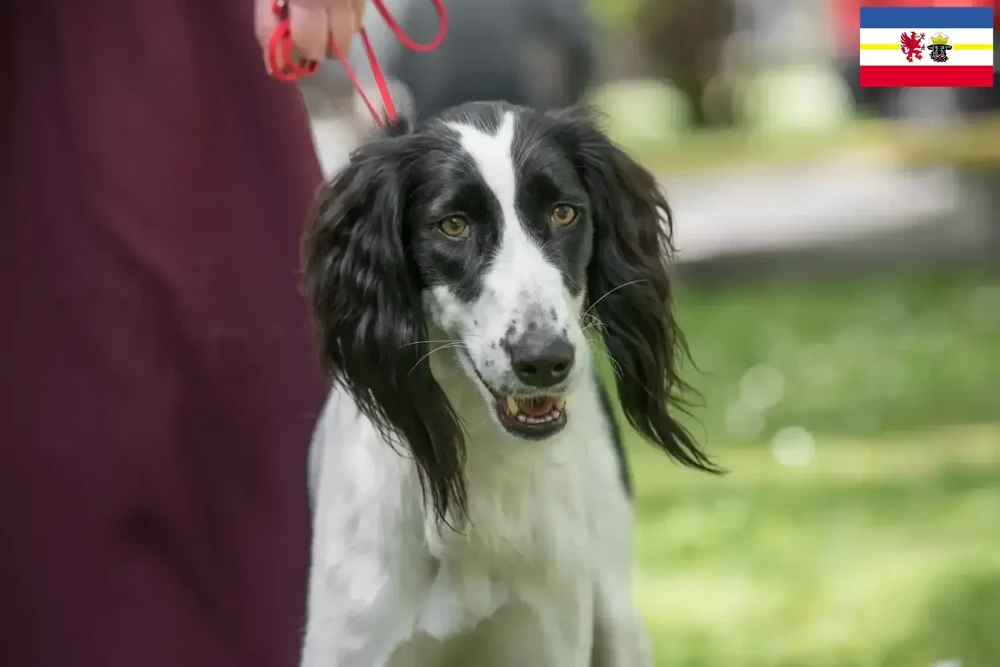
People often describe Taigans as loyal, alert, and independent. In day-to-day life this can look like a dog that is affectionate with its own people, less interested in strangers, and perfectly capable of making decisions without checking in every few seconds.1
It helps to think of a Taigan as a dog that was selected to work at distance. That does not mean they cannot be trained, but it does mean that motivation matters. Repetition for its own sake tends to wear thin, while training that feels purposeful and fair usually lands better.
With children, the pattern is often about supervision and matching energy. Many sighthounds are gentle in the house, but they are also large, fast dogs that can bowl into a room on a turn. Calm introductions, clear boundaries, and giving the dog a place to rest undisturbed are more important than expecting constant sociability.
With other pets, especially small animals, it is wise to assume a chase response may appear. Even a well-socialised Taigan can react to movement, and in the moment it can be instinct rather than “bad behaviour”. A secure yard, careful management, and a realistic view of risk are part of responsible ownership.5
Training and exercise needs
Early training is less about tricks and more about life skills. A Taigan that learns how to settle, how to handle novelty, and how to come back to you in low-distraction environments is easier to live with for the next decade. The earlier you build those habits, the less you end up “managing” the dog as an adult.
Positive reinforcement methods tend to suit sighthounds well. They often respond best to short sessions, clear rewards, and a calm tone. Harsh corrections can create avoidance, or simply cause the dog to disengage, which is easy to mistake for stubbornness.
Exercise needs are typically high. Most Taigans will not be satisfied by a quick lead walk around the block. They do best with daily opportunities to move at a decent pace, plus time to sniff and decompress. If you cannot offer safe off-lead running, consider structured alternatives such as long-line walks, hiking, or sighthound-style lure sports where available. The key is safe, regular outlets for sprinting and stamina.
Health and lifespan
Good sources often describe the Taigan as generally robust, and many individuals do stay healthy into older age with sensible care. Typical lifespan is often given around 12 to 14 years, though any individual dog can fall outside that range.1
Rather than assuming the breed is “problem free”, it is more helpful to plan for the common realities of athletic, deep-chested dogs. Like other sighthounds and large, active breeds, they can be prone to injuries from running, and owners should be alert to lameness, ongoing stiffness, or reluctance to jump or turn.
One practical note worth discussing with your vet is that sighthounds as a group can have different responses to some anaesthetic drugs. This does not mean procedures are unsafe, but it is a reason to choose a vet who is comfortable with sighthound-appropriate protocols, and to mention the breed type before any surgery or dental work.6
Preventive care is wonderfully unglamorous, and it is where most longevity comes from. Keep vaccinations and parasite control current, monitor weight and body condition, and treat “small” issues early before they become expensive ones.7
Grooming and maintenance
The Taigan’s coat looks dramatic, but the day-to-day routine is usually manageable if you stay consistent. A thorough brush a few times a week helps prevent mats, especially behind the ears, around the feathering, and anywhere a harness sits. The goal is regular maintenance, not occasional marathon grooming sessions.
Seasonal shedding can be noticeable. During those weeks, brushing more often is kinder to the dog’s skin and far easier than trying to catch up later. Baths can be occasional, using a gentle dog shampoo, and rinsing well so the coat does not become itchy or dull.
Do not overlook the basics: nails kept short for good traction, ears checked after outdoor runs, and teeth cared for at home. Daily or near-daily brushing is ideal for dental health, and it is often easier to start the habit while the dog is young.8
Diet and nutrition
Taigans are active dogs with real energy needs, but “high energy” is not the same as “feed unlimited”. The most reliable approach is to choose a complete, balanced diet suited to the dog’s life stage, then adjust portions based on body condition and workload across the seasons.9
If you are comparing foods, it can help to look beyond marketing claims and focus on whether the diet is nutritionally complete, whether the company has appropriate quality control, and whether your dog maintains healthy muscle, skin, and stools on it. Your vet can help you interpret labels and decide if supplements are actually needed, or simply expensive reassurance.9
Treats are useful for training, but they add up quickly with a clever dog. Keep treats small, count them as part of the day’s intake, and consider using part of the dog’s normal meal as training rewards when you are doing a lot of recall work.
Living with a Taigan in a modern home
Most people do not live the way the Taigan was originally bred to live. That is not a deal-breaker, but it does shape what “success” looks like. A suburban Taigan generally needs secure fencing, thoughtful lead skills, and a reliable routine that includes both movement and quiet time.
If you are hoping for a dog that can be trusted off-lead in unfenced areas, it is worth being honest about the sighthound piece. Many sighthounds will chase first and check in later, even with excellent training, because the behaviour is self-rewarding and fast. A good recall is still worth teaching, but it should be paired with management choices that prevent rehearsing high-speed chases.5
For the right household, the Taigan can be a deeply satisfying companion: athletic without being frantic, watchful without being noisy, and often content to rest when its needs have been met. The best match is usually a person or family who enjoys the outdoors, respects a dog’s independence, and is prepared to train for real life, not just for good manners in the lounge room.
References
- Wikipedia: Taigan
- Wikipedia: Sighthound
- Wikipedia: Salburun
- Associated Press: Photos from Kyrgyzstan show traditional hunters with eagles at the Salbuurun festival
- VCA Animal Hospitals: Sighthounds (Saluki, Greyhound, Afghan Hound)
- Greyhound Health Initiative: Anesthesia in Greyhounds
- RSPCA Knowledgebase: What are the basic care needs for my dog?
- American Veterinary Medical Association (AVMA): Pet dental care
- WSAVA: Global Nutrition Guidelines