

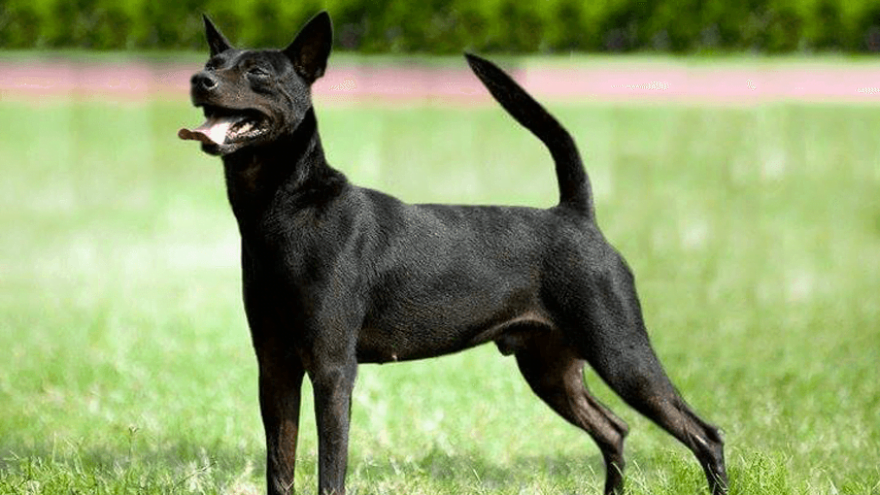
- Breed category: Primitive type, hunting dog
- Country of origin: Taiwan
- Average height: Males 48 to 52 cm, females 43 to 48 cm
- Average weight: Males 14 to 18 kg, females 12 to 16 kg
- Average lifespan: 12 to 15 years
- Grooming requirements: Low, occasional brushing
- Exercise requirements: High, needs daily exercise
- Coat type: Short, dense
- Coat colour variations: Black, brindle, fawn, earthy yellow tones
- Shedding level: Moderate
- Ear type: Erect, triangular
- Tail type: Curled or sickle-shaped
- Temperament: Loyal, alert, intelligent
- Training ease: Moderate, responds best to consistency
- Common health considerations: Hip dysplasia, skin allergies
- Dietary needs: Balanced, high-quality diet matched to activity level
- Drooling tendency: Low
- Sensitivity to weather: Often less comfortable in cold conditions
- Original purpose: Hunting, guarding
- FCI recognition: Provisionally accepted 9 November 2004, definitively accepted 9 June 2015
- Apartment friendly: Usually not ideal, unless exercise and enrichment are excellent
- Best suited for: Active households, people who enjoy training and outdoor time
- Unique traits: Primitive instincts, keen senses, athletic build
- Cultural significance: Indigenous breed of Taiwan
You might come across the Taiwan Dog because you have seen one labelled as a “Formosan Mountain Dog”, or because you have noticed a lean, prick-eared dog that looks a bit like a dingo-type, yet moves with a different kind of quickness and watchfulness. Sometimes the curiosity starts when people realise how many “primitive” breeds there are, and how differently they can behave from the more familiar gundog or companion breeds.
It is easy to assume that a short-coated, medium-sized dog will be low-fuss and automatically suited to most homes. With Taiwan Dogs, the details matter. Their background as a landrace shaped by terrain and work tends to show up as high awareness, athleticism, and a strong need for daily outlets.
When those needs are met, they can be steady, affectionate companions. When they are not, the same traits people admire, such as independence and alertness, can turn into restlessness, frustration, or tricky social behaviour that needs patient handling.
The Taiwan Dog in context
The Taiwan Dog is widely described as an indigenous Taiwanese breed, sometimes also called the Formosan Mountain Dog. Breed histories often mention a long connection to Taiwan’s mountainous regions and to Indigenous communities, where dogs were valued for hunting and guarding roles.2
In kennel club terms, the Federation Cynologique Internationale (FCI) lists the Taiwan Dog in Group 5 (Spitz and primitive types), Section 7 (Primitive type, hunting dogs). The FCI records provisional acceptance in 2004 and definitive acceptance in 2015, which helps clear up the common misconception that “recognised in 2004” always means full recognition from that date.1
A note on “primitive” breeds
When people say “primitive”, they are usually pointing to a type rather than a value judgement. These breeds and landraces often show a little more self-direction, environmental sensitivity, and fast pattern-learning. That can be a joy for people who like training and observation. It can also mean you may need to put more thought into introductions, management, and enrichment than you would with a more socially easy-going dog.
What they look like, and what it can mean day to day
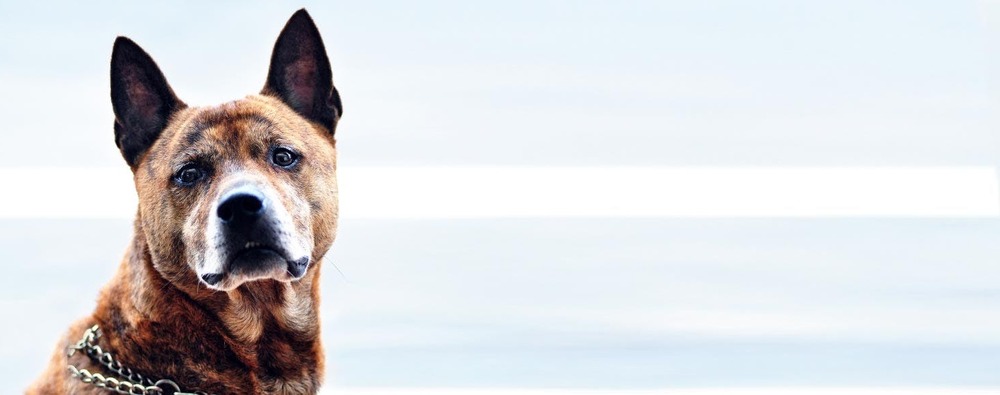
Taiwan Dogs are typically medium-sized, lean and athletic, with erect triangular ears and a wedge-shaped head. The coat is short, and colours commonly include black and yellowish tones. You will also see brindle described in some breed summaries.1, 2
The practical bit is this: that body type tends to come with efficient movement and an ability to accelerate quickly. Many owners find they do best with secure fencing, thoughtful lead skills, and plenty of structured activity, not just a slow lap of the block.
Coat and climate comfort
A short, dense coat is usually straightforward to care for, but it can also mean some individuals feel the cold more than people expect. If you live somewhere chilly, it is worth watching for signs your dog is uncomfortable, then adjusting with timing of walks, warm bedding, or a coat for low-temperature outings.
Temperament, family life, and other animals
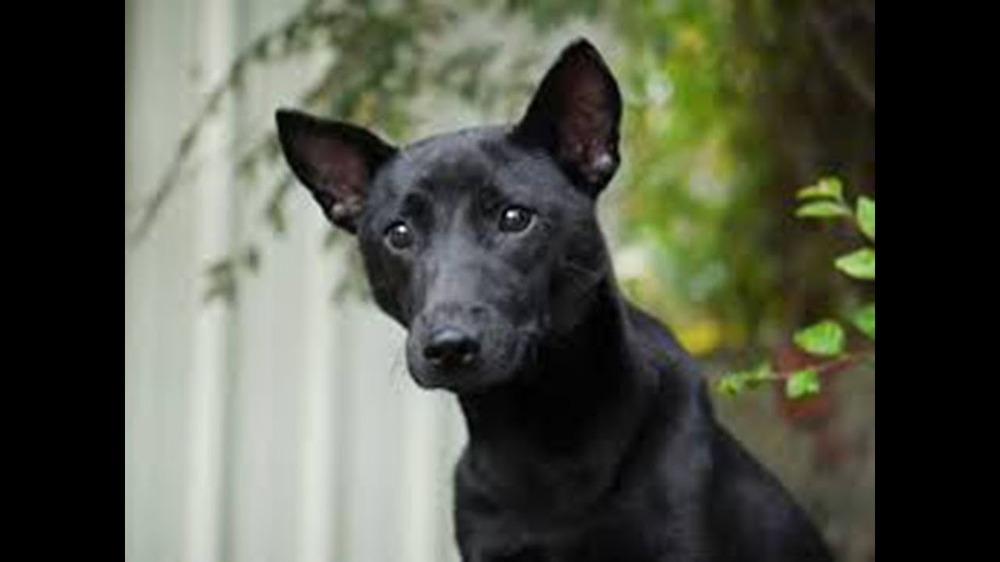
Descriptions of the breed often centre on being loyal, alert, and intelligent. In real homes, that can look like a dog who notices changes quickly, checks in with their people, and learns routines fast. It can also look like a dog who takes time to feel comfortable with strangers, particularly if socialisation has been limited or rushed.
With children, the key is often less about the breed label and more about the match between dog and household. A Taiwan Dog that is well-socialised and given space to rest can do well. A dog that is overtired, under-exercised, or constantly handled can struggle, like many active breeds. Aim for supervised, calm interactions, and teach kids how to invite contact rather than assuming it.
Compatibility with other pets varies. Some Taiwan Dogs live peacefully with other dogs and cats, particularly if raised with them, while others may need careful introductions and ongoing management. If you are bringing one into a multi-pet home, it is worth moving slowly and setting the environment up for success.
Training that suits an intelligent, independent dog
Taiwan Dogs are often bright and quick to learn, but “quick” does not always mean “easy”. Dogs that are good at noticing patterns can also be good at noticing inconsistencies, which is why the handling approach matters more than the number of commands you teach.
The RSPCA recommends reward-based training built around positive reinforcement, and advises avoiding punishment-based methods and aversive equipment (for example, shock devices and prong collars). This approach supports learning while protecting the relationship between dog and handler.3, 4
What tends to work well
- Short, frequent sessions that end before your dog gets tired or frustrated.
- High-value rewards, especially for recall and disengaging from distractions.
- Planned social exposure at a pace the dog can cope with, rather than flooding them with experiences.
- Real-life training, such as mat settling, calm greetings, and lead walking around everyday distractions.
Exercise and enrichment
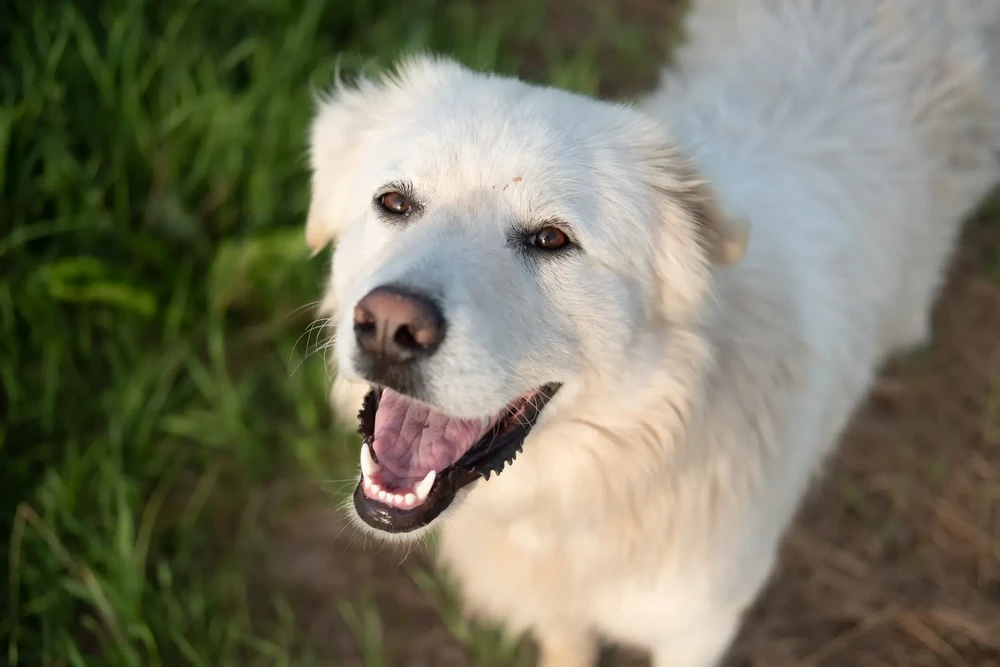
This is a breed commonly described as high energy. In practice, it is often a mix of physical energy and mental readiness. A long walk helps, but many dogs also need opportunities to sniff, problem-solve, and practise skills.
If you are choosing activities, look for options that build the dog’s ability to regulate, not just rev them up. Scent games, structured tug with rules, agility foundations, and calm off-lead time in safe areas (where legal and appropriate) can all be useful. The goal is daily outlets that suit the individual dog’s body and temperament.
Health, lifespan, and preventative care
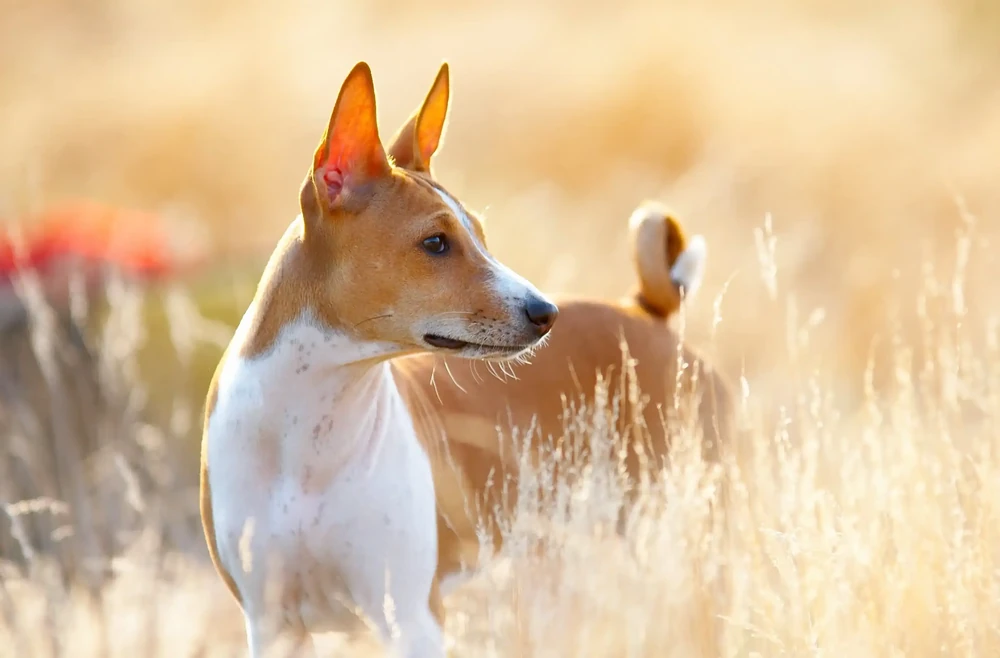
Many Taiwan Dogs are described as generally robust, with a commonly cited lifespan around 12 to 15 years. Like many medium, athletic dogs, they may still face issues such as hip dysplasia or skin sensitivities, and it is sensible to keep regular veterinary checks in the routine.
Preventative care is the unglamorous part of dog ownership that makes everything else easier. Keep vaccinations and parasite control current, monitor weight and body condition, and treat dental care as normal rather than optional.
Parasites and ticks (an Australian reality)
If you are in tick-prone areas, consistent tick prevention and hands-on checks matter. The RSPCA outlines practical ways to check through the coat and explains why quick veterinary attention is important if tick paralysis is suspected.5
Feeding and body condition
Many people pick a food by scanning the ingredient list, then feel stuck when their dog’s coat, stools, or weight do not match expectations. A more helpful approach is to treat feeding as something you review over time, based on body condition, stool quality, coat health, and your dog’s actual workload.
The World Small Animal Veterinary Association (WSAVA) Global Nutrition Guidelines emphasise individual nutritional assessment and the importance of tailoring diets to the animal, rather than relying on marketing cues alone.6
If your Taiwan Dog is very active, working on training daily, or lean to the point of being underweight, it is worth asking your vet for a feeding plan based on a proper assessment. If your dog is gaining weight, adjust early. Small changes, made sooner, are usually easier than big corrections later.
Living with a Taiwan Dog, what tends to make it work
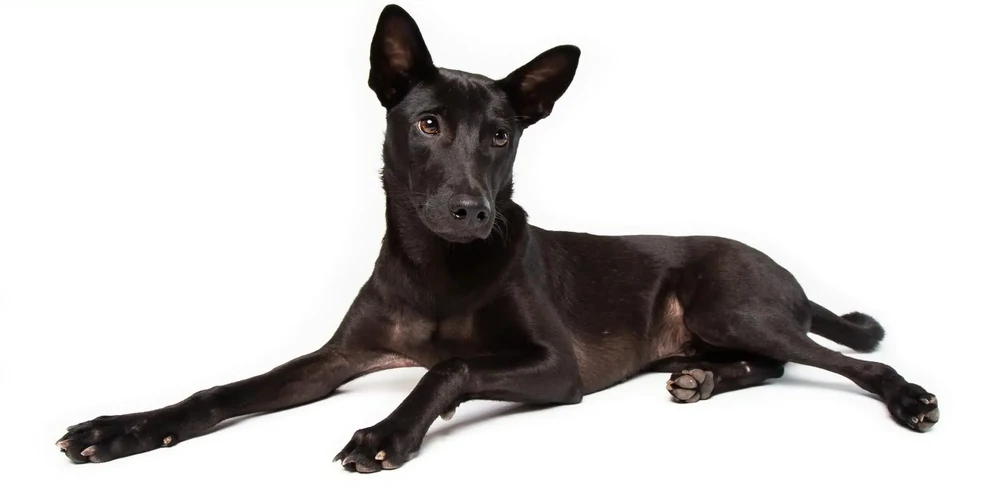
People often describe Taiwan Dogs as loyal, and many are deeply connected to their household. The most satisfying relationships tend to come when the dog’s alertness is respected, not constantly challenged, and when the daily routine includes both movement and downtime.
If you are considering the breed, it helps to be honest about your lifestyle. These dogs often suit people who enjoy training, can provide regular enrichment, and are comfortable managing a dog who might be reserved with strangers. They are not automatically a poor fit for suburban life, but they usually do best when the home offers space, structure, and outlets, whether that is a large yard or a strong daily routine.
References
- FCI: Taiwan Dog (No. 348) breed listing and recognition dates
- Wikipedia: Taiwan Dog overview (alternate name, general description)
- RSPCA Australia Knowledgebase: Reward-based dog training and positive reinforcement
- RSPCA Australia Knowledgebase: Recommended dog training approaches and avoiding aversive methods
- RSPCA Australia: Tick prevention and how to check your pet
- WSAVA: Global Nutrition Guidelines