


- Breed category: Terrier
- Country of origin: United States
- Typical height: 20 to 36 cm (8 to 14 inches)
- Typical weight: 3.5 to 11 kg (8 to 25 pounds)
- Typical lifespan: 14 to 16 years
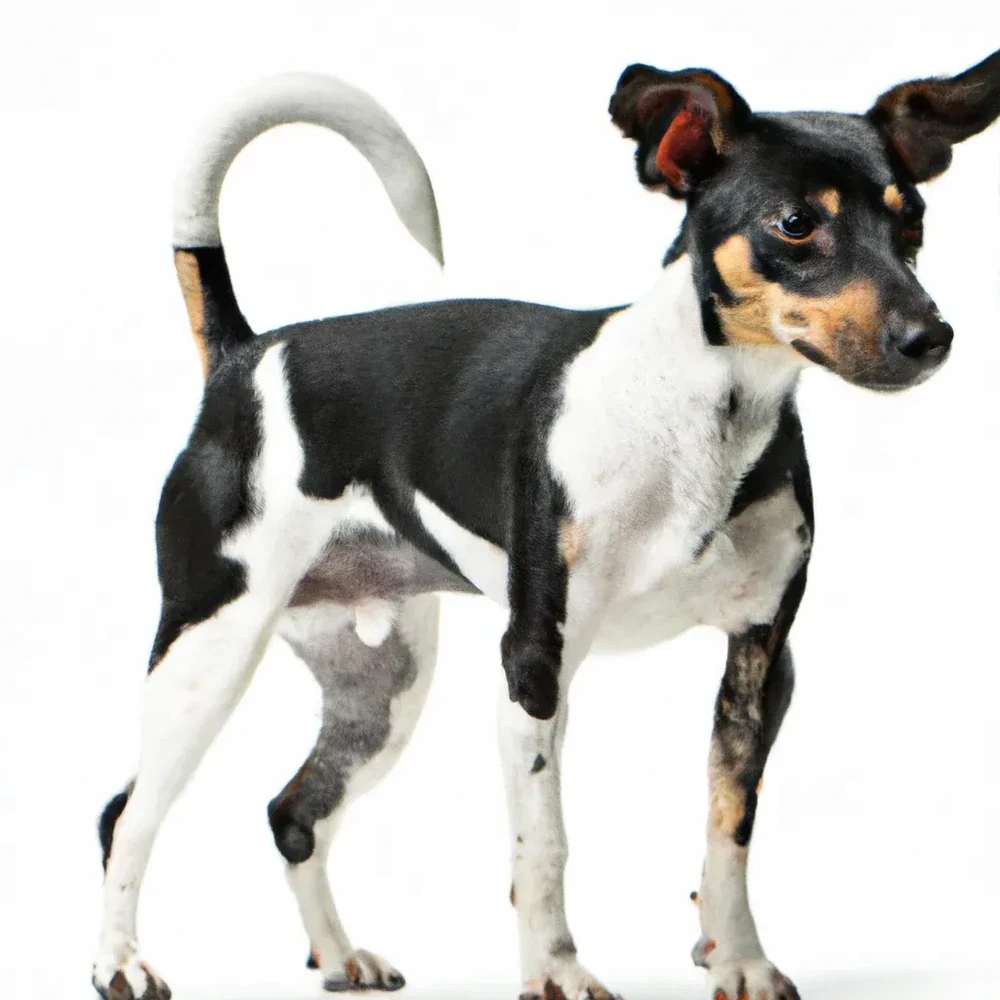
- Coat type: Short, smooth
- Common colours: Always includes white, often piebald or tuxedo patterns
- Grooming: Low, weekly brushing
- Exercise: Moderate to high, daily walks plus play
- Shedding: Moderate, often seasonal
- Temperament: Alert, people-focused, lively
People tend to stumble across the Teddy Roosevelt Terrier the same way they discover a lot of smaller terriers: they meet one on a walk, notice the sturdy little body and bright attention, and then wonder why they have not heard of the breed before. Sometimes it is the name that catches you. Sometimes it is how practical the dog looks, compact enough for everyday life, but clearly built to do things.
It is easy to assume that “small terrier” means either a busy yapper or a delicate lap dog. The Teddy is neither of those stereotypes in a neat way. It is a short-legged, muscular hunting terrier that can settle at home when its needs are met, but it still carries that terrier readiness to move, investigate and respond.
What matters in practice is fit. The Teddy Roosevelt Terrier can be a wonderful companion for the right household, but it tends to do best with people who enjoy daily interaction, gentle structure, and a bit of training as part of normal life.
Where the Teddy Roosevelt Terrier came from
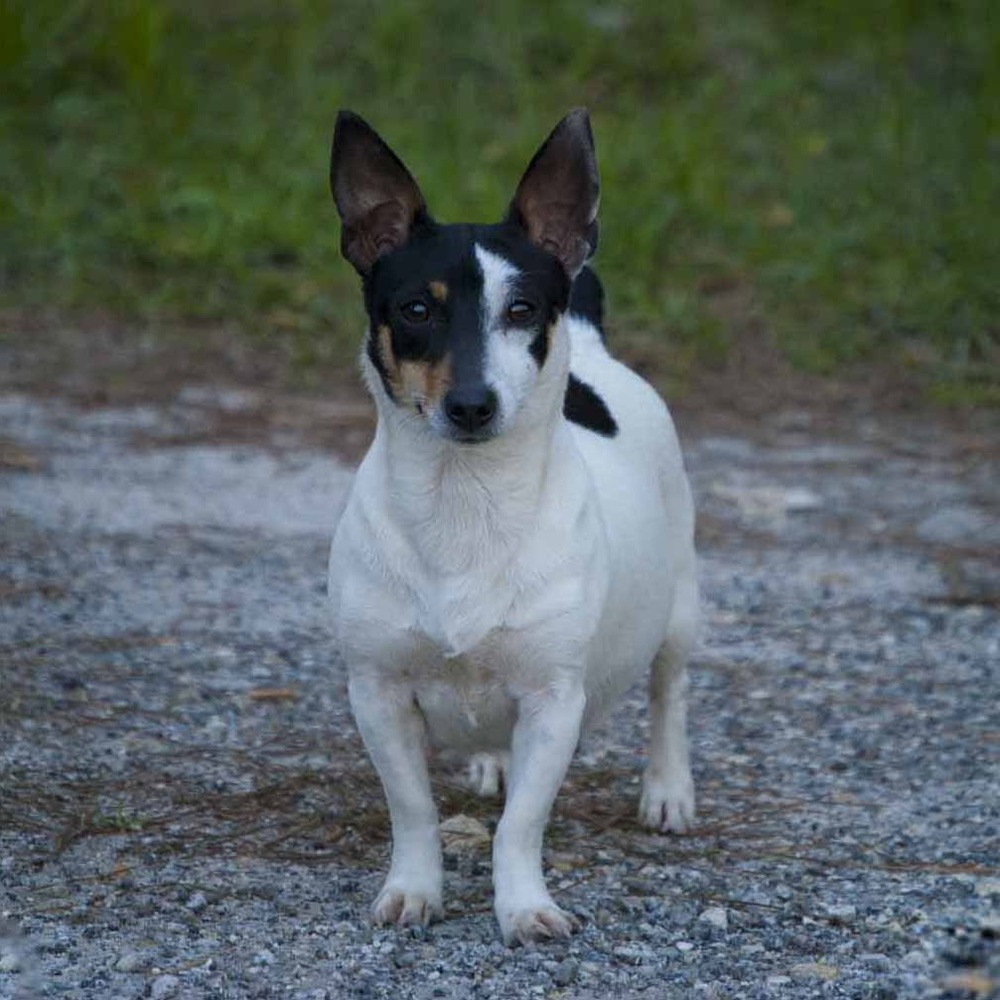
The Teddy Roosevelt Terrier began as the short-legged “Type B” within the broader Rat Terrier world. In litters, both longer- and shorter-legged dogs could appear, and over time some fanciers and working homes preferred the sturdier, lower-to-the-ground type for farm life and vermin control.1
The name can be misleading. Theodore Roosevelt did not create the breed. It was named in his honour because of his association with working terriers and the popular imagination around the “ratter” dog on American farms.1, 2
In modern kennel club terms, the breed has a clear paper trail. The United Kennel Club (UKC) recognised the Teddy Roosevelt Terrier on 1 January 1999, and the American Kennel Club (AKC) brought the breed into the Terrier Group on 1 January 2026 after Foundation Stock Service listing (2016) and a period in the Miscellaneous Class (from July 2019).3, 1, 4
What they look like (and why it matters)
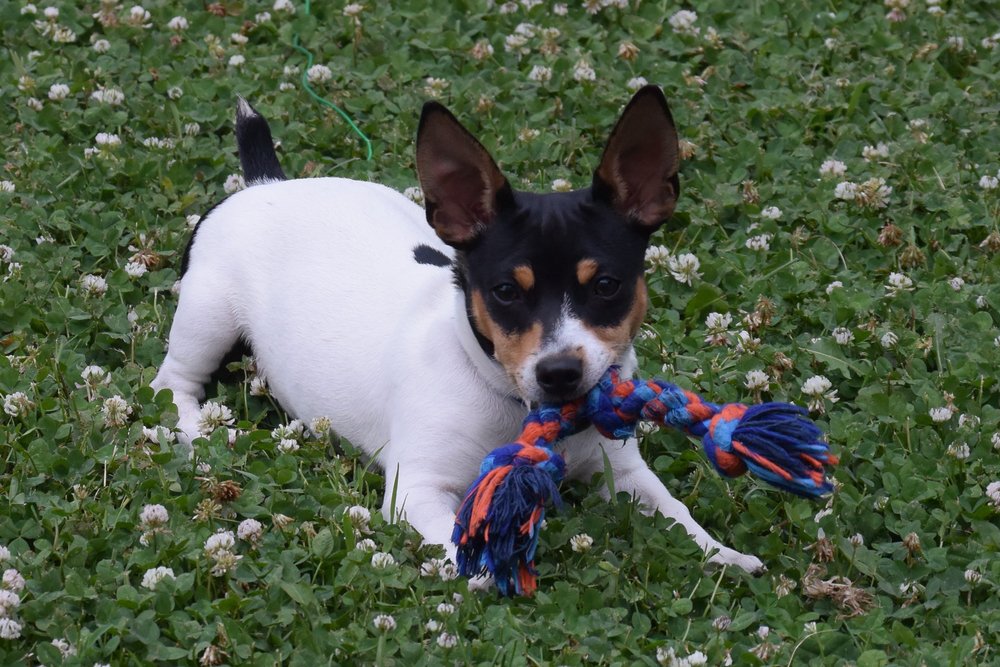
The Teddy is often described as short-legged and rectangular, with substantial bone and a smoothly muscled body. It is not meant to look fine-boned or fragile. That shape reflects what it was developed to do: move efficiently, turn quickly, and keep going over a day that involves real activity.3
The breed’s shorter legs are linked to a form of chondrodysplasia (often referred to as CDPA). This helps explain why Teddies look different to longer-legged Rat Terriers, and why mixing up the two in casual conversation is common.1
Coat care is usually straightforward. The coat is short and smooth, with many dogs shedding seasonally. A weekly brush does most of what is needed, not because the breed is “low effort”, but because the coat type is practical.5
Temperament and day-to-day suitability
A well-bred, well-raised Teddy Roosevelt Terrier is typically bright, people-oriented, and ready to participate. Many are naturally alert and will vocalise when something changes around the home. That can be useful, but it is also a habit worth shaping early, so it does not turn into constant “commentary”.3
They often suit homes where someone genuinely enjoys having a dog close by. Companionship is a real need for many individuals, and boredom can show up as pestering, scavenging, or home-made games that are not especially fun for the humans involved.6
With children and other pets, the usual terrier rules apply. Many Teddies live happily in family homes, but supervision and sensible boundaries matter, especially with very young children and with smaller animals that can trigger chase behaviour. Socialisation helps, but it does not erase instinct, it simply teaches the dog how to live safely with it.3, 7
Training that fits a terrier brain
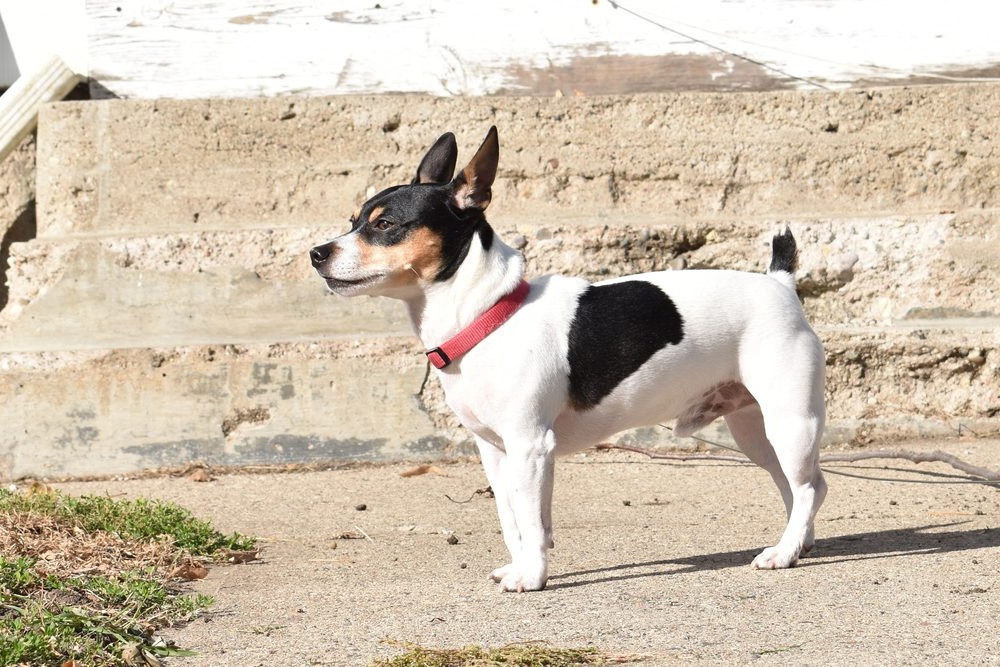
Teddies are often described as easier to train than people expect from a terrier. In practice, that usually means they are engaged with people and enjoy learning, especially when training feels like a shared activity rather than a correction-based routine.5
What tends to work best is short, upbeat sessions that end before the dog checks out. Reward the behaviour you want, set the environment up so the dog can succeed, and be consistent about household rules. If there are mixed messages, terriers are excellent at noticing.6
If you want “extra” beyond manners, many Teddies enjoy sports that use their body and their nose. Activities such as scent work, agility-style foundations, and structured games can be a good outlet, particularly for dogs living in smaller spaces.6
Exercise and enrichment without overdoing it
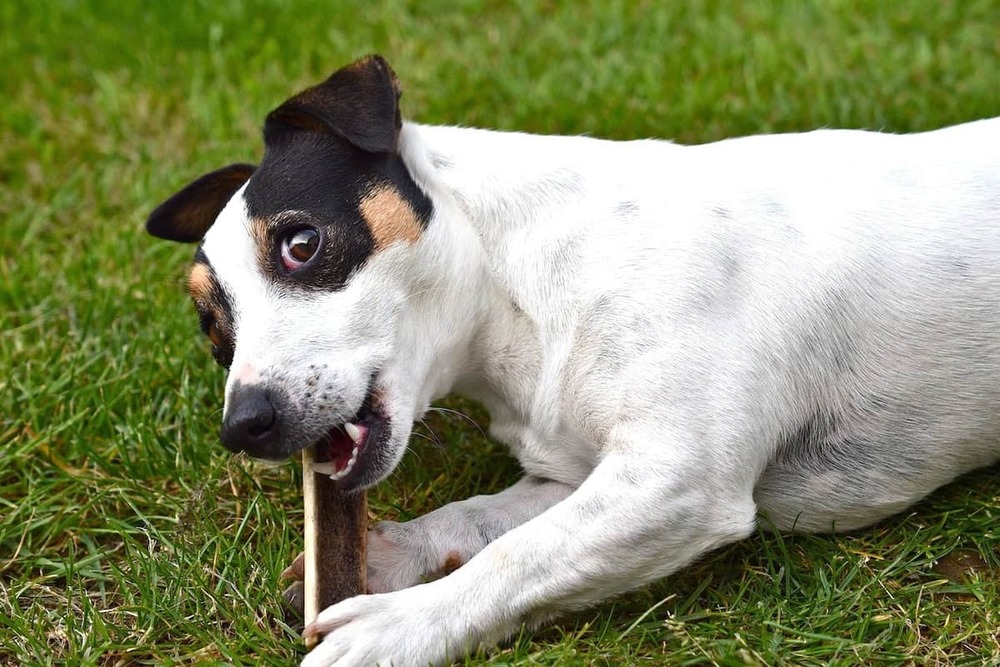
Most Teddy Roosevelt Terriers need daily movement and daily engagement. Think a brisk walk plus a play session, and then something that asks the dog to use its brain, such as simple scent games, training, or a food puzzle. A tired mind counts, not just tired legs.5, 6
If you notice a Teddy becoming pushy, noisy, or restless, it is often a sign that exercise has become repetitive, or that the dog is missing the “job” element. A change of walking route, a bit of structured sniffing time, or a short training session can make a real difference.
Because they are short-legged and powerfully built, it is sensible to be thoughtful with high-impact exercise. Avoid repeatedly launching off furniture, and build fitness gradually for running or jumping activities, especially in young dogs.
Health considerations and sensible prevention
No breed is “problem free”, and individual dogs vary. That said, Teddies are widely regarded as a generally robust breed with a long lifespan when bred responsibly and kept in good condition.3, 5
When you are speaking with a breeder, it is reasonable to ask what health screening they do and to request evidence. The AKC’s breed health testing recommendations for the Teddy Roosevelt Terrier include patella evaluation, cardiac exam, primary lens luxation (PLL) testing, and chondrodystrophy-related testing.8
For owners, the basics make the biggest difference over time: keeping a lean body condition, maintaining dental care, staying on top of parasite prevention, and booking regular veterinary checks so small issues do not become big ones. If you are choosing a dog breed with any distinctive physical traits, it is also worth thinking through likely lifetime costs and the reality of medical care as the dog ages.7
Grooming, coat care, and everyday maintenance
The Teddy’s coat is usually low-fuss. A weekly brush with a soft brush or curry mitt helps lift loose hair and keeps the coat looking neat, and baths can be occasional rather than routine.5
Do not let “low grooming” translate into “no handling”. Regularly check ears, trim nails, and make tooth brushing part of life while the dog is young enough to accept it easily. For many small terriers, comfort with body handling is one of the quiet predictors of a smooth adulthood.
Feeding and keeping them in good condition
Teddies are active, compact dogs, and many will cheerfully overeat if given the chance. The goal is simple: a diet that suits the dog’s life stage and activity, and portions that keep the dog lean enough to move freely. Weight control protects joints and makes everyday exercise more comfortable.
Choose a complete and balanced diet, measure meals rather than guessing, and adjust as seasons, routines, and age change. Treats are useful for training, but it helps to think of them as part of the day’s food rather than “extra”. If you are unsure what condition looks like, your vet can show you how to score body condition and what to aim for.
A quiet summary of who this breed suits

The Teddy Roosevelt Terrier tends to suit people who like a dog that is present and engaged, enjoys learning, and needs daily outlets for movement and curiosity. They can do well in apartments and in rural homes, but they rarely thrive as a “background” pet.6, 5
If you are drawn to the breed, it is worth meeting a few adult dogs and talking to owners about what daily life is actually like. A good Teddy is not just small and cute. It is a capable little terrier with a working heritage, and that can be a delight when it is matched thoughtfully to the right household.
References
- American Kennel Club: Teddy Roosevelt Terrier breed history
- United Kennel Club: Rat Terrier breed standard (background and recognition date)
- United Kennel Club: Teddy Roosevelt Terrier breed standard
- American Kennel Club: Press release welcoming Teddy Roosevelt Terrier to the registry
- American Kennel Club: Teddy Roosevelt Terrier fun facts (grooming, exercise, lifespan)
- American Kennel Club: Is the Teddy Roosevelt Terrier right for your lifestyle?
- RSPCA Pet Insurance Australia: Considerations when choosing a dog
- American Kennel Club: Terrier Group health testing requirements (includes Teddy Roosevelt Terrier)
- Associated Press: AKC adds three breeds for 2026, including Teddy Roosevelt Terrier