

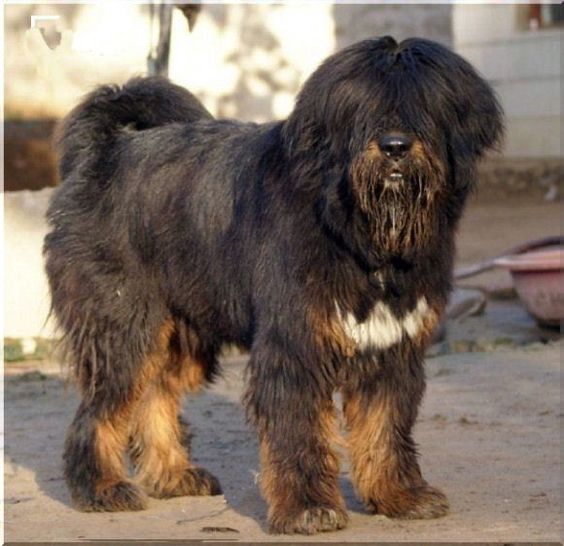
People often first hear “Tibetan Kyi Apso” in a throwaway comment, a rescue listing, or a conversation about “Tibetan mastiff types”, then go looking for a clear picture and find that the information is patchy. Photos vary wildly, names overlap, and some sources describe a fixed “breed” while others describe a traditional type of livestock guardian dog from the Himalayas.
That uncertainty matters in practice. If you are considering living with one, or you have a dog that has been labelled as a Kyi Apso, you need more than a romantic origin story. You need a sensible sense of what sort of dog it is likely to be: size, coat, temperament, how it responds to strangers, and what sort of home helps it settle.
It also helps to hold two truths at once. The Kyi Apso is often discussed as rare and traditional, and it is also a dog that may not fit neatly into modern kennel-club boxes. That does not make it less “real”, it just means you should approach the label thoughtfully, with your eyes open.
- Category: Livestock guardian type (often described as a landrace)
- Origin: Tibet and the Himalayan region
- Typical size: Medium to large (commonly reported around 32 to 45 kg)
- Coat: Heavy double coat, usually longer and shaggier than a Tibetan Mastiff
- Life expectancy: Often quoted around 10 to 12 years (individual variation is normal)
- Temperament theme: Alert, independent, protective, often reserved with strangers
Early development and cultural context
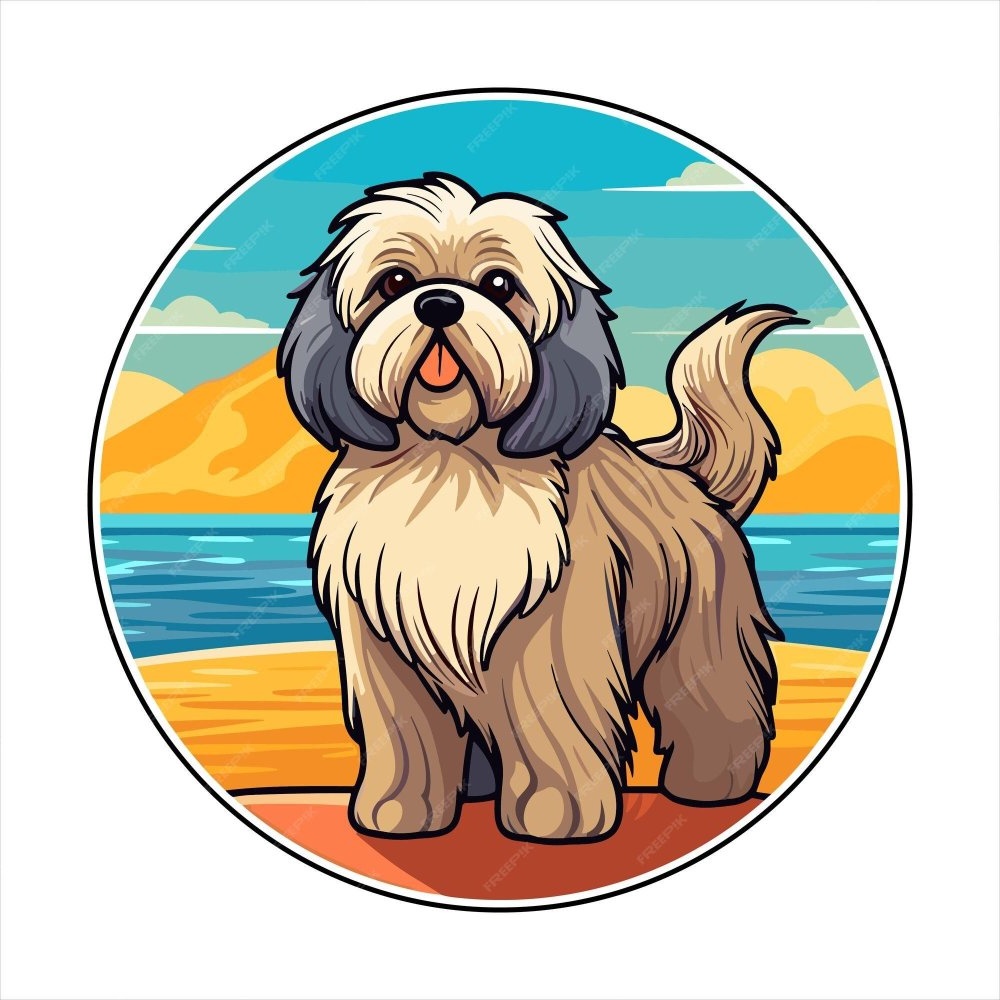
The Tibetan Kyi Apso is commonly described as an ancient, rare landrace of livestock guardian dog from Tibet and the Himalayas, historically kept to guard homes, settlements, and animals in harsh conditions.1 In other words, it comes from a working context where self-reliance is useful, and where “good behaviour” is judged by the ability to notice change, hold ground, and persist.
In modern writing, the Kyi Apso is frequently compared with the Tibetan Mastiff, and the two can look similar at a glance. Accounts of the Kyi Apso tend to emphasise a lighter, shaggier outline, a bearded muzzle, and a more athletic build than many Tibetan Mastiff examples seen in the West.1
It is also worth being gentle with the way Tibetan “guard dog” stories get told. Some details are well supported, others are repeated because they sound plausible. If you are reading claims about exact meanings of names, monastery roles, or specific historical figures, treat them as cultural colour unless you can trace them back to a reliable source.
What the Kyi Apso tends to look like
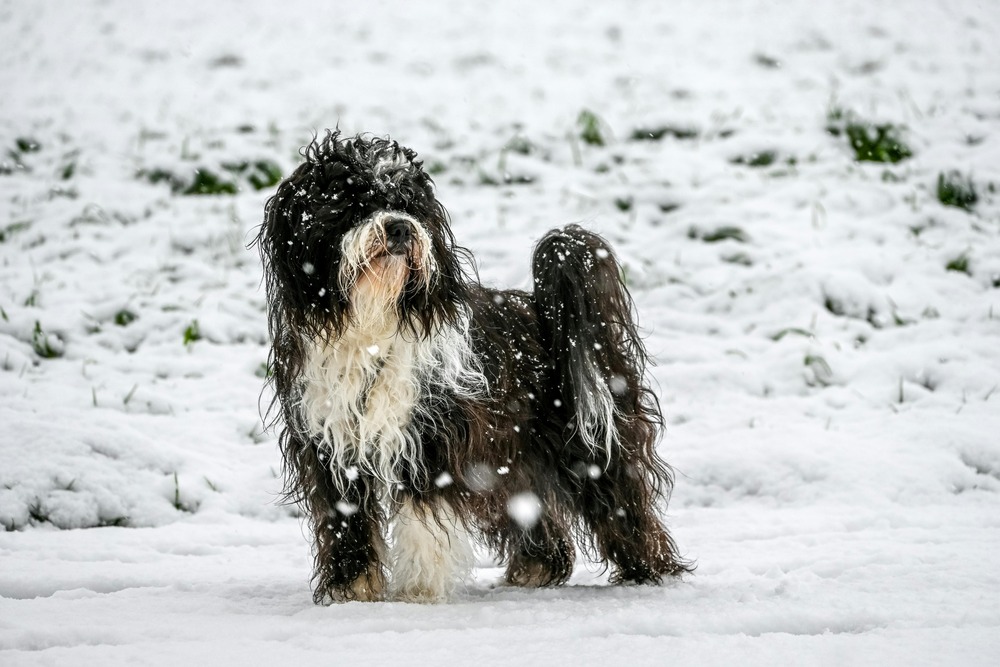
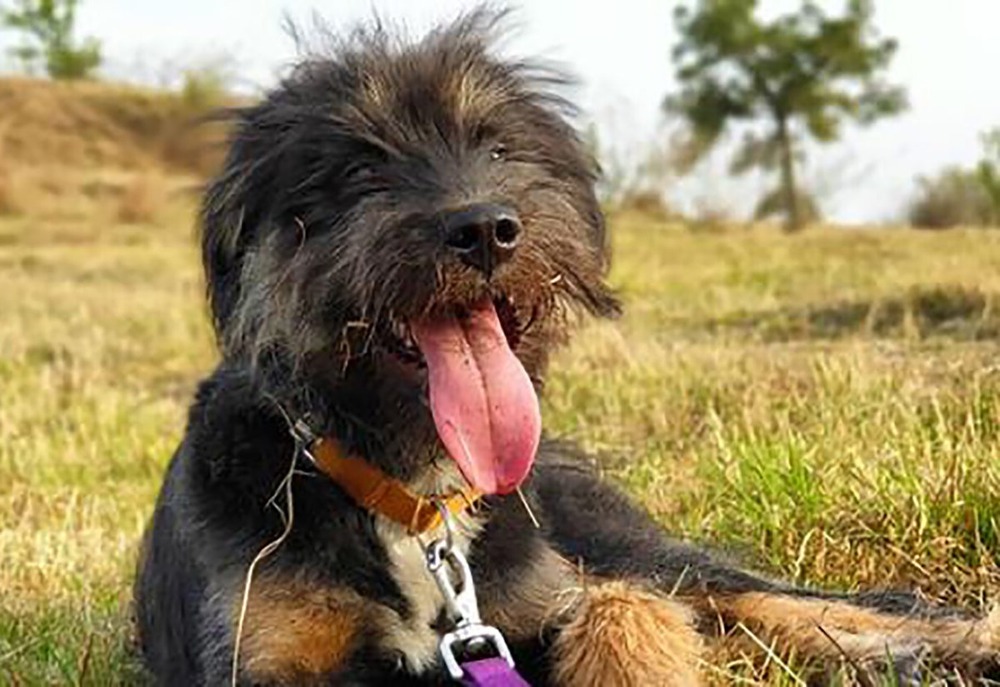
Most descriptions place the Kyi Apso in the medium to large range, with a heavy double coat and a distinctly shaggy presentation. The coat can be protective and weatherproof, with longer hair around the face and ears, and a tail that curls over the back.1
Colour descriptions vary by source and by region. Some references describe black with lighter extremities as common, while also noting that greys, browns, reds, and tans can appear.1 That variability is one reason people sometimes struggle to identify a “true” Kyi Apso from photos alone.
If you are assessing a dog in front of you, it helps to focus less on a single “perfect” picture and more on a set of traits that fit together: protective coat, athletic structure, and the watchful, scanning way many guardian types move through space.
Temperament and family suitability
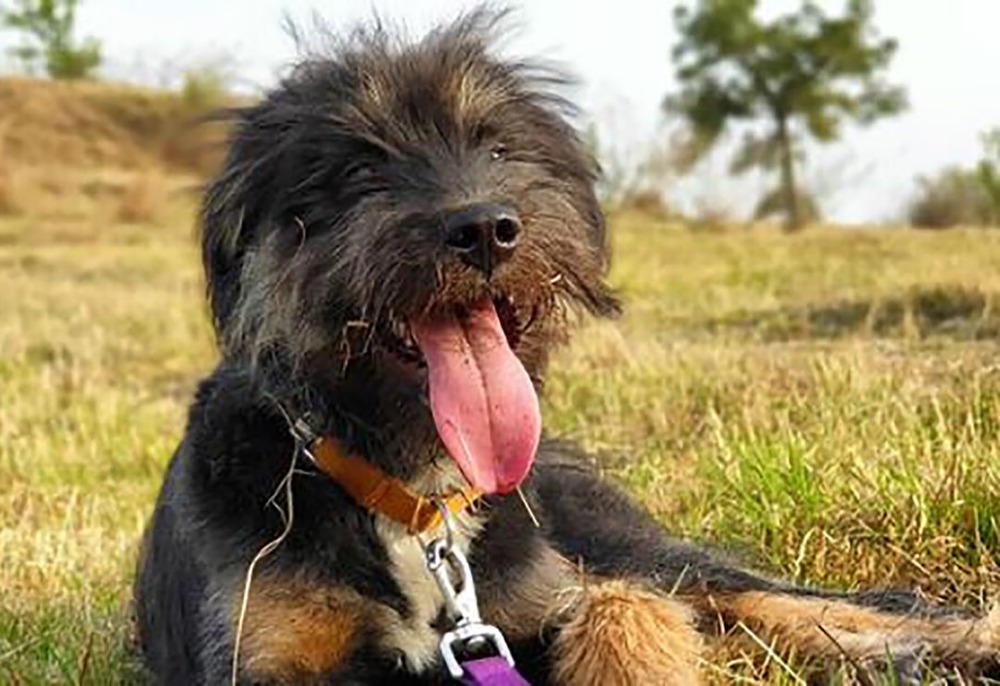
Guardian breeds are often described as loyal, and that can be true, but it is not the same thing as being universally social. Many livestock guardian dogs are naturally wary of unfamiliar people and changes in their environment, and that caution can look like distance, stillness, barking, or stepping forward to block access.
Accounts of the Tibetan Kyi Apso commonly describe it as independent, intelligent, energetic, territorial, and wary of strangers, which can translate into strong suitability for a home that values boundaries, routine, and steady handling.1 It can also mean the breed is not an easy match for households that expect instant friendliness, frequent visitors, or a dog that happily tolerates being managed by everyone.
With children and other animals, it is more accurate to think in terms of management plus socialisation, not guarantees. Supervision, safe spaces, and teaching kids how to interact respectfully tend to matter more than any one temperament label.
Training and exercise: what helps in day-to-day life
With independent working breeds, training is often less about “getting compliance” and more about building a reliable communication system. Clear cues, predictable routines, and reinforcement that actually matters to the dog usually outperform heavy correction.
Keep training sessions short, specific, and calm. If a dog is watchful by nature, it can become overstimulated by frantic repetition. A good goal is steady, functional skills: coming when called in low distraction, walking without dragging you around, settling on a mat, and being comfortable with handling for grooming and vet checks.
Exercise needs are individual, but large guardian types often do best with a blend of physical movement and thinking work: long sniffy walks, gentle hikes, food puzzles, and basic obedience games. High-impact running is not always ideal, especially for young dogs that are still growing.
Health considerations and lifespan
Because the Tibetan Kyi Apso is not widely represented in large kennel-club populations, you may not find the same depth of published breed health statistics that exist for more common breeds. Still, it is sensible to consider the usual risks that come with medium to large dogs.
Hip dysplasia is a well-known issue in many larger breeds. It is influenced by genetics and environment, and practical prevention focuses on responsible breeding, appropriate growth management, and maintaining a healthy body condition over a dog’s life.2
Whatever the label on the dog, your best tools are unglamorous ones: a good vet relationship, timely pain assessment if mobility changes, and keeping weight steady. If you are buying from a breeder, ask what screening they do and what outcomes they see in related dogs.
Coat care and grooming routines
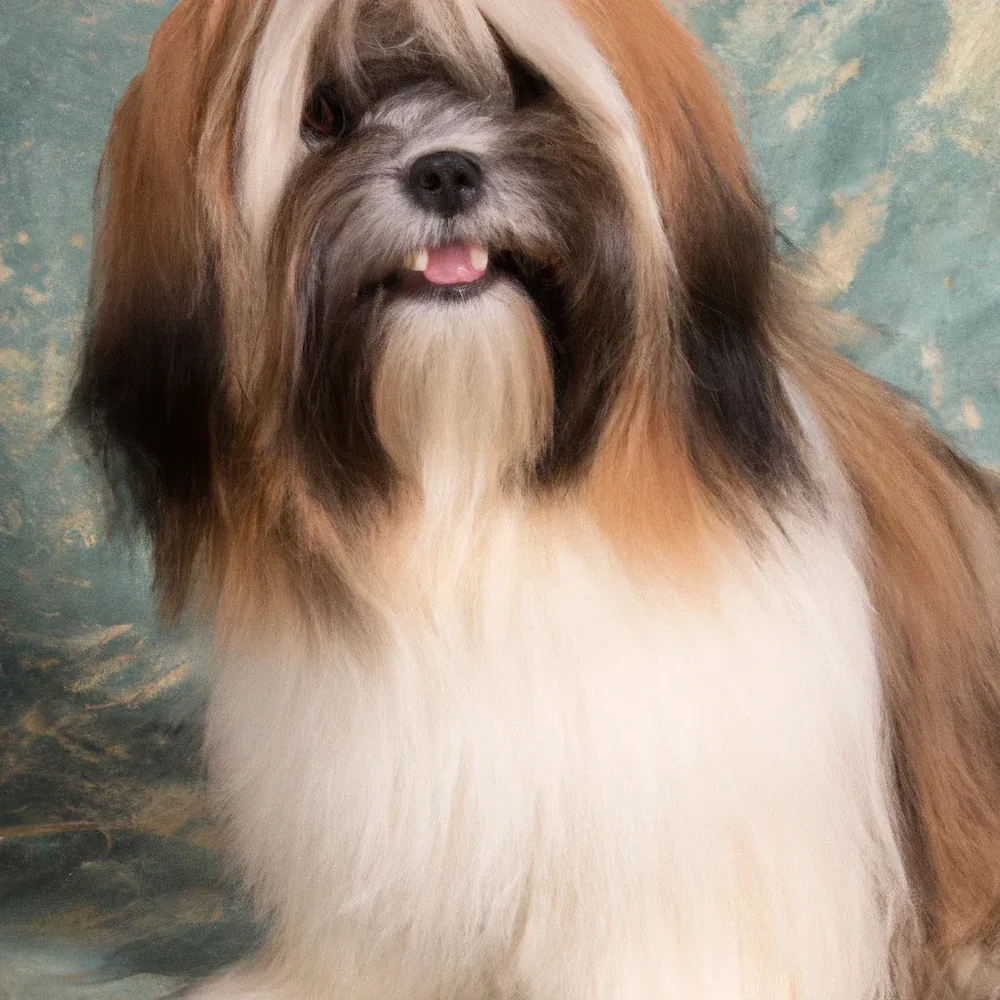
A thick double coat is practical in cold climates, but it asks something of you. Regular brushing helps prevent matting, allows you to check the skin, and reduces the build-up of debris around the ears, under the collar, and in the “armpits” behind the front legs.
Aim for a routine that is easy to keep. Many owners do best with a quick brush-through several times a week, then a longer session when needed. Bathing can be occasional, with thorough drying afterwards, because damp undercoat can contribute to skin irritation.
Make grooming part of normal life rather than a battle. Teach a “stand” or “chin rest”, reward calm stillness, and finish before the dog is over it. The goal is co-operative handling, not wrestling.
Feeding and nutrition: practical guidelines
Diet advice online can get strangely tribal. A calmer approach is to start with what veterinary nutrition guidelines emphasise: assess the individual dog, monitor body condition, and choose a complete and balanced diet that suits life stage and health status.3
If your dog is young and growing, ask your vet about large-breed growth management, including avoiding rapid weight gain. For adult dogs, keep an eye on subtle changes: a waist disappearing, reluctance to jump, or stiffness after rest. These are often easier to address early than late.
- Feed to condition, not to the packet alone
- Use treats intentionally, especially during training
- Discuss supplements with your vet before starting them, particularly for joints
Rarity, recognition, and naming confusion
The Kyi Apso is often presented as “one of the rarest breeds”, and it is certainly uncommon in many countries. In practice, rarity can create a second problem: people may attach the name to any shaggy Tibetan mastiff type, sometimes for genuine uncertainty and sometimes because the label sounds special.
Some sources describe the Tibetan Kyi Apso as not recognised by major kennel bodies, which is consistent with how landraces and regional types are often treated in formal registries.1 If official recognition matters to you, verify it with the relevant registry in your country, because recognition status and eligibility can differ by organisation.
If you are adopting, it is perfectly fine to treat “Kyi Apso” as a best-guess description rather than a promise. Focus on the dog in front of you: its comfort with handling, how it responds to strangers, its baseline arousal, and how it settles after activity. Those observations will guide you far more reliably than a rare label.
Final thoughts
The Tibetan Kyi Apso, whether you see it as a distinct breed or a traditional guardian type, tends to sit firmly in the “thinking dog” category. It is often described as protective and independent, and those traits can be deeply satisfying in the right home, particularly where people respect canine boundaries and value calm, steady companionship.
If there is one practical takeaway, it is this: prioritise temperament fit over mystique. A well matched guardian dog can be a joy to live with. A poorly matched one can feel like hard work, not because it is “bad”, but because it has been asked to live a life that does not suit what it was shaped to do.
References
- Wikipedia: Tibetan Kyi Apso
- Cornell University College of Veterinary Medicine: Canine hip dysplasia (CHD)
- WSAVA: Global Nutrition Guidelines
- American Kennel Club: Dog breeds beloved by monks (background on Tibetan sentinel breeds)
- FCI: Lhasa Apso breed nomenclature entry
- FCI: Do-khyi (Tibetan Mastiff) breed nomenclature entry
- American Kennel Club: Hip dysplasia in dogs (overview of signs and treatment options)
- United Kennel Club: Breed standards directory (for checking recognition listings)