

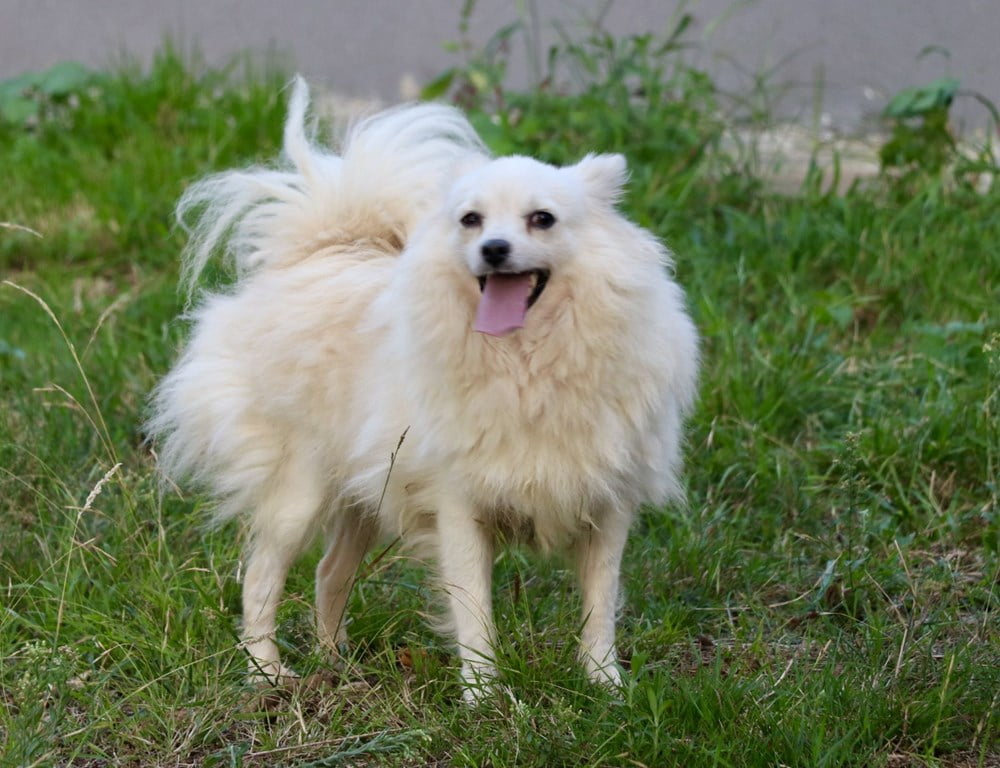
People usually come across the name “Tonya Finosu” the way they come across a lot of rare breeds, through a social post, a friend’s dog that looks like a small white spitz, or a late-night search for “little white watchdog dog from Turkey”. It can be confusing because there is not a neat kennel club profile to point to, and some descriptions online quietly borrow from other breeds.
What tends to stand out, though, is the same cluster of traits people keep noticing: a compact, white, cold-weather coat, a lively, alert presence in the home, and a dog that can be affectionate with familiar people while still sounding the alarm when something changes. In practice, that mix can be wonderful or wearing, depending on your household rhythm.
This matters because “small” does not automatically mean “easy”. A small spitz-type dog that is naturally watchful can be brilliant company, but it usually does best with thoughtful socialisation, consistent routines, and owners who are comfortable living with some barking as communication rather than “bad behaviour”.
Where the Tonya Finosu comes from
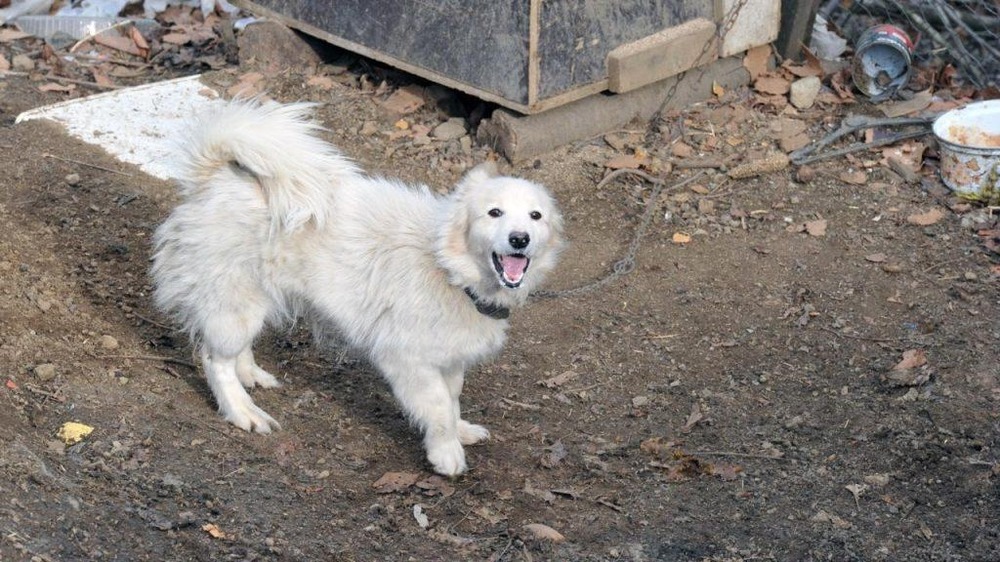
The Tonya Finosu (also seen as “Fino of Tonya”, and sometimes “Kobi”) is generally described as an indigenous spitz-type dog from the Trabzon region in north-eastern Turkey, associated particularly with the town and district of Tonya.1, 2
One reason the history can read as patchy is that there is limited formal documentation compared with globally standardised breeds. Some accounts suggest the breed’s ancestors may have arrived via maritime trade routes linked to Black Sea ports, then became locally established and selected for usefulness around homes and small farms.1
In more recent years, there have been public efforts in Turkey to document and protect local breeds from the region, including research work involving morphological and genetic characterisation of Tonya Finosu dogs.2
Physical characteristics people notice first
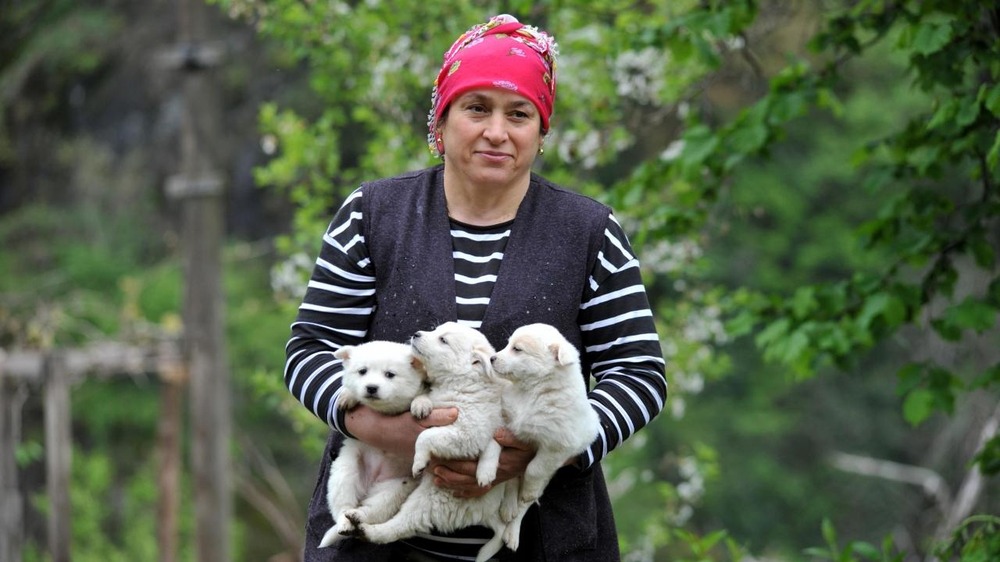
Most descriptions place the Tonya Finosu in the small-dog range, with classic spitz features such as erect ears, a curled tail, and a thick double coat built for cold, wet conditions along the Black Sea coast.1
Colour is one of the clearer points of agreement: sources commonly describe the breed as white, rather than the chestnut or golden colours sometimes claimed elsewhere online.1
If you are meeting a “Tonya Finosu” advertised in another colour or with a very different coat type, it is worth pausing. That does not mean the dog is not a lovely companion, but it may be a mix or a different spitz-type breed entirely, especially given the breed’s lack of major kennel club recognition and limited standardisation.1
Temperament and everyday behaviour
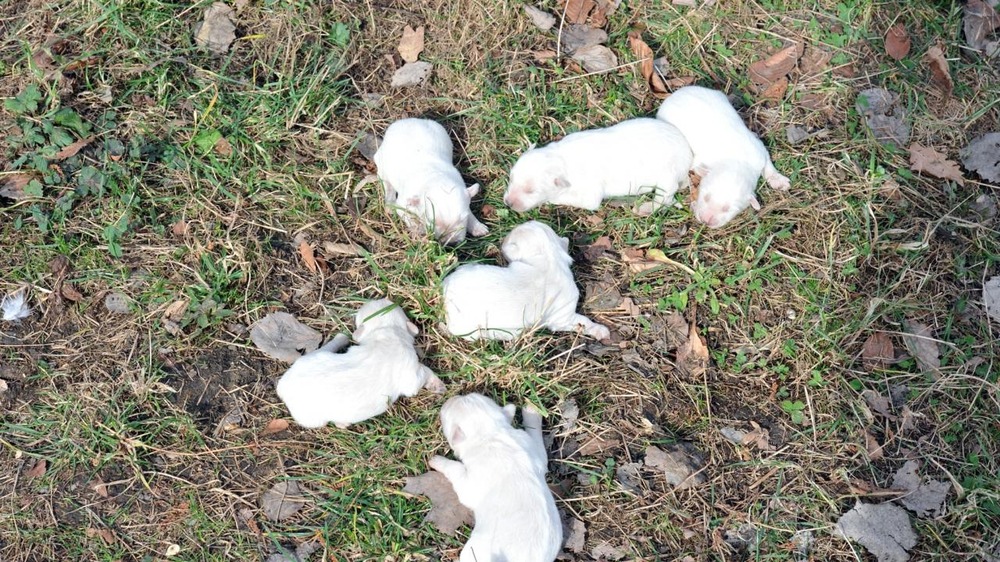
Owners and breed descriptions often paint a consistent picture: lively and playful with the household, and noticeably more vigilant with strangers. In practical terms, that can look like a dog that happily follows family members room to room, then switches quickly to alert barking when it hears footsteps outside or notices an unfamiliar visitor at the gate.1, 3
It is helpful to treat that watchfulness as a trait to manage, not a problem to “train out”. Many spitz-type dogs are naturally vocal, and the Tonya Finosu is frequently described as a vocal watchdog rather than a silent, easygoing lap dog.1
With children and other pets, the broad guidance is the same as with any small, energetic breed: supervise interactions, teach gentle handling, and set up the environment so the dog can step away when it needs a break. Early, calm exposure tends to matter more than any single “temperament label”.4
Training, socialisation, and barking management
Because the breed is often described as alert and energetic, training tends to go best when it starts early and stays practical. Short sessions, simple cues, and predictable routines suit many small spitz-type dogs, especially when the goal is a dog that can settle quietly inside the home.
If barking is part of why you are interested (or worried), focus on building a pattern the dog can understand: notice something, alert once or twice, then come back to you for direction. Rewarding quiet moments, providing enrichment, and reducing trigger exposure at windows and fences can make a real difference over time.
- Reward calm behaviour when the dog chooses to settle.
- Use management tools (frosted film on lower windows, indoor gates) to reduce constant “patrolling”.
- Prioritise gradual socialisation, pairing new people and places with food and distance rather than forced greetings.4
Exercise and enrichment needs
Even small dogs can be surprisingly athletic, and spitz-type dogs often do best with a daily mix of movement and thinking. Rather than chasing a strict minute-count, it helps to watch for the dog’s ability to relax after activity. A dog that cannot settle may need more enrichment, better sleep routines, or a quieter environment, not just more kilometres walked.
Useful options include brisk walks, sniffy exploration on a long line, simple agility-style games in the yard, and food puzzles. If you are increasing exercise, do it gradually and keep an eye on body condition and recovery, particularly in young dogs.
Health considerations and lifespan
There is not the same depth of publicly available breed-specific health data for Tonya Finosu dogs as there is for common registered breeds. That makes general good practice even more important: routine veterinary checks, keeping the dog lean, and paying attention to teeth, skin, and mobility as it ages.
When people discuss “common issues” online (hips, eyes, allergies), treat those as possibilities rather than certainties. Your most reliable guidance will come from your vet’s assessment of the individual dog, plus whatever health screening and history a responsible breeder can provide.
For day-to-day prevention, the basics still do most of the heavy lifting: weight management, appropriate parasite control, dental care, and vaccination advice tailored to your area and lifestyle.5, 6, 7
Grooming and coat care
A double coat usually means two things: it insulates well in rough weather, and it sheds. Regular brushing helps prevent compacted undercoat, reduces loose hair through the house, and gives you a chance to notice skin changes early.
Aim for a thorough brush once or twice a week most of the year, then increase during heavier seasonal sheds. Bathing is best kept occasional, using a dog-appropriate shampoo, since frequent washing can dry the skin and make coat management harder.
Feeding and nutrition
For most small, active dogs, the goal is simple: a complete and balanced diet appropriate for life stage, with portions adjusted to keep the dog in a healthy body condition. If you are feeding commercial food, look for products that meet recognised standards, and be cautious with boutique claims that are not backed by evidence.
If you are considering a raw or home-prepared diet, it is worth involving a veterinary professional with nutrition training. Home diets can work, but they are easy to get subtly wrong over time without careful formulation.8, 9
Also keep a short “never feed” list in mind. Foods like chocolate, grapes and raisins, onions, and xylitol-containing products can be dangerous for dogs, even in small amounts.10
Choosing a Tonya Finosu outside Turkey
If you are trying to find a Tonya Finosu in Australia, the UK, or the US, the practical reality is that you may be looking at a very small pool, and some dogs will be advertised under the name even when they are not. Given the breed’s limited recognition and the variability in online descriptions, it is sensible to prioritise welfare and transparency over labels.
Ask for clear photos of parents (if available), health history, temperament notes, and how the pup has been socialised. A responsible seller should be comfortable discussing the dog’s likely barking, coat shedding, and exercise needs, and should not oversell the breed as “easy” simply because it is small.
References
- Wikipedia: Tonya Finosu
- Anadolu Ajansı: Trabzon’a özgü “zerdava” ve “Tonya finosu” ırklarının gen haritası çıkarılıyor
- Turkish Dog Federation: Breeds of Turkey (Tonya Fino)
- RSPCA Australia: What is socialisation and how do I socialise my puppy?
- WSAVA: Global Nutrition Guidelines
- RSPCA Australia: Best ways to take care of my dog’s teeth
- American Veterinary Medical Association (AVMA): Vaccinations
- UC Davis School of Veterinary Medicine: Raw food diets (PDF)
- RVC (University of London): Clinical Nutrition Service
- RSPCA Australia: Foods that are poisonous to dogs