

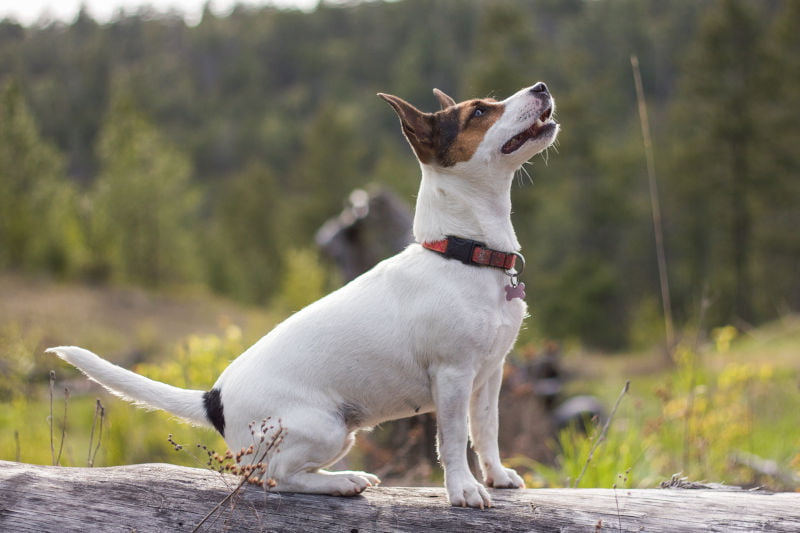
You might first notice a Treeing Feist when someone mentions a “squirrel dog”, or when a small, tidy-looking dog turns out to have a lot more drive than you expected. They are the sort of dog that can look like a compact pet around the house, then switch on outdoors, scanning, scenting, and moving with purpose.
It is easy to assume that small dogs are naturally suited to apartment life, or that a short coat and light build means “low maintenance”. With Treeing Feists, the practical reality is that their bodies are small, but their working heritage is big. They tend to do best when their exercise, training, and daily routine take that heritage seriously.
When people and breed traits line up, these dogs can be sharp, funny, and deeply engaging companions. When the fit is off, the same strengths can show up as restlessness, noise, and frustration. Understanding what sits underneath the behaviour makes all the difference.
- Breed category: Hunting and companion dog
- Country of origin: United States
- Typical height: 30 to 46 cm (12 to 18 inches)
- Typical weight: Often 5 to 14 kg (about 12 to 30 pounds), depending on height and working condition1
- Coat: Short, dense, smooth, generally easy care1
- Life expectancy: Commonly in the low-to-mid teens (individual variation applies)
- Energy level: High, especially in young adults
- Best suited to: Active homes, people who enjoy training and outdoor time
Where the Treeing Feist comes from

Treeing Feists developed in the southern and mountainous regions of the United States as practical hunting dogs for small game. The word “treeing” refers to a style of hunting where a dog pursues animals such as squirrels until they go up a tree, then indicates the location for the handler.1, 2
In modern times, the Treeing Feist is recognised as a breed by the United Kennel Club (UKC), with a formal breed standard and a strong emphasis on function. UKC recognised the Treeing Feist on 1 November 1998.1
It can help to know that “feist” is not one single dog. It is a broader traditional type in the US, shaped by local needs and lines. That history is part of why you may hear people describe Feists in working terms rather than show-ring terms, and why appearance can vary more than in many modern companion breeds.3
What they look like, and what that means day to day

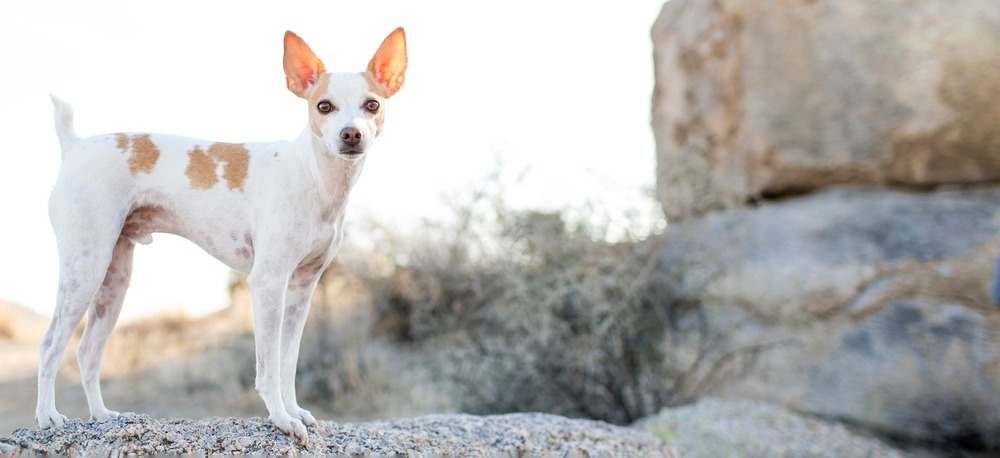
A Treeing Feist is typically small, athletic, and built for speed and quick changes of direction. The UKC standard places height between 12 and 18 inches at the withers, with an “ideal working weight” that varies by height and condition, rather than a single fixed number.1
Coat is short and smooth, and colour can be almost anything. You might also see a range of ear sets, including erect or semi-erect ears. Tails may be natural or docked, depending on the individual dog and where they were bred and kept.1
In practice, these physical traits often add up to a dog that can be very easy to live with in the house if their exercise needs are met. Without that outlet, the same athleticism can turn into pacing, fence-running, or inventing their own entertainment.
Temperament, instincts, and suitability
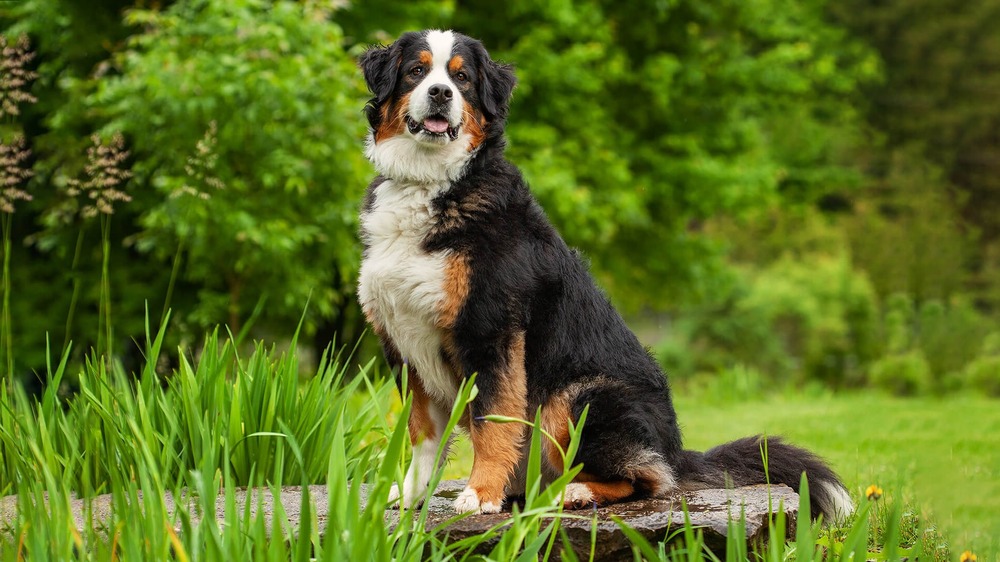
Treeing Feists are commonly described as alert and active, and that matches what you see in their working description. UKC notes they are frequently used for squirrel hunting and may also be used on other small game, and that they hunt using both sight and scent.1
As a family companion, many do well with people who enjoy an engaged dog, one that likes to learn and be involved. In busy homes, it helps to remember that “energetic” is not the same as “self-regulating”. A Feist that is constantly stimulated without learning how to settle can struggle to switch off.
With children, success tends to come down to supervision, calm handling, and teaching kids to recognise when the dog needs space. With other pets, early and careful introductions matter. A strong chase instinct can be manageable, but it should not be brushed aside, especially with pocket pets.
Apartment living can work for some, but it is usually not effortless. A small yard does not automatically solve the exercise question, and many Feists need more than a potter around the block to feel genuinely satisfied.
Training that suits a Treeing Feist
Because these dogs are often bright and quick to notice patterns, training can feel wonderfully responsive when it is fair and consistent. Reward-based training, built on reinforcement of the behaviours you want, is also widely recommended by welfare organisations such as the RSPCA, which advises avoiding punitive and aversive methods and equipment.4
For many Treeing Feists, the most useful early skills are not flashy tricks. They are the practical ones that support everyday life:
- Recall with real-world proofing, starting on a long line
- Settle on a mat and “switch off” after activity
- Loose-lead walking around movement and wildlife
- Comfort with handling, grooming, and vet checks
Socialisation is worth treating as a process rather than a single “puppy class box to tick”. The aim is gradual, positive exposure to new people, dogs, places, sounds, and surfaces, at a pace the puppy can cope with.5
Exercise and enrichment, beyond just wearing them out
These dogs generally need daily movement, but the best results often come from pairing physical exercise with thinking work. A long run can make a Feist fitter, which is not always what an owner is trying to achieve. Scent games, structured training sessions, and problem-solving toys can help meet the dog where their instincts live.
If you are looking for a simple rule of thumb, it is this: aim for a day that includes sniffing, sprinting, and settling. For a hunting-type dog, the “sniffing” part is not optional decoration. It is often the piece that makes the nervous system relax afterwards.
Health considerations and preventative care

No breed is free of health issues, even when it is generally robust. Instead of assuming particular problems are guaranteed, it is more useful to stay alert to common concerns seen across dogs, and to work with a veterinarian who knows your dog’s lifestyle.
Joint issues, including hip dysplasia and osteoarthritis, are often discussed as “big dog problems”, but they can occur in smaller dogs too. Hip dysplasia is a developmental condition influenced by multiple factors, including genetics, growth, and nutrition, and can contribute to degenerative joint disease over time.6, 7
Practical preventative care usually includes:
- Regular veterinary checks and dental care
- Vaccination advice tailored to your area and risk
- Parasite prevention suited to local fleas and ticks
- Weight management, especially if a dog is slowing down with age
If you live in a tick-prone area, it is worth knowing that regulators and product guidance in Australia commonly recommend daily searching for, and removal of, ticks during tick season, even when using tick control products.8
Grooming and coat care
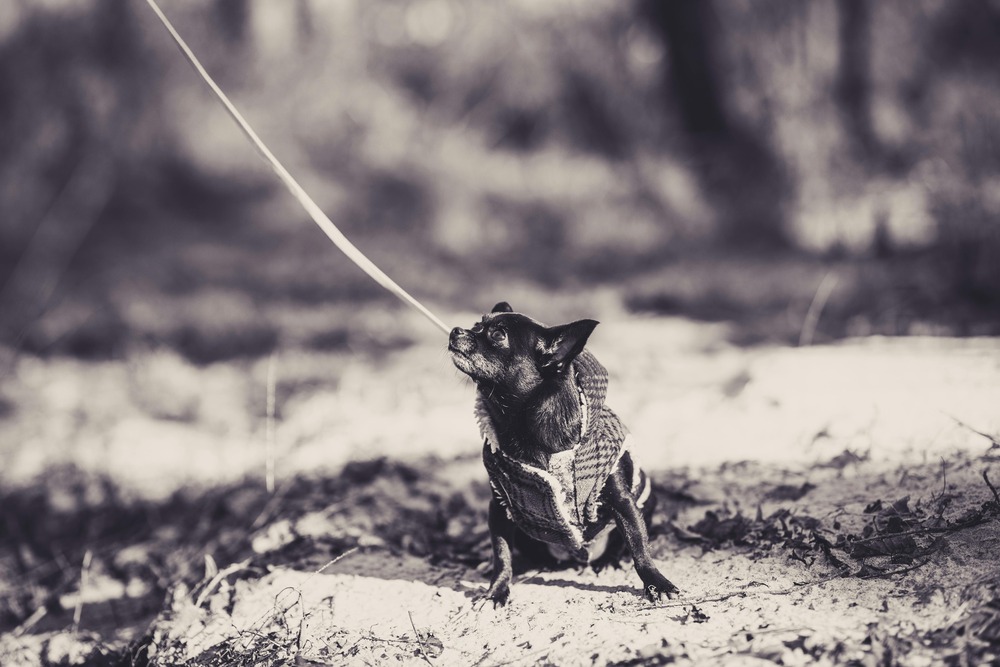
The short coat is one of the easier parts of life with a Treeing Feist. A weekly brush is usually enough to remove loose hair and keep the coat glossy. Bathing can be occasional, or as needed after a muddy adventure.
What tends to matter more than coat is the basic maintenance that working, active dogs rely on: nail length that does not affect gait, clean ears, and a quick check for grass seeds, ticks, and minor scrapes after bush time.
Feeding and body condition
Treeing Feists often carry themselves like athletes, and feeding them as if they are athletes can be a good mindset. That means choosing a complete and balanced diet appropriate for life stage, then adjusting amounts based on body condition, not on what is written on the bag alone.
The WSAVA Global Nutrition Guidelines encourage routine nutritional assessment and highlight the use of body condition scoring tools. In everyday terms, that translates to checking regularly whether your dog is carrying extra padding, or looking tucked and lean in a healthy way.9
Treats count for these bright, trainable dogs, because training can involve a lot of small rewards. It helps to set aside part of the daily ration for training, rather than adding extras on top.
Final thoughts
A Treeing Feist can be a delightful companion for the right household. They are typically small, sharp, and full of get-up-and-go, with a working history that still shows up in how they move through the world.1
If you enjoy training, spending time outdoors, and living with a dog that pays close attention to its environment, they can be a very natural fit. If you are hoping for a low-key lap dog who is content with minimal exercise, it is kinder to recognise that mismatch early and choose a breed or individual dog whose needs align more comfortably with your day-to-day life.
References
- United Kennel Club (UKC): Breed Standards, Treeing Feist
- United Kennel Club (UKC): About UKC Cur and Feist
- Wikipedia: Feist (dog breed)
- RSPCA Knowledgebase: Reward-based dog training recommendations
- RSPCA ACT: Puppy Basics Course (socialisation and positive exposure)
- Merck Veterinary Manual (Pet Owner Version): Hip dysplasia in dogs
- American College of Veterinary Surgeons (ACVS): Canine hip dysplasia overview
- Australian Pesticides and Veterinary Medicines Authority (APVMA): Ectoparasiticides labelling guidance, tick season checks
- WSAVA: Global Nutrition Guidelines (nutritional assessment and body condition scoring)