

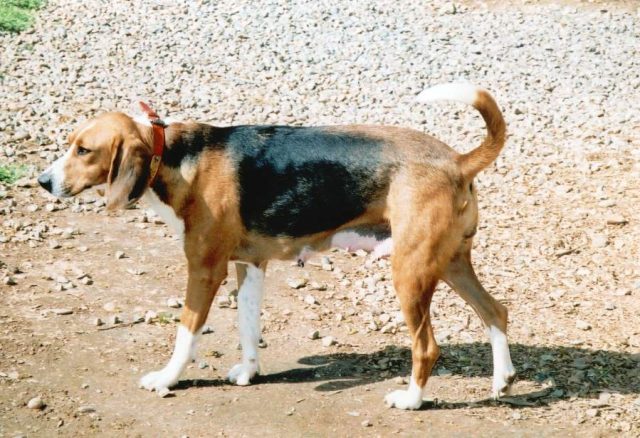
People often meet the Trigg Hound in a roundabout way. You might hear the name in hunting circles, see it mentioned as a “strain” of American Foxhound, or come across a lean, long-legged hound at an event and wonder why it looks a bit different to the foxhounds you already know.
It is tempting to treat the Trigg as just another label, but strains exist for a reason. Over generations, breeders selected for traits that mattered out in the paddocks and timber, like stamina on a long track, a workable voice, and the sort of nose that stays honest when the scent is thin.
For anyone considering one as a companion, that working background matters in day-to-day life. A Trigg may settle beautifully at home, but only when its need to move, sniff, and problem-solve is taken seriously.
- Breed category: Hound (American Foxhound strain)
- Country of origin: United States
- Typical height: About 51 to 61 cm at the withers (varies by sex and line)
- Typical weight: Often about 16 to 25 kg (varies by sex and conditioning)
- Coat: Short, dense
- Shedding: Moderate
- Energy level: Very high
- Best suited to: Active homes, people who enjoy training and outdoor time, and households that can manage scent-driven behaviour
Where the Trigg Hound came from
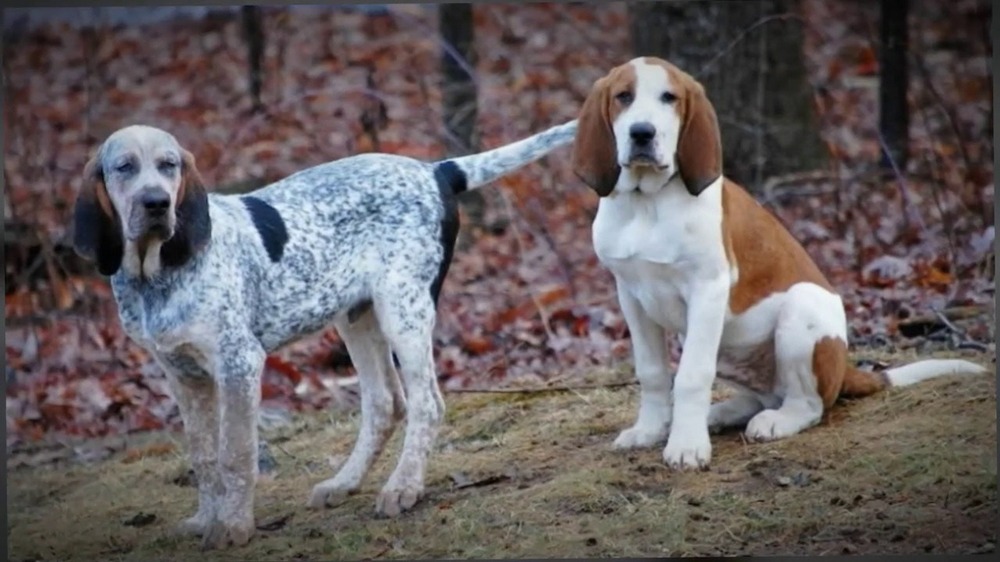
The Trigg Hound is generally described as a distinct strain of American Foxhound, developed in Kentucky in the 1800s by Colonel Haiden C. Trigg, with the aim of producing a faster, hardier hunting hound suited to local conditions.1
In practice, “strain” is not a casual term. It reflects purposeful selection, usually by people who need consistent performance across a pack. That selection tends to shape not only how a dog looks, but how it works, like how readily it ranges, how it uses its voice, and how it handles pressure on a long day.
If you are looking at a Trigg today, it helps to remember the breed’s story is tied to function first. The dog in front of you may be living as a pet, but its instincts have been shaped by generations of field expectations.1
Temperament in everyday life
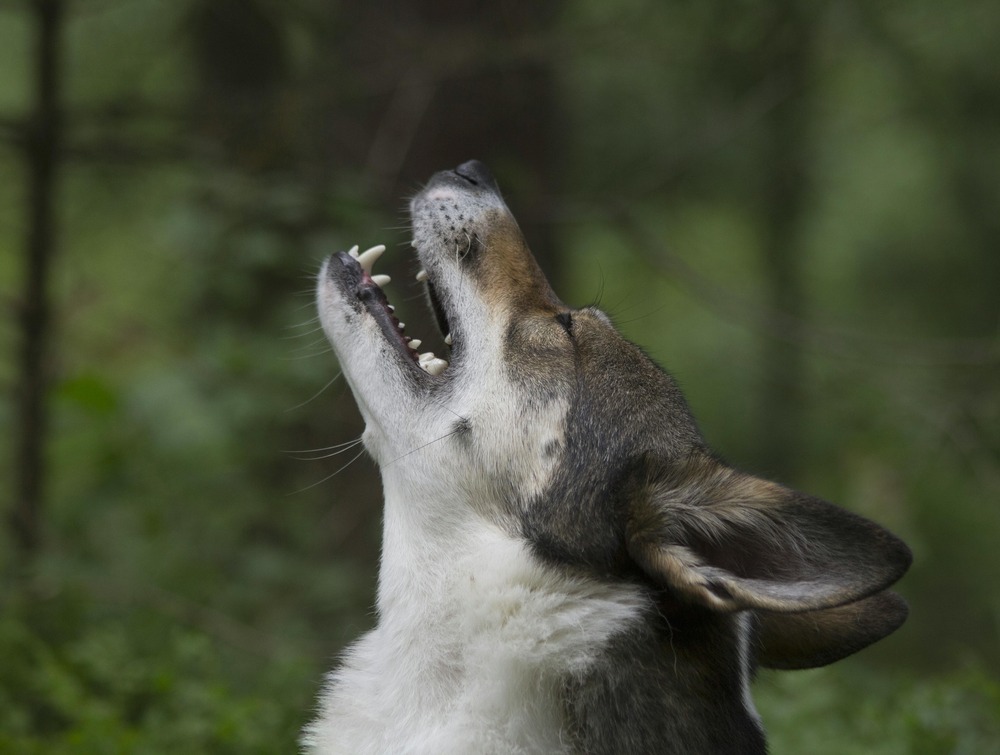
Many Trigg Hounds come across as friendly and social, especially with other dogs. They are often comfortable as part of a group, which makes sense for an animal developed to work in company. In the home, that can translate into a dog that enjoys routine, companionship, and being included in daily movement.
At the same time, hounds are built to make decisions with their nose out front. A Trigg may not be “stubborn” so much as motivated by scent. If something smells worth following, it can outweigh your recall cue unless you have practised it carefully and realistically.
With children, the usual rules apply: match the dog’s energy to the household, supervise interactions, and teach kids how to read canine body language and give space. A high-energy hound can be a lovely family dog, but it needs thoughtful management rather than wishful thinking.
Training that works for a scent hound
Training a Trigg tends to go best when you treat it as a clever dog with strong priorities, not as a robot. Reward-based training is widely recommended because it builds cooperation and keeps sessions enjoyable, which matters for dogs that can otherwise switch off when they decide the job is pointless.5
Keep sessions short, finish while the dog is still engaged, and practise in stages. For recall in particular, start in low-distraction areas, then gradually add distance, movement, and finally scent-rich environments. A long line can be a calm, practical bridge between training and real life.
Socialisation also benefits from a steady approach. Puppies do not need to meet everything at once, but they do benefit from gentle exposure to surfaces, noises, people, and calm dogs. The RSPCA notes a key socialisation window in puppies, which is one reason early, well-managed experiences matter.5
Exercise and enrichment, meeting the real need
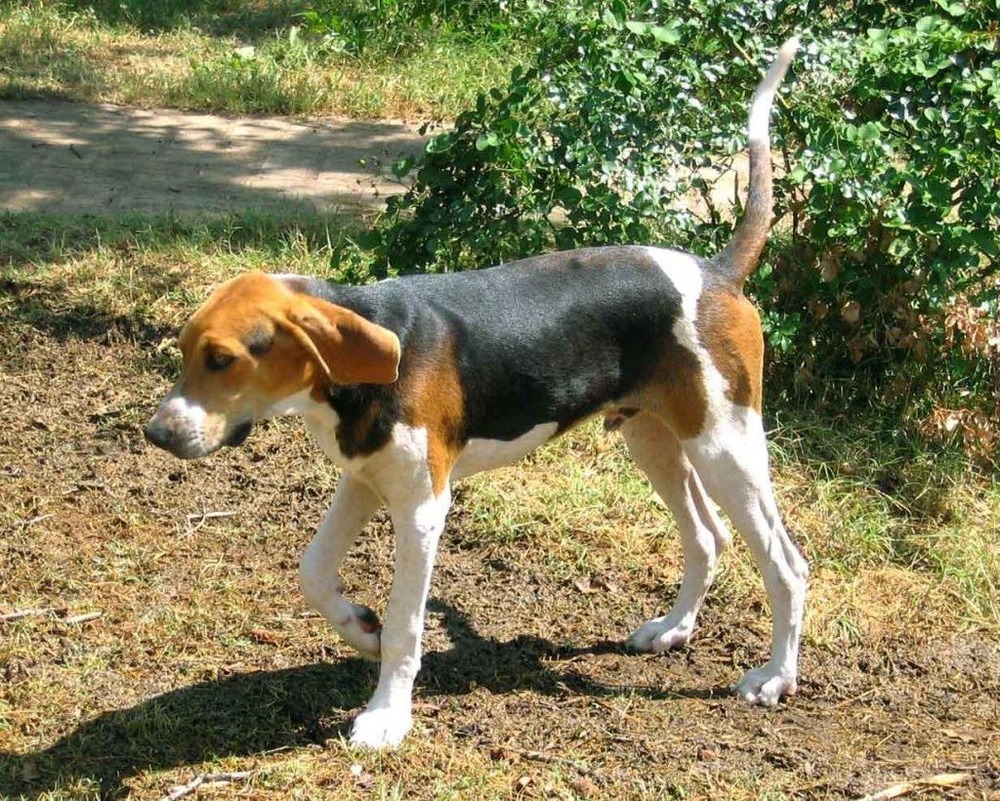
Most Trigg Hounds need more than a quick lap of the block. They usually do best with daily aerobic exercise plus time to sniff and explore. Sniffing is not a bonus feature for a scenthound, it is core regulation and mental work.3
In practical terms, that might look like:
- long, varied walks with time for sniffing
- safe off-lead running in secure areas (or long-line hikes)
- scent games at home, like scatter feeding in grass or simple hide-and-seek with treats
- basic agility-style obstacles for body awareness, kept sensible and safe
For puppies and adolescents, avoid “forced” endurance exercise. The RSPCA advises introducing exercise gradually and watching for fatigue, especially in young growing dogs.3
Health patterns to be aware of
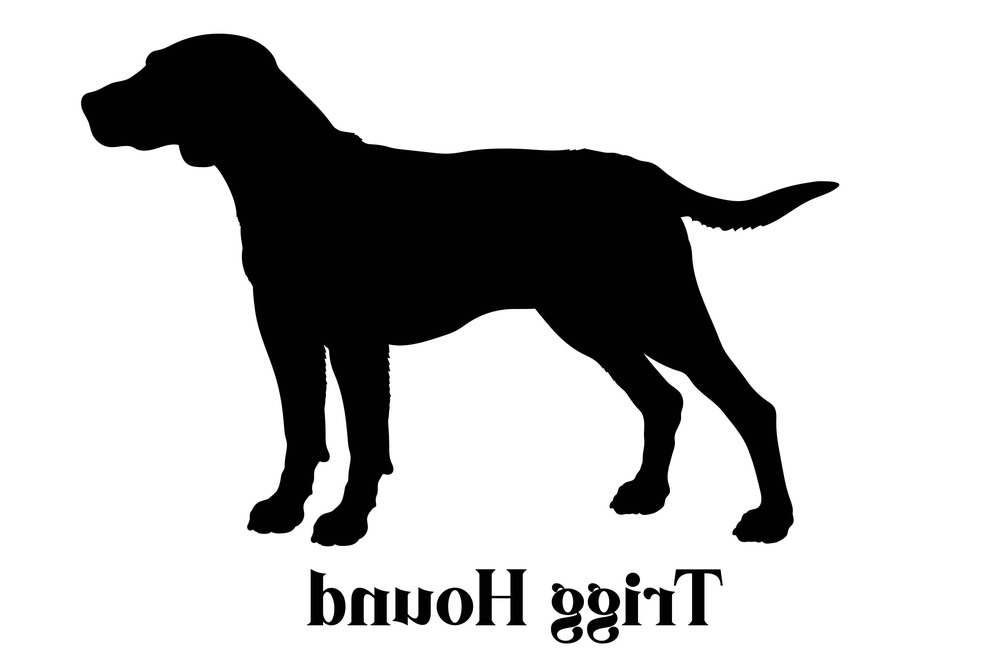
Any individual dog can have health issues, and strains vary by line, but a few themes come up repeatedly in active, medium-to-large hounds.
Hips and orthopaedic soundness
Hip dysplasia is a well-known hereditary and developmental problem across many breeds. If you are buying a puppy, ask what screening the parents have had and whether results are recorded with a recognised program. The Orthopedic Foundation for Animals outlines its role in reducing genetic disease through health information and screening databases, which can support more informed breeding decisions.6
Ears and recurrent infections
Long, floppy ears can increase risk for otitis externa because conformation can reduce airflow and trap moisture. The Merck Veterinary Manual notes ear conformation (including pendulous pinnae) as a predisposing factor for otitis externa in dogs.7
If your Trigg starts shaking its head, scratching, or develops odour or discharge, it is worth getting a vet check rather than guessing. Ear disease is often treatable, but it can become chronic if the underlying cause is not addressed.7
Grooming and day-to-day care
The Trigg’s short coat is usually straightforward. A weekly brush helps lift dead hair, spreads skin oils, and gives you a chance to check for ticks, grass seeds, and minor scrapes after outdoor time.
Keep nails at a comfortable length, and pay attention to ears. “Cleaning” does not need to be constant, and over-cleaning can irritate the canal. A better routine is regular checks and drying after swimming or wet weather, and prompt veterinary advice if you see redness, discharge, or the dog is uncomfortable.7
Feeding for a lean, working body
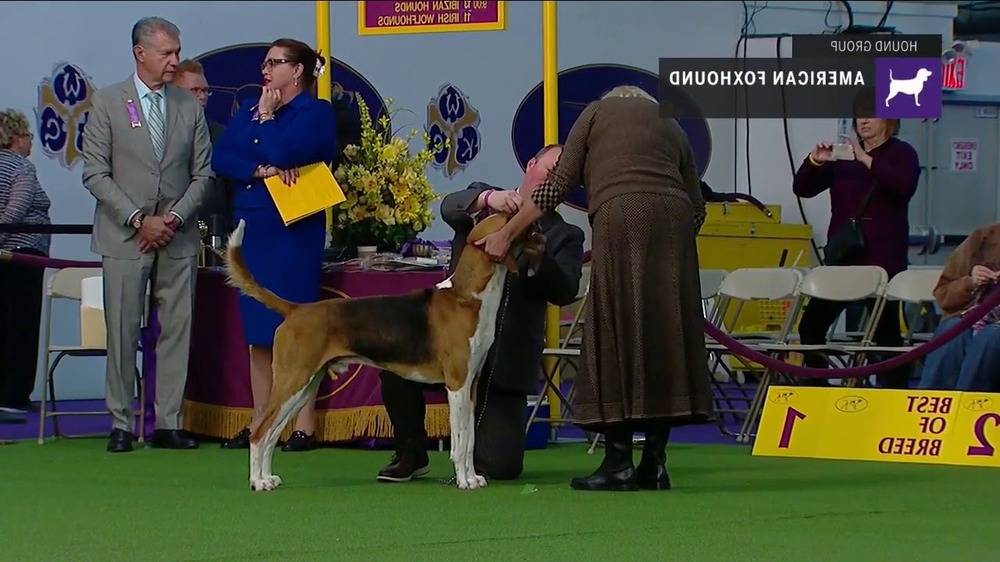
Trigg Hounds often look naturally athletic, and that can be a helpful reminder that “healthy” is not the same as “well-fed”. Aim for a body condition that stays lean and mobile. If you are unsure, your vet can score body condition and help you adjust portions over time.
When choosing a diet, it is easy to get caught in marketing and ingredient-list debates. The World Small Animal Veterinary Association (WSAVA) Global Nutrition Guidelines and tools encourage owners to focus on an overall, evidence-based nutritional plan and to seek support from the veterinary team when selecting foods, rather than relying on simplistic label impressions.8, 9
If you are considering a raw diet, read broadly and discuss it with your vet. WSAVA also provides material on potential risks associated with raw meat based diets, which is particularly relevant in households with children or immunocompromised people.10
Is the Trigg Hound a good match for you?
A Trigg Hound can be a wonderful companion for the right home, especially for people who enjoy being outside and who appreciate a dog that experiences the world through scent. The key is not finding a dog that will “fit in” without effort, but choosing a dog whose needs you can meet without resentment.
If you like the idea of long walks, patient training, and a dog that keeps you honest about routine, a Trigg may suit you well. If you need a low-exercise dog or you live with limited access to secure outdoor areas, it may be kinder to admire this hound from a distance.
References
- Wikipedia: American Foxhound (includes section on the Trigg Hound strain)
- American Kennel Club: American Foxhound breed information
- RSPCA Pet Insurance: Tips for exercising your dog
- RSPCA Knowledgebase: How should I exercise my puppy?
- RSPCA Pet Insurance: Essential dog care information (training and socialisation)
- Orthopedic Foundation for Animals (OFA): About and mission
- Merck Veterinary Manual: Otitis externa in animals
- WSAVA: Global Nutrition Guidelines
- WSAVA: Global Nutrition Guidelines (executive summary and toolkit overview)
- WSAVA Global Nutrition Toolkit: Raw meat based diets for pets (PDF)