

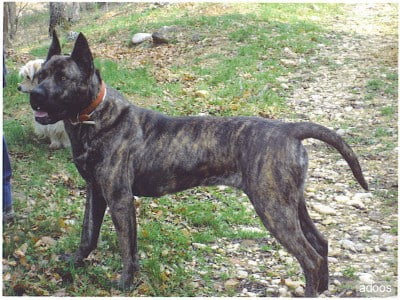
You might come across the name Villanuco de Las Encartaciones after seeing it in a local Spanish context, a rare-breed list, or a photo of a small dog that looks a bit like a terrier but is described as something else entirely. That mix of familiarity and mystery is part of what makes the Villanuco interesting.
Many people assume the label “hunting dog” automatically means a big, tough animal built for distance and drama. In reality, plenty of traditional working dogs were small, quick, and practical, shaped by the everyday needs of farms, villages, and outbuildings. The Villanuco sits in that quieter category: a local dog with a job, and a history that is easy to overlook unless you know where to look.
Because the breed is rare and not widely recognised outside its home region, information can be patchy. It helps to focus on what is well-supported: where it comes from, what it was used for, and what those instincts can look like in a modern home.
At a glance: Villanuco de Las Encartaciones
Origin: Las Encartaciones (Enkarterri), Bizkaia, Basque Autonomous Community, Spain.1
Traditional type: A small dog used for ratting (vermin control), also kept as an alert companion and watchdog in its home area.1
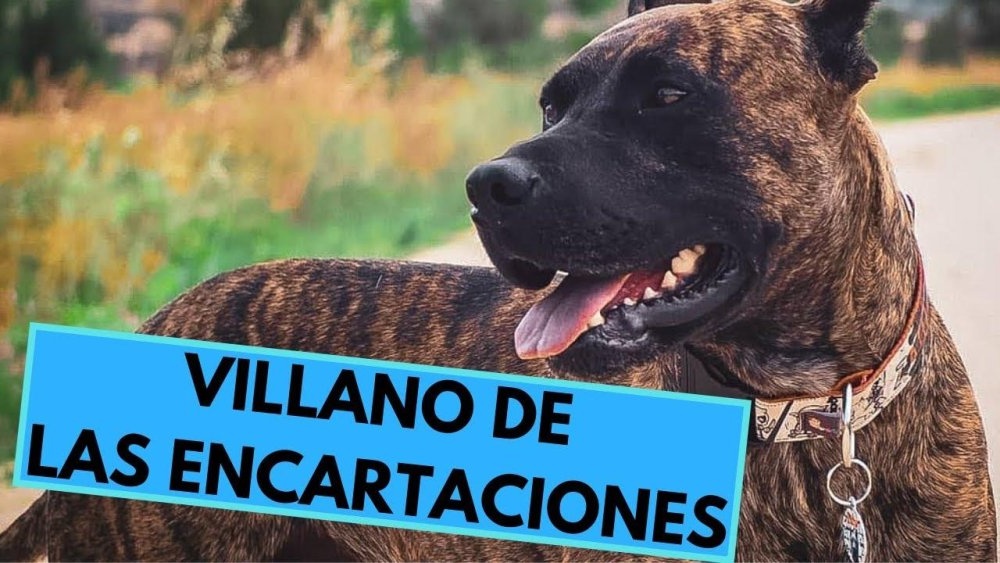
Why it can be confusing: The name resembles Villano de Las Encartaciones, which is a different breed entirely (a large working dog). The Villanuco is the smaller, ratter-type dog.1, 2
Rarity: Reported as critically endangered in the late 2000s, with very small numbers recorded at that time.1, 3
Origins and regional history

The Villanuco originates in Las Encartaciones, a comarca in Bizkaia in northern Spain, within the Basque Autonomous Community.1 It is often discussed as one of several Basque dog breeds, which matters because it frames the Villanuco as a regional working animal, not a modern “designer” creation.
In the sources that do exist, the Villanuco is described primarily as a ratter-type dog. That is, a small dog traditionally kept to control vermin around homes and farm buildings, and to raise the alarm when strangers approached.1 In practice, those two roles overlap. A dog that pays close attention to movement and sound indoors also tends to notice what changes outside.
There are also references to Basque breeds being recognised as traditional breeds by government decree in 2001, across multiple breed summaries.3, 4 That does not necessarily mean international kennel club recognition, but it does support the idea that these dogs are part of a local heritage rather than a recent invention.
What the Villanuco is like, and what that suggests day to day
Accounts of the Villanuco’s appearance describe a small dog with a short coat and common colour patterns including black and tan (along with other combinations).1 As with many rare regional breeds, you may see variation depending on local lines and how strictly people have been breeding to a written standard.
Temperament descriptions tend to circle around being lively and alert, which fits a dog developed to notice small, fast movement and to respond quickly.1 In a home, that can be wonderful if you enjoy an engaged little dog who is keen to interact. It can also mean you will want to be thoughtful about barking habits and environmental triggers, particularly in busy neighbourhoods.
It is tempting to map human motives onto “watchdog” behaviour, but it is usually simpler than that. Dogs that have been kept for alertness often respond to novelty and movement, and they repeat behaviours that work, including vocalising when something changes. The household’s routines, reinforcement, and management matter a lot.
Training and exercise, with a focus on practical habits
With a bright, quick dog, training is usually less about “teaching tricks” and more about building predictable patterns that help them settle. The most useful early goals are often simple: a reliable recall in safe areas, calm greetings, and comfort with handling (ears, paws, mouth) so routine care is not a wrestling match.
Reward-based training is widely recommended by Australian animal welfare organisations, partly because it is effective, and partly because aversive methods can create fallout such as stress, avoidance, or defensive responses in some dogs.5, 6 For a small, alert dog, this matters. The training approach should help them feel safe while still giving clear boundaries.
If you are trying to meet exercise needs without winding your dog up, it helps to mix physical movement with “brain work”. A short sniffy walk, a bit of searching for scattered food in grass, or a simple puzzle feeder often does more than endlessly throwing a toy. For ratting-type dogs, scent games and seeking can be particularly satisfying, because they fit the original job description.1
- Keep sessions short, end while the dog is still engaged.
- Reward calm choices, not only high-energy ones.
- Use management (baby gates, leads, covered windows) while you teach new habits.
Health and everyday care
It is hard to make strong breed-specific health claims for rare dogs because there is often limited published data. A sensible approach is to assume the same basics apply as for other small, active dogs: maintain a healthy body condition, keep dental care on the radar, and discuss preventive screening with your vet based on the individual dog, not only the breed label.
Grooming is likely to be straightforward for a short-coated dog, but do not underestimate how much health monitoring happens during routine care. Regular brushing and handling checks are a quiet way to spot skin changes, parasites, sore ears, or weight shifts early.
Weather sensitivity is also individual. Short-coated, lean dogs can feel the cold more than people expect, especially when they are older, small, or wet. If your dog is shivering, reluctant to move, or trying to burrow for warmth, it can be worth adding warmth through bedding and appropriate clothing, while keeping an eye out for overheating indoors.7
On the other side of the weather spectrum, hot days need common-sense adjustments: shade, water, and gentler exercise in cooler parts of the day. Australian state guidance also emphasises the risk of heat stress and the danger of leaving animals in cars, even briefly.8, 9
Recognition and rarity, without the drama
When people ask whether the Villanuco is “recognised”, they often mean by major international kennel bodies. The Villanuco is not commonly seen in mainstream kennel club contexts outside Spain, and it is better to treat it as a rare regional landrace-type breed with limited formal infrastructure around it, rather than expecting the same documentation you might get with more global breeds.1
Rarity can be appealing, but it comes with practical consequences. Finding reliable information, consistent breed type, and ethical breeding practices can be difficult when numbers are low. If you ever do meet a Villanuco or a Villanuco-type dog, the best guide is the individual in front of you: their confidence, sociability, recovery after stress, and how they respond to reward-based learning.
Final thoughts
The Villanuco de Las Encartaciones makes the most sense when you picture the setting that shaped it: a small, capable dog kept for usefulness, awareness, and quickness around home and farm buildings. Seen that way, the “energy” is not a personality quirk so much as a working inheritance.
If you are drawn to that kind of dog, the practical work is less about chasing an ideal breed profile and more about meeting real needs: consistent reward-based training, outlets for sniffing and seeking, and everyday care that keeps a small, active body comfortable across the seasons.5, 8, 9
References
- Wikipedia: Villanuco de Las Encartaciones
- Wikipedia: Villano de Las Encartaciones
- Wikipedia: Erbi Txakur
- Europa Press: La Real Sociedad Canina alerta de que casi el 74% de las razas españolas están en serio peligro de desaparición (27 January 2026)
- RSPCA Australia Knowledgebase: Is it important to train my dog? What sort of training would you recommend?
- RSPCA Australia Knowledgebase: What is reward-based dog training and why does the RSPCA support it?
- The Guardian: Does your dog really need a jacket in the Australian winter? (20 July 2024)
- Agriculture Victoria: Caring for animals during extreme heat
- Agriculture Victoria: Heat and pets