

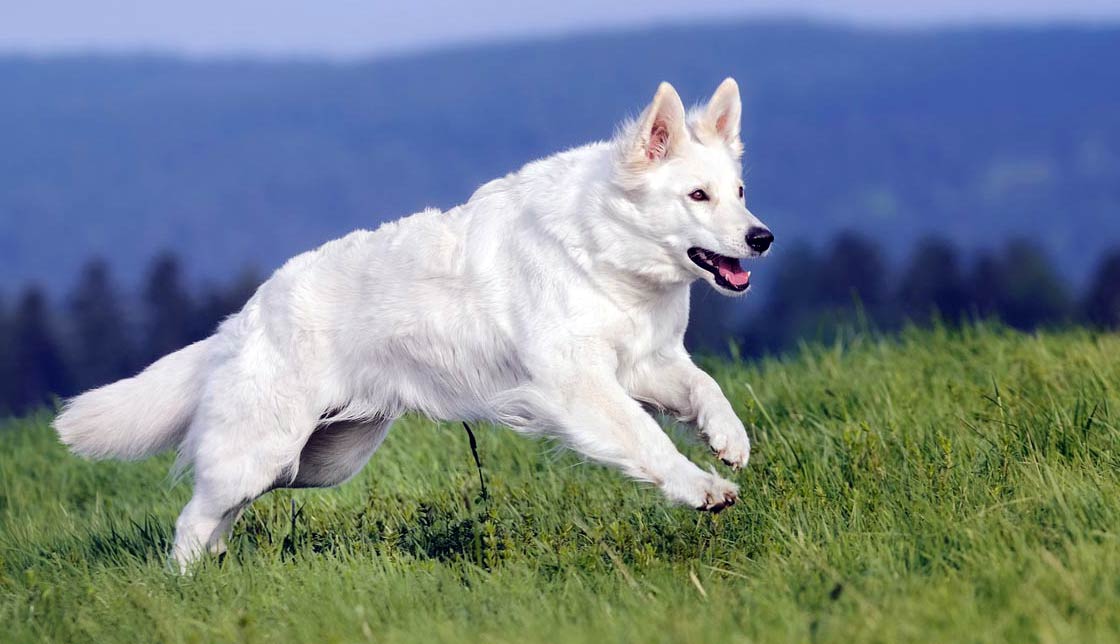
People often first notice a White Swiss Shepherd Dog because of the coat. That bright white double coat can look almost unreal in the right light, and it tends to invite questions: is it a German Shepherd, is it a cross, or is it its own breed?
Once you spend a little time around one, the conversation usually shifts from colour to temperament and day to day reality. These are clever, watchful dogs with a strong need to be included. When their needs are met, they can be steady companions. When they are under-exercised or under-stimulated, they can become restless and busy in ways that take people by surprise.
So the practical question is not whether the White Swiss Shepherd Dog is a “good dog”. It is whether your household can offer the combination of training, exercise, and calm routine that helps this herding breed type settle well.
- Breed category: Herding (sheepdog type)
- Country of origin: Switzerland
- Typical height: males 60 to 66 cm, females 55 to 61 cm (at the withers)
- Typical weight: males about 30 to 40 kg, females about 25 to 35 kg
- Typical lifespan: around 12 to 14 years
- Coat: double coat, straight and dense, medium or long
- Colour: white
- Grooming: moderate, regular brushing, seasonal shedding can be heavy
- Exercise needs: high, daily movement plus mental work
Where the White Swiss Shepherd Dog comes from
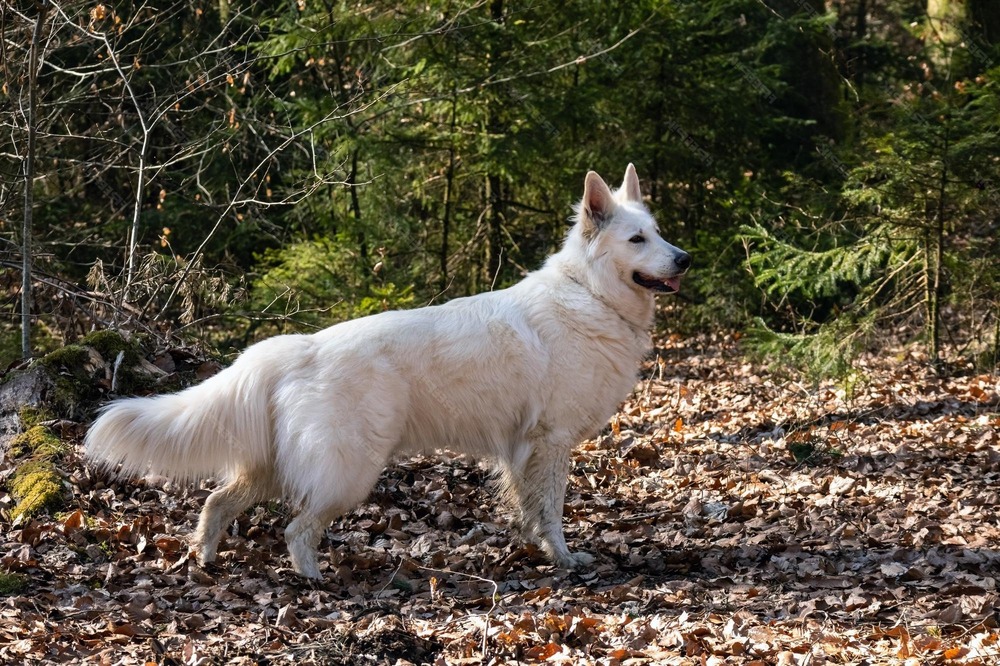
The breed is recognised internationally as the White Swiss Shepherd Dog, also known by the French name Berger Blanc Suisse. It is classified by the Federation Cynologique Internationale (FCI) in Group 1 (sheepdogs and cattle dogs, except Swiss cattle dogs), with Switzerland listed as the country of origin.1
It shares historical roots with German Shepherd Dogs, particularly lines where a white coat occurred. Over time, white coated dogs became less welcome in some registries, while enthusiasts elsewhere continued breeding them. Dogs of this type were later imported into Switzerland and developed into the modern White Swiss Shepherd Dog, with formal FCI recognition occurring in stages (provisional recognition in 2002 and definitive recognition in 2011).1, 2
In everyday terms, it helps to think of the White Swiss Shepherd as a shepherd dog in both shape and mindset, built to move, observe, and work closely with people. The coat colour is striking, but it is not the main story.
Temperament, behaviour, and what people often misunderstand
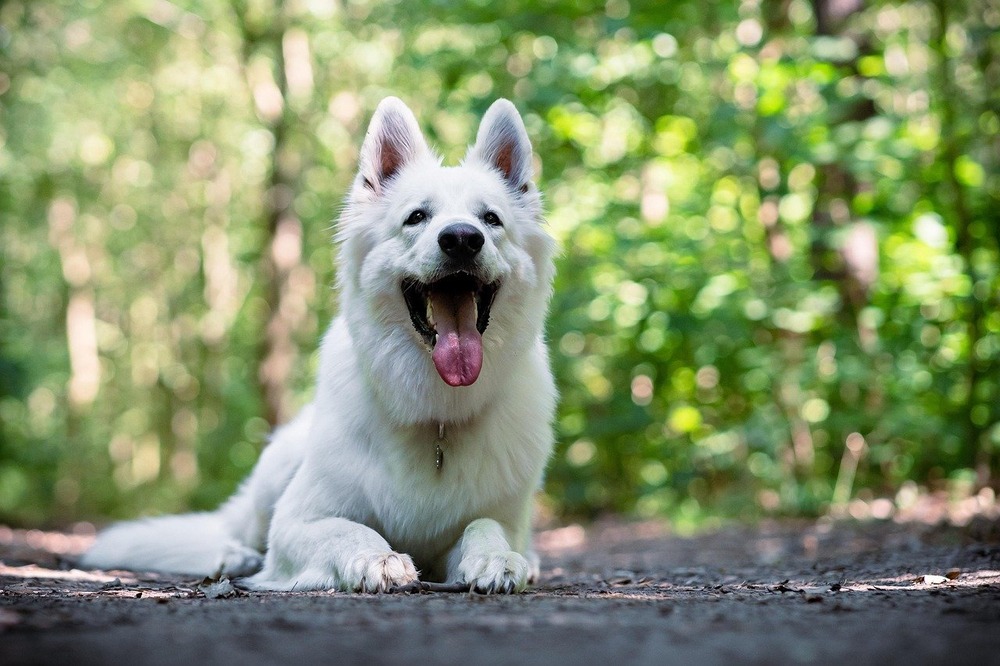
Many people expect a white shepherd to behave like a laid-back “fluffy family dog”. Some individuals are naturally easygoing, but the broader pattern is a dog with high social awareness and a strong appetite for learning.
This breed type often bonds closely with its household and can be sensitive to changes in routine, tone, and environment. That sensitivity is not “naughtiness”. It is part of what makes shepherd dogs so responsive, and it is also why heavy-handed training methods can backfire.
If you are choosing a dog based on lifestyle fit, it helps to be honest about time and energy. Herding dog types are commonly described as intelligent and trainable, but they also tend to need more mental and physical stimulation than many first-time owners expect.3
In families, they can do very well with children when the dog is well socialised and the kids are supported to interact respectfully. With other pets, outcomes vary by the individual dog, the other animal, and the introductions. The consistent theme is that early, thoughtful socialisation makes life easier later.
Training that suits the breed
Because White Swiss Shepherds are quick to notice patterns, training tends to work best when it is clear, calm, and consistent. Aim for reward-based training that teaches the dog what to do, rather than focusing on what not to do.4
The RSPCA’s guidance is to avoid punishment or aversive equipment (such as shock devices, prong collars, or choke chains) and to choose classes and trainers who use positive reinforcement methods. The reasoning is practical as well as welfare-based: aversive approaches can increase risk, damage trust, and contribute to ongoing behaviour problems.5
Useful training priorities for this breed tend to be:
- Relaxation skills, settling on a mat, staying calm when guests arrive.
- Loose-lead walking and polite greetings (four paws on the floor).
- Recall training that is built gradually, with safe management along the way.
- Confidence building socialisation, done gently and at the dog’s pace.
If you are seeing anxiety, reactivity, or persistent over-arousal, it is worth involving your vet and a qualified trainer early. With shepherd dogs, small issues can become habits if they are rehearsed for months.
Exercise and enrichment that actually helps
“More exercise” is not always the full answer. These dogs do need daily physical activity, but they also need the sort of enrichment that lets the brain switch on and then switch off again.
A balanced week often includes a mix of:
- brisk walks and opportunities to sniff
- short, focused training sessions (five minutes can be plenty)
- retrieving and tug with clear rules
- food puzzles and scatter feeding in the yard
- a dog sport pathway (obedience, rally, tracking, agility) if that appeals
It is also worth planning for hot weather. A thick coated dog can overheat quickly if exercised at the wrong time of day. The RSPCA recommends walking in the early morning or evening during hot periods, avoiding hot surfaces, and never leaving a dog in a car. If heatstroke is suspected, start cooling with tepid or cool water and seek veterinary attention promptly.6
Health and lifespan, with a focus on joints
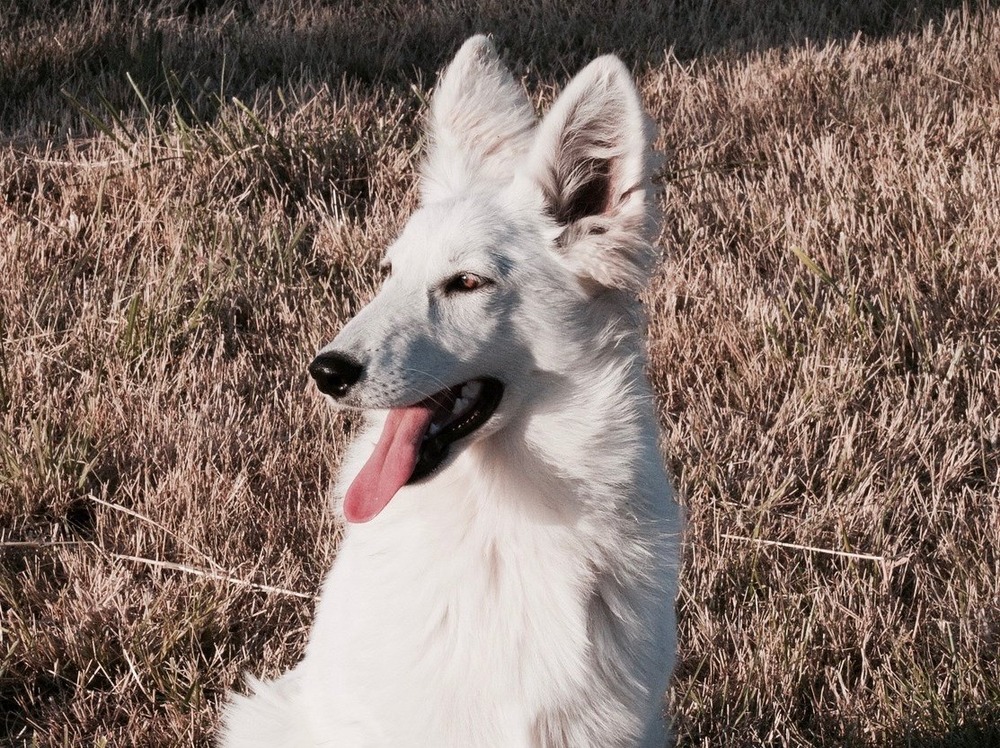
White Swiss Shepherd Dogs are often described as generally healthy, with a commonly cited lifespan around 12 to 14 years. As with many medium to large shepherd dogs, hip and elbow dysplasia are recurring concerns in breed discussions, which is why reputable breeders screen and select carefully.
From an owner’s perspective, two things matter as much as genetics:
- keeping a lean body condition, which reduces stress on joints
- building fitness gradually, especially in adolescence, rather than pushing hard exercise too early
If you are buying a puppy, ask for evidence of health testing relevant to the parents, and ask what the breeder does to support sound development (including early handling and appropriate social exposure). If you are adopting an adult, your vet can help you assess joint health and plan appropriate conditioning.
Coat care, shedding, and skin basics
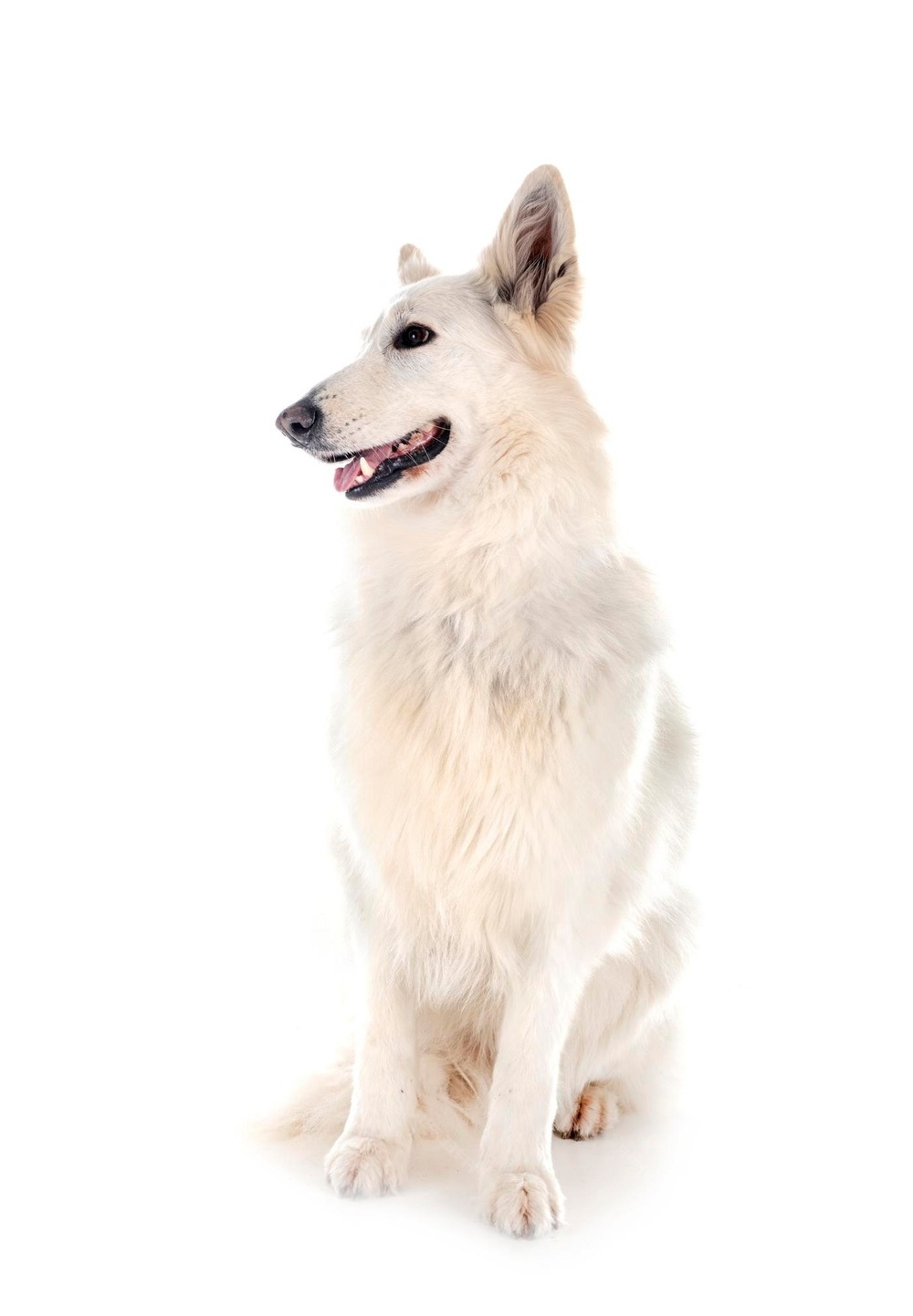
The coat is usually a double coat that can be medium length or long, and it sheds. A lot. The practical reality is that you will likely see heavier shedding seasonally, with a steady background level the rest of the time.
A sensible routine is regular brushing (often a couple of times a week, more during coat blows), plus occasional baths when needed. Brushing is not just about appearance. It helps remove dead undercoat, reduces matting, and gives you a chance to notice skin irritation, hotspots, or parasites early.
White coats can also make sun exposure more relevant for some dogs, particularly if there is pink skin on the nose or ear edges. Shade, timing walks, and seeking veterinary advice about safe options can help in high-UV conditions.
Feeding, growth, and keeping treats sensible
Most White Swiss Shepherd Dogs do best on a complete and balanced diet appropriate for their life stage, with portions adjusted to keep them lean. If your dog is on the soft side of “healthy”, it is worth reviewing the whole week, not just dinner, because extras add up quickly.
A widely used guideline from veterinary nutrition sources is to keep treats and extras to no more than 10 percent of daily calories, with the majority coming from a complete diet.7
If you are considering a home-prepared diet, do it with professional guidance. Large, active dogs can develop issues if key nutrients are out of balance, especially during growth.
Is the White Swiss Shepherd Dog right for you?
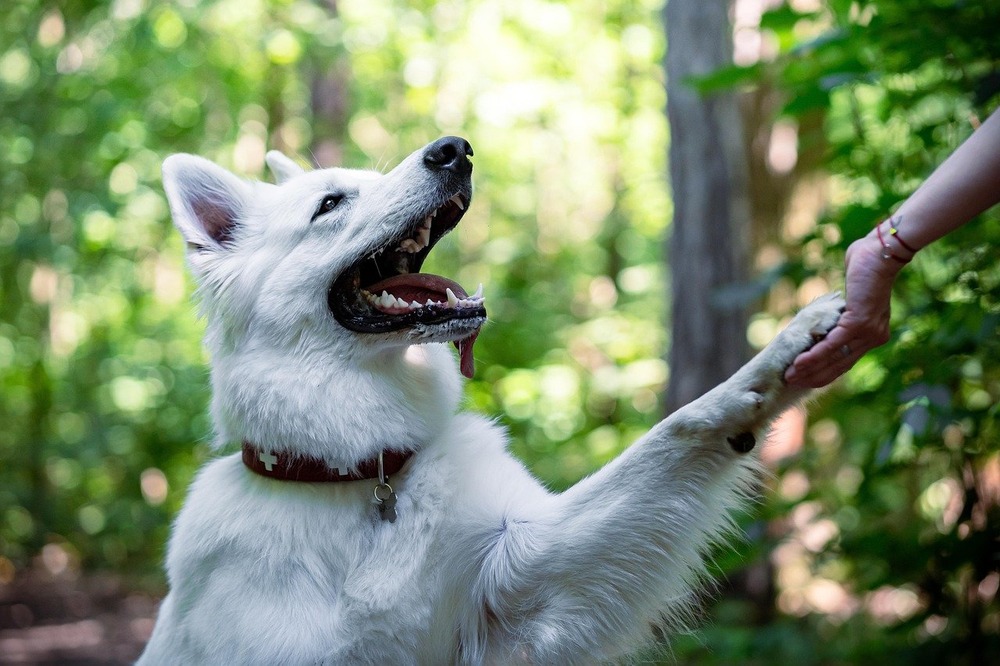
This breed tends to suit people who genuinely enjoy training, daily movement, and having a dog that wants to be involved. They often thrive where there is structure, company, and meaningful activity.
They can be a harder fit when a household is away for long hours most days, or when people want a dog that is content with a quick stroll and then being left to their own devices. That is not a criticism of the dog or the owner. It is simply the reality of living with a clever herding breed type.
If you are uncertain, spend time with adult dogs, not just puppies, and talk with breeders, shelters, and trainers about what daily life looks like. The right match tends to feel calmer, not more complicated.
References
- FCI breed nomenclature: Berger Blanc Suisse (White Swiss Shepherd Dog), No. 347
- Society of the White Shepherd Dog Switzerland (GWS): Breed information and FCI recognition notes
- RSPCA Pet Insurance: Considerations when choosing a dog
- RSPCA Knowledgebase: Reward-based dog training and why the RSPCA supports it
- RSPCA Knowledgebase: Training recommendations and avoiding aversive methods
- RSPCA Australia: Keeping your pet safe during heat
- UC Davis School of Veterinary Medicine: Treat guidelines for dogs (10 percent rule)