

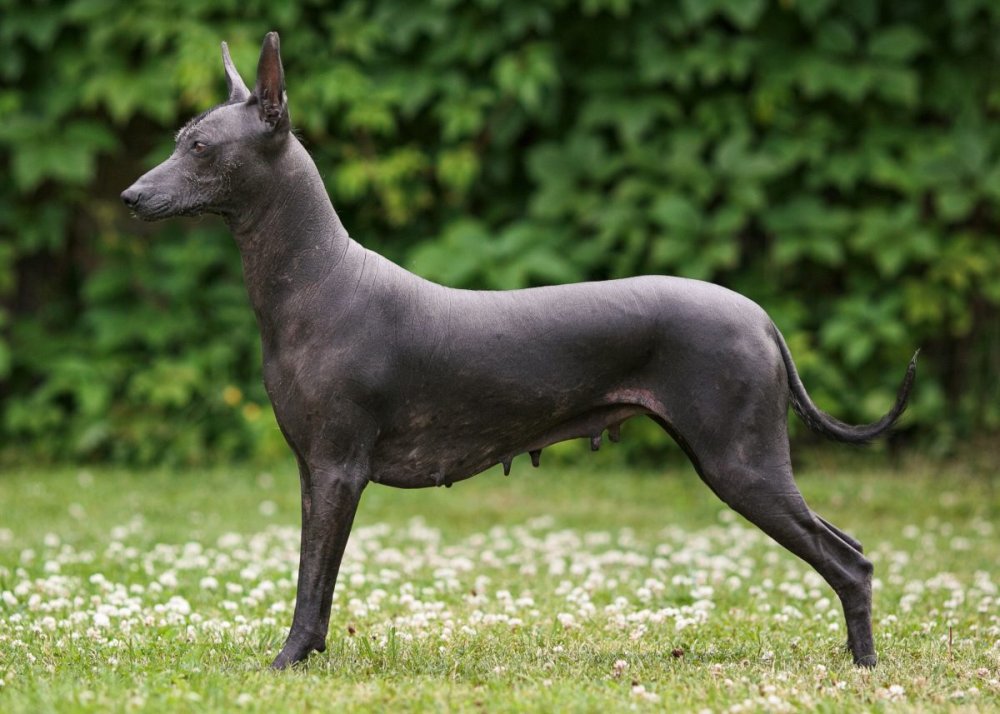
People often first notice a Xoloitzcuintle because of the skin. Maybe you have met one at the dog park, maybe you have seen “Dante” in Coco, or maybe you are simply trying to work out whether a hairless dog is really low maintenance, or just different maintenance.
The truth is that the Xolo (pronounced show-low) can be wonderfully straightforward to live with, but it helps to reset a couple of assumptions. Hairless does not mean “no grooming”, and “ancient breed” does not automatically mean “difficult”. What tends to matter most is thoughtful socialisation, steady routines, and a willingness to protect their skin and teeth as carefully as you would protect a coat on a more typical dog.
Get those practical pieces right and you often end up with a calm, observant companion who fits neatly into modern life, while still carrying a long thread of cultural history behind them.
- Breed category: Companion, primitive
- Country of origin: Mexico
- Common sizes: Toy, miniature, standard
- Coat types: Hairless or short-coated
- Typical height (standard): about 46 to 60 cm
- Typical weight (standard): about 9 to 18 kg
- Life expectancy: around 12 to 15 years
- Exercise needs: Moderate, daily walks plus play
- Shedding: Minimal (especially hairless)
- Often noted health areas: Skin care, dental care
History and cultural significance
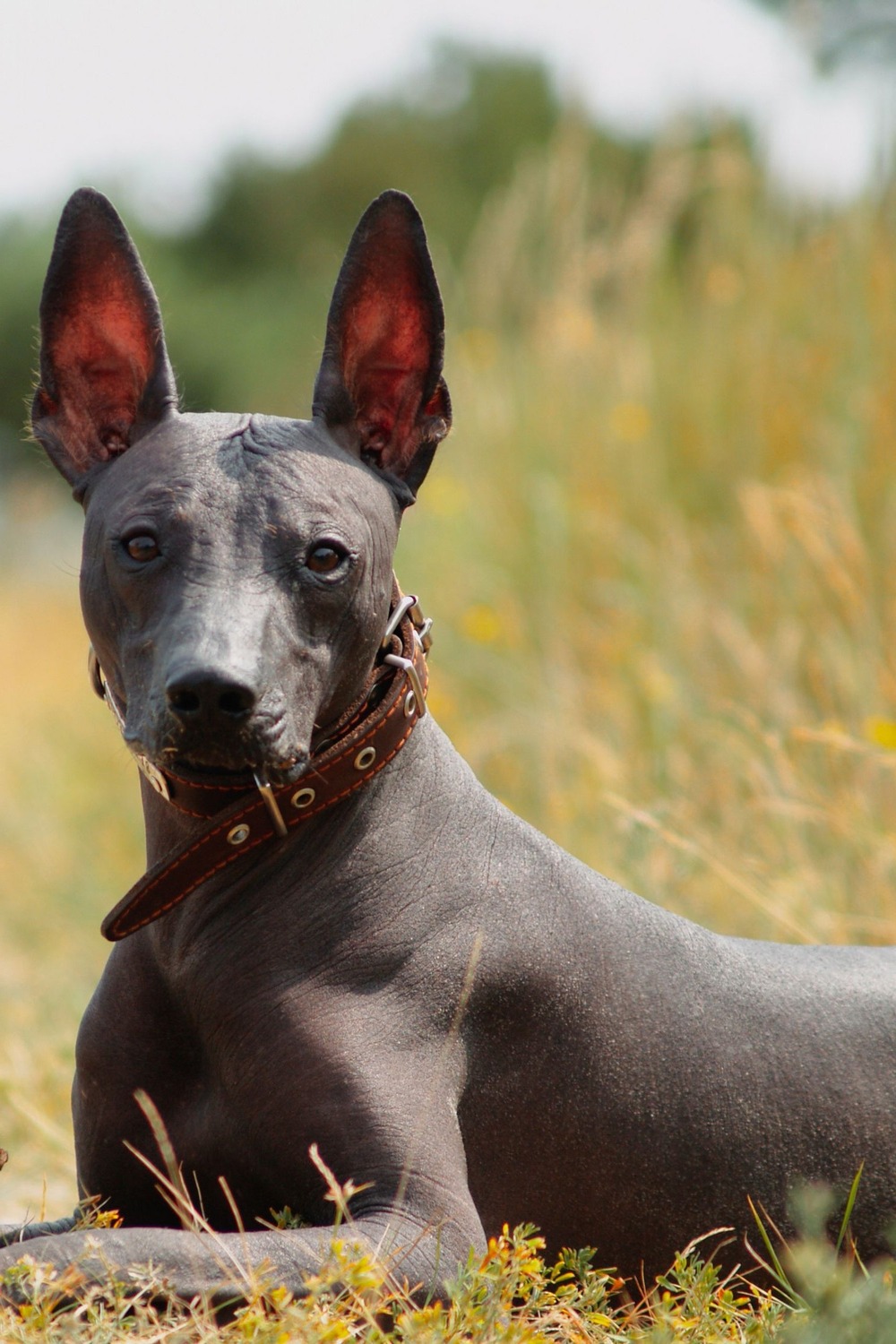
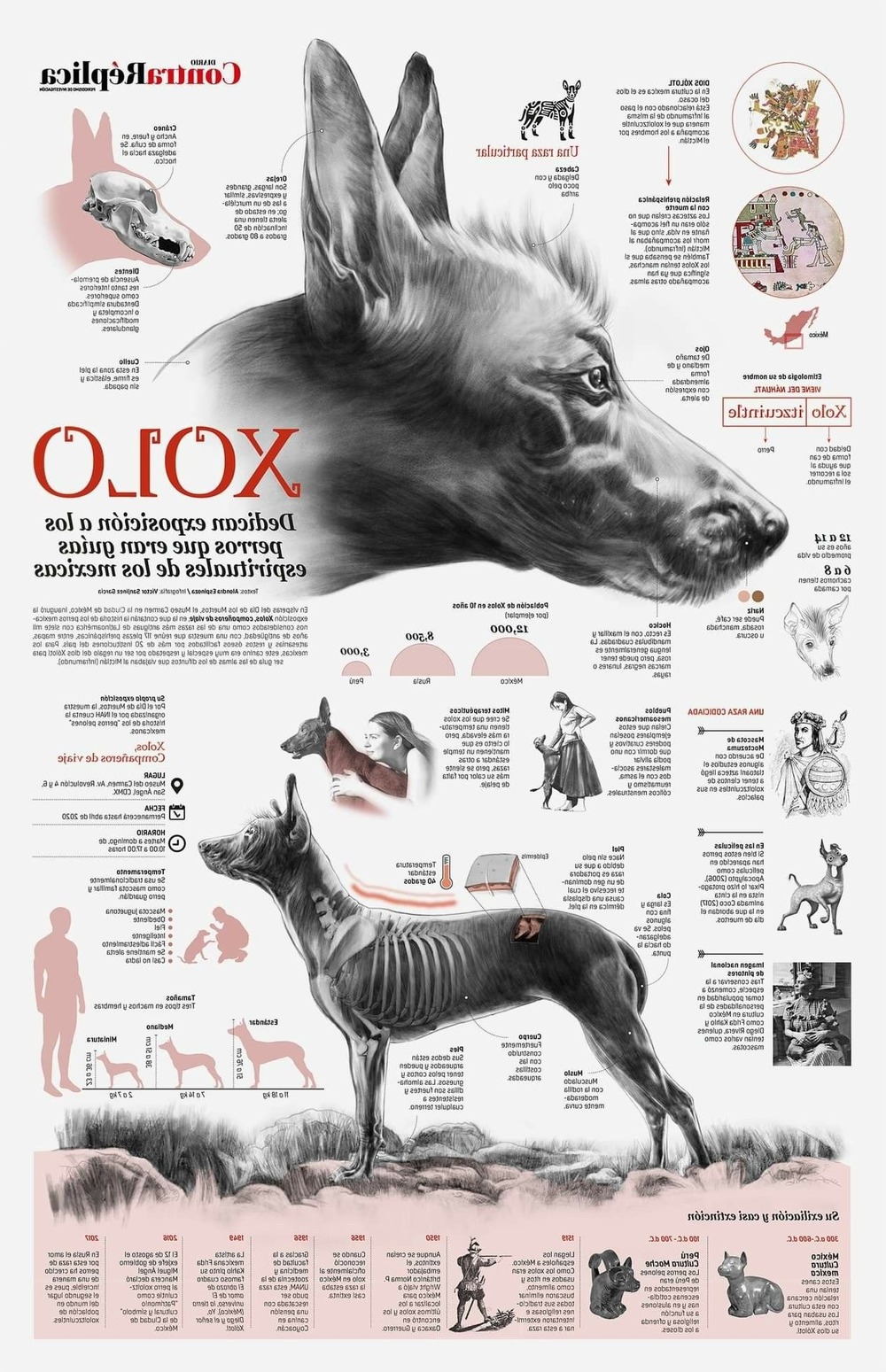
The Xoloitzcuintle is one of the dog breeds most closely associated with Mexico’s pre-Columbian cultures. Archaeological evidence shows dog figures that resemble the hairless Xolo reaching back thousands of years, and the breed is widely described as among the oldest in the world.1
In stories and art, Xolos are often linked with protection and the afterlife. Those beliefs still echo today, even if most owners experience the breed in a more ordinary way, as a steady house companion who notices what is happening and tends to stay close to their people.2
Modern kennel recognition has also helped keep the breed visible. In the United States, the American Kennel Club lists the Xoloitzcuintli as recognised from 2011, which is part of why you now see them more often at shows and in breed information resources.3
What a Xolo looks like, and why it matters day to day

Xolos come in three sizes (toy, miniature, and standard) and two varieties (hairless and coated). The coated dogs have a short, flat coat. Hairless dogs have smooth, tough skin and can also have small tufts of hair on the head, feet, or tail.4
For owners, the “look” is not just cosmetic. With a hairless dog, you are living with skin that is exposed to weather, surfaces, and friction. Sun and dryness become everyday considerations, in the same way that brushing and detangling might be routine for a long-coated breed.
Another practical detail is teeth. The gene linked to hairlessness is also associated with missing teeth in some hairless dogs. That does not automatically mean poor quality of life, but it does mean owners should take dental care seriously and work with their vet on a realistic home routine.4
Temperament, family life, and the “quiet dog” myth
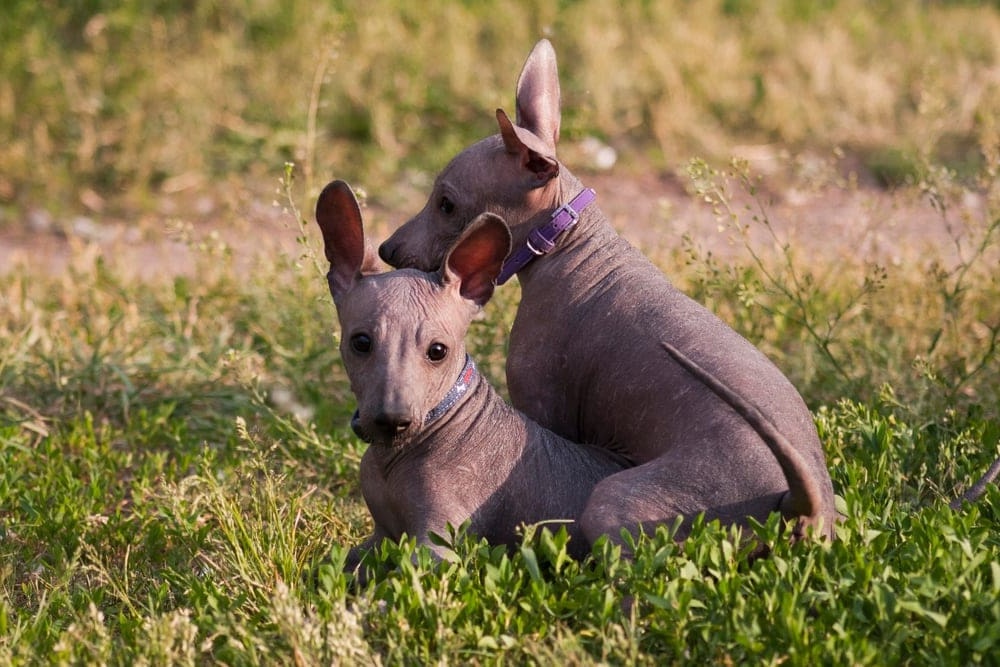
Xolos are often described as calm, attentive, and somewhat reserved with strangers. Many people interpret that reserve as shyness, or assume the dog is “easy” because they are not frantic. More often, it is simply a dog that takes a moment to observe before engaging.2
In a family setting, this can be a real strength. A well-socialised Xolo tends to settle indoors, enjoy being near their people, and still keep enough alertness to let you know when something has changed in the environment. They usually do best with steady, respectful handling, particularly around children who might otherwise treat a hairless dog like a warm toy.
With other pets, outcomes are typically about introductions, management, and early experience rather than the breed “always” being one way or another. The Xolo’s primitive-breed reputation can sound intimidating, but in practice many are simply thoughtful dogs who respond well to consistent cues and predictable routines.
Training and exercise that fits the dog you actually have
Most Xolos do not need marathon exercise, but they do need daily movement and something to think about. A walk that includes sniffing, a little light training, and some play can be more satisfying than a long, repetitive route.
Training tends to go best when it is calm, consistent, and reward-based. The goal is not to “dominate” a primitive breed, but to build reliable habits. Short sessions done often generally beat a single long session that leaves everyone tired and frustrated.
- Early socialisation with people, surfaces, sounds, and friendly dogs can help prevent over-cautiousness later.
- Use food rewards, play, and praise, then gradually fade rewards into real life reinforcers (access to the garden, greeting a friend, a sniff break).
- Give them a job indoors too, such as a food puzzle or a brief “find it” game, especially on wet or very hot days.
Health and lifespan: skin, sun, and teeth
Many Xolos live into their early to mid teens, and they are often described as generally robust when responsibly bred. The two areas that commonly shape daily care are skin management and preventive dental care.
Dogs can get sunburnt, and hairless breeds are an obvious higher-risk group. Practical sun management usually means seeking shade, avoiding peak UV, and using a dog-specific sunscreen as advised by your vet. It also means thinking about reflective heat from concrete, sand, and water, not just “sunny days”.5, 6
Dental disease is extremely common in dogs, and home care matters. Brushing is widely recommended by veterinary organisations, and even a few times a week can be worth building towards if daily brushing is not realistic for you. If your Xolo has missing teeth, your vet can help you tailor expectations and focus on gum health and comfort, not perfection.7, 8
Grooming and maintenance: what “low grooming” really means
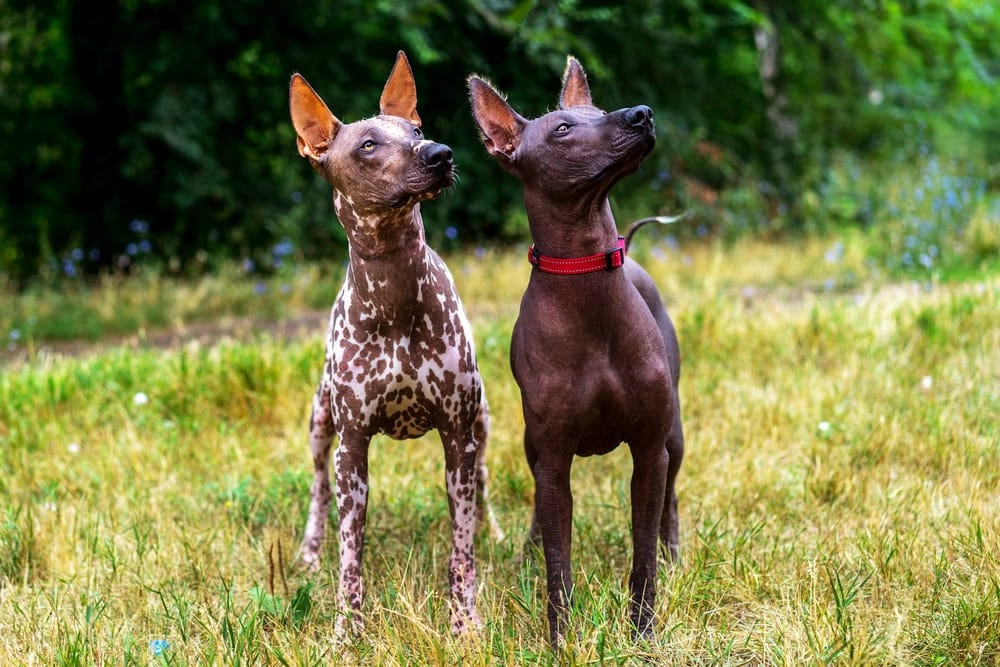
A coated Xolo is usually simple to maintain, a quick weekly brush and the occasional bath is often enough.
A hairless Xolo is also manageable, but grooming shifts from hair to skin. Bathing too often can dry the skin, and heavy products can clog pores. Many owners do best with a gentle routine and a willingness to adjust based on the season.
- Bathing: Use a mild dog shampoo, and aim for “as needed” rather than a strict schedule.
- Moisturising: If your vet recommends it, choose dog-appropriate products and keep them light.
- Sun protection: Use dog-specific sunscreen, and manage exposure with shade and timing.5, 6
- Comfort: In cold weather, many hairless dogs benefit from a well-fitted coat indoors and out, plus warm bedding.
Feeding and nutrition: keeping it simple and measurable
Xolos do not require a special “breed diet”, but they do benefit from the same basics that keep most dogs well over time: an appropriate calorie intake, a complete and balanced food, and a way to monitor condition that is not guesswork.
The World Small Animal Veterinary Association (WSAVA) recommends routine nutrition assessment, including using a body condition score. That is helpful for this breed because a hairless dog’s shape can look deceptively “lean” or “soft” depending on posture and muscle tone. Use hands, not just eyes, and ask your vet to show you what “ideal” feels like for your individual dog.9
If you are feeding treats for training, include them in the day’s total, and consider using part of the dog’s regular food ration as training rewards. It keeps things steady and is kinder on waistlines.
Small details that make life easier with a Xolo
Living with a Xolo is often about quiet adjustments. The breed’s needs are not complicated, but they are specific.
Keep a simple kit at home: a gentle shampoo, a soft microfibre towel, a dog-safe sunscreen for high-UV days (as advised by your vet), and a toothbrush and toothpaste for dogs. Then build routines slowly, so your dog learns that handling, bathing, and brushing are normal parts of life.
And if you are choosing a puppy, ask breeders direct questions about skin and dental health in their lines, and what they do to socialise pups. Those early choices can shape how straightforward your Xolo feels to live with later.
References
- Xoloitzcuintli Club of America: breed overview and history
- American Kennel Club: background notes on the Xoloitzcuintli
- American Kennel Club: breeds by year recognised (includes Xoloitzcuintli in 2011)
- American Kennel Club: Xoloitzcuintli breed information (sizes, varieties, characteristics)
- Time: veterinary advice on dog sunburn and sunscreen safety
- Healthy Happy Paws (Australia): guidance on dog sunburn and using dog-friendly sunscreen
- American Veterinary Medical Association: pet dental care
- Veterinary Oral Health Council: accepted products for plaque and tartar control
- WSAVA: Global Nutrition Guidelines and body condition scoring resources