

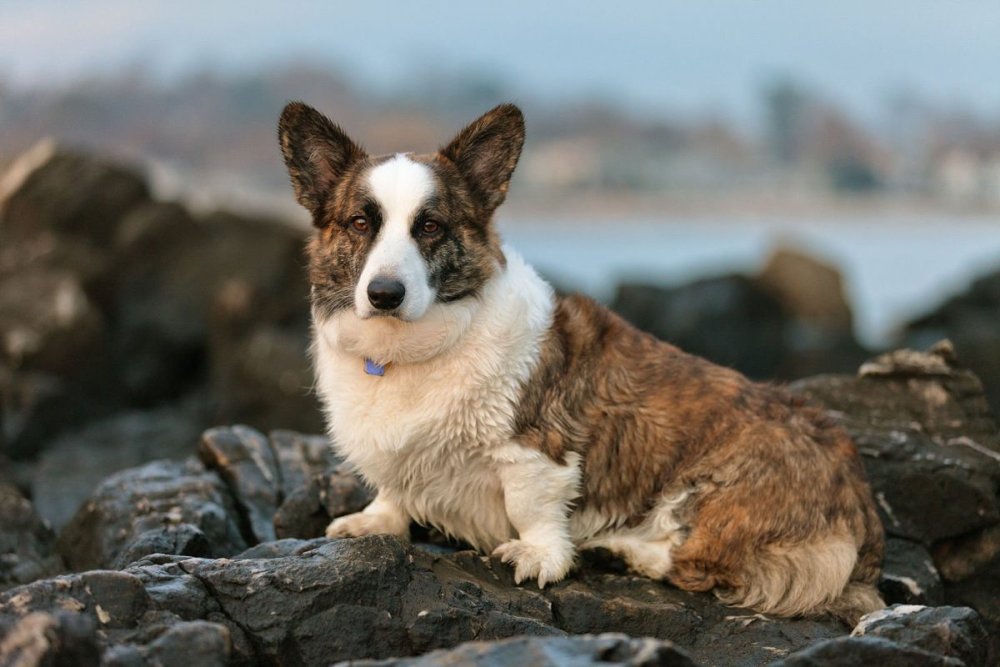
People often meet a Cardigan Welsh Corgi out in the world before they ever learn the name. A low, long dog with big upright ears, a steady way of moving, and a tail that tells you they are not the royal “corgi type” most people picture. Sometimes it is the bark that catches you first, deeper than you expect, or the way they watch a group of children and quietly position themselves between the action and the edge of the room.
It is easy to assume Cardigans are simply “small dogs in big-dog clothing”, and in a sense they are. They were built for real work, not for novelty, and that history still shows up in everyday life: a bright mind, a strong opinion about routine, and a tendency to notice movement and manage it.
If you are considering one, or you already share your home with a Cardigan, the practical questions tend to be the same. How much exercise is enough? Why do they sometimes nip at heels? How do you keep a long-backed dog fit without overdoing it? The answers sit in the breed’s working past, and in the details of their care today.
Quick snapshot: what a Cardigan Welsh Corgi is like to live with
The Cardigan Welsh Corgi is a herding breed from Wales with a sturdy frame, short legs, and a weather-resistant double coat. They are often described as loyal and trainable, with the kind of alertness that makes them excellent at noticing patterns in the household. 1, 2
- Size: small to medium, but solid and athletic for their height
- Energy: generally lively, and needs daily activity plus mental work
- Coat: double coat, sheds year-round with heavier seasonal drops
- Temperament: typically affectionate with family, can be reserved with strangers
- Best fit: people who enjoy training, routines, and a dog that likes a “job”
Where the breed came from, and why it still matters
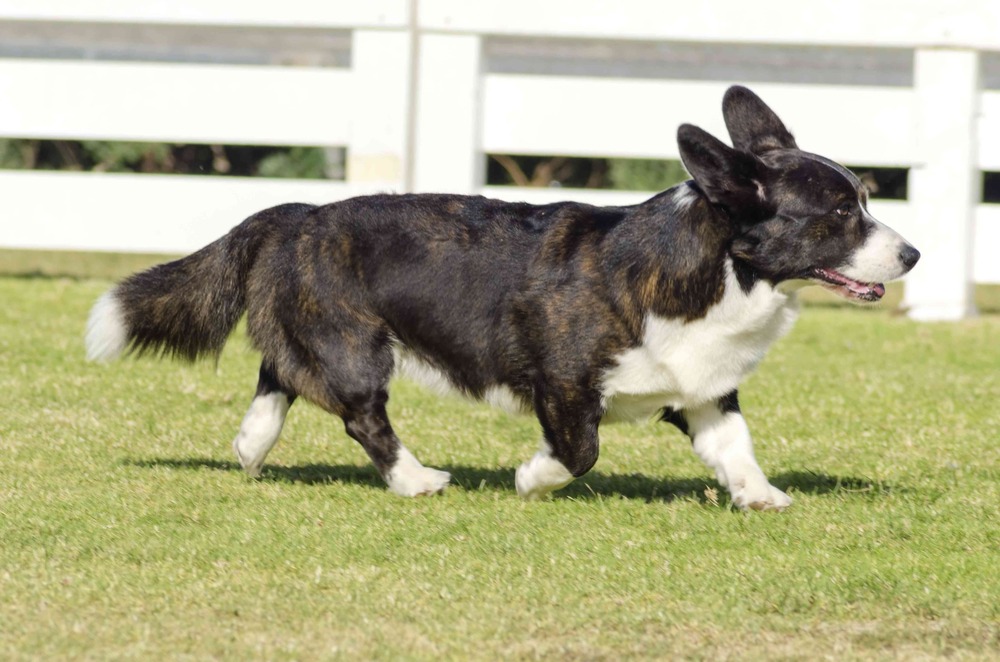
The Cardigan developed as an all-purpose farm dog in Wales, valued for moving livestock and fitting into busy rural life. That farm background helps explain why many Cardigans are observant, persistent, and quick to learn what works. 2
Cardigans and Pembrokes were once shown together, and then formally recognised as separate breeds in the UK in 1934. You still see the difference most clearly in the tail, as Cardigans are the “corgi with a tail”. 1, 3
Some sources place the breed’s presence in Wales at around 1200 BC via Celtic migration, while others speak more generally about the breed being ancient within the British Isles. It is best to treat the exact timeline as historically plausible but not provable in the modern sense, and focus on the consistent point: Cardigans are a long-established working herding breed. 2
Appearance and the traits people notice first
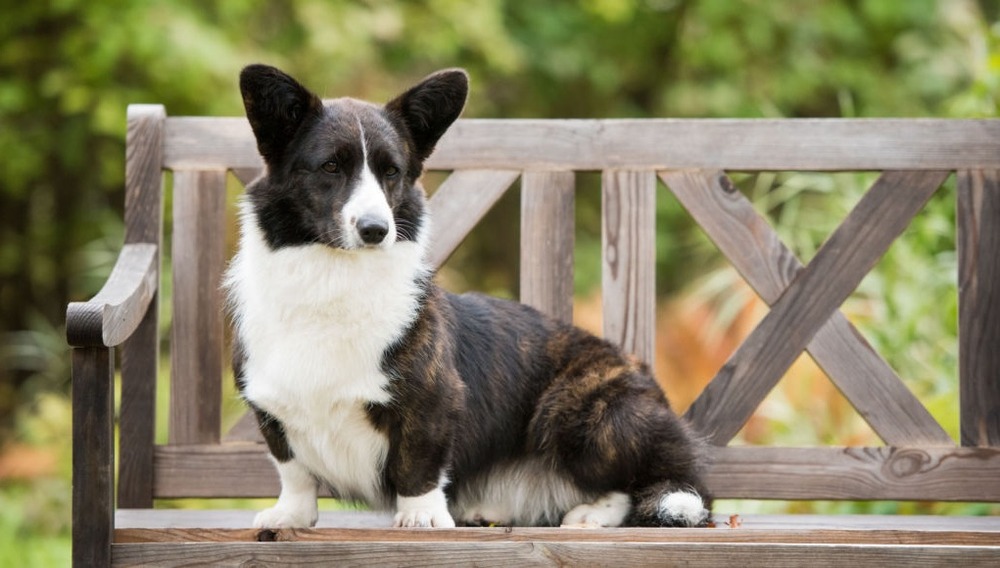
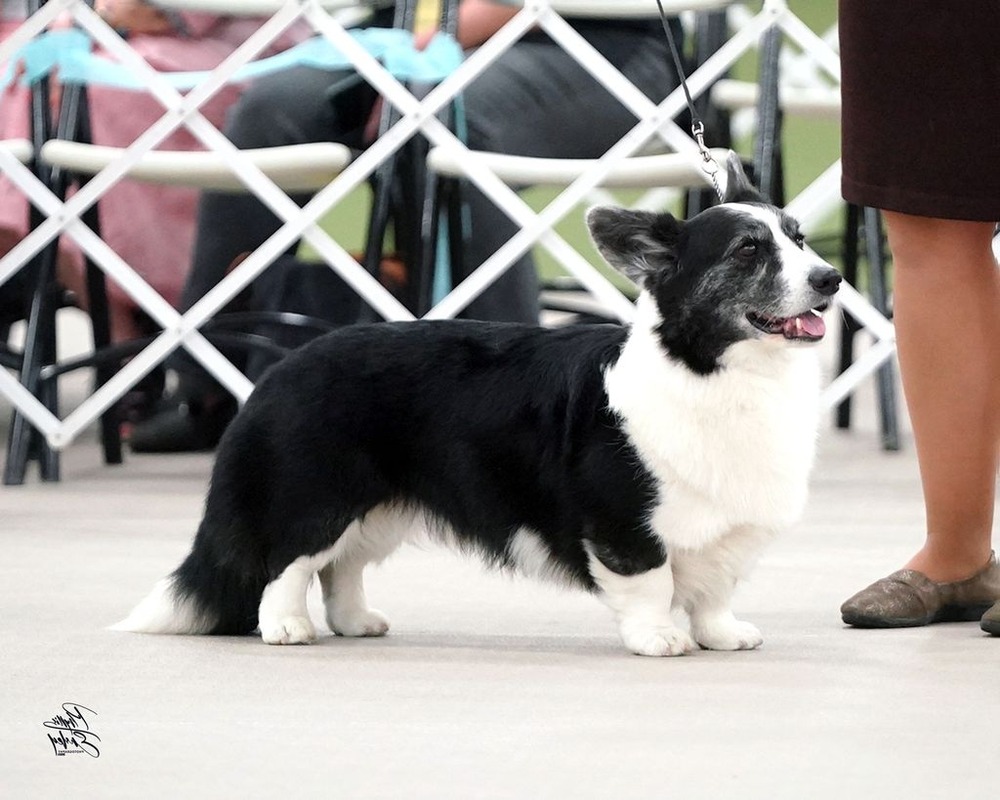
A Cardigan’s outline is hard to confuse: long body, short legs, a deep chest, and large, upright ears that seem to track everything. Their build is not a mistake or a gimmick. It is a working shape that once helped them duck low around hooves and move quickly out of the way. 1
Coat colours vary widely, including red, brindle, tricolour, and blue merle. The double coat is practical for weather, but it also means hair on the floor, on your clothes, and in the corners you swear you cleaned yesterday. 1, 3
One small but useful detail: if you are trying to distinguish a Cardigan from a Pembroke at a glance, the tail is often the simplest clue. Cardigans have a long tail, carried low or level depending on mood and movement. 2
Temperament, kids, and other pets
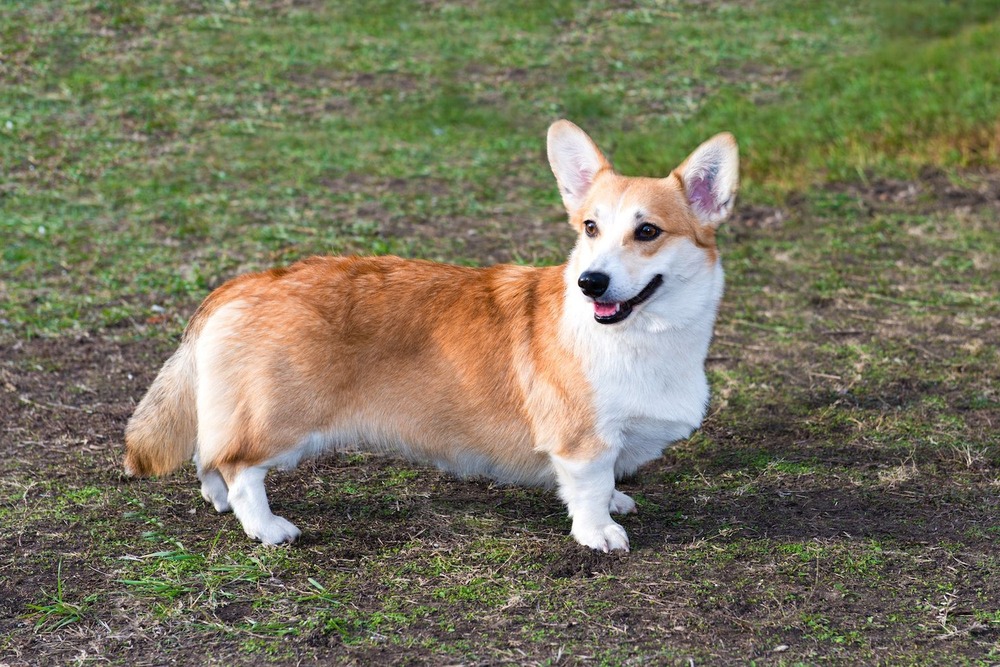
Most Cardigans settle into family life well, especially when they have predictable routines and clear expectations. They tend to form strong attachments, and many will “check in” frequently, watching where everyone is and what is happening next.
With children, the main point is supervision and teaching everyone what good interactions look like. Herding breeds can sometimes chase movement and use their mouth to control it. That does not mean a dog is “being naughty” or “trying to dominate”, it is often a leftover strategy from work. The fix is usually a blend of management, training, and giving the dog a better outlet for that instinct. 7
With other pets, many Cardigans do well, particularly if they are introduced thoughtfully. A dog that wants to control motion may try to herd cats or other dogs at first. Calm, reward-based training and structured introductions are more effective than scolding, because you are teaching the dog what to do instead. 6, 7
Training and exercise that suits a Cardigan
Training tends to be enjoyable with Cardigans because they are bright and often food-motivated. The common trap is assuming intelligence automatically equals easy behaviour. Smart dogs learn fast, including learning which behaviours reliably get attention.
A good foundation looks like:
- Short, regular sessions that end before the dog loses interest
- Reward-based methods that build the behaviours you want, rather than trying to “shut down” the ones you do not 6, 7
- Early, positive exposure to different people, surfaces, sounds, and handling (especially paws, ears, and mouth) 8
Exercise is not just distance. A couple of walks plus sniffing time, training games, and problem-solving activities can be more satisfying than a long, repetitive march. This matters for Cardigans because boredom tends to show up as barking, pestering, or unofficial “herding” of the household.
For puppies, socialisation is easiest when you treat it as controlled, positive exposure, not a rush to meet everything. Many welfare organisations describe a critical window in early life, commonly cited as roughly 3 to 16 weeks, where positive experiences can shape future confidence. 9
Health: what to watch, and what to ask breeders about
Cardigans are often robust dogs, but their structure means it is worth thinking ahead about joints, backs, and long-term mobility. The goal is not to be anxious, it is to be realistic and prepared.
Commonly discussed concerns in the breed include hip dysplasia and inherited eye disease such as progressive retinal atrophy (PRA). Not every Cardigan will face these problems, but they are worth discussing with your vet and any breeder you are considering. 1
When you talk with breeders, ask what health screening they do, and ask to see results. In the UK, for example, hip scoring schemes exist to help guide breeding decisions and reduce risk over time. The details vary by country, but the principle is consistent: test, record, and select responsibly. 10
If your dog ever shows reluctance to jump, repeated yelping, dragging a back foot, sudden stiffness, or a change in gait, book a vet visit promptly. With long-backed breeds, you do not want to “wait and see” for weeks, even if the dog is still bright and eating.
Grooming and coat care that actually works
The Cardigan’s double coat is designed to handle weather and grime, which means it also holds loose hair. Regular brushing reduces shedding in the home, and it helps you spot skin irritation, parasites, or matting early.
A practical routine is usually:
- Brush once or twice a week most of the year, and more often during seasonal sheds
- Check ears, trim nails, and get your dog comfortable with handling from an early age
- Bathe only as needed, because frequent bathing can dry the skin and coat
If grooming turns into a wrestling match, treat it like training, not discipline. Work in tiny steps, pair touch with food, and end before anyone gets fed up. Over time, you are building tolerance and predictability.
Feeding and keeping the body in good condition
Cardigans can gain weight easily, particularly if treats are generous and exercise becomes irregular. Extra weight matters for any dog, but it can be especially unhelpful for a low, long body that relies on good muscle support.
Veterinary nutrition guidelines commonly emphasise regular nutritional assessment, including monitoring body condition score, and making feeding plans that match the individual dog’s life stage and activity. Treats and extras are best kept to a small portion of the overall diet so the main food remains “complete and balanced”. 4
If you are unsure about portions, do not rely only on the packet guide. Ask your vet to help you set a target weight and a realistic daily intake, then review it every few months. A slow adjustment, with regular weigh-ins, is usually kinder and more sustainable than sudden restriction.
Final thoughts
A Cardigan Welsh Corgi tends to thrive when life includes connection, consistency, and a bit of purpose. They are compact, but they are not low-maintenance, and that is part of their charm. If you meet their need for activity, training, and sensible routines, you often end up with a dog that is deeply engaged with home life and surprisingly versatile.
The best Cardigan care is rarely complicated. It is the steady basics: reward-based training, daily enrichment, sensible exercise, and keeping the body lean and strong for the long run. 6, 4
References
- Cardigan Welsh Corgi (Wikipedia)
- Cardigan Welsh Corgi (Westminster Kennel Club)
- Welsh Corgi (Cardigan) breed information (The Kennel Club UK)
- 2021 AAHA Nutrition and Weight Management Guidelines for Dogs and Cats
- Feeding plans for healthy, appropriate weight cats and dogs (AAHA)
- Position statements and handouts (American Veterinary Society of Animal Behavior)
- Is it important to train my dog? What sort of training would you recommend? (RSPCA Knowledgebase)
- How can I socialise my puppy? (RSPCA Knowledgebase)
- Lead by Love, puppy socialisation period (RSPCA South Australia)
- Hip dysplasia screening scheme (The Kennel Club UK)