

- Breed category: Working dog (sled dog type)
- Origins: Sled dogs developed in northeastern Siberia, later shaped by Alaskan and Canadian racing and breeding programs
- Typical height: About 48 to 61 cm at the shoulder (varies by line)
- Typical weight: About 16 to 27 kg (varies by line)
- Average lifespan: Often 12 to 16 years
- Grooming requirements: Moderate, regular brushing, heavy seasonal shedding
- Exercise requirements: High, needs daily aerobic exercise plus mental outlets
- Coat type: Double coat, weather-resistant
- Coat colours: Commonly black, grey, white, red, and mixed patterns
- Shedding level: Moderate to high (coat blow seasons)
- Temperament: Social, energetic, often independent-minded
- Training ease: Moderate, responds best to consistent reward-based training
- Common health considerations: Hip dysplasia, inherited eye disease risk in northern breeds
- Heat tolerance: Generally better in cold than heat, needs careful management in warm weather
- Best suited for: Active households, outdoor lifestyles, and people who enjoy training and structured activity
You might come across the name “Seppala Siberian Sleddog” after reading about the 1925 serum run to Nome, watching a film about Togo, or meeting someone who runs dogs and talks about “Seppalas” as something distinct from modern show-line huskies. It can be a bit confusing at first, because the dogs look familiar, but the way people describe them sounds more like a working tool than a pet breed.
That confusion makes sense. The Seppala Siberian Sleddog sits at the intersection of history, performance breeding, and modern companion life. Some people use the term loosely for sled dog type huskies, while others mean a very specific preservation lineage that aims to keep a particular kind of long-distance sled dog alive.
Either way, the practical question is the same: what is this dog like to live with, day to day, and what does it need to stay well? Getting clear on that matters, because these are capable, high-output dogs, and they tend to do best with owners who enjoy routine, training, and lots of outdoor time.
Where the Seppala story comes from
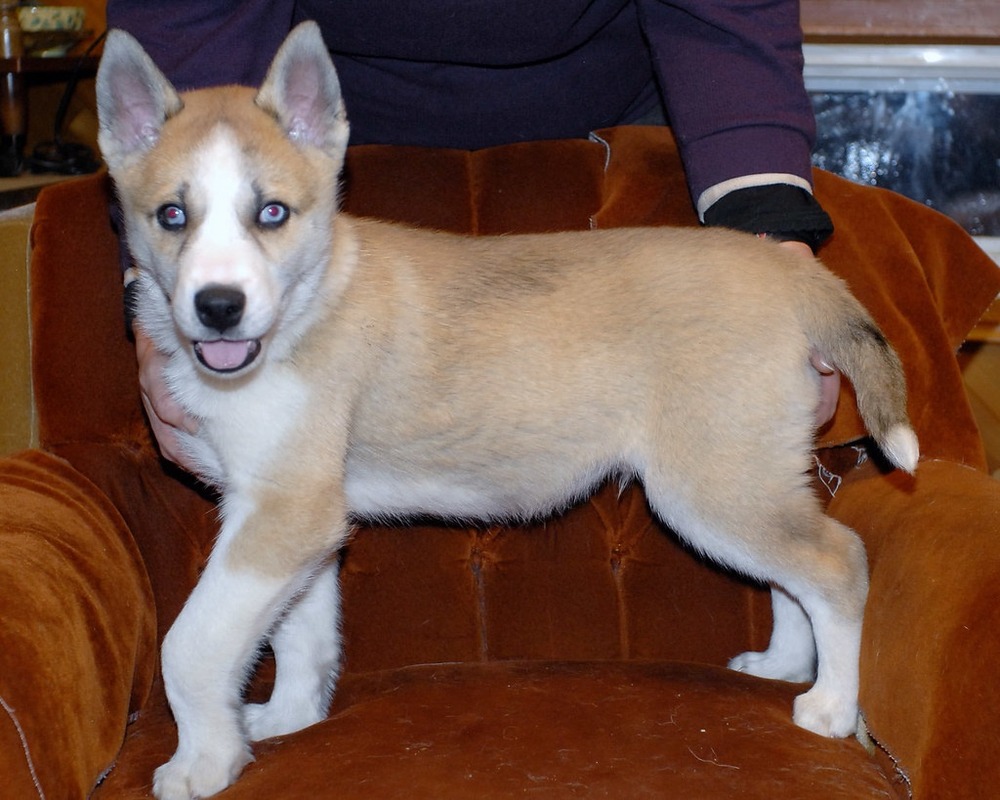
The Seppala name is tied to Leonhard Seppala, a Norwegian-born musher who became famous in Alaska’s early sled dog racing era. His dogs were built for efficient, long-distance travel in extreme conditions, which is a different focus from breeding for a particular “look”.
Seppala is also closely linked with the 1925 serum run to Nome, a relay that moved diphtheria antitoxin by dog team across Alaska in harsh winter weather. The popular story often centres on Balto, but many accounts also highlight that Seppala and his lead dog Togo completed one of the longest and most hazardous legs of the run.1, 2
In modern usage, “Seppala Siberian Sleddog” is sometimes used as a general shorthand for old-style racing huskies. More specifically, preservation groups describe the Seppala Siberian Sleddog as a distinct, working-bred population with defined lineage and a focus on performance, soundness, and temperament suitable for life with people.3
Appearance and what it usually signals
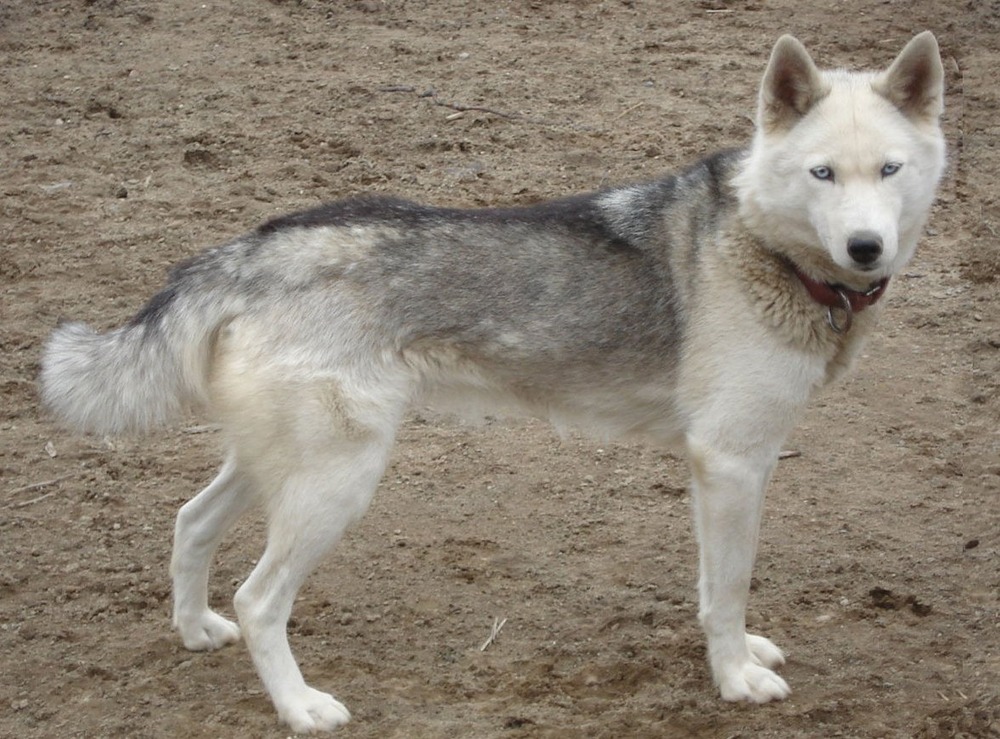
Most Seppala type dogs are medium-sized, athletic and lightly framed compared with heavier freight breeds. You will often see a deep chest, strong feet, and a body built for repetitive movement rather than short bursts of power.
The coat is typically a classic northern double coat. In Siberian Husky standards, that coat is described as double and medium in length, with a dense undercoat supporting straight guard hairs, and seasonal undercoat loss is considered normal.4
Coat colours and eye colours vary widely, and it is worth holding that lightly. Colour is not a reliable indicator of how “working” a dog is, and it does not tell you much about the dog’s daily needs.
Temperament and the reality of living with one
People are often drawn to these dogs because they seem friendly, alert, and social. Many do enjoy company and settle best when they are included in daily life. At the same time, sled dog types can be self-directed. They were bred to make decisions under pressure and keep moving, even when conditions are uncomfortable.
In practical terms, that can look like a dog who is affectionate at home, then switches on outdoors and is very motivated by movement, scent, and the environment. It is not “stubbornness” so much as a nervous system that expects regular work and stimulation.
For families, the best match is usually a household that likes structured activity and can supervise interactions with children properly. Many are good family dogs when their exercise and management needs are met, but they are rarely “low-effort” dogs.
Training and exercise that actually suits the dog
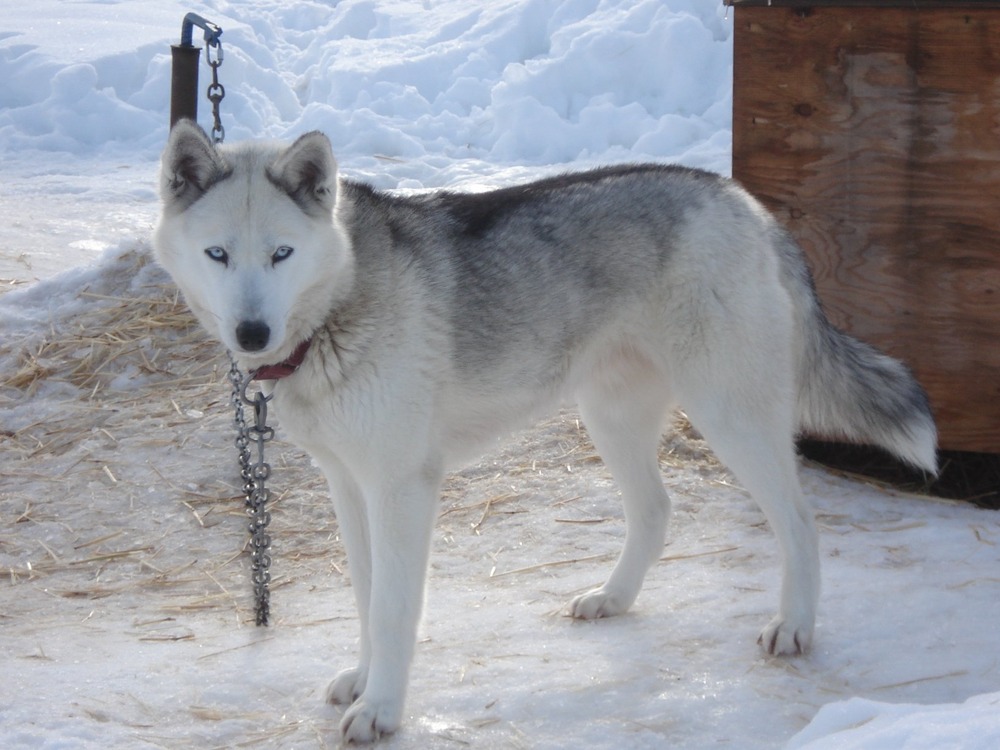
Training tends to go well when it is calm, consistent, and reward-based. Short sessions, clear criteria, and repetition usually beat long drilling sessions. A common mistake is to wait for the dog to “calm down” before offering enough exercise, because for many sled dog types, movement is part of what helps them regulate.
Aim for daily aerobic activity plus a mental outlet. For many households, that means a combination of brisk walking or running, structured play, and a job such as scent work, canicross, bikejoring, or pulling sports where appropriate and introduced safely.
If you are new to high-drive working breeds, it helps to think in terms of management, not willpower. Secure fencing, a long line in open areas, and teaching recall and disengagement skills early can prevent many of the frustrations people blame on the dog.
Health considerations and sensible prevention
Seppala type dogs are often described as hardy, and many are. Still, “working-bred” does not mean “immune to inherited disease”. Orthopaedic issues such as hip dysplasia can occur in many medium and large breeds, and responsible breeders commonly use formal screening and databases to reduce risk over generations.5
Eye conditions are also part of the broader northern-breed conversation. Inherited eye disease is complex, and the best protection is usually a combination of careful breeding choices and veterinary guidance, particularly if you plan to breed or you are choosing a puppy from a specific line.6
For day-to-day owners, the basics still matter most: keep your dog lean, build fitness gradually, and book regular vet checks. If your dog’s gait changes, if they seem reluctant to jump, or if their eyes look cloudy or irritated, treat it as information and get it checked rather than waiting it out.
Coat care, shedding, and what not to do
That thick double coat is part of the dog’s weather protection system. Regular brushing helps remove loose undercoat and reduces matting. During “coat blow” periods, you may need to brush more often, and your vacuum will do a lot of work.
It can be tempting to clip a double-coated dog in summer, but it is not usually a simple comfort upgrade. The coat helps with insulation and protection, and shaving can change how the coat regrows. If you are worried about heat, focus on shade, airflow, and timing exercise rather than removing the coat.
Bathing can be occasional, but over-bathing may dry the skin. Most owners do best with brushing, a rinse when needed, and attention to nails, ears, and teeth as routine maintenance.
Heat management in Australia
Northern breeds and sled dog types are often more comfortable in cool weather than hot. In warm months, the “hard part” is not just temperature, but humidity and lack of airflow, particularly after exercise.
Plan walks for early morning or evening, provide multiple water sources, and make sure the dog can rest somewhere cool and well-ventilated. RSPCA guidance also emphasises that if heat stress is suspected, start first aid by cooling with tepid or cool water and fanning, avoid ice-cold water, and seek veterinary help promptly.7, 8
- Know the early signs: heavy panting, drooling, weakness, vomiting, confusion, or collapse.
- Change the plan: on hot days, swap the big walk for short toilet breaks and indoor enrichment.
- Never rely on shade alone: airflow is a major part of cooling for dogs that pant.
Feeding an athlete without creating a problem
These dogs can be enthusiastic movers, which leads some people to assume they always need a very high-energy diet. In reality, the right food depends on the individual dog’s workload, age, and body condition. A dog doing serious endurance work may need very different energy density than a suburban companion who gets one long walk and a weekend hike.
A useful, grounded approach is to work with your vet to choose a complete diet and then adjust portions based on body condition and performance. The WSAVA Global Nutrition Guidelines provide practical tools for assessing diet history and body condition, and they encourage an individualised plan rather than internet rules about ingredients.9
Choosing a Seppala type dog responsibly
If you are looking for a puppy, it is worth being clear about what the breeder means by “Seppala Siberian Sleddog”. Some are part of preservation efforts that define lineage and aim to keep a particular working type distinct, while others may use the term more broadly for sled dog lines.
Ask about health screening, what the dogs are bred to do, and what daily life looks like for their adults. A good breeder can tell you about drive, off-switch, biddability, and how they raise pups for life in a home.
Most of all, choose the dog whose needs match your real week, not your ideal one. When these dogs get enough movement, structure, and companionship, they can be deeply satisfying to live with. When they do not, they tend to invent their own work, and owners usually do not enjoy what they pick.
References
- Associated Press: Mushers and dogs braved a horrific Alaska winter to deliver lifesaving serum 100 years ago
- Wikipedia: 1925 serum run to Nome (overview and relay details)
- International Seppala Siberian Sleddog Club (ISSSC): Breed definition and preservation aims
- Siberian Husky Club of America: Illustrated Standard (coat description)
- Orthopedic Foundation for Animals (OFA): Health screening and databases for inherited disease
- American College of Veterinary Ophthalmologists (ACVO): Finding a veterinary ophthalmologist
- RSPCA Australia: Keeping your pet safe during heat
- RSPCA NSW: Heat stress advice and first aid steps
- WSAVA: Global Nutrition Guidelines