

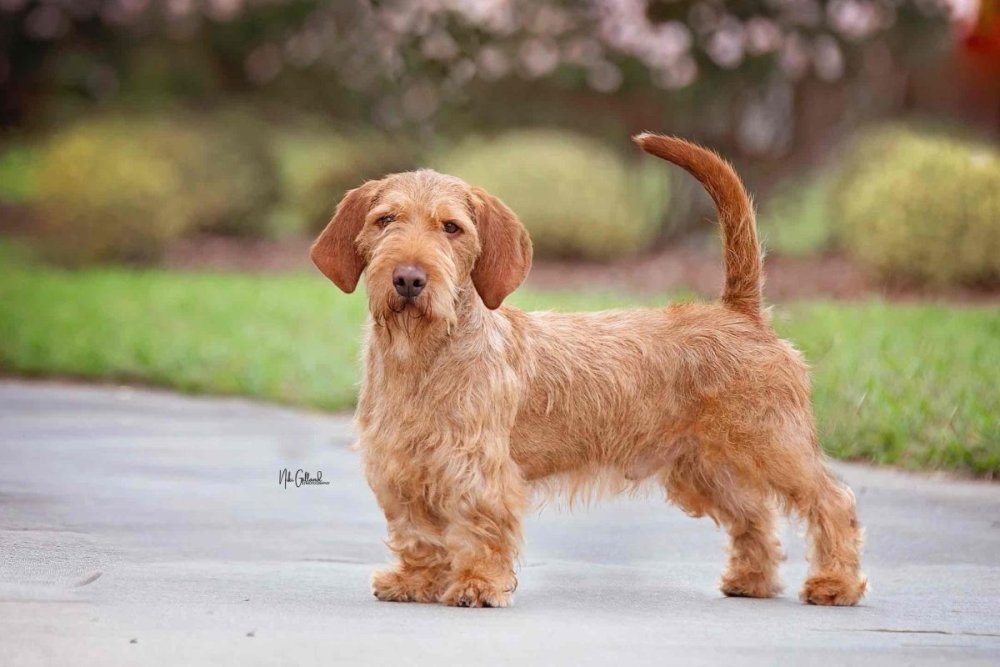
You usually meet the Basset Fauve de Bretagne in one of two ways. Either you spot a small, rough-coated hound at the park that moves like it has somewhere important to be, nose down, ears swinging, and you wonder what on earth it is. Or you start looking for a dog who can fit into everyday life, but still feels like a “real” working type, not a fragile ornament.
It is easy to assume a short-legged hound will be slow, stubborn, or content with a quick potter around the block. In practice, this breed tends to be more athletic than people expect, and a lot more interested in scent and movement than in being a couch decoration. They can live happily as companions, but they do best when their instincts are given a safe, sensible outlet.
The Basset Fauve de Bretagne is a French scent hound from Brittany, developed for hunting in thick cover. Today, many live as family dogs, and the same qualities that made them useful in the field, persistence, strong noses, and independence, are the qualities you will notice at home.1, 2
Breed snapshot: what people notice first
Most Basset Fauves look like compact, sturdy little hounds with a rough, fawn coat and a purposeful trot. The official breed standard places them at about 32 to 38 cm at the shoulder, which often surprises people who expected something closer to a Dachshund in scale.1, 2
They are built to work, not to wobble. You tend to see a dog that is low to the ground but capable, with enough leg to move through scrub, and enough substance to keep going for hours. The coat is harsh and fairly short, designed for protection rather than softness, and the overall colour is fawn to red wheaten.2
- Group: Scent hound (FCI Group 6)2
- Height: around 32 to 38 cm1, 2
- Coat: rough, fairly short, dense2
- Colour: fawn to red wheaten2
History and what it still shapes today

The Basset Fauve de Bretagne comes from Brittany in France, where hunters needed a small, determined hound that could push through dense undergrowth and stay on a scent. In the modern world, that history shows up as a dog who often enjoys being “busy”, especially with their nose.1, 2
The FCI recognises the breed on a definitive basis, and the current FCI standard dates to 2003. It is listed as a small-sized scent hound and remains associated with working trials in the FCI system, which is a useful clue about the kind of dog it is at heart.2
If you are choosing this breed mainly because you like the look, it helps to remember one practical truth: their instincts are not decorative. Even well-socialised, well-trained individuals can become extremely interested in smells, movement, and tracking, especially in unfamiliar places.
Temperament and suitability in everyday homes
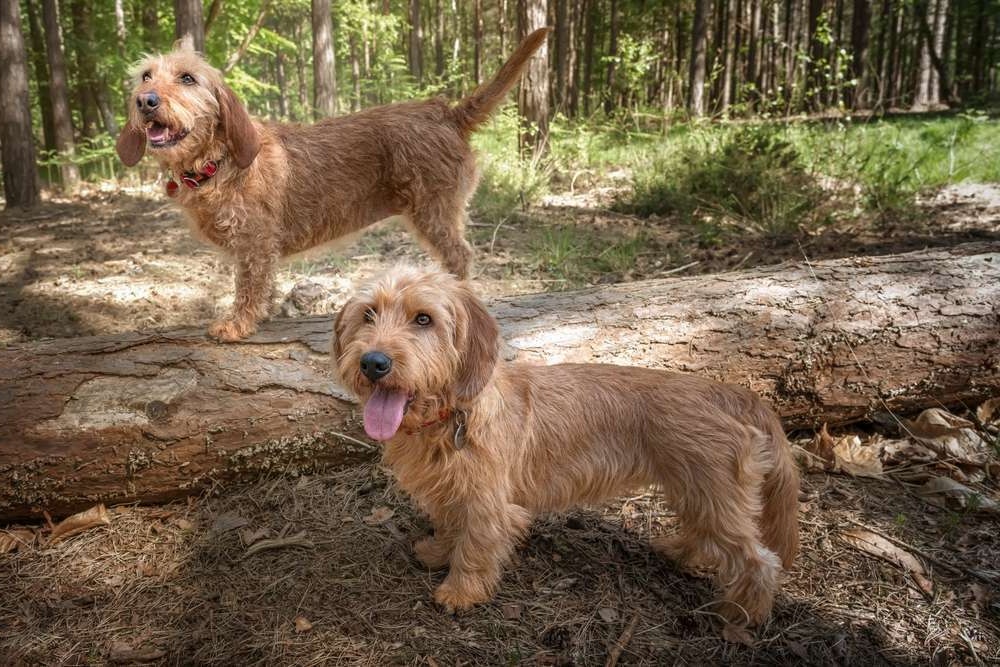
In a family setting, many Basset Fauves are friendly and sociable, often enjoying company and settling into routines. They are also typically curious, and that curiosity can look like “selective hearing” when a scent is more interesting than you are. This is not defiance so much as a reminder that scent hounds were built to make their own decisions at distance.
With children, the usual rules apply: supervise, teach kids how to handle a dog kindly, and give the dog escape routes and quiet spaces. With other pets, early introductions matter. As a breed developed for hunting, some individuals may be more inclined to chase, so it is worth being thoughtful about cats, pocket pets, and off-lead situations.
A good match tends to be a household that can offer steady daily exercise and calm, consistent training. They can suit apartment living if their physical and mental needs are met, but they are rarely happy as a “walk once a week” dog.
Training and exercise: working with the nose
Training tends to go best when it is practical and reward-based. Short sessions, clear markers, and rewards that genuinely matter to the dog (food, toys, access to sniffing) usually beat repeated drilling. If you have ever tried to out-stare a scent hound, you already know who wins.
Exercise is not just about kilometres. A Basset Fauve who is allowed to use their nose often comes home more settled than one who has only marched around a footpath. The goal is safe freedom to sniff, without rehearsing unwanted chasing or disappearing acts.
- Two shorter walks can work better than one long, overstimulating outing.
- Scent games at home, hide-and-seek treats, and simple tracking activities can take the edge off restlessness.
- Use a long line in open areas if recall is still a work in progress.
Health considerations and preventative care
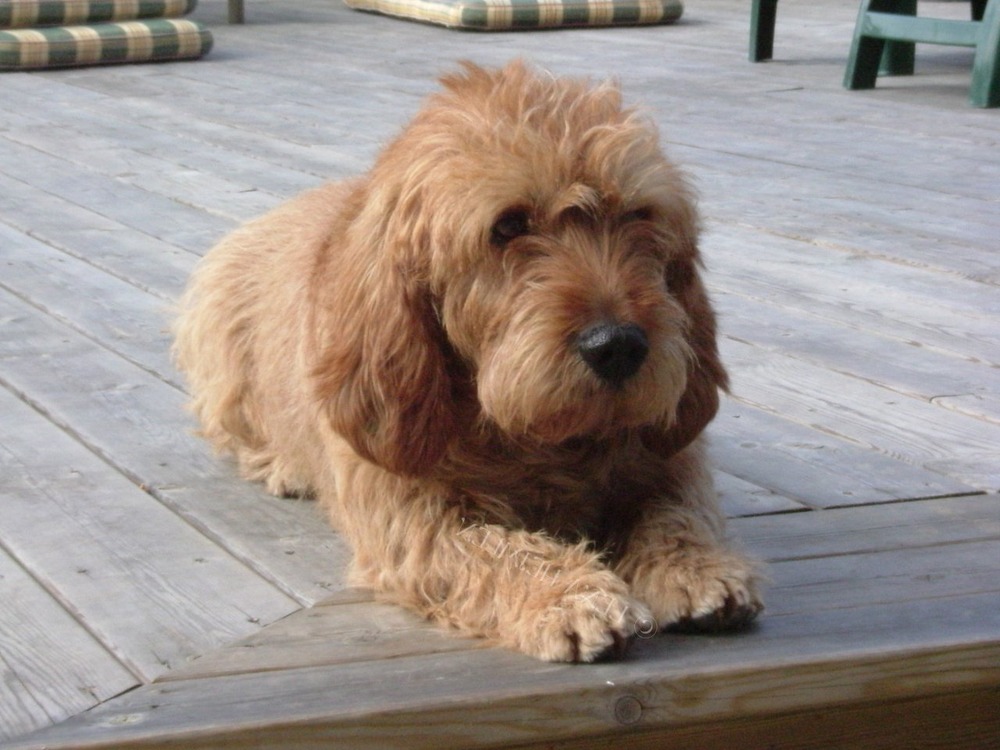
No breed comes with guarantees, but there are a few predictable pressure points. Ear care matters for many drop-eared dogs because reduced airflow can create a warm, moist environment that supports irritation or infection. Checking ears routinely, especially after swimming or muddy adventures, is a simple habit that can prevent bigger problems later.5
Weight is another practical issue to take seriously. Short-legged dogs can look “solid” even when they are carrying extra fat, and extra weight can compound joint stress over time. If you are unsure, ask your vet to score your dog’s body condition and show you what to look for at home.6, 7
Hip dysplasia is commonly discussed across breeds. While it is classically associated with larger dogs, the broader point still holds: rapid weight gain and overfeeding during growth can worsen orthopaedic risk factors, and staying lean is one of the most useful, controllable choices owners can make.8
Grooming and coat care that fits real life
The Basset Fauve’s coat is often described as low fuss, but “low fuss” still benefits from rhythm. A weekly brush usually keeps the coat tidy and helps you notice changes in skin, lumps, grass seeds, or ticks before they become problems.
Bathing can be occasional. Many harsh-coated dogs do better with less frequent shampooing, especially if the coat is naturally weather-resistant. Nails, teeth, and ears are the everyday basics that tend to matter more than elaborate grooming routines.
Feeding and keeping a healthy weight
Most owners want the same thing, a dog who feels energetic and comfortable in their body. For Basset Fauves, that often comes down to two linked habits: feeding to a measured plan, and adjusting as the dog’s activity changes across seasons, age, and routine.
Veterinary organisations recommend using tools like body condition scoring, alongside weight, to guide feeding decisions. It is a calm, practical way to avoid drifting into overfeeding, especially when treats, training rewards, and shared snacks start adding up.7
If you want a simple anchor, aim for treats as a small percentage of daily intake, and swap some treats for play, sniff time, or a portion of the dog’s normal food. When in doubt, your vet can help you choose a diet and portion size that fits your dog’s build and lifestyle.6, 7
Living with a Basset Fauve de Bretagne: the practical take
The best thing about this breed is also the thing you need to plan around. They are often bright, sociable little hounds with a strong interest in the world, and they tend to be happiest when they are included in daily life, not parked on the sidelines.
If you can offer consistent walks, training that respects a scent hound’s wiring, and a bit of patience for the moments when the nose takes over, the Basset Fauve de Bretagne can be a deeply satisfying companion. Not perfect, not robotic, and usually full of honest dog character.
References
- Wikipedia: Basset Fauve de Bretagne
- FCI: Basset Fauve de Bretagne (No. 36)
- The Kennel Club (UK): Basset Fauve de Bretagne breed standard
- Société Centrale Canine (France): Basset Fauve de Bretagne
- MSD Veterinary Manual: Otitis externa in dogs
- RSPCA Australia: 4 ways to avoid obesity in your dog
- WSAVA: Global Nutrition Guidelines
- American College of Veterinary Surgeons: Canine hip dysplasia
- RSPCA Knowledgebase: How do I tell if my dog is overweight?