

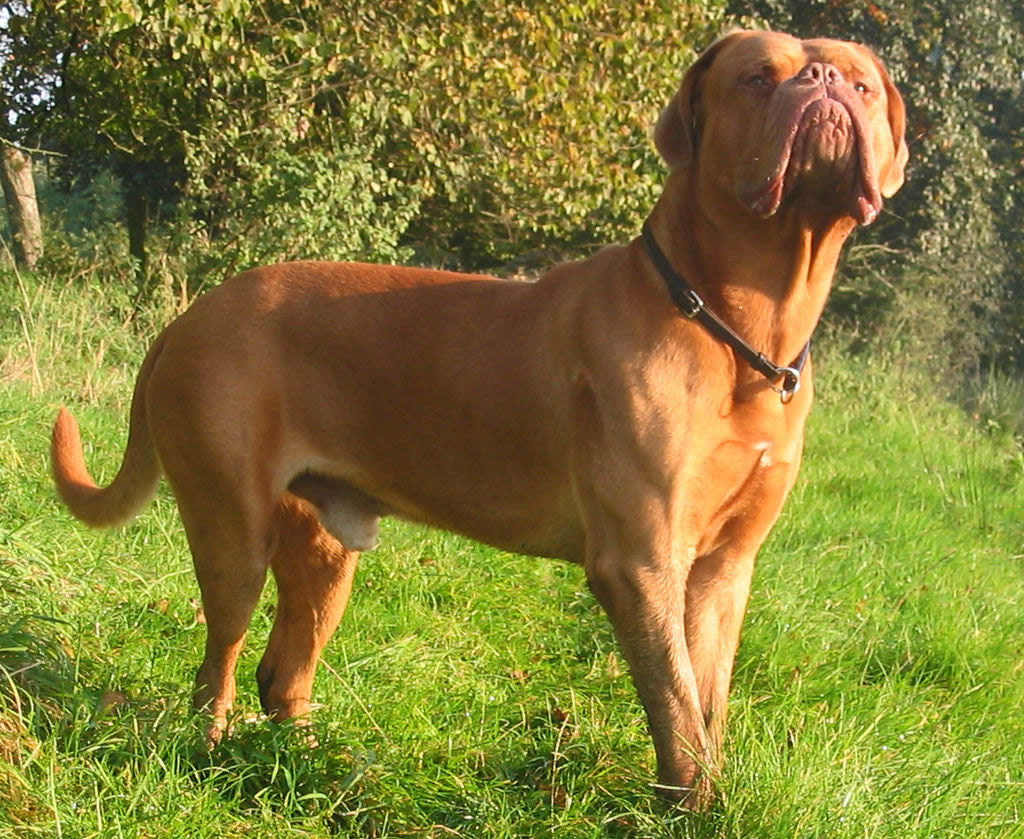
You might first notice a Dogue de Bordeaux because of the head, the wrinkles, the sheer mass of the dog, and then the way they move through a room as if they already belong there. For some people it is a film memory (Hooch), for others it is meeting one at the park and realising the dog is far calmer than their look suggests.
It is also a breed that can surprise new owners in practical ways. A Dogue can be quietly protective without being busy or sharp, and wonderfully steady at home, but their body type means heat, breathing effort, skin folds, and joint loading all deserve more attention than many people expect.
When you understand what this breed was shaped to do, and what their structure asks of day-to-day care, they make a lot more sense. The Dogue de Bordeaux is not a “hard” dog in temperament, but they are a dog that benefits from thoughtful handling, realistic exercise, and a vet who knows large, brachycephalic breeds well.
At a glance: the Dogue de Bordeaux
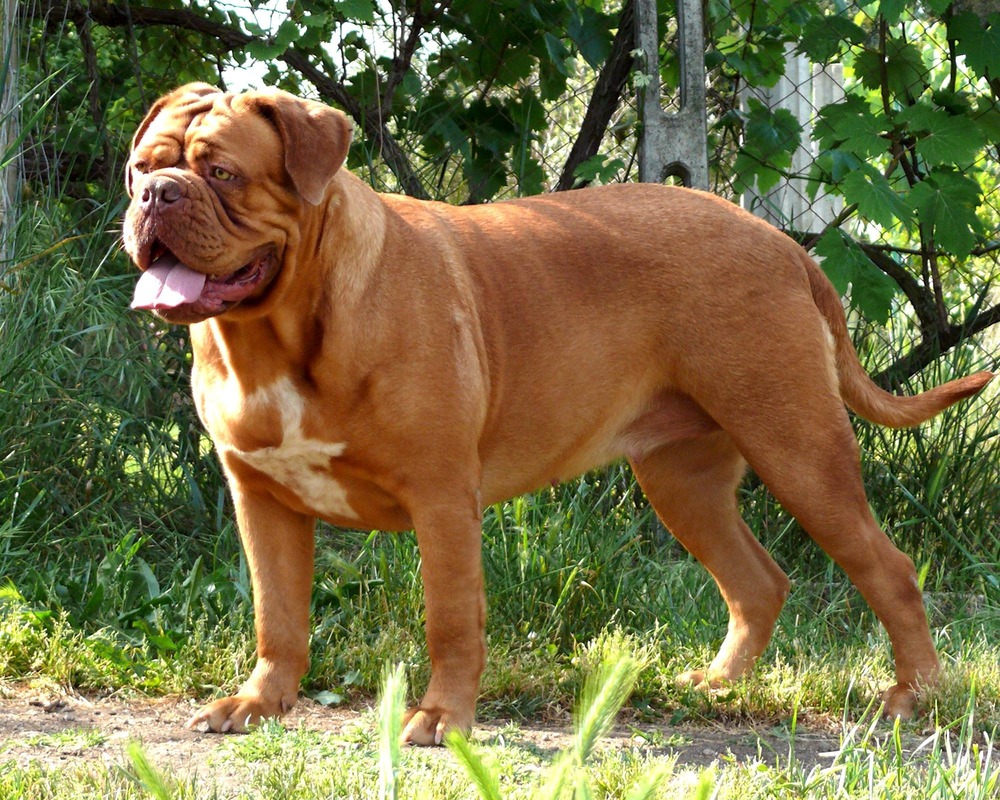
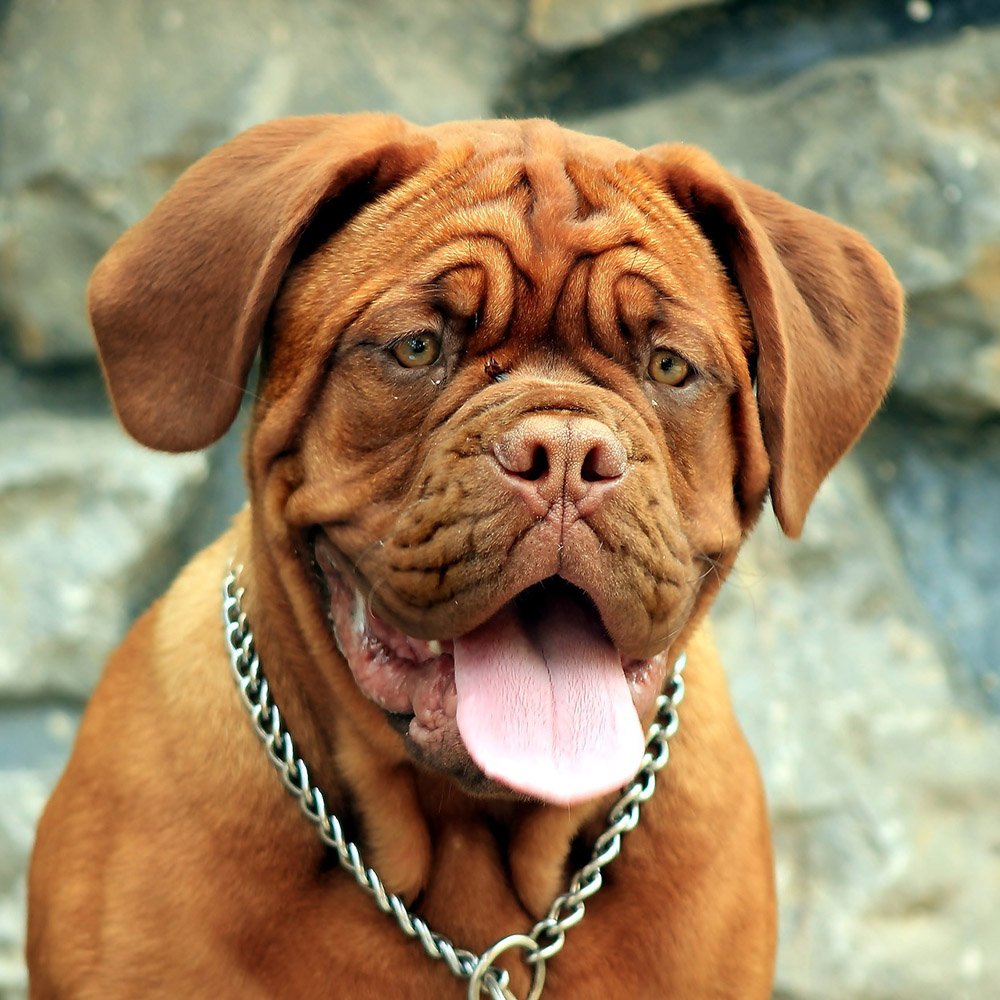
The Dogue de Bordeaux (often called the French Mastiff) is a powerful, low-set molosser type with a short coat and a distinctive, broad head. Breed standards describe a dog that is athletic and imposing, but still balanced, with soundness as a priority over exaggeration.1, 2
- Origin: France1
- Typical height: males 60 to 68 cm, females 58 to 66 cm (breed standard guide)2
- Typical weight: males at least 50 kg, females at least 45 kg (breed standard minimums)2
- Coat: short, fine, soft to the touch2
- Colour: self-coloured fawn shades (mahogany to lighter fawn), limited white permitted on chest and extremities2
- General temperament: vigilant, courageous without aggression, affectionate companion when well bred and well managed2
People often quote a lifespan of 5 to 8 years for Dogues, but estimates vary by source and population. A large 2024 study that analysed UK data reported a life expectancy for the breed around 11 years.3 That does not guarantee any individual dog will reach that age, but it is a useful reminder that good breeding and good management can matter a great deal.
Where they come from, and what that still means today
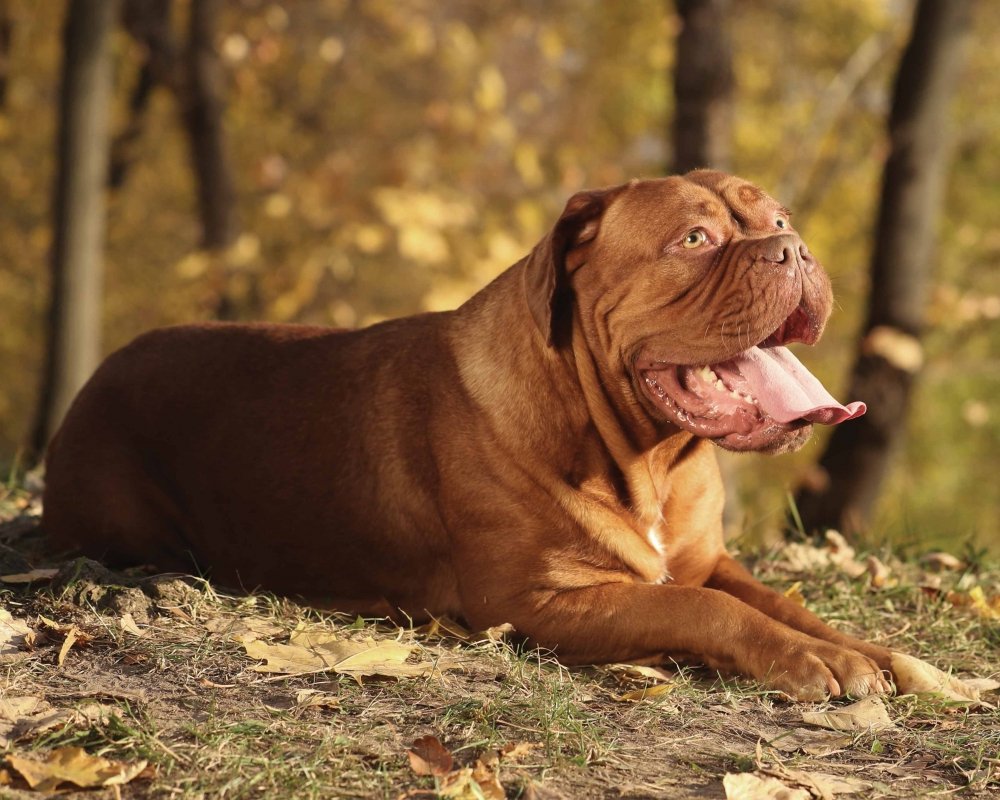
The Dogue de Bordeaux developed in France as a working guardian and all-purpose strong dog, the kind of animal used for protection and physically demanding tasks. Modern breed standards still reflect that history, describing a stocky, muscular dog built close to the ground, with a head shape that is unmistakably brachycephalic.1, 2
In day-to-day life, those origins show up as a dog who often prefers to watch first and act second. Many Dogues are not “social butterflies”, but with steady socialisation they can be polite and composed around visitors. Their size means that even mild behaviours, like leaning, crowding doorways, or pulling once toward an interesting smell, can feel bigger than they are.
A helpful way to think about it is this: a well-raised Dogue is usually not looking for trouble. They are, however, built to take up space and to feel responsible for their home. Good ownership is less about “making them friendly” and more about teaching calm, predictable routines in a wide range of settings.
Temperament and family fit
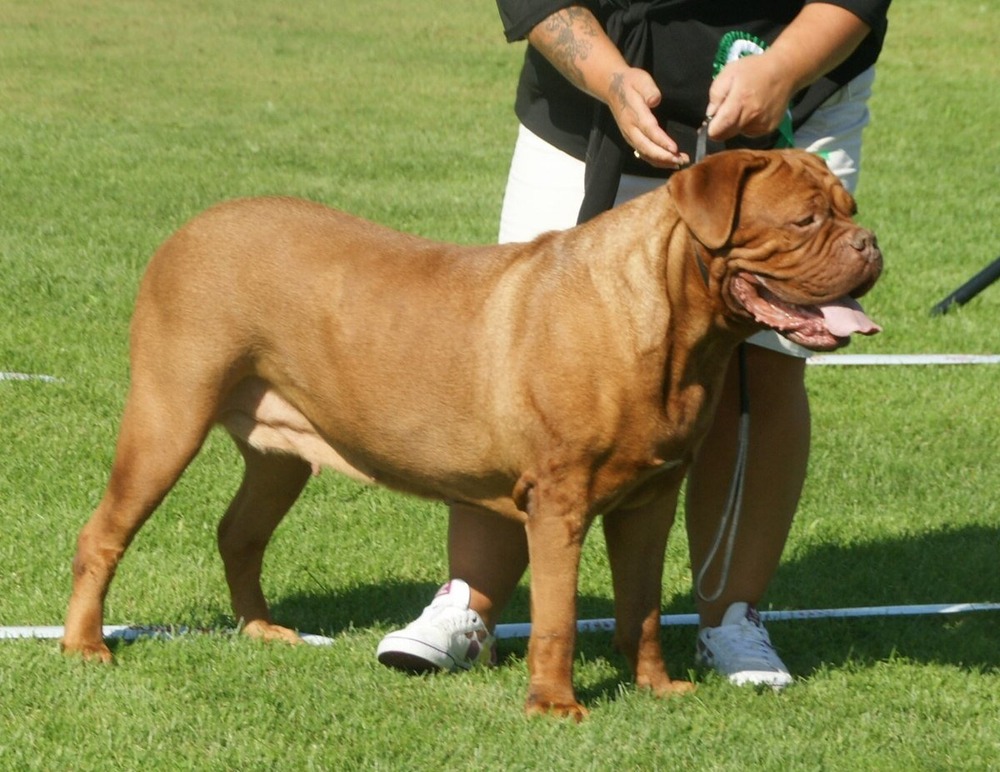
The Kennel Club standard describes the breed as naturally guarding, vigilant and courageous without aggression, and also a good companion that can be very affectionate.2 That balance is what many owners love: a dog who can settle at your feet, then stand up and quietly place themselves between you and something unfamiliar.
With children, the biggest considerations are usually practical rather than emotional. The Dogue is heavy, strong, and often physically demonstrative. Even a friendly bump can bowl over a toddler, and the drool can be impressive. Supervision matters, and so does teaching kids the boring but important rules, like no climbing, no face-to-face hugging, and giving the dog space when they are eating or sleeping.
With other animals, outcomes vary. Some Dogues are easy with other dogs, others are selective, and same-sex tension is not unheard of in mastiff types. Early, positive exposure helps, but it cannot override genetics and individual preference. When in doubt, plan for managed introductions and ongoing supervision, especially with small pets.
Training that suits a powerful, thoughtful dog
Dogues tend to do best with training that is calm, consistent, and quietly confident. Harsh handling is a poor fit for most dogs, and it can be especially counterproductive in a breed that may become resistant if pressured. Short sessions, clear cues, and rewards that matter to the dog usually go further than trying to “win” a contest of will.
Aim early for the skills that keep everyone safe:
- Loose-lead walking and a reliable stop
- Polite greetings, including staying off guests
- Comfort with handling, especially paws, ears, mouth, and skin folds
- Settle on a mat, so the dog learns an “off switch” outside the home
If you are working with a trainer, look for someone experienced with large guardian breeds and modern, welfare-focused methods. With a Dogue, good training is not about tricks. It is about building habits that make a 50 kg dog safe, manageable, and relaxed in everyday places.
Exercise and heat: the part people underestimate
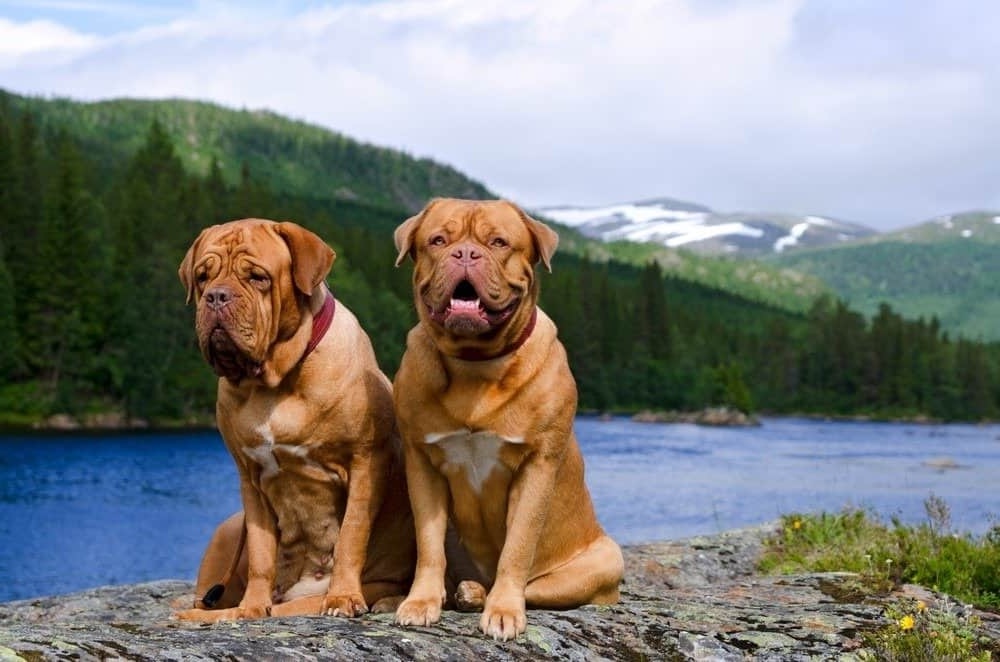
Dogues are not endurance athletes. Many enjoy a steady daily walk and time pottering about the yard, but they are often most content with moderate activity and lots of rest. The Kennel Club suggests up to an hour of exercise a day as a guide, adjusted to the individual dog’s age, health, and fitness.4
Because the breed is brachycephalic, they can be less efficient at cooling through panting, and that increases the risk of overheating in warm weather, particularly if the dog is unfit or carrying extra weight.5, 6 In Australia, it is sensible to plan walks early or late, keep sessions gentle in summer, and be conservative about humidity and still air.
Know the practical warning signs of heat stress and heatstroke, including heavy panting, drooling, restlessness, bright red or very pale gums, vomiting, weakness, staggering, or collapse.6 If you suspect heatstroke, cool the dog with tepid or cool water and a fan, avoid ice-cold water, and get to a vet urgently.7
Health and lifespan: what to watch, and what to plan for

Like many giant breeds, Dogues can be prone to orthopaedic and cardiac issues, and their head shape and skin folds can create additional management needs. Breed standards in both Australia and the UK explicitly remind breeders and judges to avoid exaggerations that harm health and welfare, which is worth keeping in mind when choosing a puppy.1, 2
Common areas vets and owners often monitor include:
- Joint disease, including hip and elbow dysplasia, and early arthritis risk in a heavy dog
- Breathing effort, especially in heat or during excitement, which can relate to brachycephalic airway problems5
- Skin fold dermatitis, particularly around the face and lips
- Gastric dilatation-volvulus (GDV), also called bloat, which is more common in large, deep-chested dogs8, 9
On GDV specifically, no one can fully “prevent” it, but risk management is sensible. Veterinary references commonly note risk factors such as deep-chested conformation, family history, rapid eating, feeding one large meal a day, and exercising soon after eating.8, 9 Many owners find slow feeders, multiple smaller meals, and calm post-meal downtime are practical steps to discuss with their vet.
For lifespan, it is best to hold the number lightly. Individual outcomes vary with genetics, body condition, and veterinary care. Population research suggests the breed may live longer than the most pessimistic figures often repeated online, but you should still plan emotionally and financially for higher-than-average healthcare needs across the dog’s life.3
Grooming, drool, and skin fold care
The coat is straightforward: a weekly brush is often enough, plus the usual nail trims, ear checks, and dental care. The bigger work is usually the “soft tissue maintenance” that comes with wrinkles and jowls.
Simple routines help:
- Wipe and dry facial folds if they get damp or food-stained
- Check for redness, odour, or soreness between skin folds
- Keep a drool cloth handy, especially after drinking and meals
If you see persistent irritation, recurrent infections, or a dog that resists face handling, involve your vet early. Skin problems in folds can worsen quickly, and they are much easier to manage when caught at the first signs.
Feeding and keeping a healthy body shape
Food choices matter for any dog, but for a Dogue, body weight is not just a cosmetic issue. Extra kilos increase joint strain, can worsen heat tolerance, and may reduce the dog’s willingness to move. A useful approach is to feed for lean, stable condition and adjust based on what you see and feel, not just what is printed on a bag.
Veterinary teams often use body condition scoring to track healthy fat cover over time. The World Small Animal Veterinary Association (WSAVA) provides practical tools that help owners and vets stay consistent about what “ideal” looks like.10
Because GDV risk is a consideration in large, deep-chested dogs, many vets recommend splitting food into more than one meal and avoiding vigorous activity around meals. If your Dogue gulps food, a slow feeder can be a simple, low-stress improvement to daily life.8, 9
Interesting tidbits: the famous “Hooch” connection
Even people who have never met the breed often recognise the look from film. The dog in Turner & Hooch (1989) was a Dogue de Bordeaux, and the character helped introduce the breed to a much wider audience.5
It is worth remembering that fame can bring fashion. If you are looking for a puppy, take your time, ask direct questions about health screening and temperament, and be cautious of exaggerated wrinkles or breathing noise being presented as “cute”. A healthy Dogue should still look like a Dogue, but they should also move freely and recover from mild exercise without distress.
Living well with a Dogue de Bordeaux
A Dogue de Bordeaux can be a deeply satisfying companion for the right household: someone who enjoys a calm presence, can handle a large dog in public, and is prepared for the unglamorous parts like drool, heat management, and regular health checks.
The best Dogue homes tend to be steady rather than busy. They are not a breed that needs constant novelty, but they do need ongoing social practice, predictable boundaries, and owners who notice small changes, like stiffer movement, heavier breathing, or skin irritation, and act early.
References
- Dogs Australia (ANKC). Dogue de Bordeaux breed standard
- The Kennel Club (UK). Dogue de Bordeaux breed standard
- Scientific Reports (2024). Longevity of companion dog breeds: those at risk from early death
- The Kennel Club (UK). Dogue de Bordeaux breed information
- Wikipedia. Dogue de Bordeaux
- RSPCA Australia. Warm weather worries, protect pets from heatstroke
- RSPCA Pet Insurance Australia. Heatstroke (hyperthermia) guide for cats and dogs
- Merck Veterinary Manual. Gastric dilation and volvulus (GDV) in small animals
- Cornell University College of Veterinary Medicine. Gastric dilatation-volvulus (GDV) or “bloat”
- WSAVA. Global Nutrition Guidelines