

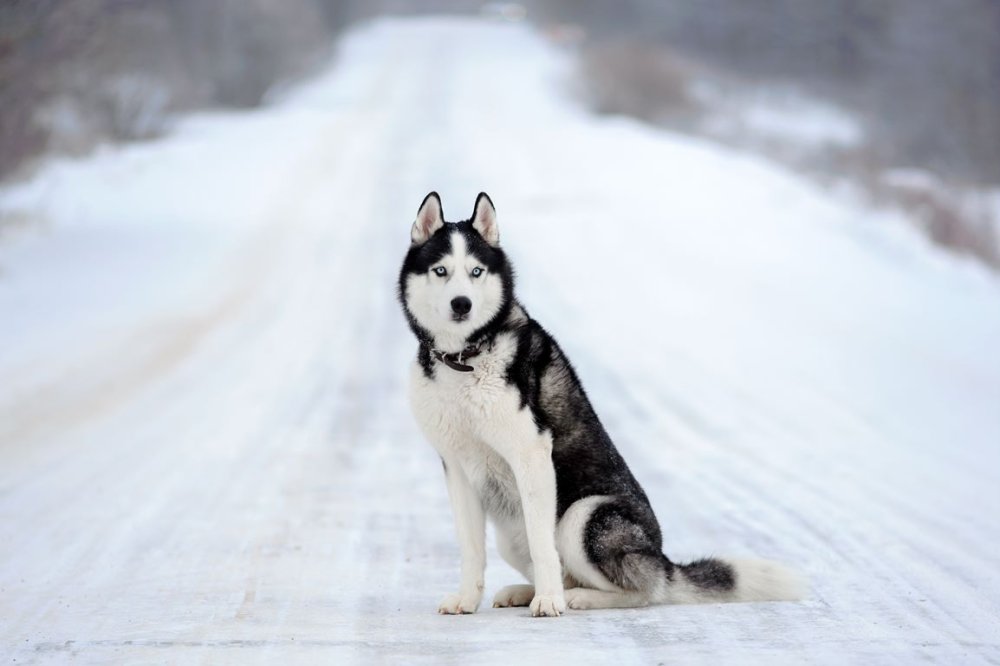
You might first notice an Alaskan Malamute because of the wolf-like outline, the big plume of tail over the back, or the sheer sturdiness of the dog standing at the end of the lead. People often assume that a Malamute is simply a larger Husky, or that any big, fluffy northern breed will slot neatly into family life with a couple of daily walks.
In practice, Malamutes tend to ask for something more specific: room to move, steady routines, and owners who can enjoy a dog that is friendly yet not automatically compliant. They are often calm in the house once their needs are met, but they are rarely a low-effort breed.
It helps to think of the Alaskan Malamute less as a “giant teddy” and more as a freighting dog shaped by generations of living and working alongside people in demanding conditions. That heritage shows up in their body, coat, and the way they make decisions.
- Breed category: Working Group
- Country of origin: United States
- Height: Males about 63.5 cm, females about 58.5 cm
- Weight: Commonly 34 to 45 kg (varies by build and lines)
- Life span: Around 10 to 14 years
- Coat: Thick double coat, heavy seasonal shedding
- Exercise needs: High, plus mental engagement
- Heat sensitivity: Tolerates cold well, can struggle in hot weather
Alaskan Malamute heritage, and why it still matters
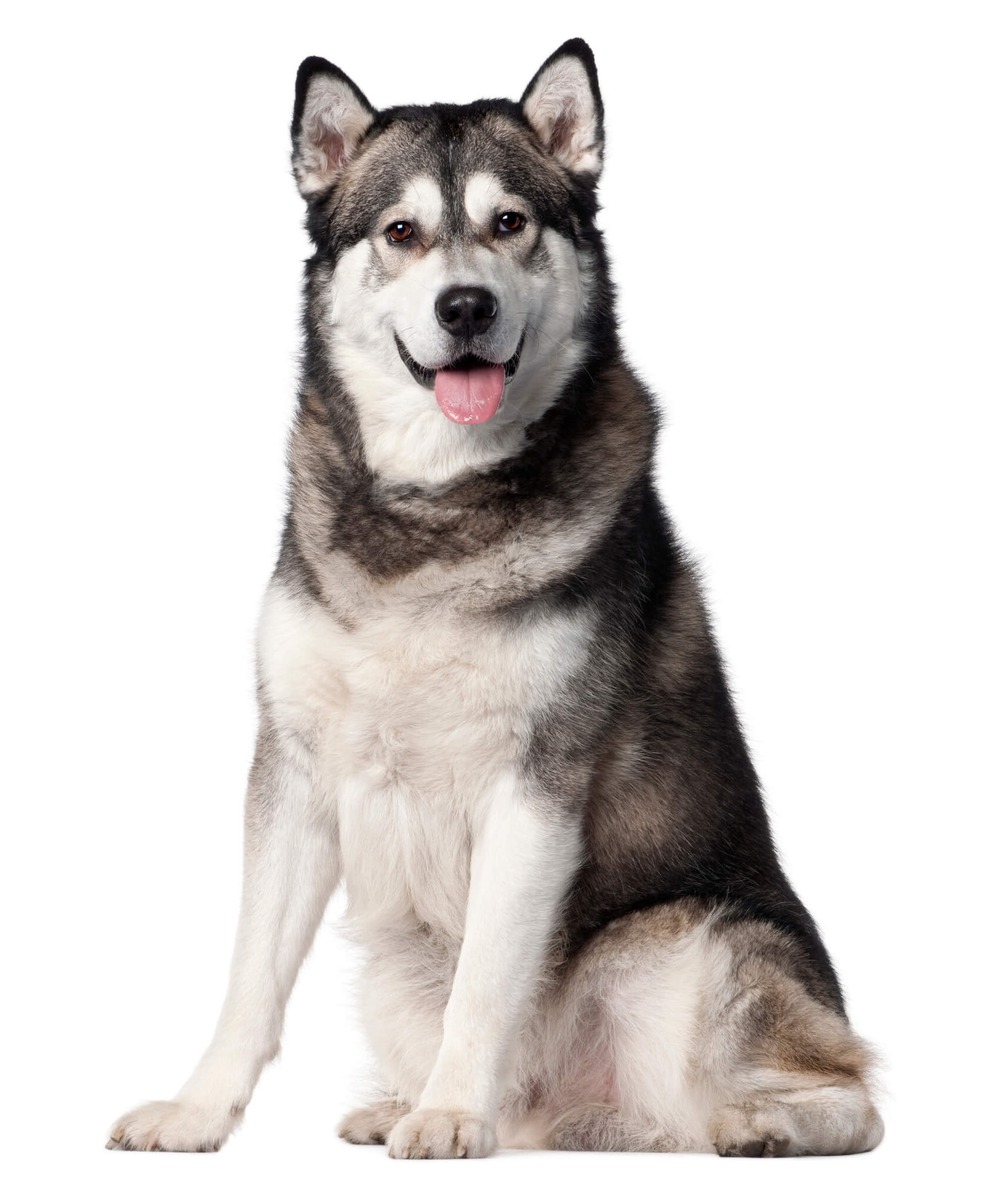
The breed is named after the Mahlemut (Malemiut) Inuit, whose dogs were valued for strength and stamina rather than speed. Malamutes were developed to haul heavy loads and live closely with people, which is part of why many are sociable with visitors, even if they are not naturally “eager to please”.1
During periods such as the Klondike Gold Rush, good sled dogs became highly sought after, and many northern dogs were crossbred. Breed clubs and fanciers later worked to preserve and standardise the Alaskan Malamute, and the American Kennel Club recognised the breed in 1935.1, 2
It is tempting to treat that history as trivia, but it explains a lot of everyday realities: why many Malamutes enjoy pulling, why they can be persistent diggers, and why they often do best with owners who respect a dog that thinks first and obeys second.
Appearance and the traits people notice first
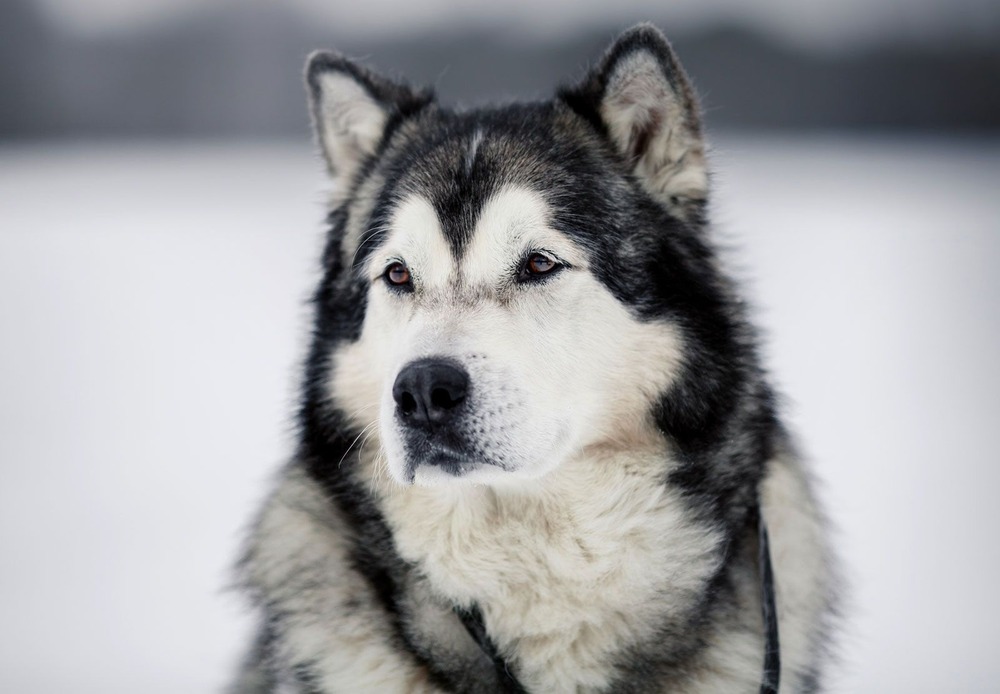
Alaskan Malamutes are big-boned, compactly powerful dogs with a dense double coat and a tail carried over the back. Their coat colours can include grey, black, sable, red, and white, usually with lighter underparts and facial markings.
There are a few features that are easy to appreciate once you live with one:
- Coat and undercoat density, designed for cold, and not always comfortable in Australian summer conditions.
- Large, well-furred feet, which help with traction and insulation in snow.
- Freighting build, meaning they are made to pull weight steadily, not to sprint.
If you are choosing equipment, it is worth matching it to the dog’s body and purpose. A well-fitted harness for pulling activities is very different from a walking harness designed for day-to-day management.
Temperament, family fit, and the “friendly but independent” reality
Malamutes are often described as friendly, loyal, and playful. Many enjoy people and can do well with respectful children, but their size and enthusiasm can be a lot in a busy home. Supervision is sensible, not because the breed is inherently unsafe, but because any powerful dog can accidentally bowl someone over.
They are also known for being independent problem-solvers. In a practical sense, that can look like ignoring a recall to investigate an interesting scent, or testing whether a fence really is a boundary. It is not “dominance” so much as a dog that has been shaped to work at a distance and keep going in difficult conditions.
With other dogs, many Malamutes are social, but some can be selective, especially with same-sex dogs. Early, ongoing socialisation and thoughtful introductions matter here, and some households will find a single-dog setup easier.
Training and exercise that suits a Malamute brain and body
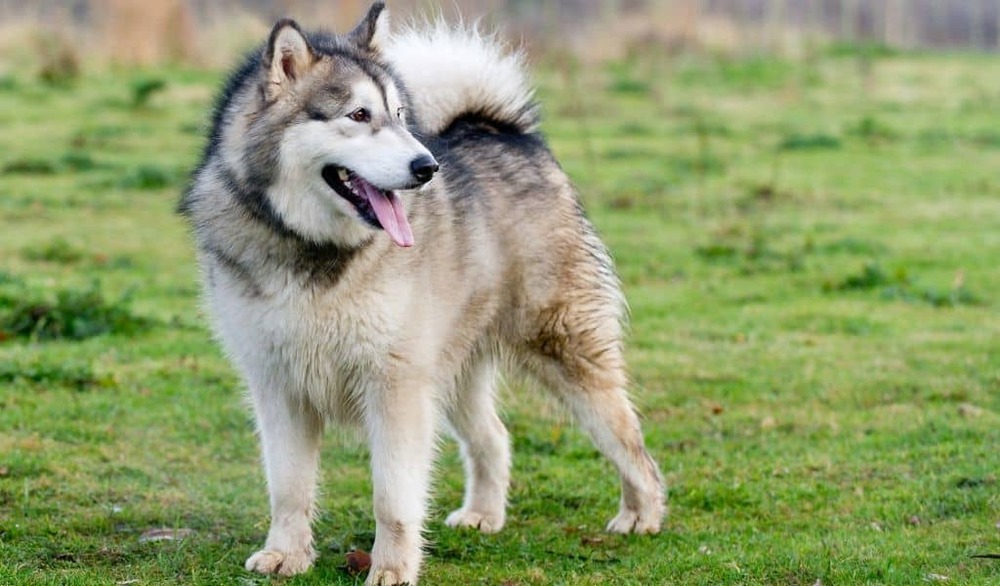
Training tends to go best when it is consistent, calm, and built around the dog’s motivation. Many Malamutes respond well to food rewards, play, and the chance to do something purposeful. Short sessions that end on success usually beat long drills.
In day-to-day life, the most useful training often looks simple:
- Loose-lead walking and polite greetings, because strength is part of the package.
- Recall foundations and long-line practice, because many have a strong urge to explore.
- Settle skills, so the dog can genuinely switch off indoors.
Exercise needs are usually high. Beyond walks, Malamutes often thrive with hiking, controlled pulling sports, scent games, and structured play. The goal is not to “wear them out” in a single burst, but to build a routine that meets their physical needs while also satisfying their working-dog instincts.
Heat management and everyday safety in warmer climates
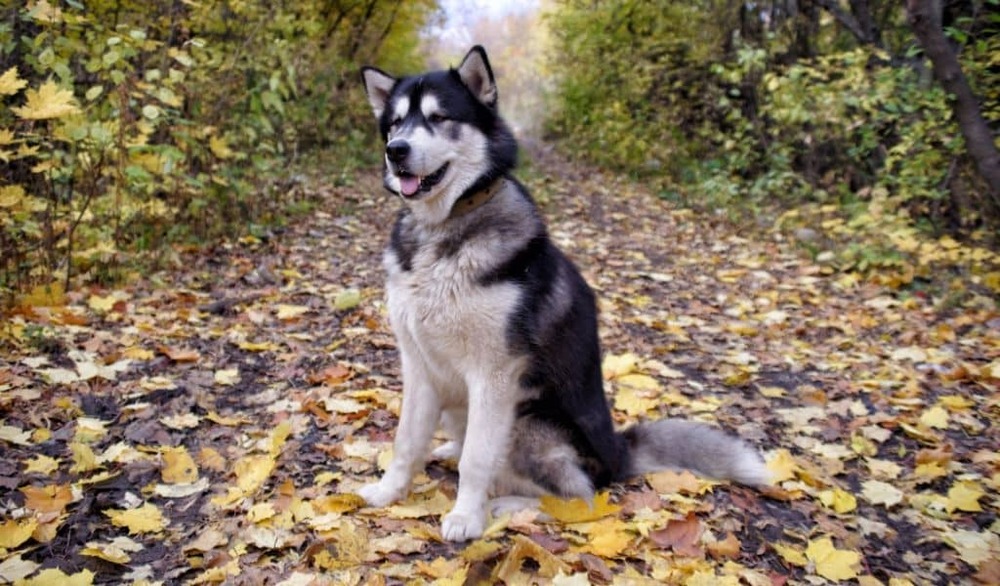
Malamutes can live in warm places, but they are not heat-tolerant by design. In Australian summer conditions, it is wise to plan walks for early morning or later in the evening, keep fresh water available, and prioritise shade and airflow at home.
Know the common signs of heat stress and heatstroke, which can include heavy panting, drooling, agitation, red or pale gums, vomiting or diarrhoea, weakness, and collapse. Heatstroke is an emergency, cool your dog with cool (not icy) water, increase airflow, and contact a vet urgently.5, 6
One gentle misconception is that shaving a Malamute automatically makes them cooler. Double coats help with insulation, including from heat, and the bigger risks are often overexertion, hot surfaces, poor ventilation, and lack of shade. If coat management is a concern, a groomer or vet can help you choose a safe approach for your individual dog.
Health considerations, and what to ask your vet or breeder
No breed is free of health issues, and large working dogs have some predictable vulnerabilities. Hip dysplasia is a developmental condition involving hip joint laxity that can lead to pain and arthritis over time. Genetics are a major risk factor, and weight management during growth also matters.7
Eye conditions are also part of the breed conversation. If you are buying a puppy, ask what health screening the parents have had and what those results mean in plain language. For adult dogs, routine veterinary checks and early attention to subtle changes in movement, stamina, or vision can make a real difference.
As always, your vet is the best guide for what is “normal” for your dog, because age, body condition, and activity level all change the picture.
Coat care, grooming, and living with the shedding
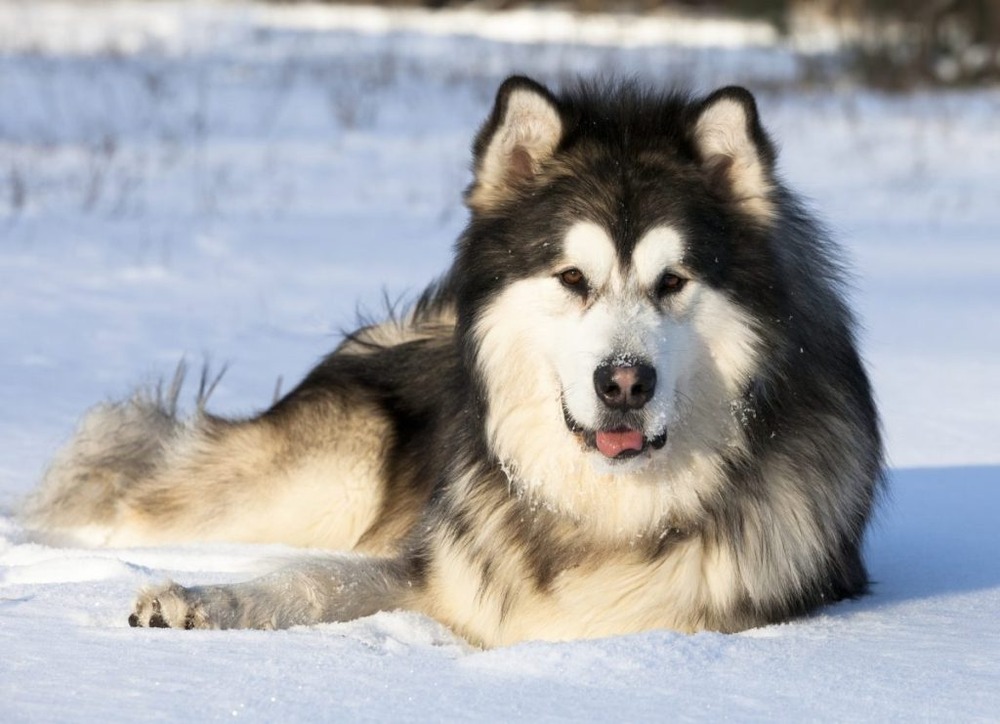
The Malamute coat is magnificent, and it comes with practical responsibilities. Most weeks, brushing once or twice is enough to keep the coat aerated and reduce matting. During seasonal shedding (often called “blowing coat”), many owners find that daily brushing is the only way to stay ahead of it.
A few care habits tend to help:
- Undercoat rake use during shedding season, used gently to avoid skin irritation.
- Check behind ears, under the collar, and around the thighs for early tangles.
- Bathing occasionally, since frequent washing can dry the skin and coat.
Grooming is also a chance to notice changes early, including new lumps, sore spots, ear irritation, or shifting weight.
Food, weight, and keeping joints comfortable
Malamutes can look solid even when they are overweight, so it helps to use body condition rather than guesswork. Many veterinary teams use structured nutrition assessments to tailor diet, treats, and portions to the individual dog’s age and activity level.3
Look for a diet that is complete and balanced for your dog’s life stage, and be cautious about adding supplements “just in case”. If you are considering joint supplements, high-protein diets, or a home-prepared plan, it is worth discussing it with your vet so it fits your dog’s medical history and workload.
For growing puppies, steady growth and a lean body condition can be especially important for long-term joint comfort in large breeds.7
Final thoughts on living well with an Alaskan Malamute
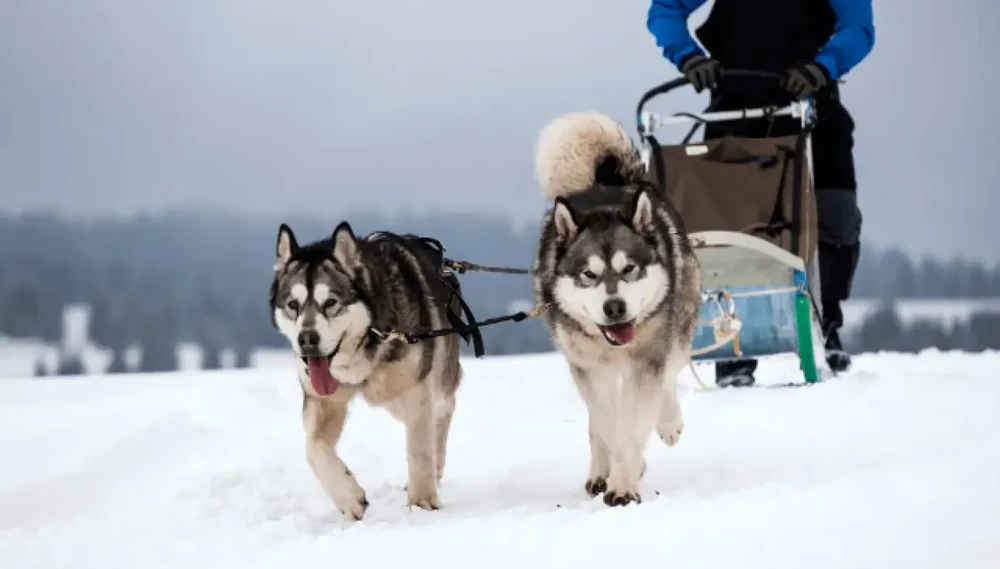
The Alaskan Malamute suits people who genuinely enjoy a capable, sturdy dog with opinions of its own. When their needs are met, many are steady companions who bring a quiet confidence to daily life. When their needs are overlooked, the same qualities that make them impressive can turn into pulling, escaping, frustration, and conflict with other dogs.
If you are drawn to the breed, it is worth choosing with eyes open: plan for training that focuses on cooperation, create a routine that respects heat, and make peace with shedding. Done thoughtfully, you end up with a dog that is very much itself, and that is part of the appeal.
References
- American Kennel Club (AKC): Alaskan Malamute history
- Alaskan Malamute Club of America (AMCA): Breed history and AKC recognition
- World Small Animal Veterinary Association (WSAVA): Global Nutrition Guidelines
- RSPCA Australia: Helping dogs during hot weather
- RSPCA NSW: Heat stress signs and first aid
- RSPCA Pet Insurance (Australia): Heatstroke and hyperthermia guidance
- American College of Veterinary Surgeons (ACVS): Canine hip dysplasia overview
- Agriculture Victoria: Heat stress in animals
- Australian Veterinary Association (AVA): Companion animal behaviour resources