

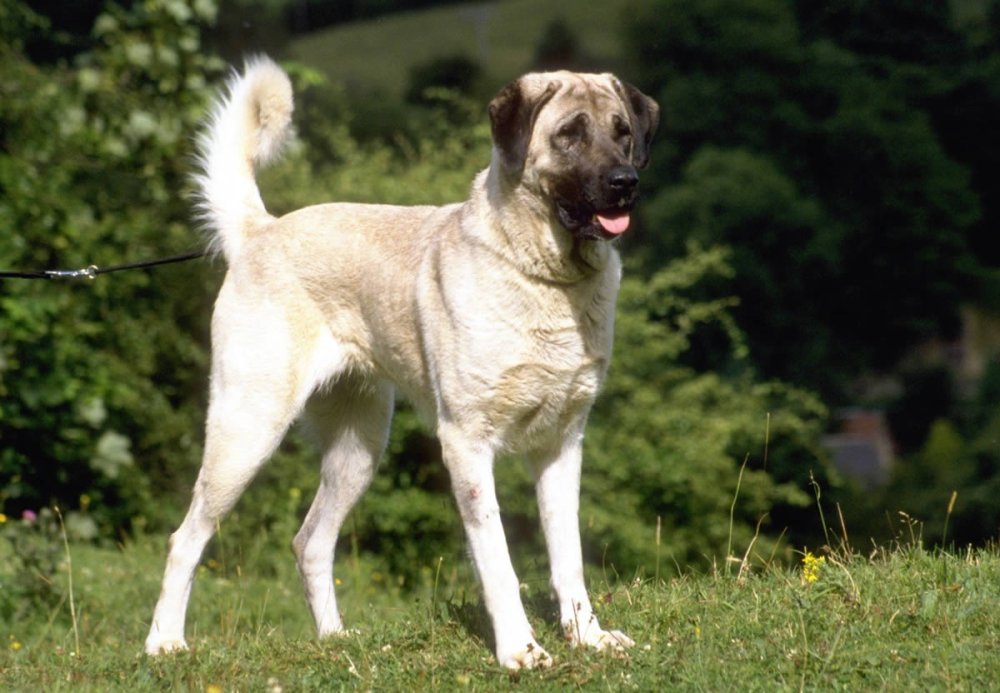
- Breed category: Working dog (livestock guardian)
- Country of origin: Turkey
- Average height: Males 74 to 81 cm, females 71 to 79 cm
- Average weight: Males 50 to 65 kg, females 40 to 55 kg
- Average life span: 11 to 13 years
- Coat type: Short to medium, dense double coat
- Common coat colours: Often fawn with a dark mask, also brindle and white
- Shedding: Moderate (heavier seasonally)
- Temperament: Loyal, watchful, independent
- Exercise needs: Moderate to high, daily movement plus room to roam
- Training: Best with experienced handling, early socialisation is essential
- Apartment friendly: Usually not ideal, does best with space
- Common health concerns: Hip dysplasia risk, bloat (GDV) risk
People often start looking into the Anatolian Shepherd because something about a big, quiet dog catches their attention. Maybe you have met one that stood back and watched the whole room, or you have seen a “guardian breed” mentioned in a farm context and wondered how that translates to ordinary pet life.
It is easy to assume a large dog is simply a larger version of any other companion breed, just needing more food and a bigger bed. With Anatolian Shepherds (often called Karabash), the difference is more about purpose and instincts than size. They were shaped to work at a distance, make decisions, and take responsibility for what is “theirs”, whether that is livestock, a property, or a family routine.
That can be a wonderful fit in the right home, and a stressful mismatch in the wrong one. Understanding what these dogs were bred to do helps you plan for the reality of living with one, including training, boundaries, and day-to-day management.
Where the Anatolian Shepherd comes from
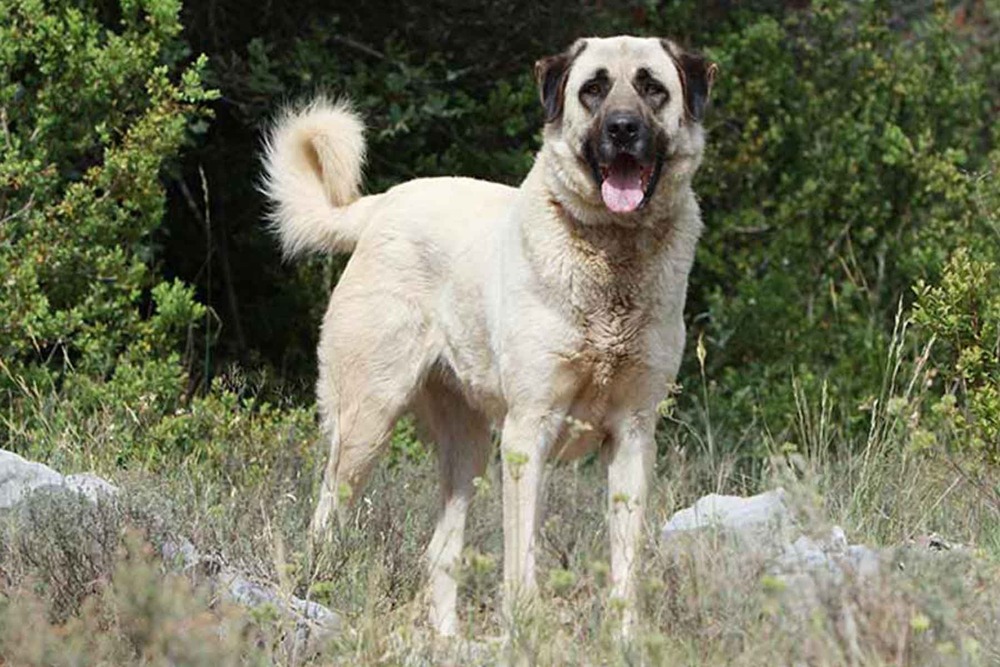
The Anatolian Shepherd is a Turkish livestock guardian, developed over generations in rural areas where dogs needed to stay with animals, cope with weather, and respond to predators without constant direction. The name “Karabash” is commonly used, and you will also see “Anatolian Shepherd Dog” used by kennel clubs and in breed literature.
Rather than being selected for close, handler-focused work (like many herding breeds), these dogs were valued for steadiness, judgement, and the ability to hold ground when it mattered. In modern homes, that heritage often shows up as a dog that can be calm, observant, and selective about strangers, particularly on their own property.
The Anatolian Shepherd was recognised by the American Kennel Club in 1996, which is sometimes referenced in breed profiles and paperwork for imported lines.1
Temperament, daily life, and what “protective” really looks like
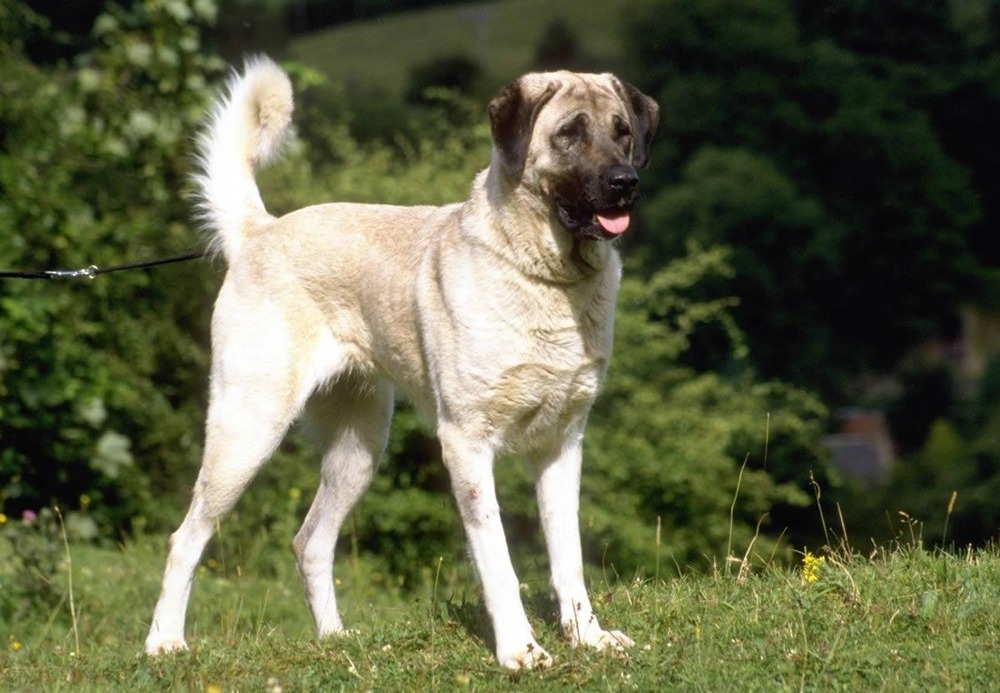
Many Anatolian Shepherds are not especially busy dogs indoors. They often prefer to settle where they can watch, and they may do quiet “patrols” of the yard. Owners sometimes describe this as independence, but it is also a working style that relies on assessment.
Protection in this breed is typically less about constant barking and more about presence, positioning, and deciding what is normal. That can be helpful if you want a dog that takes the home seriously. It can also create challenges if guests come and go often, or if you live in a neighbourhood where dogs regularly meet at fences.
It helps to think in terms of clear roles and boundaries. Your dog does not need to decide who is welcome. That is your job, taught calmly and repeatedly through controlled introductions, routines, and management.
Family suitability, children, and other pets
Anatolian Shepherds can live well with families, including children, when the set-up suits them. The key word is suitability. These are large, strong dogs with a guarding history, and their best qualities come out when home life is predictable and adults are confident about handling and supervision.
With children, focus on safety and dog comfort rather than expecting patience on demand. Teach kids not to climb on the dog, approach while the dog is resting, or crowd the dog during meals. Supervision is not a sign of mistrust, it is simply good practice with any giant breed.
With other pets, early introductions matter, and so does the dog’s job. Some Anatolians are very tolerant with animals they consider “theirs”. Others can be territorial, especially with unfamiliar dogs arriving on the property. If you are hoping for dog-park sociability, it is worth knowing that many livestock guardians are not social butterflies by design.
Training and socialisation that suits a guardian breed
Training an Anatolian Shepherd is less about drilling tricks and more about building workable communication. Because they were bred to make decisions, many will not respond well to heavy-handed methods or attempts to “dominate” them. In practice, you will usually get better results with calm consistency, sensible rewards, and management that prevents rehearsing unwanted behaviour.
Reward-based training is widely recommended by animal welfare organisations, including the RSPCA. Approaches that rely on punishment and aversive tools can increase risk and undermine the relationship, particularly in powerful dogs where stress and conflict have real consequences.2, 3
Socialisation should be thoughtful, not frantic. The goal is not to meet everyone, it is to learn that new people, places, and noises are safe and predictable. The RSPCA emphasises giving puppies choice, keeping sessions positive, and avoiding forcing interactions when a puppy is unsure.4
Practical focus areas that tend to matter in real homes:
- Comfort wearing and walking on lead, even around distractions.
- Calm greetings, including learning to settle while visitors arrive.
- Reliable recall and boundary training in securely fenced areas.
- Co-operative handling (ears, feet, brushing), started gently and early.
Exercise, space, and mental load
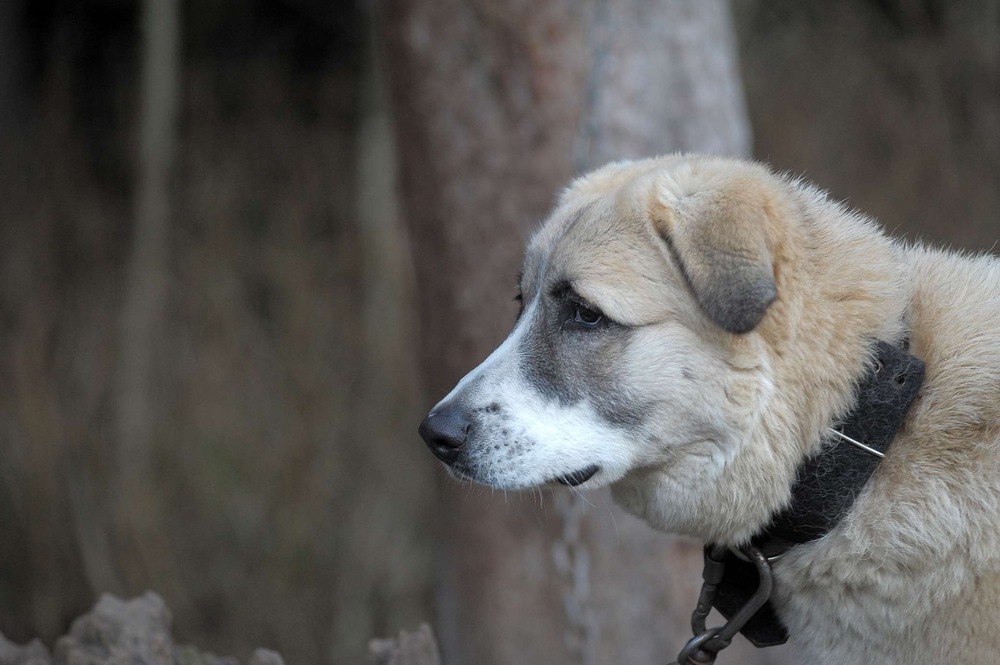
These dogs usually do best with space, but “space” is not only about land size. It is also about the dog’s ability to move around without being constantly triggered by neighbours, passers-by, and other dogs at the fence line.
Daily exercise matters, but it does not need to look like nonstop running. Many Anatolians benefit from steady walks, sniffing time, and a chance to move their body without being pushed into over-arousal. Puzzle feeding, basic training sessions, and structured jobs (such as carrying a well-fitted pack once mature, if your vet agrees) can help provide quiet mental work that suits their temperament.
Because they have a dense coat and can be sensitive to heat, plan activity around cooler times of day. Heat stress is a genuine risk for large dogs, and prevention advice generally includes avoiding hot conditions, providing shade and water, and keeping pets in cool indoor areas when temperatures climb.7
Health considerations: hips, bloat, and sensible prevention
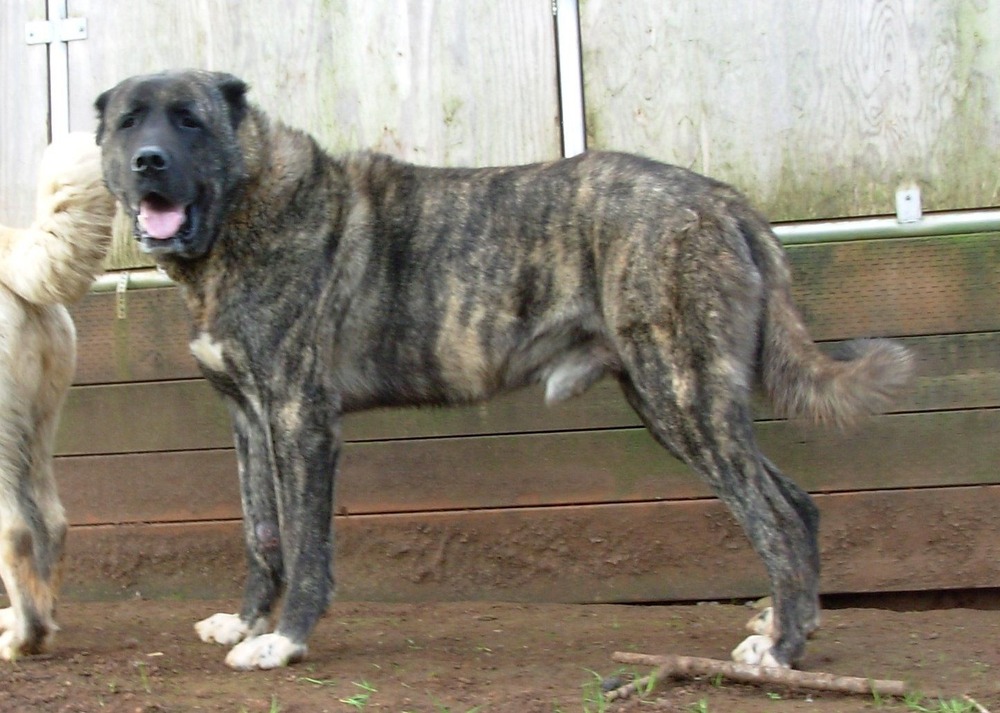
Anatolian Shepherds are often described as hardy, but they are still a giant breed, and giant breeds come with predictable management issues.
Hip dysplasia is a known concern across many large dogs. Good breeders screen breeding stock, and good owners keep growing puppies lean, avoid high-impact exercise on developing joints, and work with their vet on any early signs of stiffness or uneven gait.
Another serious risk is gastric dilatation-volvulus (GDV), often called bloat. It is a time-critical emergency that can progress quickly and requires immediate veterinary care. Risk factors include deep-chested conformation and feeding patterns such as one large meal daily. Long-term management advice commonly includes splitting food into multiple smaller meals and being careful about intense activity around mealtimes.5, 6
Coat care and grooming, what “low maintenance” really means
The coat is generally straightforward, but it is not “no maintenance”. Weekly brushing is a realistic baseline for most households, with more frequent brushing during seasonal sheds. This is less about looking tidy and more about skin health, comfort, and keeping coat from compacting, particularly around the neck, behind the ears, and along the thighs.
Keep nails trimmed, check ears, and build tolerance for handling early. In a big dog, co-operative care is not optional. It is a kindness, and it makes vet visits and grooming safer for everyone.
Feeding well without getting lost in food marketing
Many Anatolian Shepherds will do well on a high-quality complete diet, but “high-quality” is not always obvious from the front of the bag. Ingredient lists can be persuasive and still not tell you much about overall formulation or suitability.
The World Small Animal Veterinary Association (WSAVA) Global Nutrition Committee provides guidance and tools that encourage owners to look for more meaningful markers, such as whether the manufacturer has qualified nutrition expertise and transparent quality control, and to treat nutrition as something to review with the veterinary team over time.8, 9
If your dog is at risk of GDV, talk with your vet about feeding routines. For many deep-chested dogs, splitting the daily ration into two or three meals, slowing down fast eating, and keeping exercise calmer around mealtimes are practical steps that may help reduce risk.5, 6
Final thoughts on living with an Anatolian Shepherd
The Anatolian Shepherd can be a steady, impressive companion in the right home. They often suit people who value calm presence, who are comfortable with a dog that thinks for itself, and who can provide space, secure fencing, and training that respects the breed’s working style.
If you are choosing this breed, the most helpful question is not “are they loyal?” Most are. It is whether you can meet the day-to-day needs that come with a large guardian mindset, including early socialisation, sensible boundaries, and health-aware routines.
References
- American Kennel Club: Breeds by Year Recognized
- RSPCA Knowledgebase: Is it important to train my dog? What sort of training would you recommend?
- RSPCA ACT: Dog Training School (reward-based training)
- RSPCA Knowledgebase: How can I socialise my puppy?
- American College of Veterinary Surgeons: Gastric Dilatation-Volvulus (GDV) and gastropexy
- American Animal Hospital Association (AAHA): Understanding canine bloat (GDV)
- American Animal Hospital Association (AAHA): How can I prevent heatstroke in my pet?
- WSAVA: Global Nutrition Guidelines
- WSAVA Global Nutrition Toolkit (PDF): Selecting a pet food for your pet