

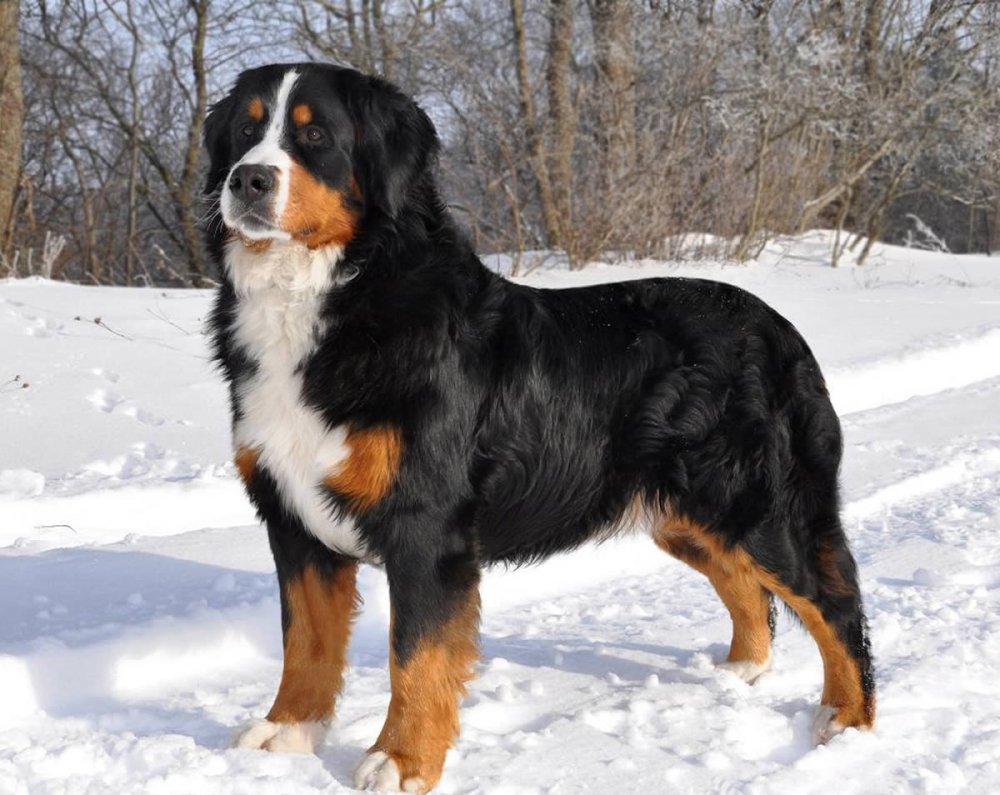
You usually come across the Appenzeller Sennenhund (often called the Appenzell Mountain Dog) in a fairly ordinary way. Someone mentions a striking tri-colour dog with a curled tail, you see one powering through an agility course, or you meet a dog who seems constantly “on”, watching everything and ready to move. Then you start wondering what they are like to live with, and whether that sharpness is a training issue or simply the breed showing up as designed.
It can be tempting to think of Swiss mountain dogs as big, placid family companions. The Appenzeller is related to those breeds, but it tends to be lighter on its feet, more vocal, and more driven to work. That can be a joy in the right setting, and a frustration in the wrong one.
What matters most in practice is not whether the Appenzeller is “rare” or “beautiful”, but whether their daily life includes enough movement, thinking, and calm structure. When those needs are met, they can be steady and enjoyable to live with. When they are not, the same intelligence and energy can spill out as nuisance barking, restlessness, and boundary-testing.
- Breed category: Working and herding type
- Country of origin: Switzerland
- Height: Males 52 to 56 cm, females 50 to 54 cm (at the withers)1
- Weight: Commonly around 22 to 32 kg (varies by build and condition)
- Life expectancy: Often around 12 to 14 years2
- Coat: Short, dense double coat, always tri-coloured in the breed standard1
- Exercise needs: High, daily physical and mental work
- Grooming: Generally low to moderate, more brushing during seasonal shed
- Notable traits: Tight curled tail (carried over the back when moving), alert watchfulness, confident working style2
History and origin
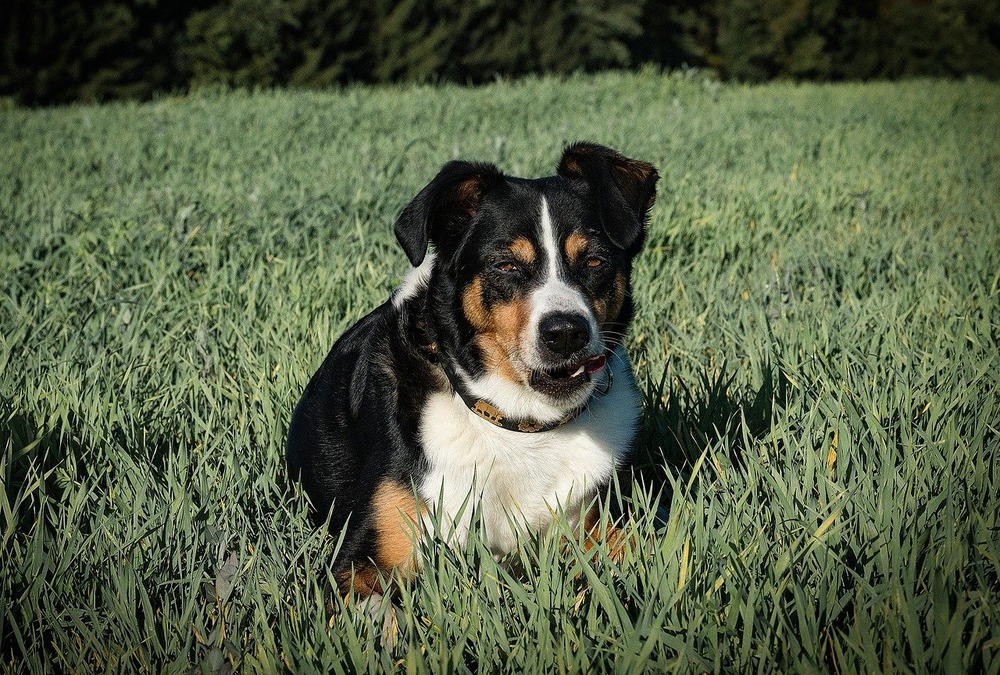
The Appenzeller Sennenhund comes from the Appenzell region in north-eastern Switzerland, developed as a practical farm dog. The job was not delicate: moving cattle, minding property, and coping with rough terrain and weather. A dog that hesitated, tired easily, or lost focus simply did not suit the work.
Written descriptions of this type of dog appear in the mid-1800s, and organised breeding followed later. In Switzerland, the breed was treated as distinct by the late 1800s, with a club formed in the early 1900s to help preserve type and working ability.3
Today, many Appenzellers live as companions, but the blueprint is still that of a cattle dog and farm guardian: fast, responsive, and watchful. This is why they often look like they are “reading” the environment, even on an ordinary suburban walk.
What they look like, and why it matters
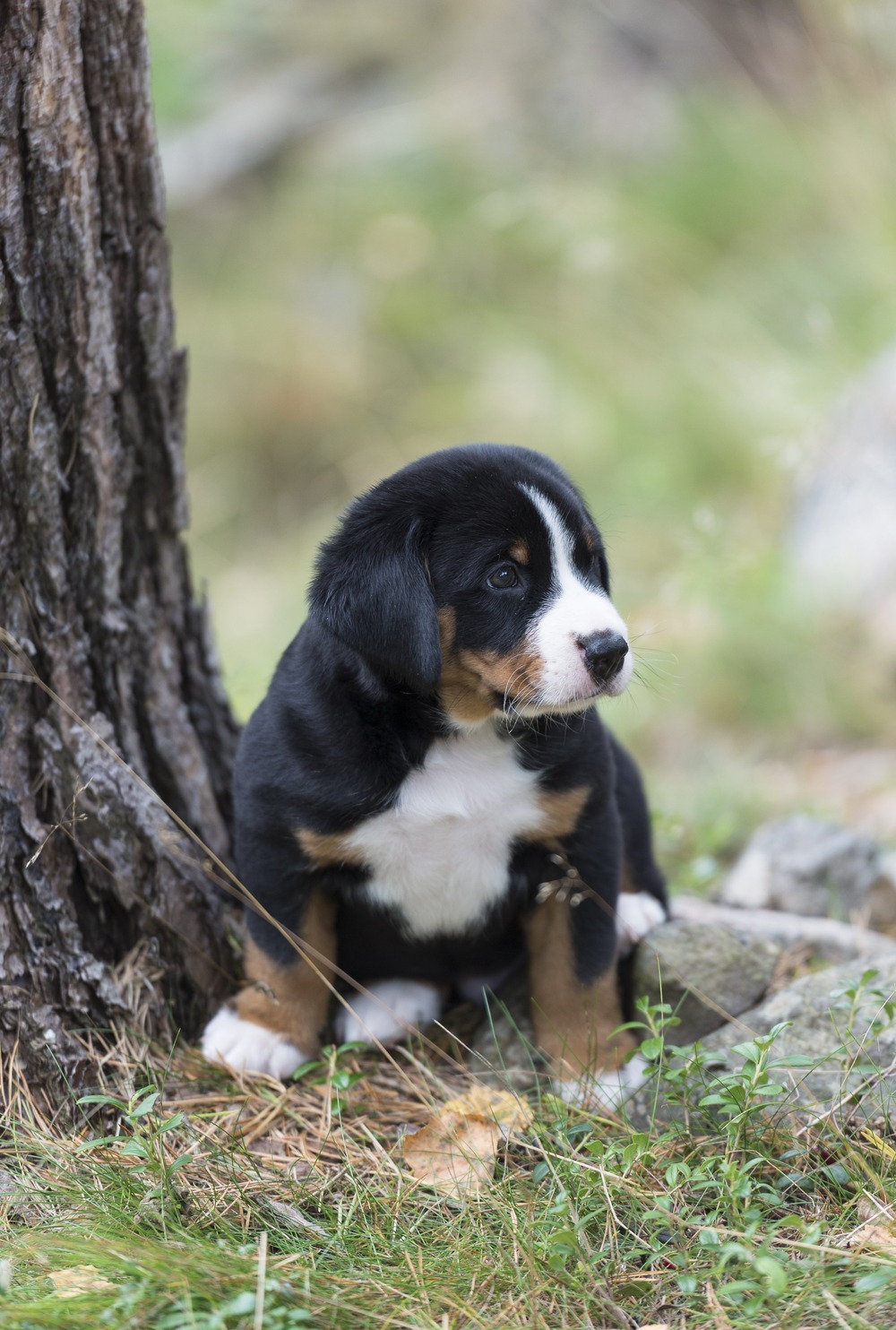
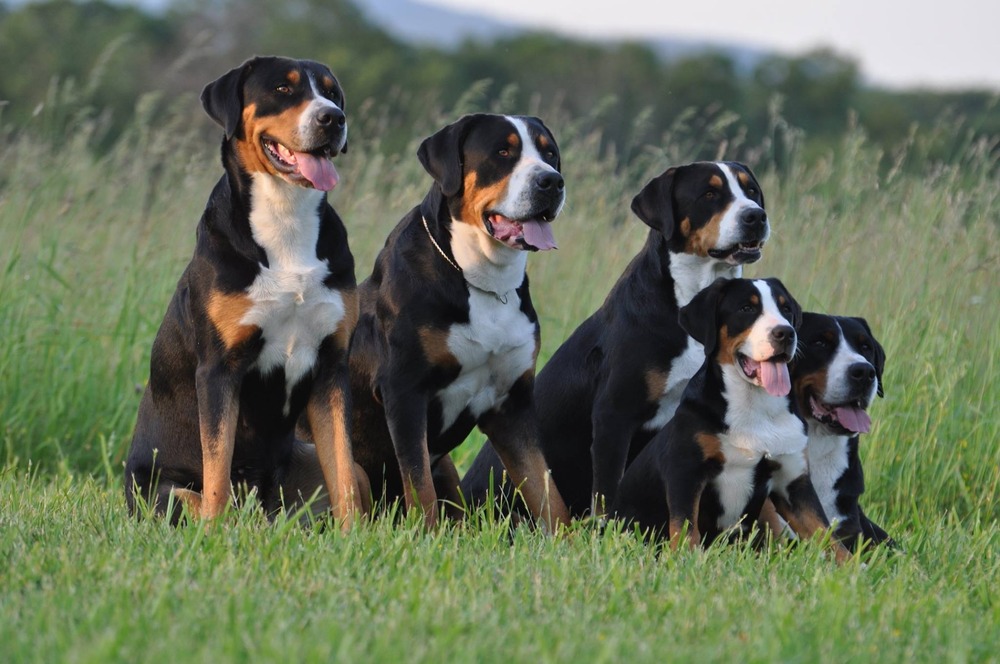
The Appenzeller is medium-sized and close-coupled, with a near-square outline. In the breed standard, males are typically 52 to 56 cm at the withers, and females 50 to 54 cm, with a short, dense double coat.1 Their tri-colour pattern is part of the standard, with a black (or brown) base and symmetrical tan and white markings.1
The tail is one of the easiest tells. In motion, it is carried in a tight curl over the back.2 That tail carriage is not just decoration. It tends to go with a dog who is physically confident, quick to accelerate, and ready to change direction.
In everyday life, that athletic build has practical implications. A young Appenzeller can clear a low fence, launch into a car boot, or pivot hard at the end of a lead. If you enjoy training, hiking, or dog sport, this can feel like a natural fit. If you were hoping for a dog who is content with a brief stroll, it can feel like you are living with a coiled spring.
Temperament and behaviour in real homes
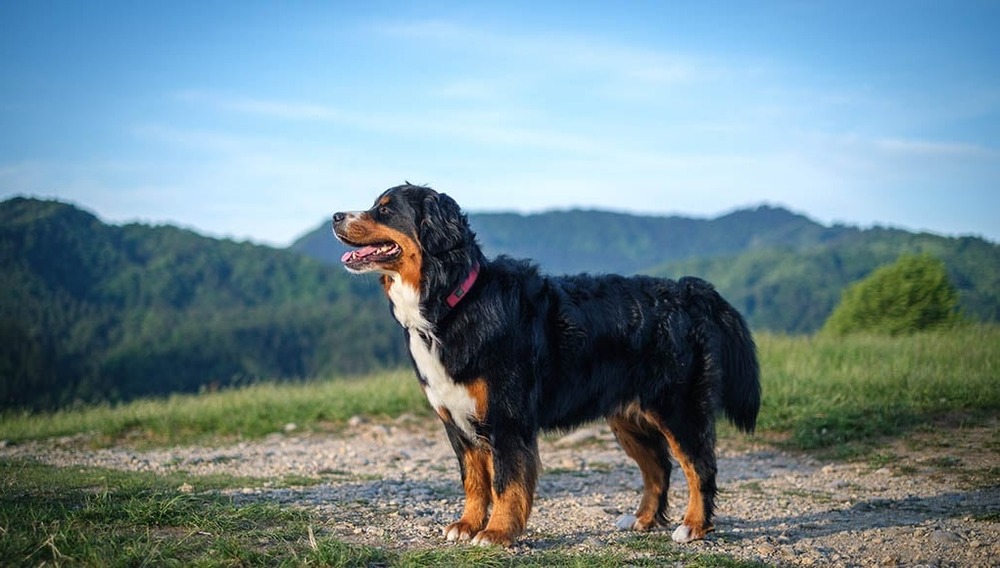
The Appenzeller is typically described as lively, self-confident, reliable, and alert, often with a degree of suspicion around strangers (without being timid).1, 2 In a home setting, that can look like a dog who notices everything: movement at the front fence, visitors approaching, or changes in routine.
This is where expectations really matter. Many behaviour challenges people report are not “bad temperament” so much as unmet working needs. A dog bred to make decisions in a farmyard may invent jobs if none are offered. That can show up as patrol behaviour, herding children or other pets, or persistent vocalising.
With children, supervision is still important. Appenzellers can be affectionate and playful, but their speed and intensity can bowl over a smaller child, and herding behaviours can appear when the household is noisy or chaotic. The goal is not to suppress the breed, but to channel it: clear routines, structured play, and calm training that teaches an off-switch as well as enthusiasm.
Training and exercise that suits the breed
Appenzellers tend to learn quickly, which is wonderful when you are teaching skills you actually want. It is less wonderful when they are rehearsing habits you do not. Early training and socialisation are worth treating as part of normal care, like grooming and vet checks.
Reward-based training is widely recommended by welfare organisations because it is effective and avoids the risks associated with aversive methods and equipment.4, 5 For a breed that can be bold and environmentally focused, it also helps you stay relevant to your dog without escalating conflict.
Practical activities many Appenzellers enjoy include:
- Long, varied walks with time to sniff and explore
- Hiking, running beside a bike (once mature and conditioned), or structured fetch
- Training games that use impulse control, stationing (mat work), and recall
- Dog sports such as agility, obedience, and herding-style outlets (where available)
One gentle misconception is that “more exercise” always fixes behaviour. Movement matters, but so does teaching your dog how to settle. For many Appenzellers, learning to relax indoors is a skill, not a default.
Health, lifespan, and sensible prevention
Appenzellers are often robust, but like many medium to large, athletic breeds, orthopaedic issues can occur. Hip dysplasia is a commonly discussed concern across breeds, and responsible breeders may screen breeding dogs through established schemes and registries.6 Eye issues are also sometimes mentioned in breed discussions, which is a good reason to keep regular veterinary checks and to ask breeders about health testing.
Average lifespan is often given as about 12 to 14 years, although individuals vary.2 The best long-run protection is not exotic supplements or intense routines. It is the unglamorous basics: appropriate body condition, gradual fitness building, good parasite control, and a vet relationship that does not begin only when something goes wrong.
If you want a simple prevention checklist, these are the habits that tend to pay off:
- Keep your dog lean and well-muscled, especially through adolescence and early adulthood.
- Build exercise gradually, and avoid repetitive high-impact jumping in very young dogs.
- Book regular health checks, and ask your vet what screening makes sense for your dog’s age and lifestyle.
- Use dental care as normal hygiene, not an occasional “fix”.
Grooming, shedding, and the everyday reality
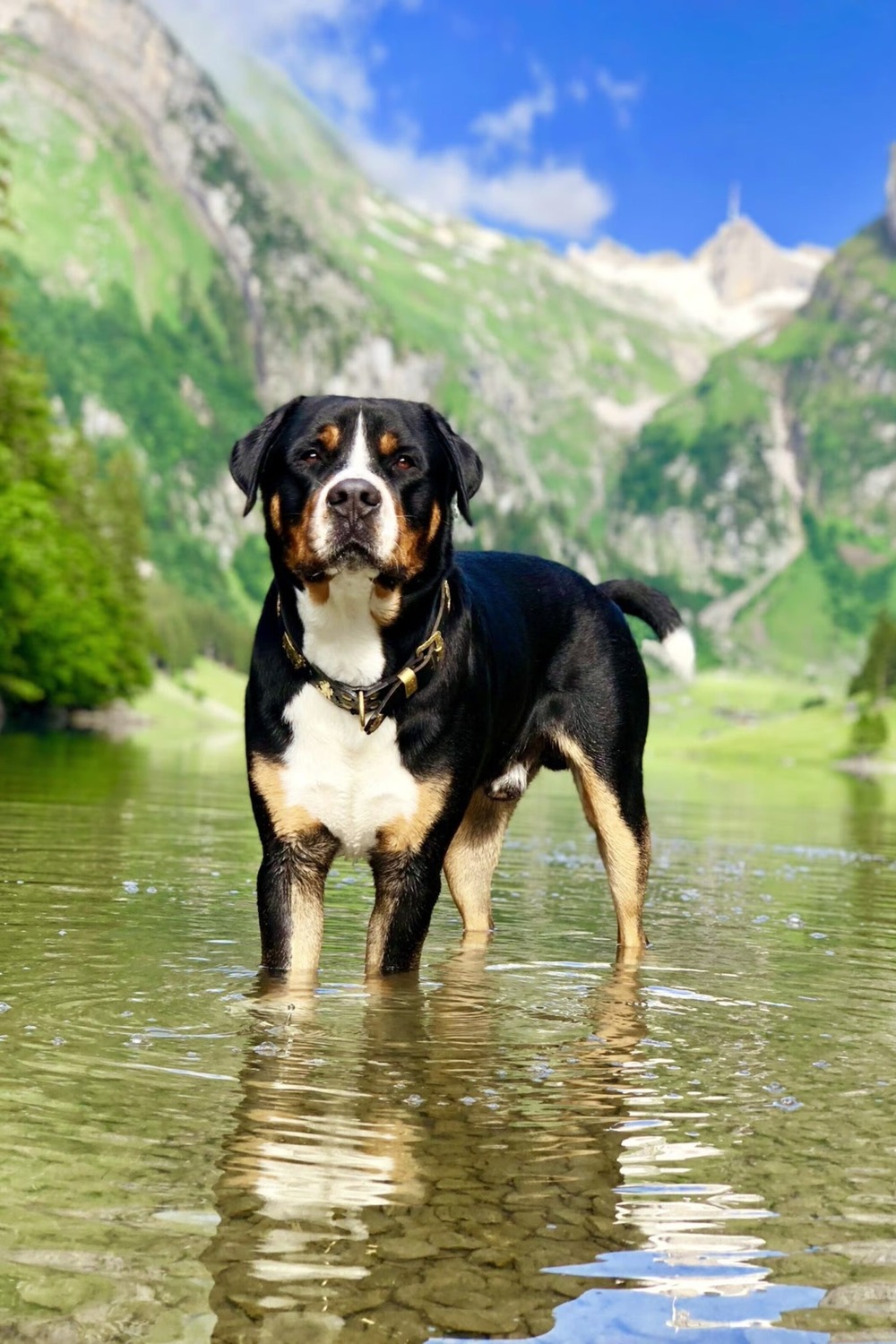
The coat is short, dense, and double, which usually means it is straightforward to look after but not magically “non-shedding”. Weekly brushing is often enough most of the year, with more frequent brushing during seasonal coat drop.
Because the coat sits close to the body, you will usually notice dirt less than you would on a longer-coated breed. Many owners find they bathe only as needed. Regular nail trims and ear checks matter more than elaborate coat routines, and they are easier when introduced gently from puppyhood.
In Australian summers, pay attention to heat. Double-coated dogs can overheat, especially when exercised at the wrong time of day. Hot-weather guidance commonly includes shade, cool water, and timing walks for mornings or evenings.7, 8
Diet and nutrition, without the noise
Appenzellers usually do best on a consistent, complete diet that suits their age and activity. If you have ever found yourself staring at a pet food label and feeling none the wiser, you are not alone. Nutrition guidelines for pet owners point out that ingredient lists can be misleading, and recommend using more meaningful information when choosing a food, such as the manufacturer’s expertise and quality control, nutrient adequacy statements, and how your individual dog does on the diet over time.9
Portion size is not a fixed number. It changes with season, workload, age, and whether your dog is naturally efficient or burns energy like a machine. Your best guide is body condition. You should be able to feel ribs with light pressure, and see a waist from above.
A few practical cautions are worth keeping close:
- Avoid sudden diet changes. Transition slowly to reduce stomach upsets.
- Be careful with high-value treats in training, because they add up quickly in a smart, food-motivated dog.
- Keep known toxic foods out of reach. If you are unsure about a specific item, check a veterinary poison advice resource rather than guessing.
Is an Appenzeller right for you?
This breed often suits people who genuinely enjoy the daily rhythm of training, exercise, and giving a dog something meaningful to do. If you like a dog who notices things, stays close to the household’s movements, and is keen to participate, an Appenzeller can feel like a real partner.
They can be more challenging in homes that are time-poor, noise-sensitive, or hoping for a dog who is content with minimal stimulation. Space helps, but it is not the whole story. A bored Appenzeller in a big yard can be just as inventive as one in a small home.
If you are considering the breed, it is worth meeting adult dogs, not just puppies, and talking to breeders or breed clubs about typical energy levels, vocal tendencies, and what “enough” looks like day to day.3
References
- Fédération Cynologique Internationale (FCI): Appenzell Cattle Dog (Standard No. 46)
- Wikipedia: Appenzeller Sennenhund (overview and characteristics)
- Appenzell Mountain Dog Club of America: Breed history and recognition
- RSPCA Knowledgebase: Training recommendations and reward-based methods
- RSPCA Knowledgebase: What is reward-based training and why RSPCA supports it
- Orthopedic Foundation for Animals (OFA): Hip dysplasia information
- RSPCA Australia: Keeping your pet safe during heat
- Agriculture Victoria: Caring for animals during extreme heat (pets section)
- WSAVA: Global Nutrition Guidelines (pet owner tools and selecting a pet food)