

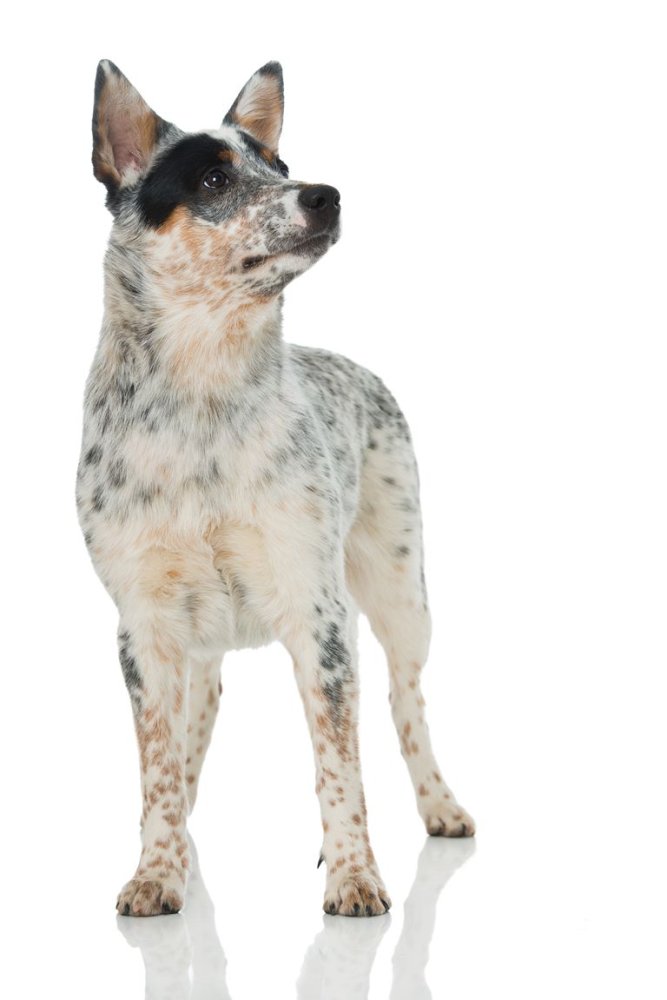
People often meet an Australian Cattle Dog in motion: pacing the fence line, shadowing a runner, or quietly positioning themselves where they can see the whole household. At first glance they can look like a neat, medium-sized dog who will be happy with a decent walk and a backyard.
Then the questions start. Why do they seem to notice everything? Why do they try to control movement, especially kids, bikes, or visiting dogs? And why can a dog that looks so solid still be surprisingly sensitive to boredom, rough handling, or inconsistent rules?
The Australian Cattle Dog, also called the Blue Heeler or Queensland Heeler, was shaped for long days of hard work in Australian conditions. Understanding that working background makes everyday life with the breed much easier, from training choices and exercise planning to health checks and what “good temperament” looks like in a dog bred to think for themselves.
Australian Cattle Dogs and their working origins
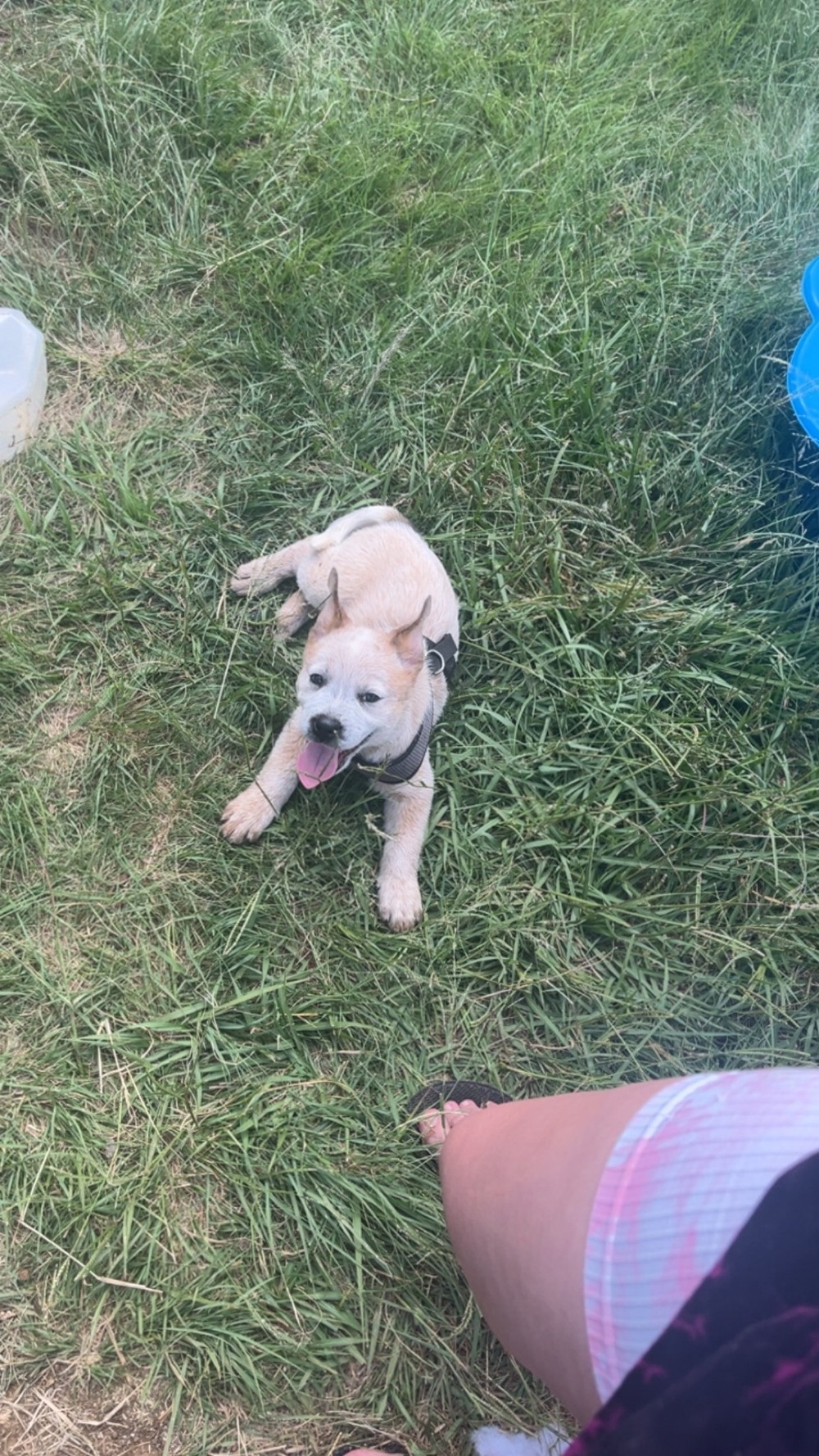
The Australian Cattle Dog developed in the 1800s to move cattle across distance, heat, rough ground, and noise. Early breeding efforts are commonly linked with Thomas Simpson Hall and the dogs later known as Hall’s Heelers, created by crossing selected dingoes with imported herding dogs, then refined over time by other breeders into a recognisable type.1, 2
That history matters because it explains the breed’s default settings: they are built for stamina and decision-making, and they often work best when the job is clear. Without that clarity, some dogs invent their own, such as patrolling, chasing, or “organising” the household.
Why “heeling” shows up at home
The nickname “heeler” comes from a practical technique used on livestock, nipping at heels to shift a stubborn animal’s movement. In family life, the same instinct can appear as chasing or nipping at fast-moving children, joggers, scooters, or other dogs. It is not “badness”, it is unchannelled herding behaviour, and it needs thoughtful training and management rather than punishment.
Temperament in real life: loyal, watchful, and busy-minded
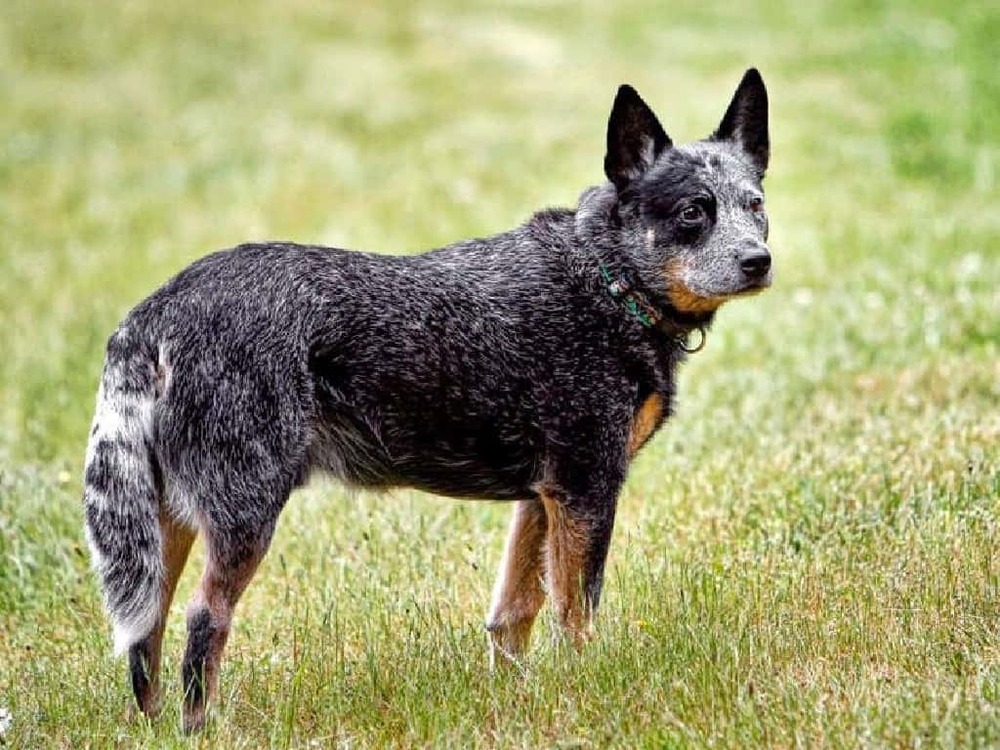
Australian Cattle Dogs are widely described as loyal, alert, and highly intelligent, but those words can be misleading if you picture an easy-going dog who simply wants to please. Many are affectionate with their people, cautious with strangers, and quick to form habits, both helpful ones and unhelpful ones.
A common pattern is deep attachment to one or two people, with a strong interest in what everyone is doing. In a well-run home this becomes a dog who settles once their needs are met. In a chaotic home it can become a dog who is constantly “on”, which is exhausting for everyone.
If you are choosing the breed, it helps to plan for structure, outlets, and rest, not only long exercise. A tired cattle dog is not always a calm cattle dog if their brain is still searching for a problem to solve.
Children and other pets
Many Australian Cattle Dogs live successfully with children and other animals, but they tend to do best when adults actively guide interactions. For kids, the biggest risks are accidental herding games, chasing, and mouthy play that escalates. For other pets, early socialisation and clear boundaries are important, especially around running and squealing, which can trigger chase behaviour.
Training and exercise that actually suits the breed
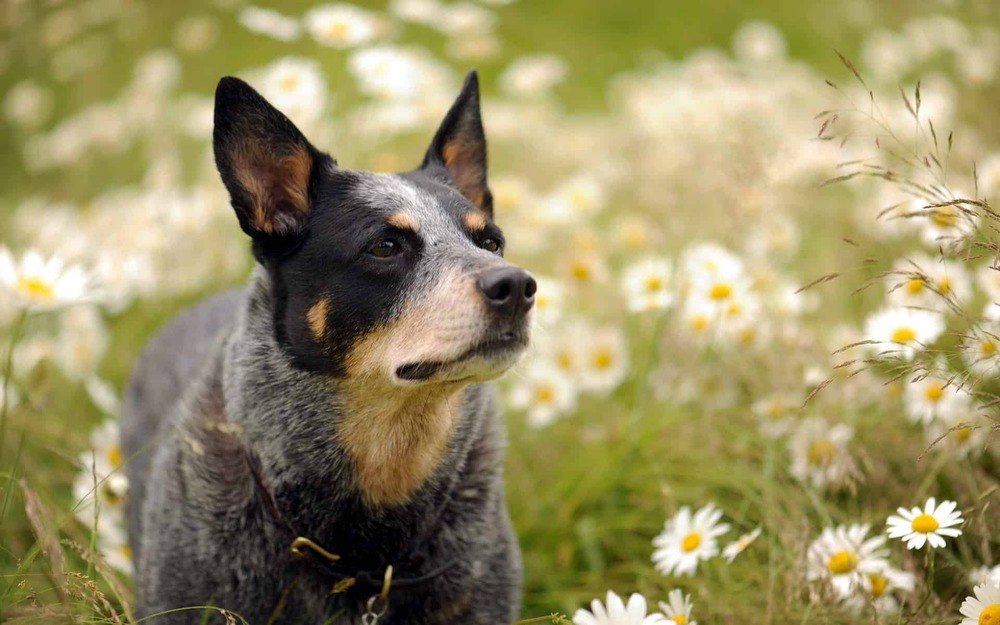
Because they are clever, Australian Cattle Dogs often learn quickly, but they also notice patterns quickly. If jumping up, barking, or chasing works even once, some dogs will keep trying it. Training tends to go best with consistent rules, short sessions, and rewards that match the dog’s motivation.
Exercise is essential, but it is only one piece. Many cattle dogs need both physical outlets and “thinking work” to feel balanced. Depending on the dog and your lifestyle, that might include structured walks with sniff time, retrieve games with rules, agility foundations, scent work, trick training, or controlled herding-style games that emphasise calm starts and calm finishes.
Practical daily rhythm
- Movement with purpose, not only free running.
- Brain work built into the day, even 5 to 10 minutes at a time.
- Planned rest, so the dog learns how to switch off.
It is worth noting that “more and more exercise” can sometimes create a fitter dog who needs even more to feel satisfied. Building calmness as a trained skill is often the missing ingredient.
Health and lifespan: what to watch, what to test
Australian Cattle Dogs are generally robust, with many living into their teens. Breed sources commonly cite a lifespan around the low-to-mid teens, with individual variation based on genetics, diet, injury history, and overall care.1
Like all breeds, they do have known inherited risks. Two that come up regularly in the Australian Cattle Dog are congenital deafness and inherited eye disease, including forms of progressive retinal atrophy (PRA).7, 8
Deafness and BAER testing
Some Australian Cattle Dogs are born deaf in one ear or both. The most reliable way to test hearing is the BAER test (Brainstem Auditory Evoked Response), which can detect unilateral and bilateral deafness, including in young puppies.7
If you are buying a puppy, it is reasonable to ask whether the litter was BAER tested and to view documentation. If you already live with a cattle dog and suspect hearing issues, your vet can advise on referral options for BAER testing.
Eye disease and screening
PRA is not one single condition, and different genetic variants exist across dog breeds. For Australian Cattle Dogs, one DNA-tested form is rcd4-PRA, and results can be used by breeders to reduce the risk of producing affected puppies. Even with DNA testing, routine eye examinations remain valuable because not all eye disease is explained by one mutation.8, 9
Coat care, shedding, and weather comfort
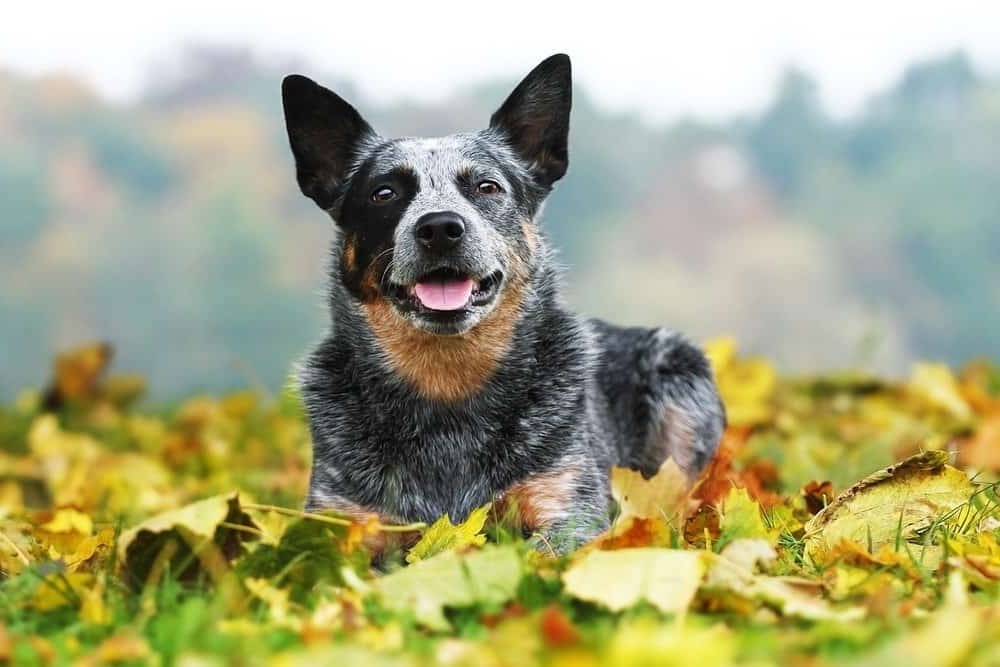
The Australian Cattle Dog has a short, dense double coat designed for working outdoors. For most dogs, grooming is straightforward: a weekly brush, more often during seasonal shedding, plus regular nail trims and ear checks.
They often cope well with heat when given shade and water, but they can still overheat during intense exercise. In colder areas, some dogs appreciate extra warmth at night, especially older dogs or those with leaner builds.
Feeding and body condition for an active, compact dog
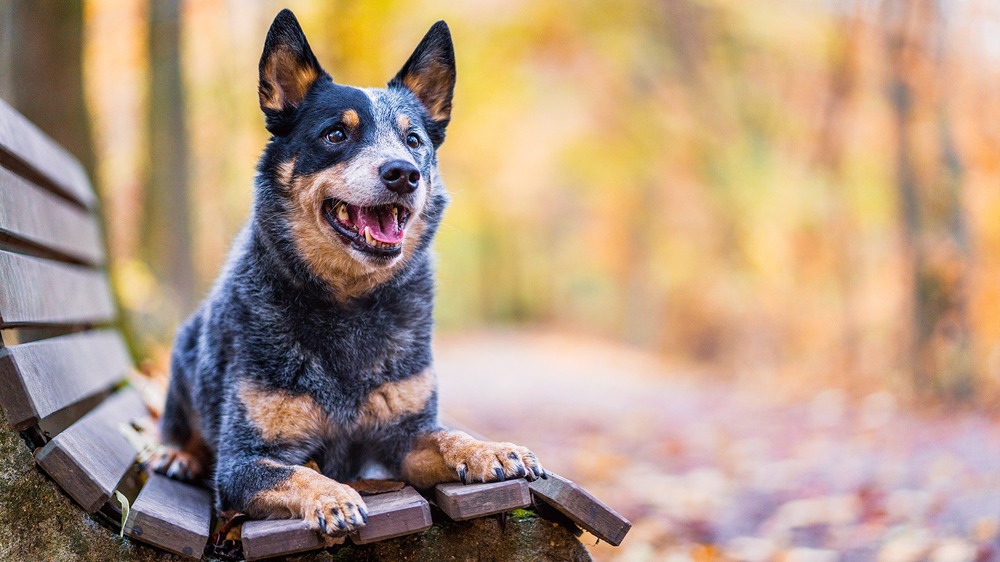
Cattle dogs are usually economical movers with strong appetite cues, which means it is easy to overfeed if you rely on “looks hungry” as your guide. Aim for a diet that suits the dog’s age and workload, and use body condition as your truth check.
If your dog trains regularly, consider saving part of their daily food as training rewards, rather than constantly adding extra treats. It keeps motivation high without quietly inflating calories. When in doubt, your vet can help you set a target weight range and adjust portions gradually.
Interesting notes: Bluey and the longevity story
You will often hear the name Bluey attached to the breed, and for good reason. Bluey, an Australian Cattle Dog from Rochester in Victoria, died on 14 November 1939 at the age of 29 years and five months. This age is widely reported as the longest reliably documented canine lifespan and has been linked with Guinness World Records coverage, including later re-examination of other claims that did not hold up to scrutiny.3, 4
It is a lovely piece of Australian dog history, but it is also an outlier. Most well-cared-for cattle dogs will not reach anything like that age, and it is kinder to plan around good everyday health, sound joints, dental care, and a life that fits the dog in front of you.
Living well with an Australian Cattle Dog
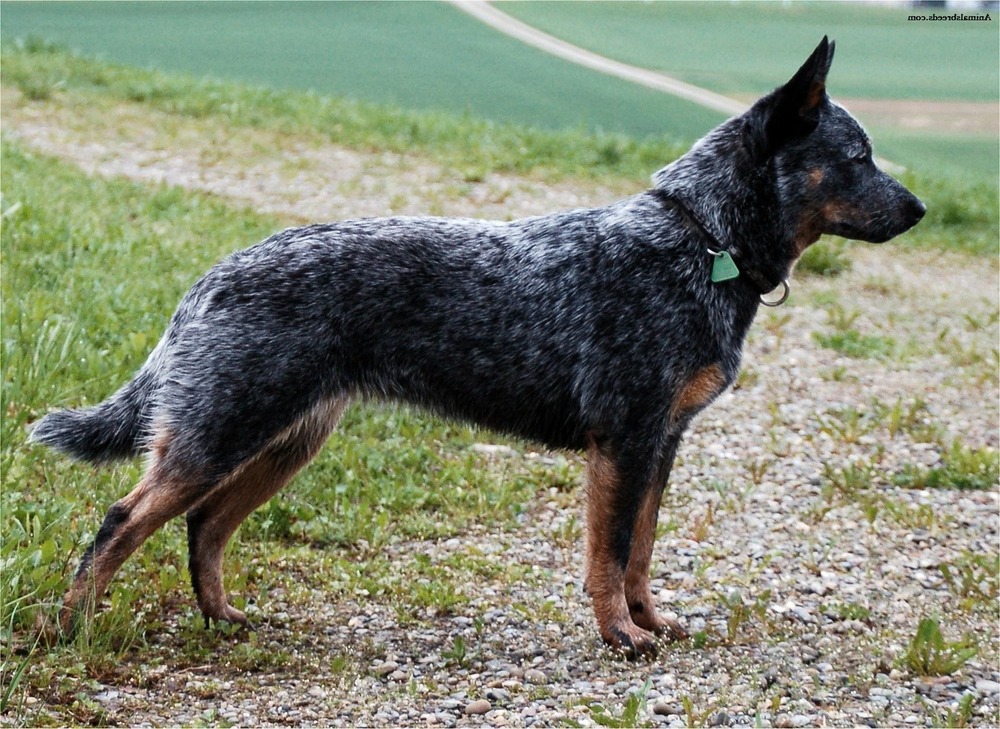
The best Australian Cattle Dog homes are not always the biggest or the bushiest. They are the ones that provide clear guidance, meaningful activity, and enough quiet time for the dog to truly settle. These dogs can be deeply rewarding companions when their instincts are acknowledged rather than argued with.
If you are considering the breed, look for a breeder or rescue who can talk honestly about temperament, health testing (especially BAER and eye screening), and what the dog is like on an ordinary Tuesday, not only when they are performing.7, 9
References
- Wikipedia: Australian Cattle Dog
- Wikipedia: Halls Heeler
- ABC News: Rochester’s Bluey reclaims title of world’s oldest dog after Guinness World Records reviews Bobi’s credentials
- The Guardian: Bobi the Portuguese mastiff stripped of record as world’s oldest ever dog
- American Kennel Club: Breeds by Year Recognized
- Australian Cattle Dog Club of America: Breed Origin (AKC recognition timeline)
- Australian Cattle Dog Society of NSW: Deafness and BAER testing
- UC Davis Veterinary Genetics Laboratory: Progressive Retinal Atrophy (rcd4-PRA) test
- Orthopedic Foundation for Animals (OFA): RCD4 Progressive Retinal Atrophy