

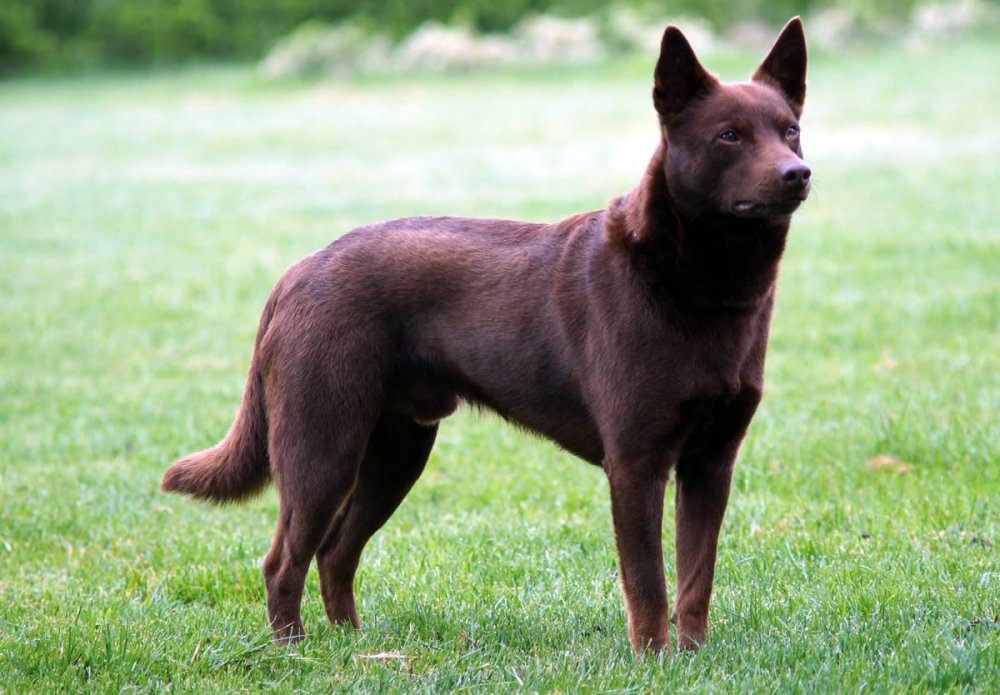
People usually start looking into Australian Kelpies after a pattern becomes hard to ignore: a dog that seems endlessly switched on, always scanning, always ready to move, and surprisingly inventive when under-stimulated. Sometimes it is a new pup nipping heels in the backyard. Sometimes it is an adult rescue who settles for five minutes, then starts “finding” jobs around the house.
It is tempting to treat that intensity as simple high energy. But with Kelpies, it often helps to think in terms of working drive plus problem solving. They were shaped for long days of stock work, making decisions at speed, in heat and dust, with very little fuss. In a home setting, that same capability can become either a joy to live with or a daily management puzzle, depending on how well their needs are met.
This is a breed that can fit beautifully into modern life, but not by accident. Getting the best out of a Kelpie usually comes down to matching the dog in front of you with the right routine, training style, and environment, then staying consistent.
- Breed category: Working and herding dog
- Country of origin: Australia
- Typical height: Males 46 to 51 cm, females 43 to 48 cm
- Typical weight: Often around 11 to 20 kg (varies with build and line)
- Typical lifespan: About 12 to 15 years
- Coat: Short double coat, weather-resistant
- Grooming: Low, regular brushing
- Exercise needs: High, daily physical and mental work
The Australian Kelpie in context
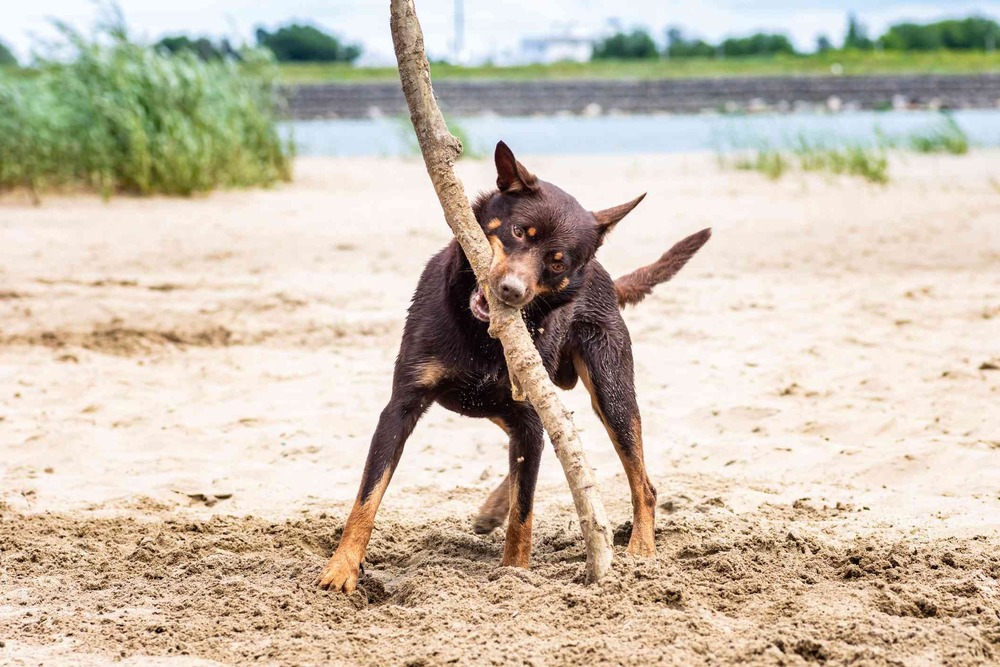
The Kelpie is one of Australia’s best-known working dogs, developed to move stock efficiently across big country. Much of the breed’s early story centres on collie-type dogs imported from Scotland, with the name “Kelpie” tied to Scottish folklore and used for an influential foundation dog in the late 1800s.1, 2
You will still hear the old idea that Kelpies were created by crossing with dingoes. The resemblance is easy to see, especially in the pricked ears and sharp outline. But the dingo-cross story is not well supported, and genetic work has found no detectable dingo DNA in the Kelpie population sampled for that study.3
In practice, what matters is what selective breeding produced: a dog that can think, move, and keep going. That heritage is the reason Kelpies often thrive when they have a genuine role, whether that is farm work, sport, or carefully structured training games at home.
Appearance and what it suggests about function
The breed standard describes a lithe, active dog built for untiring movement, with pricked ears and a short coat designed to cope with weather and work. Typical height is 46 to 51 cm for males and 43 to 48 cm for females.4
Coat colours commonly include black, red, fawn, chocolate, smoke blue, and variations with tan markings. The coat is generally short and weather-resistant, which is part of why many owners find grooming straightforward compared with longer-coated herding breeds.4
One practical note: you will see variation between dogs bred primarily for work and those from conformation lines. Rather than getting stuck on a perfect “type”, it is more useful to look at the dog’s structure and fitness, then ask whether your routine supports their body doing what their brain wants to do.
Temperament, instincts, and everyday behaviour
Kelpies are widely described as alert, intelligent, and keen to work. That can look like responsiveness in training, but it can also show up as a dog who notices everything, anticipates patterns, and tries to control movement, especially running children, bikes, or other pets.4
A common misunderstanding is that more exercise automatically “fixes” a Kelpie who is busy, barky, or destructive. Extra running can help, but many Kelpies also need mental work with clear rules, otherwise you end up with a fitter dog who has even more stamina for mischief.
In family homes, it can help to treat herding behaviours as information rather than defiance. If a Kelpie is nipping at heels or shadowing kids, it is often a sign the dog needs better outlets, clearer management, and calmer training repetitions, not punishment.
Training that suits a Kelpie brain
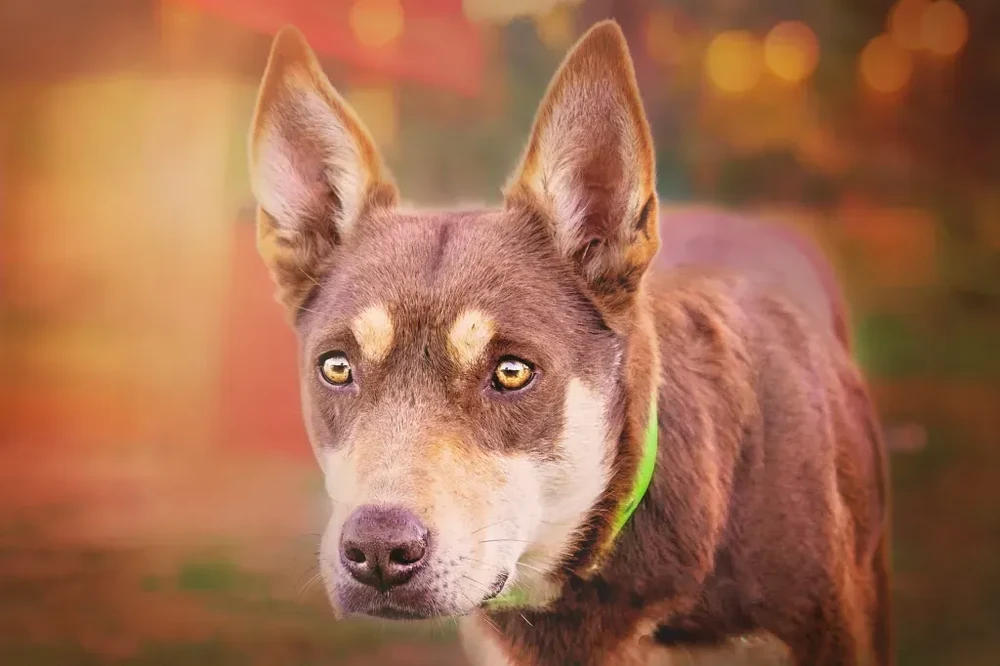
Because Kelpies learn quickly, training tends to work best when it is consistent, reward-based, and varied enough to stay interesting. Short sessions, repeated daily, usually beat occasional long drills.
Early socialisation matters, but it is worth keeping it thoughtful. The goal is not to flood a young Kelpie with stimulation. It is to build calm, safe exposure to new places, people, surfaces, sounds, and animals, paired with recovery time.
Useful focus areas for many Kelpies include:
- Recall and emergency recall, taught with high value rewards
- Loose lead walking and disengagement from moving triggers
- Stationing (mat work) and settling on cue
- Impulse control games that do not rely on frustration
If you are using dog sport or herding lessons as enrichment, the best results usually come from balancing drive with down-regulation skills. A Kelpie who can switch off is often a happier dog to live with.
Exercise and enrichment that prevents problems
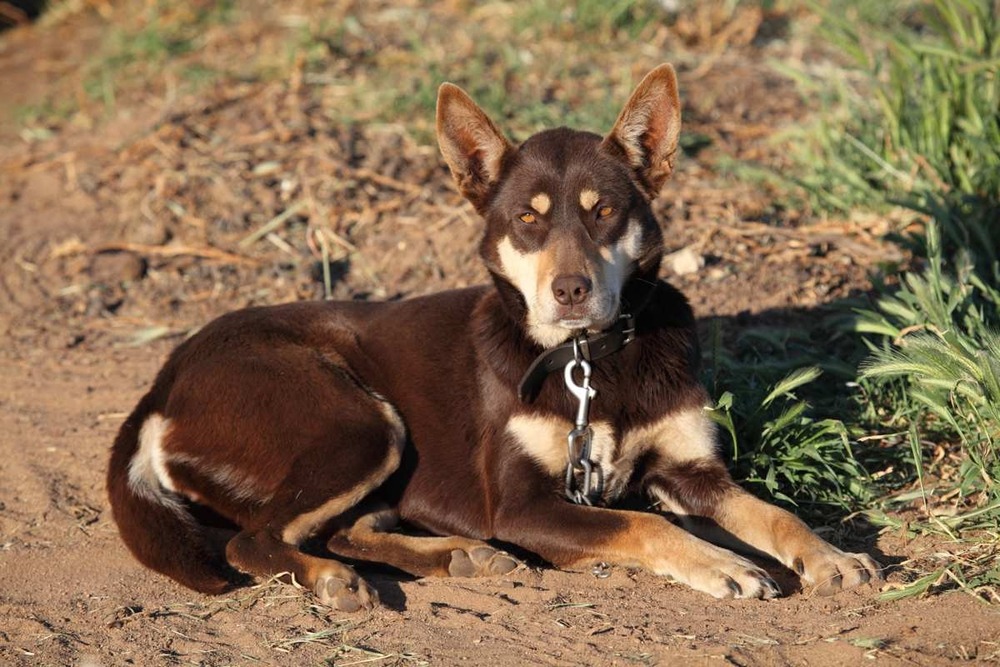
Most Kelpies need daily exercise, but “exercise” is not just distance. A routine that includes sniffing, problem-solving, and training tends to meet their needs more completely than a single long run.
Good options (tailored to the individual dog’s fitness and health) often include:
- Brisk walks with training interludes and decompression sniff time
- Fetch with rules and breaks, rather than endless repetition
- Food puzzles, scatter feeding, and scent games
- Agility foundations, obedience, rally, or structured trick training
It is also sensible to plan for the days you cannot do much. Having a “rainy day kit” of indoor enrichment and settle routines can prevent the slide into nuisance behaviours.
Health considerations and lifespan
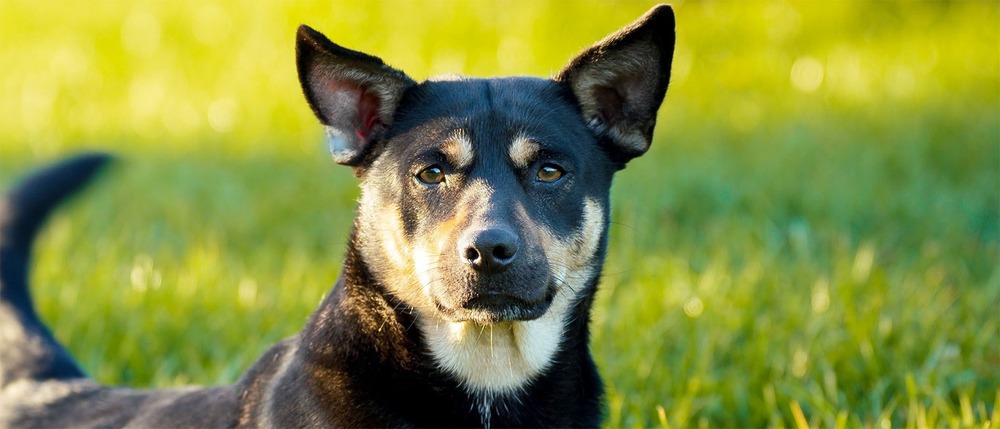
Australian Kelpies commonly live around 12 to 15 years, with variation depending on genetics, lifestyle, and preventative care.5
As with many medium, athletic breeds, it is worth discussing joint health and eye health with your veterinarian, especially if you are buying a puppy and can ask about parental screening. Hip dysplasia and progressive retinal atrophy are two conditions often mentioned in breed discussions, though individual risk varies by line and breeding practices.6
Preventative care is unglamorous but powerful: weight management, appropriate conditioning, parasite control, dental care, and a habit of checking ears, feet, and nails after big days out. For working and sport dogs, injury prevention and recovery matter just as much as fitness.
Coat care, grooming, and day-to-day maintenance
The Kelpie’s short, weather-resistant double coat is generally low maintenance. Weekly brushing is often enough, with more frequent brushing during heavier shedding periods.
Basic care usually includes:
- Regular nail trims, especially for dogs who are not wearing nails down naturally
- Checking ears for wax and debris, particularly after swimming or dusty outings
- Rinsing and drying after mud and beach trips to reduce skin irritation
Many owners find that grooming is less about beauty and more about monitoring. A quick brush and hands-on check can help you spot burrs, small cuts, sore pads, or areas of stiffness early.
Feeding a Kelpie for steady energy
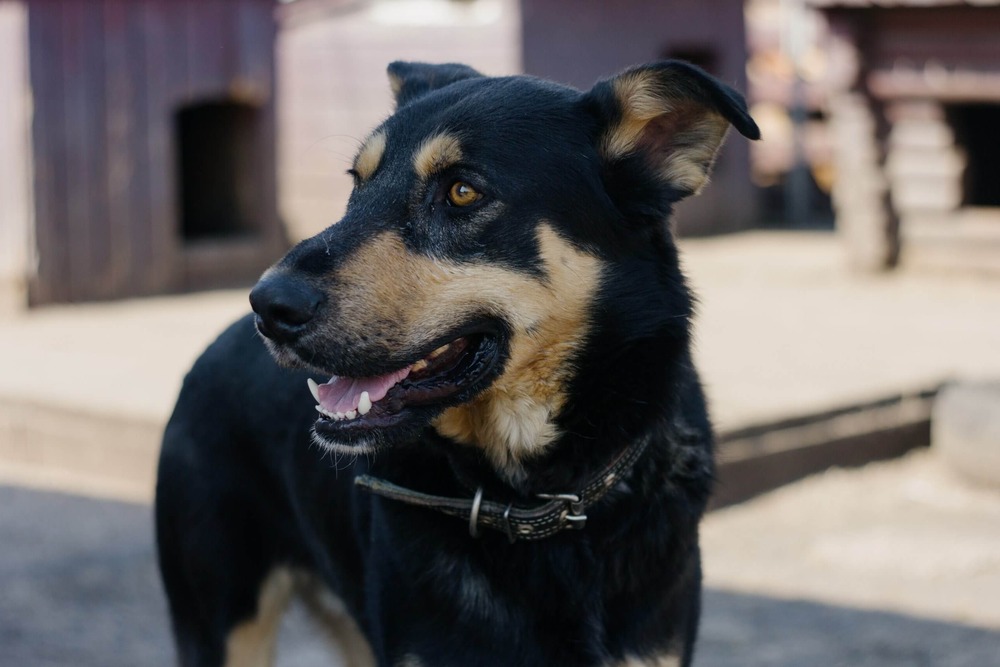
Kelpies can burn a lot of calories, but they can also be surprisingly efficient if their “work” is mostly mental rather than physical. The aim is a diet that supports lean muscle and recovery without creeping weight gain.
Rather than chasing a perfect ingredient list, focus on outcomes: stable stools, good coat condition, a healthy appetite, and a body shape that stays athletic. Your vet can help you assess body condition score and adjust portions. For many adult dogs, splitting food into two meals can support comfort and training routines, especially if you are using food rewards thoughtfully.7
If you are changing diets, do it gradually. Sudden changes often cause gastrointestinal upset, which is frustrating for everyone and avoidable with a slower transition.
Kelpies in Australian culture and popular stories
Kelpies have a long association with Australian farming life, and their reputation travels well beyond rural areas. The breed’s name is commonly linked to “kelpie” as a Scottish water spirit, which turns up in several accounts of the breed’s early history.1, 2
People also connect Kelpies with the story of Red Dog. Historically, Red Dog is most often described as a kelpie and cattle dog cross, and the film popularised the legend for a wider audience.8, 9
These stories can be charming, but the day-to-day reality is more grounded: a Kelpie is usually at their best when their intelligence is treated as a feature to work with, not a challenge to suppress.
Final thoughts
The Australian Kelpie is not difficult so much as specific. If your household enjoys movement, learning, and routines that have a bit of purpose, a Kelpie can be deeply satisfying to live with. If life is more sedentary, or unpredictable, it can still work, but only if you are willing to build structure and outlets into the week.
When people struggle with Kelpies, it is often because they expect the dog to adapt without support. When things go well, it is usually because someone has taken the time to teach settling skills, provide meaningful work, and notice the early signs that the dog is slipping into overstimulation or boredom. In a breed this capable, those small choices add up.
References
- Australian Geographic: Kelpie country
- Australian Geographic: Kelpies, king of the mob
- ABC News: Kelpie DNA study finds no detectable dingo DNA
- United Kennel Club: Australian Kelpie breed standard
- American Kennel Club: Facts about the Australian Kelpie
- UC Davis Veterinary Genetics Laboratory: Progressive retinal atrophy (prcd) in dogs
- RSPCA Australia: What should I feed my dog?
- Wikipedia: Red Dog (Pilbara)
- Wikipedia: Red Dog (film)