

- Breed category: Gundog
- Country of origin: Italy
- Average height: Males 58 to 67 cm, females 55 to 62 cm
- Average weight: 25 to 40 kg
- Average life span: 10 to 14 years
- Grooming requirements: Low, occasional brushing
- Exercise requirements: High, needs daily exercise
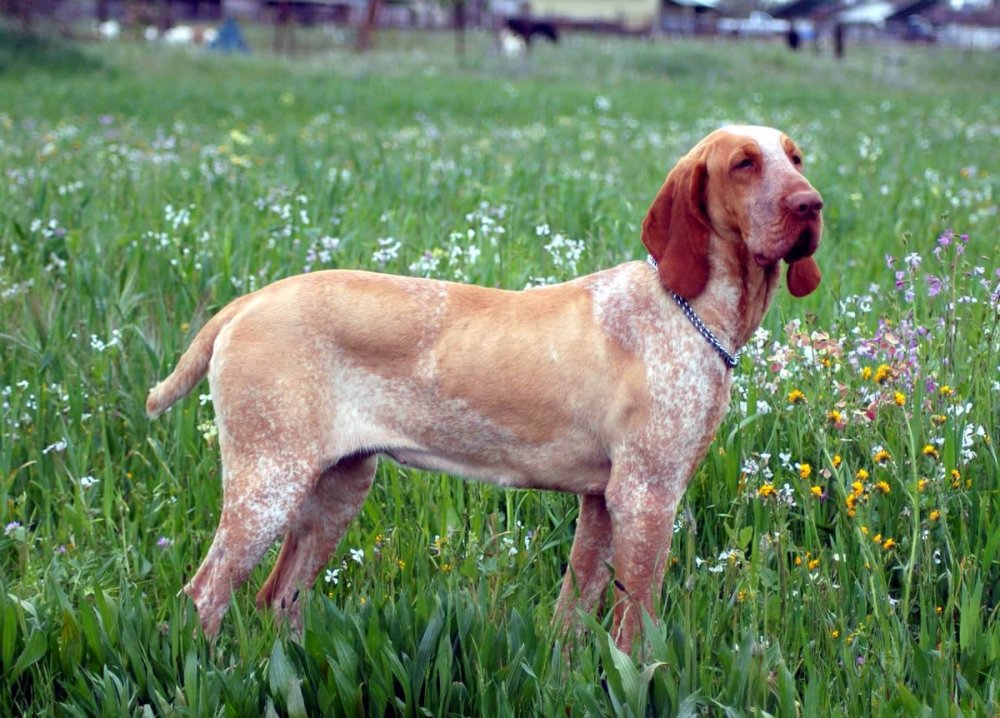
- Coat type: Short and dense
- Coat colour variations: White, orange, chestnut
- Shedding level: Moderate
- Ear type: Long and pendulous
- Tail type: Thick at base, tapers
- Temperament: Gentle, affectionate, intelligent
- Intelligence level: High
- Barking tendency: Often low
- Compatibility with children: Often excellent (with supervision)
- Compatibility with other pets: Often good with socialisation
- Training ease: Usually responsive, best with reward-based training
- Common health issues: Hip and elbow dysplasia, eyelid issues, ear problems, bloat risk in deep-chested dogs
- Energy level: High
- Drooling tendency: Moderate
- Sensitivity to weather: Can struggle in extremes
- Overall maintenance level: Moderate
- Original purpose: Hunting, pointing, retrieving
- AKC full recognition: 2022
- Apartment friendly: Usually not ideal
- Best suited for: Active families, field homes, people who enjoy training and outdoors time
- Unique traits: Sculpted head, long ears, steady field style
People usually start looking into the Bracco Italiano after they have met one in the real world. It might be a calm, long-eared dog at training club, or a striking presence at a show, or a gundog someone describes as “steady” rather than frantic. There is often a moment of surprise when you realise this is a pointing breed that does not fit the usual stereotype of busy, sharp, always-on energy.
That first impression can be a little misleading, in both directions. A Bracco can look relaxed at home, but still need serious daily movement and something meaningful to do with its nose and brain. At the same time, “hunting breed” does not automatically mean a dog that is unsuitable for family life. It often means a dog that does best when its instincts are understood and given a place to land.
Living with a Bracco Italiano tends to go smoothly when expectations match the dog in front of you. The basics are simple, but not optional: consistent training, generous exercise, and practical care for joints and ears, plus thoughtful feeding for a deep-chested dog. Getting those right is where the breed really shines.
History and origin
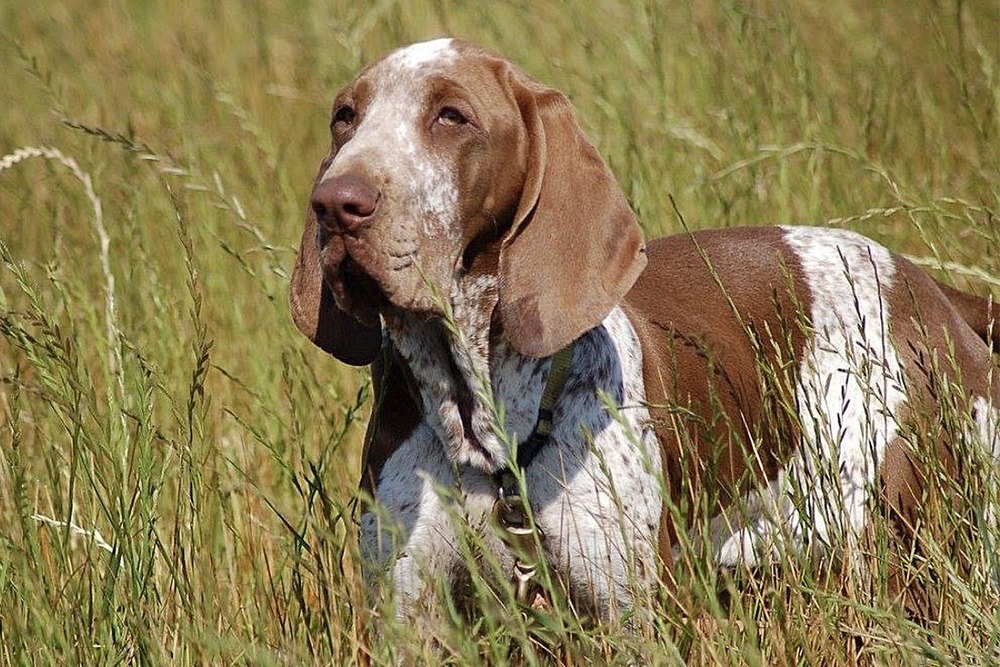
The Bracco Italiano is an Italian pointing dog with a long paper trail and a strong sense of purpose. Modern breed standards describe it as a dog shaped by bird hunting over centuries, with references to historical depictions in Italy supporting the idea of a long-established type.1, 2
It is recognised internationally as a continental pointing breed, and the current FCI standard places it in Group 7 (Pointing Dogs). The standard emphasises a functional build and a ground-covering trot, which makes sense when you picture long days of searching and holding scent in open country.2
If you are reading from Australia, it is worth noting that Dogs Australia (ANKC) publishes a local breed standard and discusses the Bracco as an “ancient Italian origin” bird dog. The detail is useful because it links appearance back to function, not fashion, which is a helpful lens for owners as well as judges.1
What a Bracco Italiano looks like in everyday life
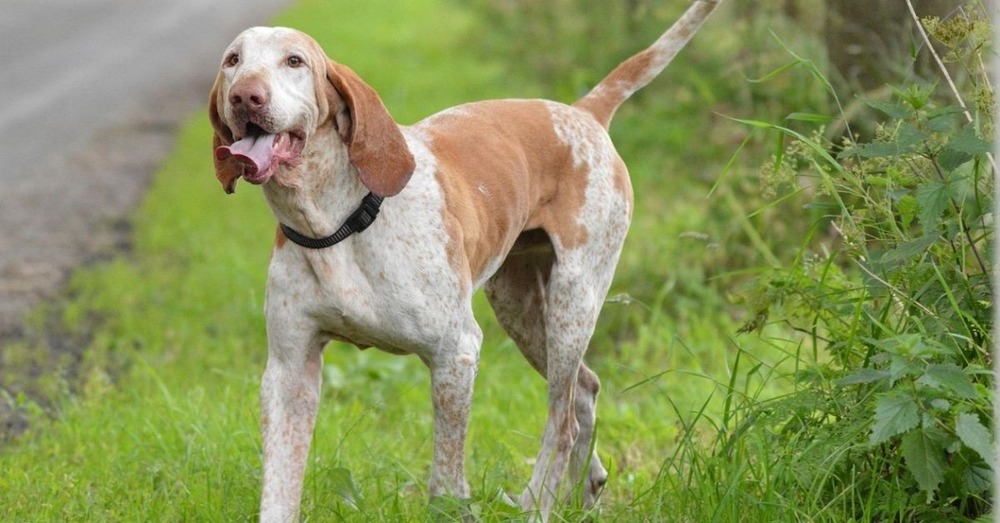
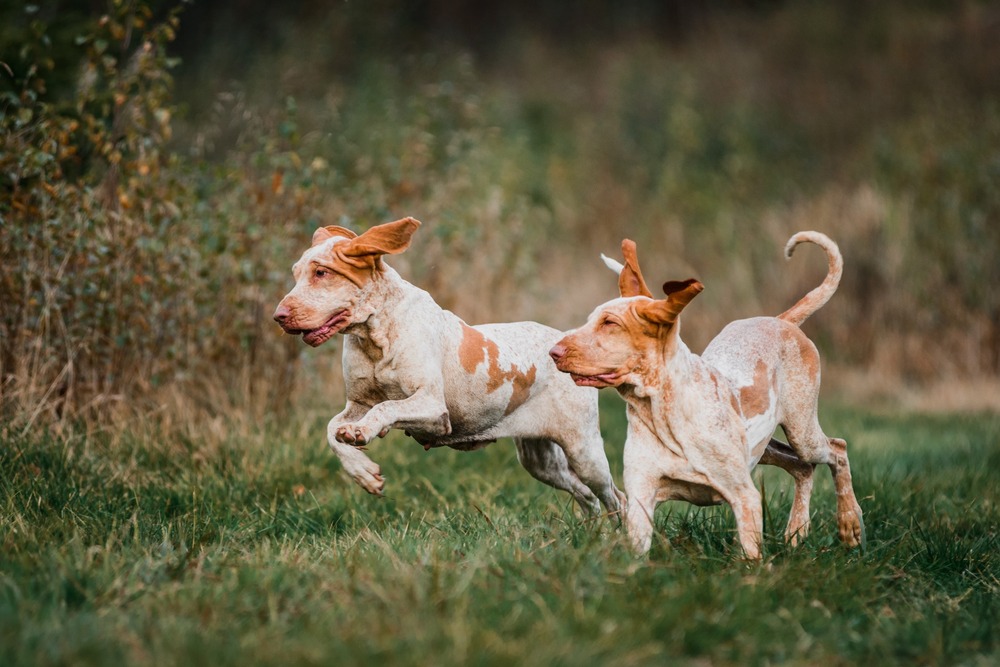
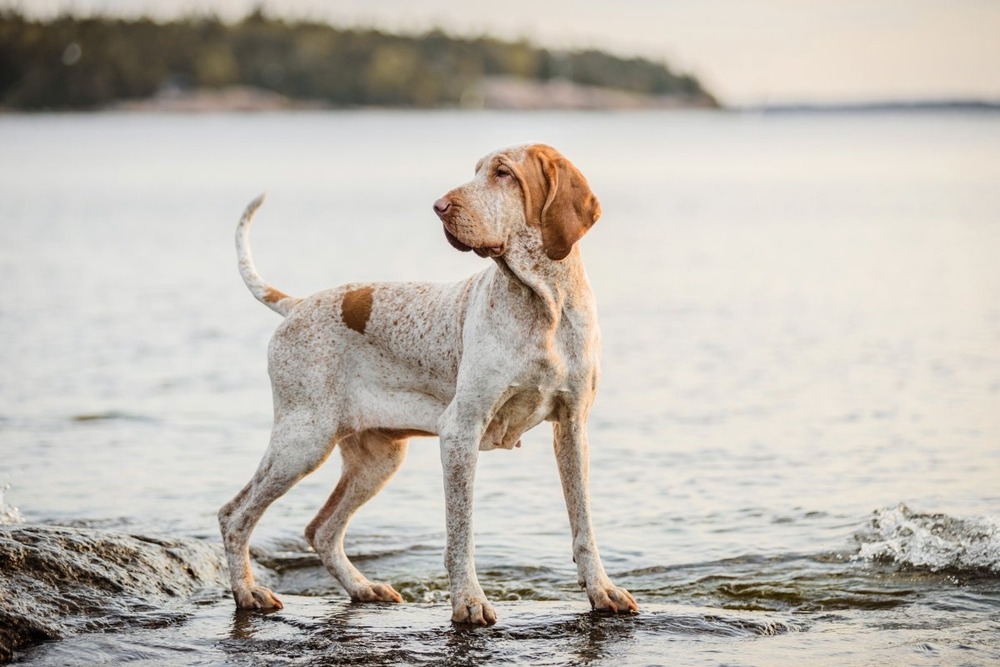
A well-bred Bracco Italiano is robust and athletic, but not tight and twitchy. Height is generally 55 to 67 cm at the withers, with weights commonly falling between 25 and 40 kg, depending on size and condition.1, 2
The coat is short, dense and glossy. Colours are typically white, white with orange or amber, or white with chestnut, sometimes with roaning or speckling. People often fall for the look first, but the short coat also has a practical side: it is easy to keep clean after a dusty walk or a muddy paddock run.1
Those long ears are part of the breed’s signature, and they also come with a responsibility. Pendulous ears reduce airflow and can trap moisture and debris. In practice, that can mean a higher likelihood of external ear inflammation in some individuals, especially if allergies or regular swimming are in the mix.6
Temperament and behaviour
Bracco people often describe them as steady and people-focused. In many homes, they are affectionate without being constantly demanding, and they tend to prefer being near their people rather than occupying themselves at the far end of the yard. That said, “gentle” does not mean low needs, it simply means the dog’s style is often softer than some other gundogs.
They can be a good match for families when adults are ready to provide structure. The Bracco Italiano still has a working brain, and it is common to see nose-led curiosity show up on walks, in the backyard, and sometimes in the kitchen if training is loose.
With other dogs and pets, early socialisation matters. Many Bracchi do well, but the breed was developed to find and point game, so it is sensible to assume some prey interest may appear, especially with small fast-moving animals. Management, training, and calm introductions are more reliable than wishful thinking.
Training and exercise needs
A Bracco Italiano is usually easier to live with when training starts early and stays kind. The most useful approach is consistent, reward-based work that shows the dog what to do, then makes that choice worthwhile. For many Bracchi, harsh corrections do not create better behaviour, they simply create confusion or avoidance.
Exercise is not just about burning energy. This is a dog bred to search, track scent, and work with a human. A daily routine that includes long sniffy walks, off-lead runs where safe and legal, and simple scent games at home often keeps the dog more settled than an hour of repetitive ball throwing.
Many owners find these practical habits help:
- Short training sessions sprinkled through the day, not one long drill.
- Recall practice in low-distraction areas before expecting reliability in the bush.
- Planned rest, because high-drive dogs can accidentally be trained to stay “on” all the time.
Health and lifespan: what to watch for
Lifespan is often quoted around 10 to 14 years, but the more useful question is what helps a Bracco stay comfortable through those years. In practice, the biggest wins are sensible body condition, joint-aware exercise, and choosing breeders who test for known issues.
Breed clubs highlight several health concerns seen in Bracchi, including hip and elbow dysplasia, eye conditions (such as entropion and ectropion), and kidney disease. If you are buying a puppy, this is where paperwork and transparency matter more than nice marketing photos.4, 5
Hip dysplasia, in particular, is a developmental condition that can lead to osteoarthritis over time. Screening relies on veterinary imaging and formal scoring schemes, and it is commonly used to guide breeding decisions, not to diagnose a puppy you have just met in a backyard.7
As a deep-chested, larger dog, the Bracco Italiano may also sit in the broader risk group for gastric dilatation-volvulus (GDV), often called bloat. GDV is a sudden emergency where the stomach distends and can twist, and it requires immediate veterinary care.8
Grooming and maintenance
Coat care is refreshingly straightforward. A quick weekly brush or wipe-down removes loose hair and dirt, and many Bracchi owners find the coat stays glossy with minimal fuss. The heavier work tends to be elsewhere: ears, nails, and teeth.
Ears are the main routine. Dogs with floppy ears are over-represented in ear infection clinics for a reason, and prevention often comes down to simple habits: regular checks, drying after swimming, and getting help early if there is redness, odour, head shaking, or increased scratching.6
Dental care is another quiet factor in long-term comfort. Home tooth brushing is widely recommended by veterinary dental specialists, and doing it early, gently, and consistently is usually easier than trying to start once the dog is middle-aged and suspicious.9
Diet and nutrition
Nutrition advice can get noisy very quickly, especially online. A useful starting point is to treat food as part of your dog’s healthcare plan, not as a personality test. Veterinary global guidelines emphasise assessing the individual dog, including body condition, muscle, activity level, and life stage, then choosing a complete and balanced diet that fits that picture.3
For Bracchi, keeping the dog lean is not about aesthetics, it is about protecting joints and supporting endurance. If you are seeing your dog get softer over the ribs, it is usually worth adjusting portions sooner rather than later, then reviewing at the next vet visit.
If you are concerned about GDV risk, talk with your vet about practical feeding habits. Evidence-based sources describe risk factors and prevention strategies at a general level, including meal patterns and management around exercise, but the best plan is one your household can do consistently.8
Living with a Bracco Italiano: the real fit
In the right home, a Bracco Italiano can feel like a lot of dog in the best way: thoughtful, present, and genuinely enjoyable to train. They often suit people who like routine, who enjoy being outside most days, and who are willing to do the unglamorous parts of dog ownership, such as consistency, enrichment, and preventive care.
They are not always the easiest match for small spaces and busy workweeks. It is less about square metres and more about whether the dog has somewhere to move freely, time to explore, and people who notice small changes early. A Bracco with unmet needs can become noisy, restless, and hard to recall, not because it is “naughty”, but because it is under-employed.
If you are deciding whether this is your breed, it helps to prioritise meeting adult dogs and speaking to ethical breeders and breed clubs. In the United States, the Bracco Italiano received full AKC recognition in 2022, which has increased visibility. With visibility comes variety, so taking your time is part of responsible choosing.10
References
- Dogs Australia (ANKC): Bracco Italiano breed standard
- FCI: Bracco Italiano (Breed No. 202) and standard publication details
- WSAVA: Global Nutrition Guidelines
- Bracco Italiano Club of America: Health concerns
- Bracco Italiano Club of America: Recommended health testing
- Animal Medical Center: Ear infections in pets (causes, risk factors)
- Orthopedic Foundation for Animals (OFA): Hip dysplasia
- Cornell University College of Veterinary Medicine: Gastric dilatation-volvulus (GDV) or bloat
- American Veterinary Dental College: Pet owner resources (home dental care)
- American Kennel Club: Bracco Italiano full recognition announcement